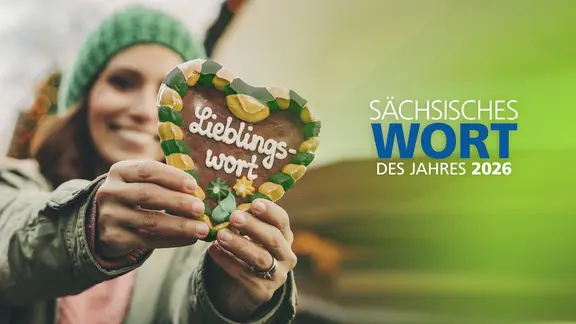
The Vogtland region of Germany has spoken, and its choice is as flavorful as it is traditional. In a resounding testament to the endurance of regional identity, "Griehgeniffte" has been officially crowned the "Vogtländisches Wort des Jahres 2026" (Vogtland Dialect Word of the Year). This selection marks a significant milestone in the ongoing efforts to preserve the unique linguistic tapestry of the region.
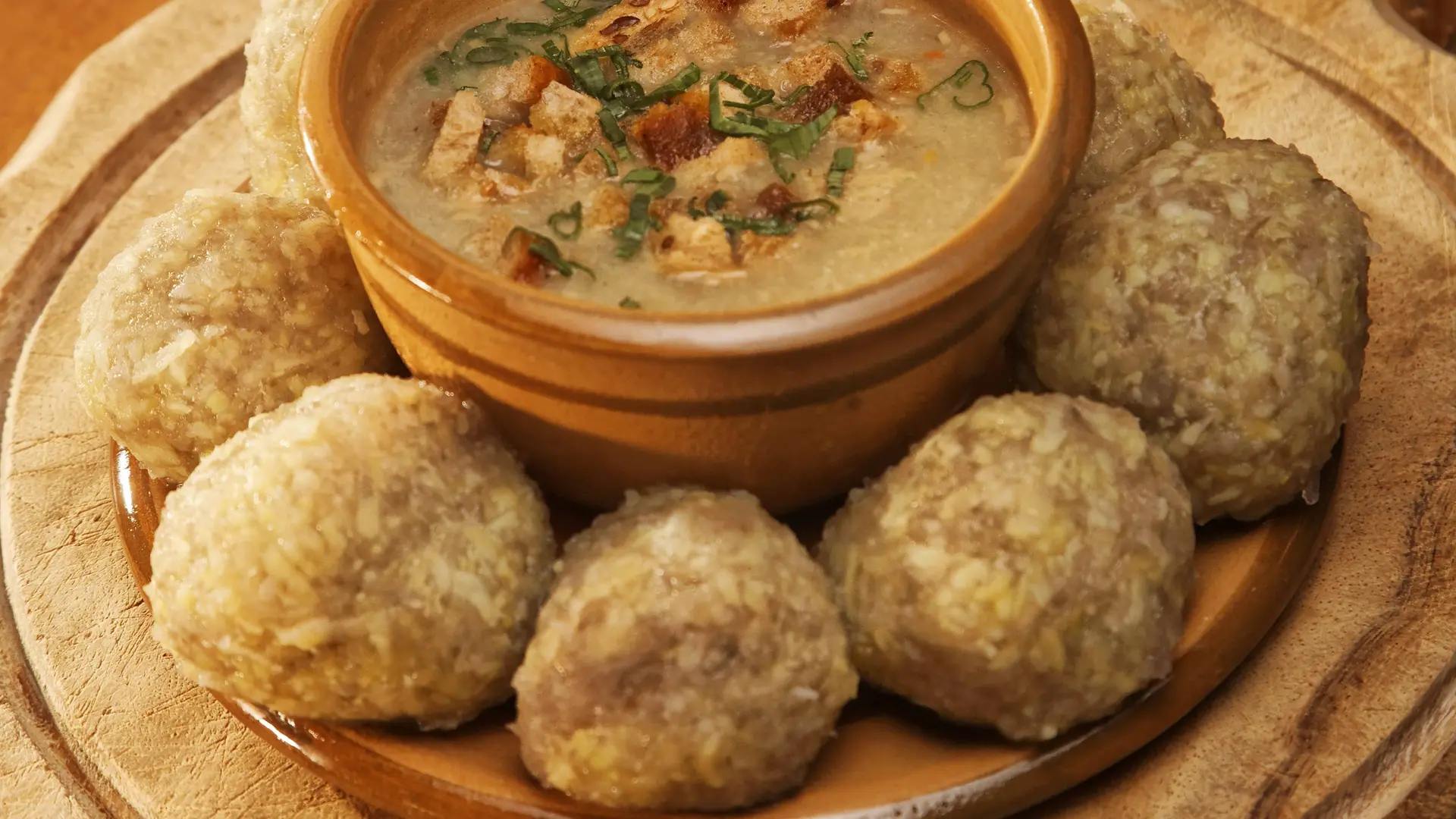
For those unfamiliar with the local vernacular, the term "Griehgeniffte" refers to a culinary staple: grated green dumplings. This dish, deeply embedded in the cultural and gastronomic fabric of the Vogtland, serves as more than just sustenance; it is a symbol of regional pride. The announcement of the winning word, which took place during a weekend of dual celebrations—marking the 30th anniversary of the Vogtland district and the 65th Plauener Spitzenfest—has ignited a renewed interest in the preservation of local dialects in an increasingly homogenized linguistic landscape.
The Genesis of a Linguistic Tradition
The competition to crown the "Vogtland Word of the Year" has, in just a few short years, evolved from a niche local experiment into a widely anticipated cultural event. The 2026 edition, which saw over 1,200 participants cast their votes, underscores the vitality of a dialect that many once feared was fading into obscurity.
The path to victory for "Griehgeniffte" was not a foregone conclusion. The word was championed by none other than the Plauener Spitzenprinzessin (Lace Princess), Maxi Schulz, whose influence helped catapult the term to the top of the public’s consciousness. The selection process involved a rigorous campaign where various candidates were presented to the public, each vying for the title by highlighting the unique character and history of the Vogtland people.
Chronology of the 2026 Selection Process
The journey to crowning "Griehgeniffte" began months before the final announcement. The process was structured to ensure maximum community engagement and transparency:
- Phase 1: The Call for Entries (Early 2026): The Vogtlandkreis initiated a call for residents to submit words that they felt captured the essence of their home. The submissions ranged from archaic agricultural terms to modern-day colloquialisms.
- Phase 2: The Shortlist (Spring 2026): A committee of linguistic enthusiasts and local historians narrowed down the hundreds of entries to a shortlist of six finalists. This stage was critical, as it balanced the obscure beauty of the dialect with the relatability of the words to a younger, modern audience.
- Phase 3: Public Deliberation: Through a combination of online platforms and physical voting booths, the citizens of the Vogtland engaged in a spirited debate. The focus was not merely on the dictionary definition of the words, but on their emotional resonance—how they felt when spoken at a kitchen table or in a local pub.
- Phase 4: The Gala Announcement (June 21–22, 2026): Amidst the festivities of the 30th-anniversary celebrations of the district and the iconic Plauener Spitzenfest, the winning word was revealed. The atmosphere was one of celebration, signaling that the dialect is not a relic of the past, but a living, breathing component of modern Vogtland life.
Supporting Data: Why "Griehgeniffte" Resonates
While the competition was friendly, the data reveals a deeper trend. The 1,200 participants were not just random voters; they were stakeholders in a heritage project.
The popularity of "Griehgeniffte" speaks to a specific sociological phenomenon: the return to "Heimat" (homeland) and the comfort of the familiar. In a globalized world, food and language are the two most portable and durable forms of identity. By voting for a word that describes a specific, labor-intensive, and traditional preparation of dumplings, the people of the Vogtland are essentially asserting that their way of life is worth preserving.
Compared to previous winners—"Aaziehzeich" (2024) and "Hietroochbrettl" (2025)—"Griehgeniffte" represents a shift toward the domestic. While the former winners described objects or concepts, the 2026 champion describes a sensory experience. It connects the speaker to the land, the harvest, and the generations of cooks who have stood over the stove preparing the same dish.
Official Perspectives: The Politics of Language
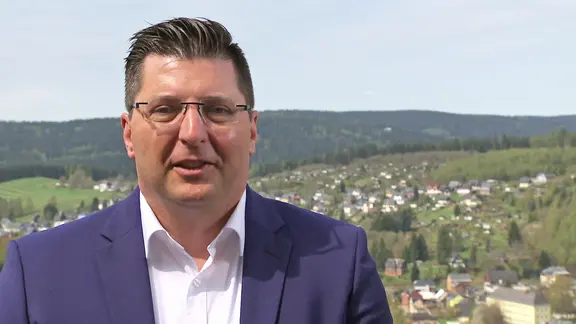
The significance of this competition has not been lost on the political leadership of the region. Landrat Thomas Hennig (CDU) has been a vocal supporter of the project, consistently highlighting the intersection of language, tradition, and regional governance.
"Language, traditions, and regional cuisine belong inextricably together," Hennig remarked during the ceremony. "They are the threads that weave our identity, making the Vogtland not just a dot on a map, but an unmistakable home for those who live here."

For the district administration, the competition is not just about words; it is a soft-power strategy. By encouraging the use of dialect, the administration is fostering a sense of community cohesion. In a region that has faced the challenges of demographic shifts and economic transition, the ability to anchor oneself in a local linguistic tradition provides a psychological bulwark against the feeling of displacement.
The Wider Implications: Why Dialects Matter
The success of the "Word of the Year" competition in the Vogtland raises broader questions about the state of dialects in Germany. For decades, the trend in education and media was toward standardization (Hochdeutsch). However, the 21st century has seen a counter-movement.
The Linguistic Counter-Movement
Linguists suggest that as the world becomes more interconnected via digital technology, there is a natural human tendency to seek out "micro-identities." The Vogtland dialect acts as a badge of authenticity. When someone uses a word like "Griehgeniffte," they are signaling membership in a specific group. It is an act of inclusion that is inherently resistant to the blandness of globalized communication.
Preservation through Innovation
Crucially, the Vogtland authorities are not treating their dialect as a museum piece. By integrating it into modern festivities like the Spitzenfest, they are ensuring its evolution. A language that is not used in social settings dies; a language that is debated, voted upon, and laughed over in a public square is one that has a future.
Education and Intergenerational Ties
One of the most profound implications of this movement is the bridge it builds between generations. Younger residents, who might otherwise have little exposure to the deeper nuances of the dialect, are drawn in by the competitive nature of the voting. This creates a space for grandparents and grandchildren to discuss vocabulary, thereby ensuring the intergenerational transmission of cultural knowledge.
Looking Ahead: The Future of Vogtland Vernacular
As the celebrations in Plauen conclude and the title of "Word of the Year" is handed over to the victors, the work is far from over. The organizers have already hinted at future projects, including potential school programs to integrate regional vocabulary into local history curricula and the development of digital archives to preserve audio recordings of older speakers.

The challenge, as acknowledged by the organizers, is to prevent the dialect from becoming a caricature. The goal is not to force people to speak in a way that feels unnatural, but to provide the tools for those who wish to express their identity through their ancestral tongue.
"Griehgeniffte" is more than a word for a dumpling; it is a placeholder for a thousand memories of family dinners, harvest festivals, and the quiet pride of a region that knows exactly who it is. In the coming years, as the Vogtland continues to navigate the complexities of the 21st century, it is clear that its people will do so with their own unique vocabulary, ensuring that no matter how much the world changes, they will always have a word for what matters most.

The 2026 competition has proven that the spirit of the Vogtland is not only intact but thriving. Whether it is through the pride in their local industry, such as the world-renowned lace, or the simple, earthy pleasure of a perfectly prepared green dumpling, the people of this region continue to demonstrate that identity is something to be actively lived, spoken, and celebrated.