Berlin, June 22, 2026 – German cities, towns, and rural districts are facing an unprecedented financial crisis, with municipal leaders issuing a stark warning of widespread collapse just days before a critical meeting between state premiers and Chancellor Merz in Berlin. The country’s leading municipal associations have projected annual deficits nearing €30 billion for the coming years, signaling a dire threat to local services, infrastructure, and the very fabric of community life across Germany.
"The municipal households are collapsing – almost everywhere," declared a joint statement from the German Association of Towns and Cities (DLT), the German Association of Cities (DST), and the German Association of Towns and Municipalities (DStGB) on Monday. They emphasized that even economically robust regions are now feeling the squeeze, with all financial reserves depleted and social expenditures spiraling out of control. This structural underfunding, they argue, is inevitably leading to massive debt accumulation and a severe degradation of public services.
The upcoming summit on Thursday is now cast against a backdrop of urgent demands for immediate and substantial financial relief from the federal government and the states. Municipal leaders insist that without a fundamental realignment of financial responsibilities, the crisis threatens to undermine public trust and the foundational stability of the nation.
A Looming Crisis: Unpacking the Municipal Warning
The warning from Germany’s municipal associations is not merely a call for more funds; it is an alarm bell signaling a systemic failure in the country’s federal financial architecture. Municipalities are the bedrock of daily life for citizens, responsible for a vast array of essential services from schools and kindergartens to local roads, public transport, waste management, cultural institutions, and crucial social welfare provisions. When these local budgets falter, the direct impact is felt by every resident.
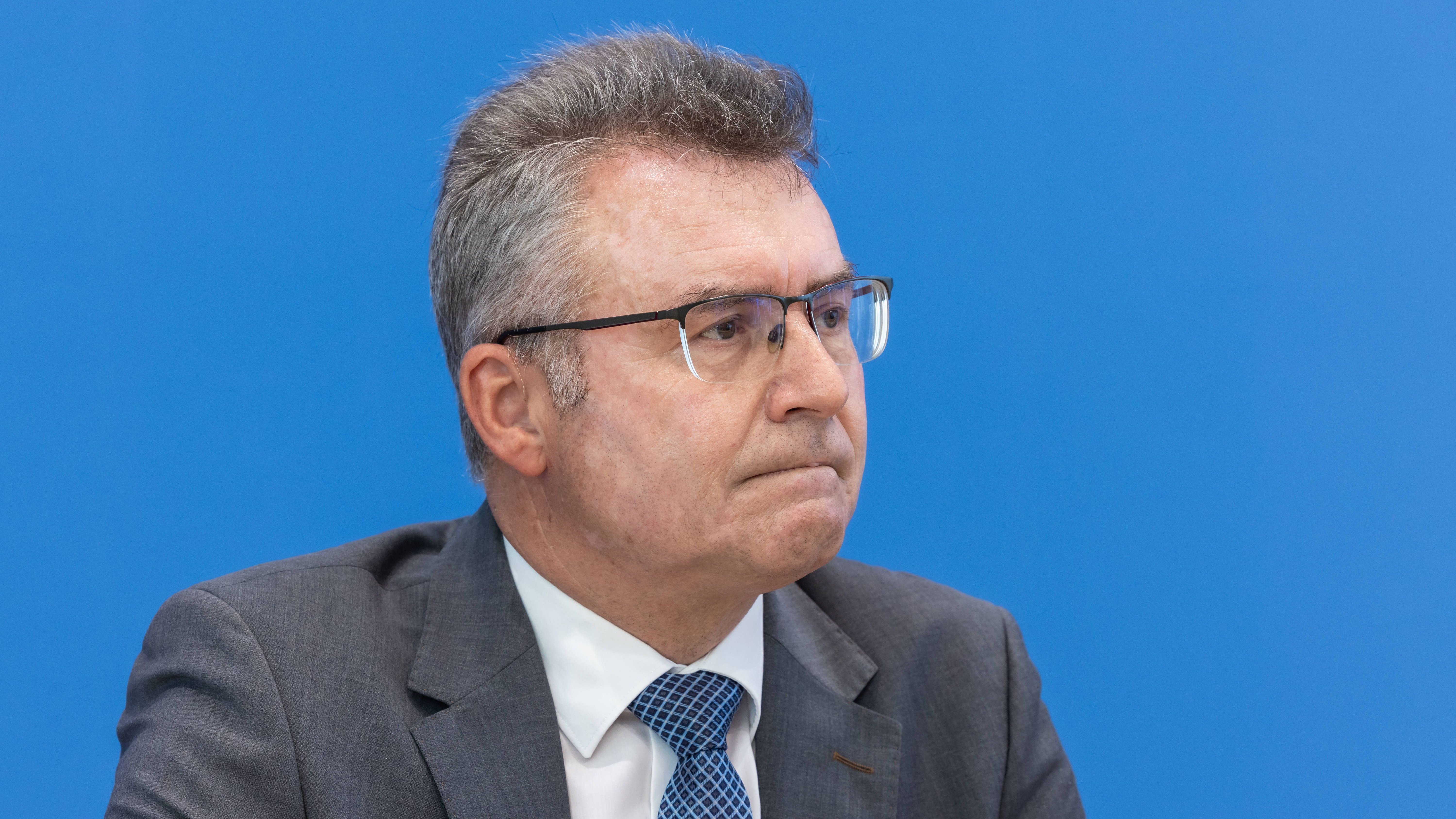
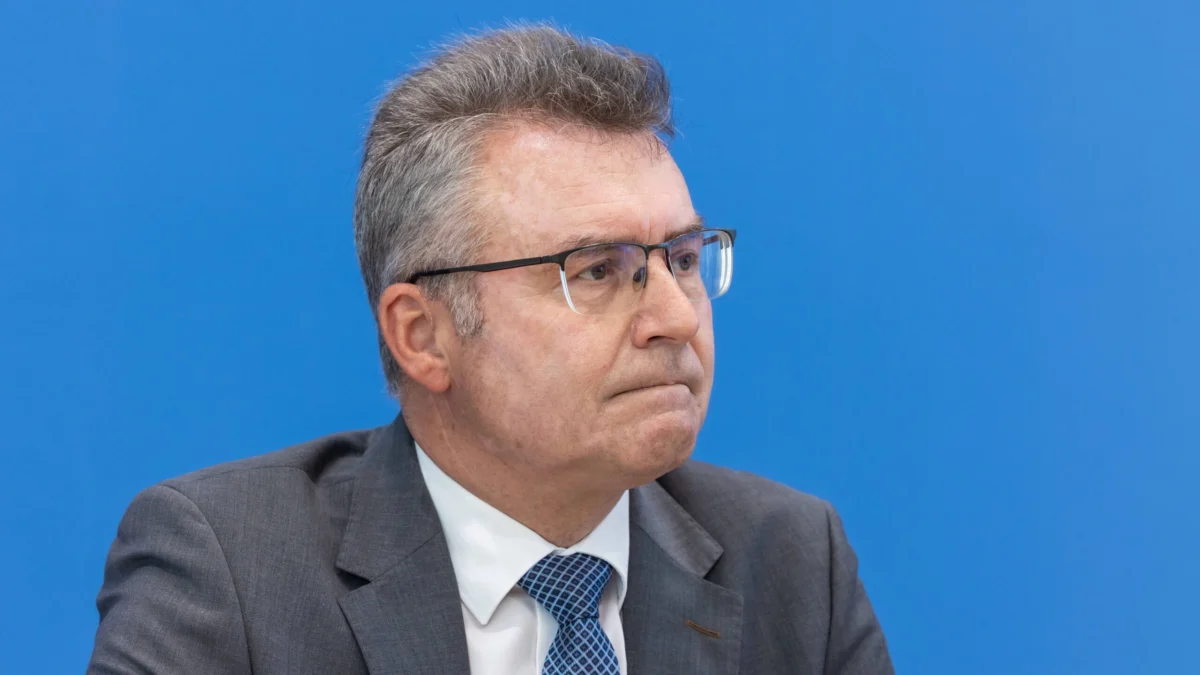
Achim Brötel, President of the German Association of Rural Districts (DLT), encapsulated the gravity of the situation with a poignant warning: "If buildings and streets start to crumble, then the trust of the people also crumbles." His statement highlights the inseparable link between well-maintained public infrastructure and citizen confidence in their government. Brötel further stressed that municipalities see "no chance to leave the valley of tears" under current conditions, pointing to a persistent, structural underfunding that has plagued local authorities for years, exacerbated by recent crises and rising costs.
The core of the problem, according to municipal leaders, lies in a growing disparity between the responsibilities assigned to them and the financial resources available to fulfill those mandates. While the federal states (Länder) are constitutionally responsible for ensuring adequate financial provisions for their municipalities, the federal government (Bund) frequently enacts legislation that imposes new tasks and financial burdens on local authorities without providing commensurate funding. This "who orders, must also pay" principle (Konnexitätsprinzip) is repeatedly invoked as a fundamental but often violated tenet of German federalism.
The Dire Financial Outlook: Deficits Nearing €30 Billion Annually
The financial projections presented by the municipal associations paint a stark picture of escalating deficits that are rapidly pushing local authorities into unsustainable debt.
Projected Deficits (in billions of Euros):

- 2025: €29.4 billion (baseline, previous year’s deficit)
- 2026: €29.7 billion
- 2027: €29.6 billion
- 2028: €28.9 billion
- 2029: €28.4 billion
These figures represent not just theoretical shortfalls, but real gaps that directly translate into neglected infrastructure, understaffed public services, and a chilling halt to vital investments. The consistent near-€30 billion annual deficit underscores a deep-seated structural problem rather than a temporary economic blip. It signifies that even with prudent financial management, municipalities are inherently unable to balance their books under the current funding system.
The associations stressed that these deficits cannot be absorbed by existing reserves, which have been "completely exhausted" in most areas. This means that every euro of deficit directly translates into new borrowing, compounding existing debt loads and further limiting future financial flexibility. The ability of municipalities to invest in future-oriented projects, such as climate protection, digital infrastructure, or modern educational facilities, is severely hampered, locking them into a cycle of managing decline rather than fostering growth and innovation.
The Burden of Social Expenditures: A Runaway Cost Center
A central point of contention for municipal leaders is the exploding cost of social expenditures, a category over which they claim to have "practically no influence." These costs represent a significant and ever-growing portion of municipal budgets, often dictated by federal and state laws, leaving little room for local discretion or cost-saving measures.
Key components of municipal social expenditures typically include:
- Bürgergeld (Citizen’s Income): While the federal government covers the standard rates for long-term unemployed, municipalities are responsible for the costs of accommodation, heating, and integration measures, which have seen significant increases due to rising housing costs and energy prices.
- Housing Benefits: Support for low-income households to cover rental costs, a program that has expanded as housing prices continue to climb.
- Youth Welfare (Kinder- und Jugendhilfe): A broad range of services including child protection, early intervention programs, day care facilities, and support for children and adolescents in difficult circumstances. Demand for these services has been steadily increasing, driven by demographic changes and social challenges.
- Integration Costs for Refugees and Asylum Seekers: Municipalities bear a substantial portion of the costs associated with housing, care, language courses, and social integration of refugees, particularly following the influxes of recent years.
- Healthcare for the Uninsured: Local authorities often step in to cover medical costs for individuals not covered by standard health insurance schemes.
- Care for the Elderly and Disabled: While largely covered by social insurance, municipalities often contribute to supplementary care services and infrastructure.
The complaint that these costs are "running away" from municipalities without corresponding revenue increases is a critical aspect of their argument. Federal policy decisions, such as adjustments to Bürgergeld rates or new integration mandates, directly impact municipal budgets. However, the funding mechanisms designed to compensate municipalities often prove insufficient or arrive with significant delays, forcing local governments to bridge the gap with their own, already strained, resources. This imbalance creates a chronic structural deficit, as municipalities are left to administer and finance policies determined at higher governmental levels.
A Crisis of Responsibility: Federal Mandates vs. Local Budgets
At the heart of the municipal financial crisis lies a fundamental tension within Germany’s federal system: the disconnect between legislative power and financial responsibility. The "Konnexitätsprinzip" (principle of interconnectedness or "who orders, must also pay") is enshrined in German constitutional law, theoretically stipulating that any level of government that imposes new tasks on another level must also provide the necessary funding. However, municipal leaders contend that this principle is routinely disregarded or inadequately implemented.
Examples of Unfunded or Underfunded Mandates:
- Kindergarten Expansion: Federal and state initiatives to increase childcare availability and quality (e.g., legal right to a Kita spot, improved staff-to-child ratios) are laudable goals but impose massive investment and operational costs on municipalities.
- School Renovation and Digitization: While federal programs exist (e.g., DigitalPakt Schule), they often cover only a fraction of the actual costs for modernizing dilapidated school buildings, equipping classrooms with digital infrastructure, and hiring IT support staff.
- Climate Change Adaptation: Municipalities are on the front lines of climate change, responsible for measures like flood protection, heat island mitigation, green infrastructure, and sustainable urban planning. These critical investments often lack comprehensive federal or state funding.
- Integration Measures: Beyond direct refugee care, municipalities are tasked with long-term integration efforts in schools, social services, and the labor market, frequently without sufficient financial backing.
- Bureaucracy and Administrative Burden: New federal and state regulations, while often well-intentioned, can lead to increased administrative effort and costs for municipalities (e.g., complex application processes for funding, new reporting requirements).
DLT President Brötel’s insistence on "Wer bestellt, muss auch bezahlen" is therefore a direct appeal to uphold this constitutional principle. Municipalities argue that they are increasingly becoming "implementers" of policies decided elsewhere, without the financial autonomy to manage their budgets effectively or prioritize local needs. This dynamic not only strains finances but also erodes local self-governance and accountability.

Far-Reaching Implications for German Society
The municipal financial crisis is not an abstract budgetary problem; its consequences directly impact the daily lives of millions of Germans and threaten the country’s long-term economic and social cohesion.
Deteriorating Public Services and Infrastructure
The most visible consequence of municipal underfunding is the accelerating decay of public infrastructure and the decline in service quality.
- Schools: Crumbling school buildings, outdated equipment, and a lack of digital infrastructure hinder educational quality and create unsafe learning environments. Investment backlogs in schools are estimated to be in the tens of billions of euros nationwide.
- Roads and Bridges: Potholes, damaged pavements, and structurally deficient bridges become commonplace, increasing maintenance costs in the long run, causing traffic disruptions, and posing safety risks.
- Public Transport: Reduced investments in bus and tram networks, aging vehicle fleets, and infrequent services diminish the attractiveness of public transport, particularly in rural areas, leading to increased car dependency and environmental strain.
- Cultural and Recreational Facilities: Libraries, swimming pools, sports halls, theaters, and youth centers face closure or reduced operating hours, impacting community life, access to education, and social cohesion.
- Administrative Services: Understaffed local administrations lead to longer waiting times for permits, identity documents, and other essential citizen services, frustrating residents and hindering local businesses.
- Emergency Services: While typically well-protected, underfunding in supporting infrastructure or recruitment efforts could eventually impact the responsiveness and effectiveness of fire departments and rescue services.
Economic Downturn and Regional Disparities
A financially distressed municipal landscape also carries significant economic risks.
- Stifled Investment: Municipalities are major public investors. Their inability to invest in infrastructure, business parks, and local amenities deters private investment and limits economic growth.
- Brain Drain: Deteriorating living conditions, fewer job opportunities (due to lack of municipal investment in local economies), and reduced public services can drive skilled workers and young families away from struggling regions, exacerbating demographic challenges.
- Increased Debt Burden: Constant borrowing to cover operational deficits pushes municipal debt to unsustainable levels, limiting future generations’ fiscal options and potentially leading to higher local taxes or fees.
- Regional Imbalance: The crisis disproportionately affects structurally weaker regions, widening the gap between prosperous and struggling areas and threatening the principle of equal living conditions across Germany.
Erosion of Public Trust
As Achim Brötel warned, the physical decay of public assets directly translates into a loss of public trust. When citizens perceive that their local government cannot provide basic services, maintain infrastructure, or invest in their community’s future, their faith in democratic institutions and political leaders diminishes. This erosion of trust can manifest in lower voter turnout, increased political polarization, and a general sense of disillusionment with governance. It undermines the social contract and the legitimacy of the state at its most immediate level.

Urgent Calls for Action: Demands from Municipal Leaders
The municipal associations are not just highlighting the problem; they are presenting a clear set of demands for the federal and state governments ahead of Thursday’s summit. Their core message is a plea for a fundamental reform of municipal finance.
Key Demands Include:
- Full Compensation for Federal Mandates: Strict adherence to the Konnexitätsprinzip. Any new tasks or expanded responsibilities mandated by the federal government must be accompanied by full, reliable, and timely financial compensation.
- Increased Federal Participation in Social Costs: A significant increase in federal contributions to municipal social expenditures, particularly for costs related to Bürgergeld housing and integration of refugees, which are largely driven by federal policy.
- Structural Reform of Municipal Finance: Beyond ad-hoc payments, municipalities call for a comprehensive reform of the financial equalization system (Finanzausgleich) between federal, state, and local governments. This could involve increasing the municipal share of national tax revenues (e.g., VAT, income tax) or creating new funding streams.
- Targeted Investment Programs: Establishment of long-term federal and state investment programs for critical infrastructure areas, such as schools, digital networks, public transport, and climate adaptation, to address the massive existing investment backlog.
- Debt Relief for Highly Indebted Municipalities: Consideration of debt relief mechanisms for municipalities that have accumulated unsustainable levels of debt due to structural deficits, enabling them to regain financial footing and invest in their future.
- Streamlined Bureaucracy: Simplification of funding application processes and reduction of administrative burdens associated with federal and state programs, freeing up local resources for direct service delivery.
These demands reflect a desire for a more equitable and sustainable distribution of financial responsibilities within Germany’s federal structure. Municipal leaders emphasize that their ability to innovate, respond to local needs, and maintain social cohesion is directly tied to their financial health.
The Road Ahead: Political Dialogue and Potential Solutions
The upcoming meeting in Berlin, where state leaders will convene with Chancellor Merz, is therefore not just another routine political gathering. It is a critical juncture that will test the political will of all levels of government to address a foundational crisis.

The federal government, under Chancellor Merz, faces immense pressure. While acknowledging the challenges faced by municipalities, it has often emphasized fiscal prudence and the constitutional responsibility of the Länder for municipal finance. The federal argument often revolves around existing federal contributions to social welfare and investment funds, suggesting that the issue is primarily one of state-level financial distribution.
The federal states (Länder), in turn, often find themselves caught between federal mandates and municipal demands. They are responsible for their own budgets, which are also under pressure from various federal policies and their own spending priorities. Finding consensus among 16 diverse state governments on how to reallocate funds or demand more from the federal level is a complex political undertaking.
Potential solutions could involve a multi-pronged approach:
- Direct Federal Aid: A significant, permanent increase in federal contributions to specific social welfare costs.
- Reform of the Vertical Financial Equalization: A new agreement on how tax revenues are distributed between the federal government, the states, and the municipalities.
- Enhanced Investment Pacts: Joint federal-state programs with clearly defined, long-term funding for key municipal investment areas.
- Strengthening the Konnexitätsprinzip: Legal or political commitments to ensure new mandates are fully funded from the outset.
The success of Thursday’s summit will be measured not just by immediate financial commitments, but by a clear roadmap towards a more sustainable and fair financial framework for Germany’s municipalities. Failure to act decisively risks pushing local communities beyond a point of no return, with profound and lasting consequences for the entire nation.

Conclusion
The warning from Germany’s municipal associations serves as a stark reminder that the strength of a nation is often reflected in the vitality of its local communities. The projected annual deficits of nearly €30 billion are not just numbers; they represent a tangible threat to schools, roads, social services, and ultimately, the trust citizens place in their government. As state premiers prepare to meet Chancellor Merz, the onus is on all levels of government to transcend political posturing and forge a genuine, long-term solution. The future resilience, social cohesion, and economic prosperity of Germany hinge on the ability to rescue its municipalities from the brink of financial collapse and ensure they have the resources to fulfill their vital role. The call from the local level is clear: act now, or risk seeing the foundations of German society crumble.