In an extraordinary development that has sent ripples through the international classical music community, a previously unknown manuscript by Wolfgang Amadeus Mozart has been discovered within the archives of the Bibliothèque nationale de France (BnF) in Paris. This 44-page collection, long hidden in plain sight, offers an unprecedented glimpse into the pedagogical world of one of history’s greatest composers.
The discovery was announced by François-Pierre Goy, a dedicated curator in the music department of the French National Library, who identified the document earlier this year. The manuscript, encased in a simple, marbled paper cover, contains seven compositions for harp and flute, alongside several pedagogical exercises that illuminate Mozart’s approach to teaching music theory and composition during his final, often turbulent, stay in the French capital.
A Career-Defining Discovery in the Archives
For historians and musicologists, the recovery of a "new" Mozart work is a once-in-a-generation event. The manuscript was identified in February, amidst a routine cataloging process. Goy, who has spent years meticulously studying music archives, was drawn to the notebook while examining other Mozart-related teaching materials.
The primary indicators of the manuscript’s authenticity were found in the stylistic nuances of the notation. Goy noted that the "rounded, slightly forward-leaning treble clefs" were unmistakable signatures of Mozart’s hand. Furthermore, the bass clefs, written in a style distinct from the standard French notation of the era, provided strong corroborating evidence. Subsequent verification, involving forensic paper analysis and comparisons with known authenticated scores, was finalized by the prestigious Mozarteum in Salzburg, which officially confirmed the manuscript’s provenance.
Chronology: The Summer of 1778
To understand the significance of this find, one must place it in the context of Mozart’s life in 1778. Mozart arrived in Paris in March of that year, hoping to secure a prestigious position and gain recognition for his work. It was a period marked by both professional frustration and personal tragedy—including the illness and subsequent death of his mother, Anna Maria, who had accompanied him.
The manuscript dates specifically to the window between May and July 1778. According to the evidence gathered by the Bibliothèque nationale de France, these pages were not intended for a public performance or a royal commission, but served as a teaching ledger for Marie-Louise-Philippine de Guînes. A young, aristocratic harpist, Mademoiselle de Guînes was a student of Mozart, and her father, the Duke of Guînes, was a prominent patron of the arts.
The timeline of the manuscript ends abruptly. The final pages of the notebook are blank, and the last exercise remains incomplete. This silent conclusion aligns perfectly with the historical record: the lessons ceased on July 26, 1778, the day of the student’s wedding, marking the end of their professional relationship and the abandonment of the notebook.
Supporting Data: The Anatomy of a Masterclass
The manuscript provides a rare, tangible link between the maestro and his pupil. Unlike the polished, final scores that audiences are accustomed to, this notebook features the distinct handwriting of both teacher and student. It acts as a living document of the instructional process, showing how Mozart corrected errors, guided phrasing, and imparted his compositional philosophy.
The collection includes:
- Seven specific pieces for harp and flute: Compositions designed to challenge the technical proficiency of the student while maintaining the structural elegance characteristic of Mozart’s mid-career style.
- Compositional exercises: Theoretical drills that demonstrate how Mozart taught the art of counterpoint and harmonic progression.
- Material evidence: The use of French-sourced paper, consistent with materials available in Paris in 1778, serves as a physical timestamp that eliminates doubt regarding the document’s origins.
Implications for Musicology and History
The discovery of this manuscript changes our understanding of Mozart not just as a composer, but as a pedagogue. For decades, biographies have emphasized his brilliance in performance and composition, but the minutiae of his daily routine as a teacher have remained largely speculative.
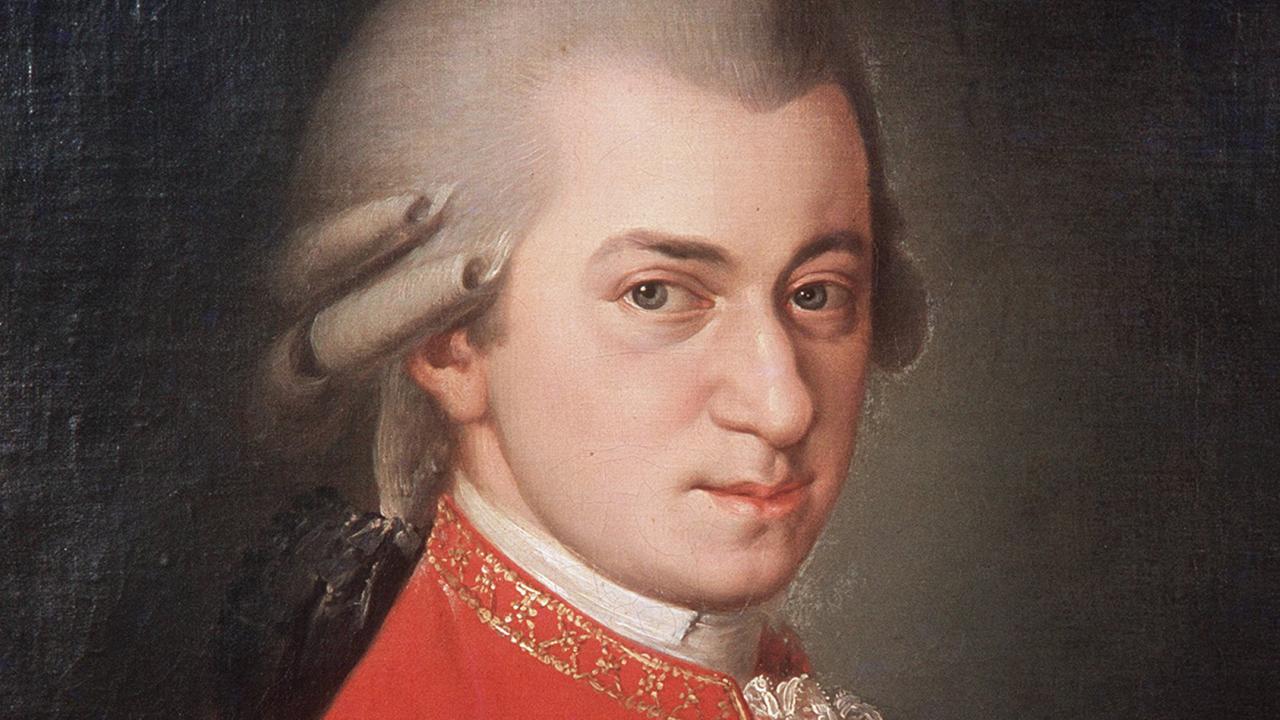
"This is not just a collection of notes; it is a primary source document that demystifies the transmission of his musical language," remarked one lead researcher at the Mozarteum. The fact that the notebook shows the collaborative efforts of Mozart and his student allows historians to map how the composer adapted his expectations based on the skill level of those he taught. It highlights a pragmatic, focused side of the composer that is often overshadowed by the mythos of his "divine inspiration."
Furthermore, the discovery underscores the importance of the French National Library’s vast, uncatalogued reserves. It raises the exciting possibility that other musical treasures remain buried in archives across Europe, waiting for the eyes of experts like François-Pierre Goy.
Official Responses and the Road Ahead
The reaction from the cultural sector has been one of universal acclaim. The Mozarteum Foundation has expressed its full support for the authentication, noting that the "stylistic integrity of the pieces is beyond question." The French Ministry of Culture has lauded the Bibliothèque nationale de France for its preservation efforts, stating that the manuscript will be a centerpiece of future exhibitions regarding 18th-century European music.
The musical world is now preparing for the "world premiere" of these pieces. Though they are historical in origin, they have never been heard by a modern audience. The pieces, which total approximately 20 minutes of music, have already been recorded by a select group of musicians specializing in 18th-century performance practice.
The first public performance is scheduled to take place this Sunday at the Bibliothèque nationale de France. The event is expected to be a sold-out affair, drawing scholars, critics, and enthusiasts from across the globe.
A Legacy Reclaimed
As the world waits to hear the sounds captured in these 44 pages, the discovery serves as a poignant reminder of the enduring nature of Mozart’s genius. Even a modest, unfinished notebook from a summer of teaching in Paris holds the power to captivate the modern imagination.
For a composer whose works have been analyzed, performed, and celebrated for over two centuries, this manuscript offers a unique gift: the opportunity to hear a "new" voice from an old master. It is a testament to the fact that even after 250 years, the story of Wolfgang Amadeus Mozart is still being written—or in this case, still being rediscovered.
As scholars continue to transcribe and analyze the nuances of the flute and harp compositions, the international community anticipates a new wave of scholarship focused on the specific pedagogical techniques employed by Mozart during his Parisian residency. The manuscript will soon be digitized, ensuring that musicians and historians worldwide can study the document, further cementing its place as one of the most important musical finds of the 21st century.
In the final analysis, the discovery is more than just a footnote in music history; it is an intimate bridge to the past, allowing us to sit beside the master as he guides a student through the complexities of the harp and the flute, turning a simple lesson into an enduring work of art.