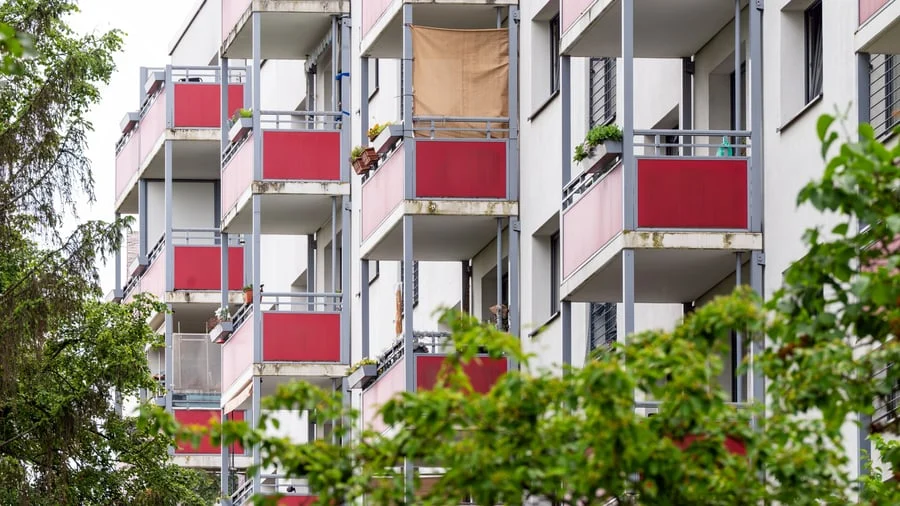
Berlin, Germany – June 22, 2024 – A significant and growing trend is reshaping Germany’s housing market: tenants are staying in their rental apartments for unprecedented lengths of time, with the average tenure now reaching 18 years. This phenomenon, which represents more than a doubling of the average tenancy duration over the past decade, is primarily driven by a deep-seated fear among renters of facing significantly higher costs should they attempt to move. A recent representative survey conducted by Allensbach, commissioned by the real estate group Heimstaden, sheds light on this escalating challenge, revealing that for over half of German households (52%), rent constitutes a "large or very large burden."
The findings paint a clear picture of a housing market under immense pressure, where the perceived security of an existing, comparatively cheaper rental contract outweighs the desire for mobility or a change in living situation. This "fear factor" has profound implications not only for individual households but also for the broader German economy, labor market dynamics, and social equity.
The Stagnation of Mobility: Key Findings and Main Facts
The core revelation of the Allensbach survey is the dramatic increase in tenant loyalty, or perhaps more accurately, tenant immobility. The average duration a German tenant remains in their apartment has climbed to an astonishing 18 years. This figure is more than twice what it was just ten years ago, highlighting a rapid transformation in rental patterns across the nation.
For many, this extended stay is not a matter of choice but necessity. The survey clearly indicates that the primary deterrent to moving is the apprehension of encountering substantially higher rental prices in the current market. With over half of respondents (52%) categorizing their rent as a "large or very large burden," the financial implications of seeking a new apartment are daunting. This sentiment underscores a widespread struggle to afford housing, even for those currently benefiting from older, more favorable contracts.
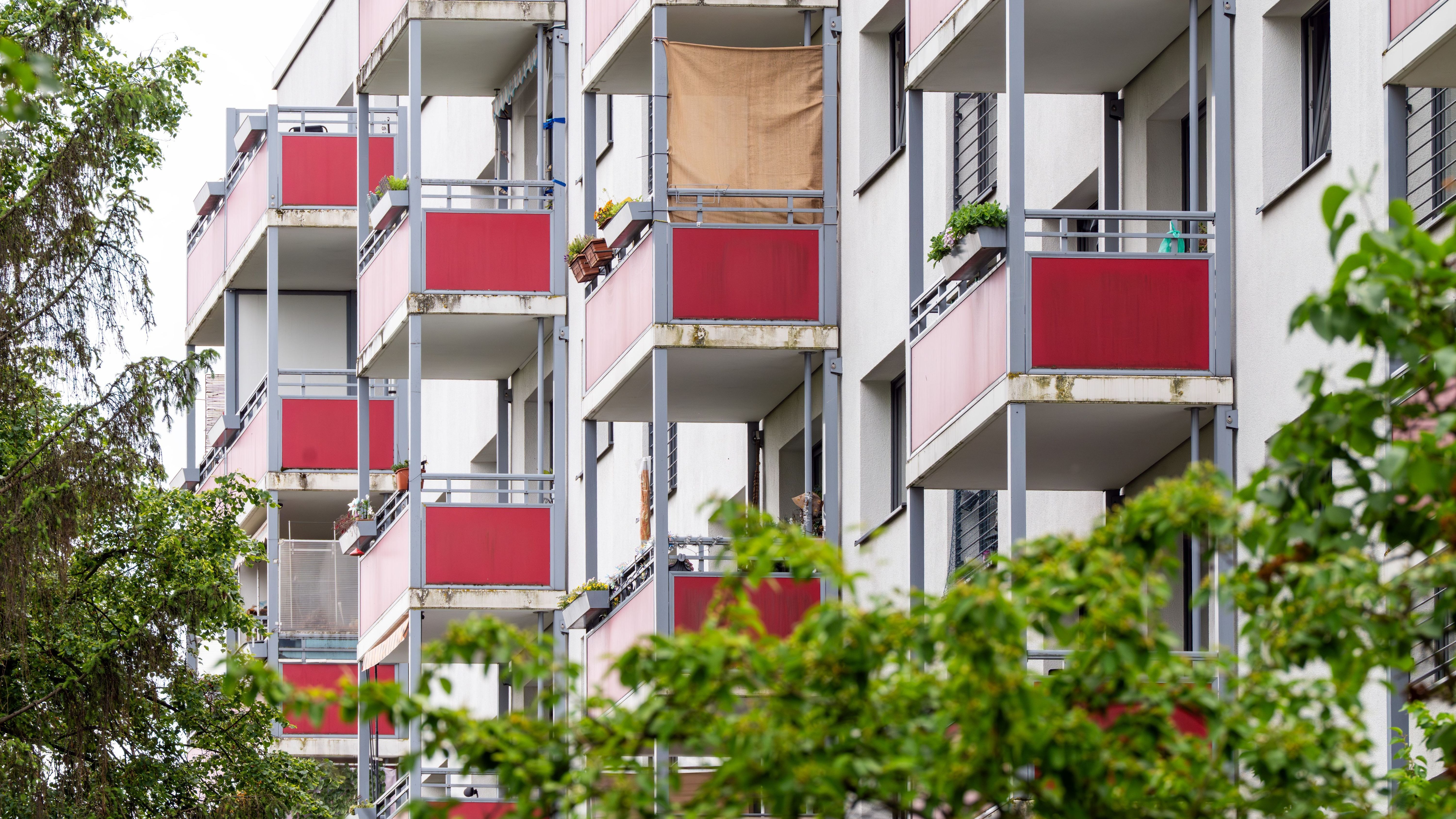
The study, commissioned by the prominent real estate firm Heimstaden, provides critical insights into the underlying anxieties shaping tenant behavior. It suggests that while existing tenants may, in some cases, see their rents rise slower than overall inflation, the prohibitive cost of entering a new rental agreement acts as a powerful anchor, trapping individuals and families in their current dwellings. This creates a stark dichotomy between the relatively stable housing costs for long-term residents and the exorbitant entry prices for new market participants.
A Decade of Diminishing Mobility: A Chronological Overview
The shift towards longer tenancies has not been sudden but rather a gradual intensification of a trend that began to accelerate over the last decade. Looking back to 2016, the housing market exhibited a significantly different profile: 40% of tenants had resided in their apartments for less than five years, indicating a much higher degree of residential mobility. Fast forward to today, and that figure has plummeted to a mere 26%. This reduction of nearly 15 percentage points in just eight years underscores a tightening grip on the rental market.
Conversely, the proportion of long-term tenants has expanded considerably. The survey reveals that 24% of German renters have now lived in the same apartment for 20 years or more. This represents a notable increase of six percentage points since 2019 alone, suggesting an accelerated trend in recent years. This growing segment of long-term residents benefits from what can be termed a "rent anchor effect," where their existing contracts, often subject to more moderate increases, shield them from the steep prices demanded by new rentals.
This chronological shift aligns with several broader economic and social developments in Germany. The period has been marked by sustained economic growth in the preceding years, leading to increased demand for housing, particularly in urban centers. Simultaneously, construction activity struggled to keep pace with this demand, exacerbated by rising land prices, material costs, and increasingly stringent building regulations, including those related to energy efficiency. More recently, the surge in inflation and interest rates has further complicated the housing landscape, making new construction more expensive and pushing prospective homebuyers back into the rental market, thereby intensifying competition and driving up rental prices for new contracts. The cumulative effect of these factors has been a steady erosion of housing affordability, making the prospect of moving an increasingly financially perilous endeavor for many.

The Economic Disparity: Supporting Data on Rents vs. Inflation
A crucial piece of supporting data from the Allensbach study highlights the economic rationale behind tenants’ reluctance to move: the divergence between the increase in existing rents and the overall rise in consumer prices. Over the past ten years, the warm rents (which include utility costs) for surveyed tenants in existing properties increased by an average of 20%, reaching approximately €807 per month. In stark contrast, general consumer prices in Germany surged by 28% over the same period.
This disparity reveals a critical "insider advantage" for long-term tenants. While their housing costs have risen, they have done so at a slower rate than the cost of living more broadly. This means that, comparatively, their existing rent represents a better value than what they would likely find on the open market today. This economic buffer is precisely what makes the idea of relocating so daunting. A new rental contract would almost certainly entail a significantly higher monthly outlay, erasing any relative financial benefit enjoyed in their current home.
Several factors contribute to the escalating cost of new rental agreements. Firstly, construction costs have soared, driven by increases in material prices, labor shortages, and rising regulatory burdens. This makes building new apartments, which could alleviate supply shortages, an increasingly expensive proposition. Secondly, land scarcity, particularly in desirable urban areas, pushes up property acquisition costs for developers. Thirdly, regulatory requirements, especially those mandating improved energy efficiency for new and renovated buildings, add substantial costs that are ultimately passed on to tenants through higher rents. Finally, the fundamental supply-demand imbalance in Germany’s most attractive cities and regions ensures that landlords can command higher prices for available units. When demand far outstrips supply, market forces naturally push prices upwards.
The German government’s "Mietpreisbremse" (rent brake) – a measure designed to cap rent increases in designated tight housing markets – has had a mixed impact. While it aims to prevent excessive rent hikes for new contracts, its effectiveness is often debated. Loopholes, lack of enforcement, and the general upward pressure on market rents mean that many new contracts still come at a premium, even in areas where the rent brake is theoretically in effect. This further contributes to the "fear of moving," as tenants perceive the protections offered by their existing contracts as more reliable than the uncertain benefits of new market regulations. The psychological and financial burden of housing costs is thus not just a statistical anomaly but a tangible reality shaping the lives and decisions of millions of German households.
Official Responses and the Ongoing Policy Debate
The persistent challenges in Germany’s housing market, particularly the escalating costs and the resultant tenant immobility, have not gone unnoticed by policymakers. The German government has set ambitious targets, notably aiming for the construction of 400,000 new housing units annually to alleviate the supply crunch. However, achieving these goals has proven exceedingly difficult, with various hurdles impeding progress.
Challenges in Policy Implementation:
- Bureaucracy: Lengthy planning and approval processes for new construction projects can delay developments for years, increasing costs and slowing down the delivery of new homes.
- Rising Costs: As highlighted by the survey, construction costs continue to climb due to material price inflation, labor shortages, and higher interest rates, making it less attractive for developers to invest, especially in affordable housing.
- Skilled Labor Shortage: The construction industry faces a deficit of skilled workers, further limiting the pace at which new housing can be built.
- Land Availability: Suitable and affordable land for development is scarce, particularly in high-demand urban areas, pushing up initial project costs.
Government Measures and Their Effectiveness:
Beyond construction targets, the government has explored and implemented various measures to tackle housing affordability:
- Mietpreisbremse (Rent Brake): Designed to limit rent increases for new contracts in tight housing markets. While intended to curb excessive hikes, its effectiveness is a subject of ongoing debate among experts and stakeholders. Critics argue it’s difficult to enforce and often circumvented.
- Social Housing Programs: Initiatives to increase the stock of publicly funded affordable housing are crucial, yet the scale of these programs often falls short of the immense demand.
- Subsidies and Incentives: Measures to encourage private developers to build affordable housing or to support individuals in purchasing homes.
Perspectives from Key Stakeholders:
The housing crisis sparks a lively and often contentious debate among different groups:

- Tenant Associations (e.g., Deutscher Mieterbund): Advocate vehemently for stronger tenant protections, stricter rent controls, and a massive expansion of social housing. They argue that the market alone cannot provide fair and affordable housing for all and demand political intervention to balance power dynamics between landlords and tenants. They highlight the human cost of rising rents and limited mobility.
- Landlord Associations (e.g., Haus & Grund Deutschland): Often argue against excessive regulation, stating that rent caps and strict tenant protections stifle investment in new construction and deter landlords from undertaking necessary renovations. They emphasize the rising costs of maintenance, energy efficiency upgrades, and property taxes, which they argue necessitate higher rents to ensure profitability and quality housing. They call for deregulation and incentives for building.
- Real Estate Industry (e.g., ZIA – Zentraler Immobilien Ausschuss): Generally supports increasing housing supply but stresses the need for more favorable investment conditions, reduced bureaucracy, and stable policy frameworks. They often point to the high regulatory burden and construction costs as primary obstacles to meeting housing demand.
- Economists: Offer a range of views. Some argue that rent controls can have unintended negative consequences, such as reducing the supply of rental housing or deterring maintenance, while others emphasize the need for market intervention to correct failures and ensure social equity. There’s a general consensus on the need for increased supply, but disagreement on the best mechanisms to achieve it.
The political debate is highly charged, reflecting the significant financial and social stakes involved. Finding a consensus that addresses both the urgent need for affordable housing and the economic viability of new construction and property management remains a formidable challenge for the German government.
Broader Implications for German Society and Economy
The trend of prolonged tenancy, fueled by the fear of rising rents, carries far-reaching implications that extend beyond individual households, touching the very fabric of German society and its economic dynamism.
Reduced Mobility and its Economic Impact
One of the most immediate consequences is the reduced labor market mobility. If individuals are reluctant to move due to prohibitive housing costs, they may be less willing to accept job opportunities in different cities or regions, even if those roles offer better career prospects or higher salaries. This can lead to a mismatch between available talent and employer needs, hindering economic growth and innovation. Companies might struggle to attract skilled workers to high-cost urban centers, while talent in less economically vibrant regions remains underutilized. This friction in the labor market can reduce overall economic dynamism and productivity.
Social Inequality and Generational Divides
The phenomenon also exacerbates social inequality. Long-term tenants, particularly older generations who secured contracts decades ago, benefit from relatively lower rents. In contrast, younger generations and new market entrants face significantly higher costs, making it harder for them to establish themselves, save money, or build wealth. This creates a stark generational divide in housing affordability, where access to desirable living spaces becomes increasingly difficult for those starting out. It can lead to feelings of injustice and disenfranchisement among younger cohorts, potentially fueling social tensions.

Urban Development and Infrastructure Strain
For urban areas, reduced housing turnover can lead to stagnation in urban development. If people stay put for decades, there’s less opportunity for neighborhoods to evolve naturally, or for housing stock to be efficiently matched with changing demographic needs (e.g., larger families needing bigger apartments, or older residents wanting to downsize). While existing communities are strengthened, the lack of movement can lead to underutilized larger spaces by single occupants or couples, while families struggle to find adequate housing. This also puts pressure on existing infrastructure, as populations grow in certain areas without corresponding housing turnover.
Investment Climate and Housing Supply
From an investment perspective, the situation presents a complex picture. While long-term tenants provide stable rental income for landlords, aggressive rent control measures or a perceived hostile regulatory environment can disincentivize new housing development. If investors fear that their returns will be capped or that their ability to adjust rents to market conditions will be severely restricted, they may choose to invest their capital elsewhere. This, paradoxically, can further worsen the supply shortage, perpetuating the very problem it seeks to solve. The balance between tenant protection and incentivizing investment is delicate.
Quality of Life and Mental Well-being
Beyond economics, the constant stress and anxiety associated with housing affordability take a toll on quality of life and mental well-being. The inability to move for work, family, or personal reasons can lead to feelings of being trapped. Living in unsuitable or overcrowded conditions because better alternatives are unaffordable impacts daily life, health, and family dynamics. This psychological burden is an often-underestimated aspect of the housing crisis.
Environmental Considerations
Finally, there are environmental implications. Older buildings, where many long-term tenants reside, are often less energy-efficient. While renovating them would improve their ecological footprint, the costs associated with such upgrades are substantial and, if passed on, would force existing tenants out or significantly increase their financial burden. This creates a dilemma: how to achieve climate goals in the housing sector without exacerbating the affordability crisis for existing tenants.

In essence, Germany’s rental paradox is not merely an economic statistic; it’s a multi-faceted challenge that impacts individual freedom, social cohesion, and the nation’s economic vitality.
The Road Ahead: Navigating Germany’s Housing Future
The insights from the Allensbach survey underscore a critical juncture for Germany’s housing market. The growing immobility of tenants, driven by a rational fear of significantly higher new rents, highlights a fundamental imbalance between housing supply and demand, exacerbated by rising costs and a complex regulatory environment. The average 18-year tenancy is a stark indicator of a market under stress, where the perceived security of an old contract trumps the desire for change or career advancement for many.
Moving forward, addressing this complex issue will require a multi-pronged, comprehensive, and sustained effort. There is no single silver bullet, but rather a need for integrated strategies that tackle both the supply side and affordability concerns.
Key areas for future focus include:

- Accelerating Housing Construction: While challenging, streamlining planning processes, providing targeted incentives for developers, and investing in modular or prefabricated construction methods could help increase the pace of new builds, particularly affordable housing units. This requires close cooperation between federal, state, and municipal governments.
- Rethinking Regulatory Frameworks: A careful review of building codes, energy efficiency mandates, and rent control mechanisms is necessary. The goal should be to find a balance that ensures quality and sustainability without imposing prohibitive costs that are ultimately passed on to tenants or stifle investment. Simplifying bureaucracy for renovations and new construction is paramount.
- Strengthening Social Housing: A significant expansion of public and cooperative housing initiatives is essential to provide genuinely affordable options for those most in need, thereby reducing pressure on the private rental market. This requires sustained public funding and commitment.
- Promoting Transparency and Fair Practices: Enhancing transparency in rental pricing and ensuring robust enforcement of existing tenant protection laws can help build trust and mitigate some of the "fear factor" associated with seeking new housing. This includes clearer rules around rent adjustments and renovation-related rent increases.
- Addressing the "Rent Anchor" Dilemma: A deeper societal discussion is needed on how to manage the growing disparity between long-term and new tenancy costs. This might involve exploring models that encourage mobility without penalizing existing tenants, or creating mechanisms that slowly adjust older rents towards market averages over extended periods, coupled with social support for those who would be unduly burdened.
- Fostering Regional Development: Policies that promote economic growth and create attractive living and working conditions in smaller cities and rural areas could help de-concentrate demand from overcrowded urban centers, thereby alleviating pressure on their housing markets.
Germany’s housing market is at a crossroads. The current trend of extended tenancies, while providing stability for some, ultimately hampers individual freedom, economic mobility, and social equity. Navigating this future will require political courage, innovative solutions, and a collaborative spirit among all stakeholders to ensure that adequate and affordable housing remains a cornerstone of German society, not a luxury. The imperative is clear: to transform the current paradox into a sustainable and equitable housing reality for all.