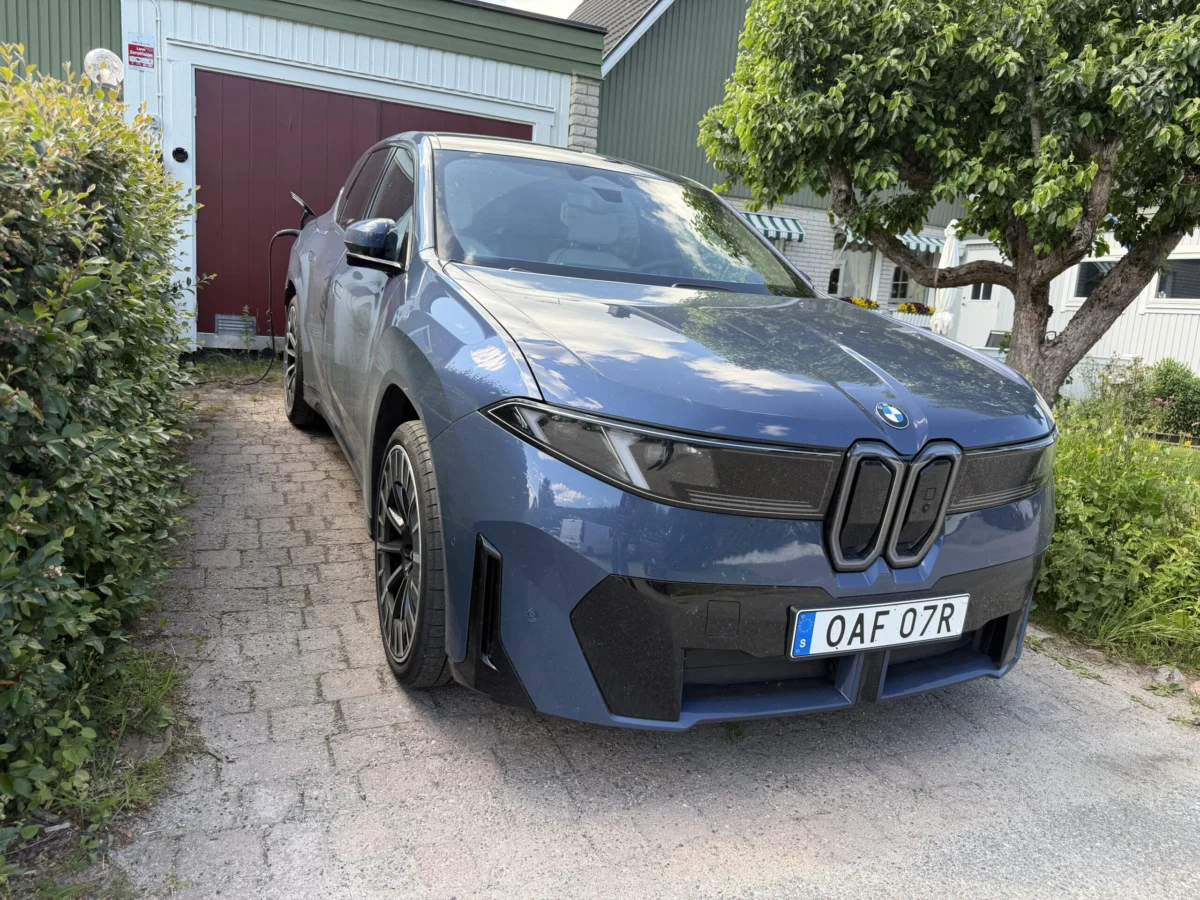
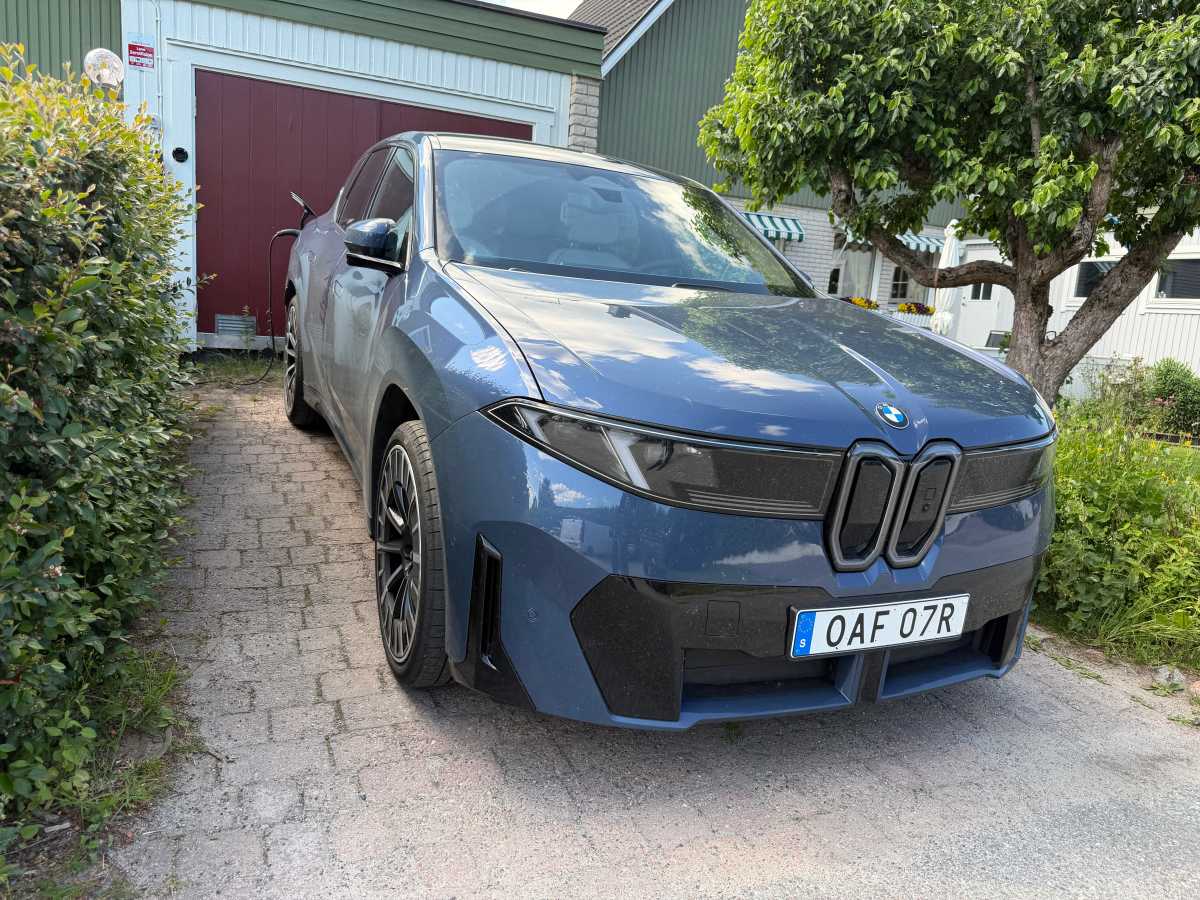
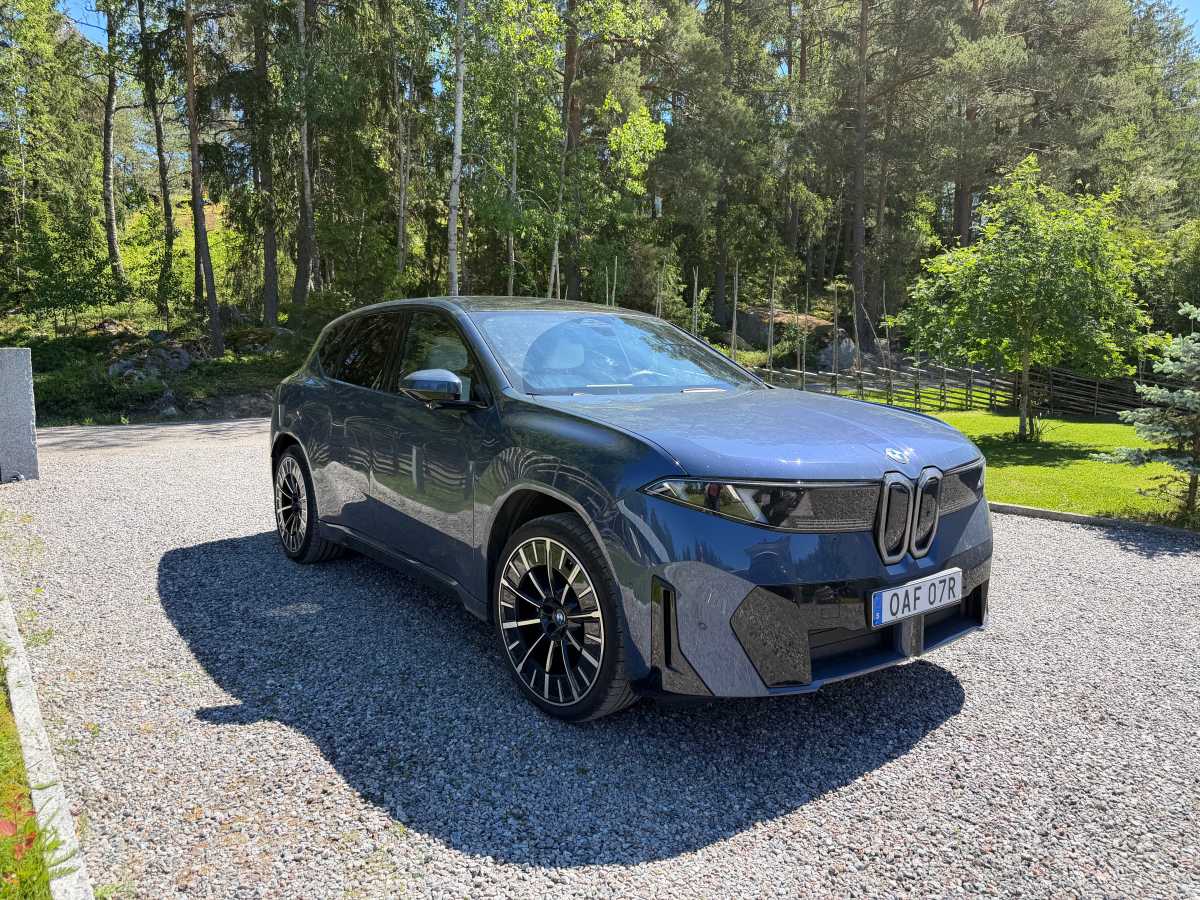
For years, BMW has teased the industry with promises of a transformative era—the "Neue Klasse" (New Class). This isn’t just a marketing slogan; it is the fundamental architectural shift that will define the Bavarian automaker’s trajectory for the coming decade. The wait is finally over, and the new BMW iX3 50 xDrive serves as the spearhead for this electric revolution. Having already proven its mettle by dominating range-based endurance tests in the challenging climate of Norway, the iX3 is not merely an incremental update; it is a declaration of intent.
Main Facts: Redefining the Electric SUV
The BMW iX3 50 xDrive sits at the intersection of traditional driving dynamics and cutting-edge battery technology. Built on a clean-sheet EV platform, the vehicle moves away from the compromises of previous electrified internal combustion models.

At its heart lies a massive 108.7 kWh (net) battery pack, powering a dual-motor all-wheel-drive system that produces a formidable 345 kW (463 hp) and 645 Nm of torque. This allows the SUV to sprint from 0 to 100 km/h in just 4.9 seconds. Perhaps more impressive than its raw speed is its charging architecture. With a class-leading 800-volt system, the iX3 supports DC fast charging at up to 400 kW, effectively slashing downtime on long-distance journeys.
Positioned as a premium contender starting at 70,900 Euro, the iX3 50 xDrive is designed to appeal to the driver who demands the heritage of a BMW—sharp handling and communicative steering—without sacrificing the efficiency required for modern electric travel.
A Chronology of the "Neue Klasse" Development
The journey to the iX3 began with BMW’s strategic pivot away from a "one-size-fits-all" chassis approach.
- Initial Concept Phase: BMW began socializing the "Neue Klasse" concept as early as 2021, focusing on a software-first approach and 800-volt electrical architectures.
- Engineering Validation (2024-2025): The platform underwent rigorous testing in extreme climates, including the sub-zero temperatures of Scandinavia, where the battery thermal management systems were refined to ensure optimal range retention.
- Public Debut (2026): The official launch of the iX3 50 xDrive marked the first commercial deployment of the platform.
- Real-World Validation (June 2026): Independent testing and media reviews, including the recent long-range analysis from our colleagues at M3, confirmed that the real-world efficiency figures align with the ambitious WLTP projections of 15.1–17.9 kWh/100 km.
Supporting Data and Performance Analysis
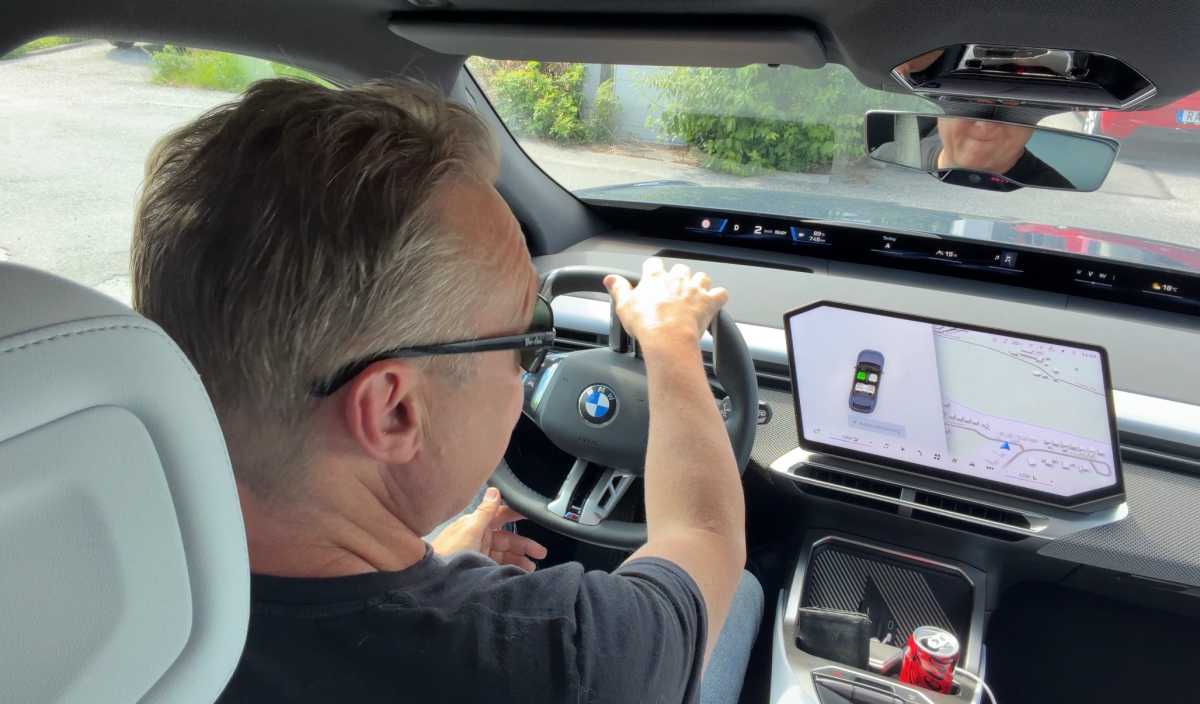
The true test of any electric vehicle is how it handles the "range anxiety" threshold. In real-world testing, the iX3 exceeded expectations. On a round-trip route between Stockholm and Örebro, the vehicle arrived home with nearly 40 percent of its battery remaining, having required no charging stops. This suggests a realistic summer range of approximately 650 kilometers on highway terrain.
Technical Specifications
- Motor Configuration: Dual Electric Motors (xDrive)
- Total Power: 345 kW / 645 Nm
- Battery Capacity: 108.7 kWh (Net)
- Charging: 400 kW DC fast-charging; 11 kW AC (22 kW optional)
- Bidirectional Capabilities: V2L (up to 3.7 kW), V2H, and V2G enabled
- Performance: 0-100 km/h in 4.9s; Top Speed 210 km/h
The data indicates that the iX3 is optimized for high-speed cruising. However, it is not without its limitations. While the drivetrain is world-class, the cabin environment shows that BMW prioritized sporty road feedback over absolute isolation. At speeds above 90 km/h, road and wind noise are more perceptible than in direct competitors like the Mercedes EQE SUV, which utilizes advanced air suspension to "float" over imperfections. The iX3’s suspension is tuned for engagement, a deliberate choice that rewards the driver but may alienate those seeking a "cloud-like" luxury experience.
The Digital Cockpit: Innovation vs. Ergonomics
BMW has introduced the "Panoramic Vision" display, an interface that projects essential information across the entire lower edge of the windshield. It is a masterful piece of design—intuitive, highly readable, and so effective that it renders the traditional head-up display almost redundant.
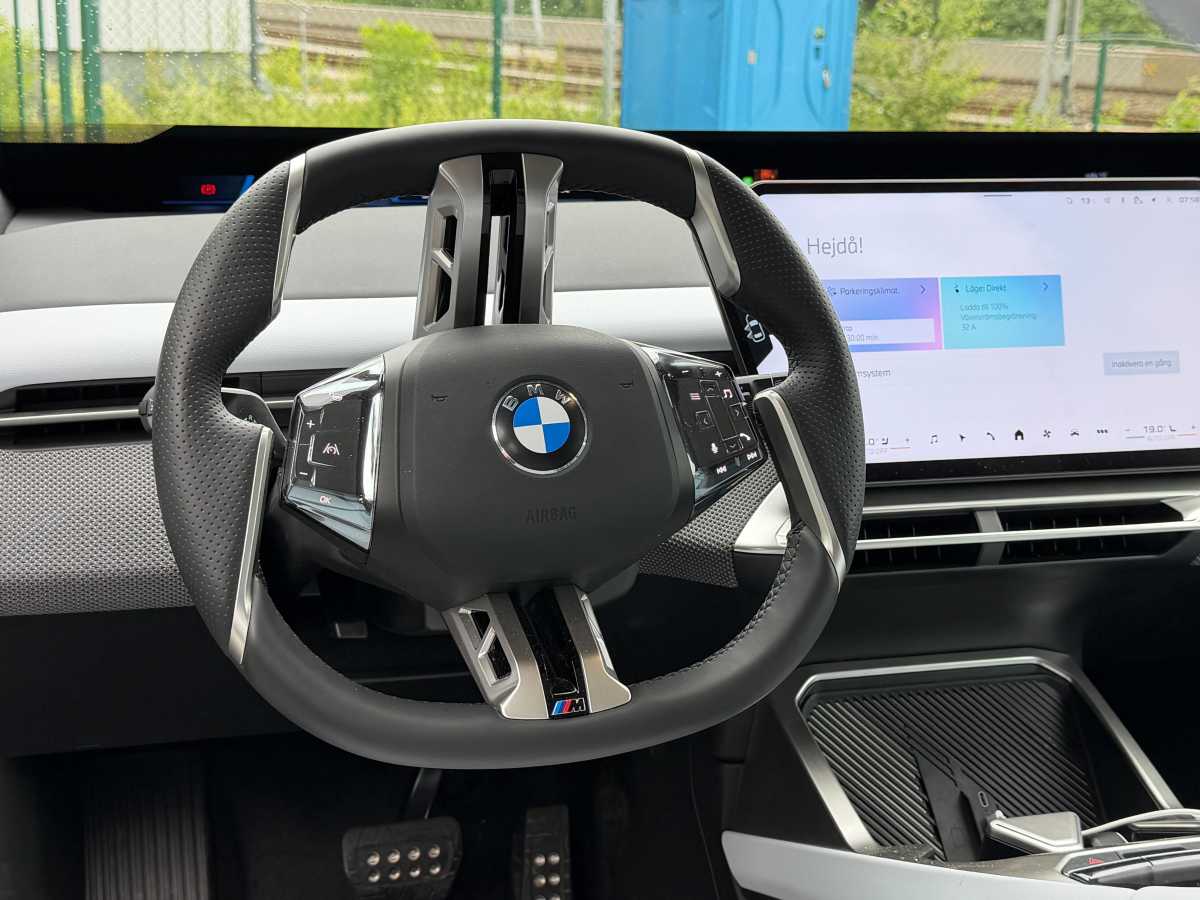
However, the pursuit of a minimalist, "purist" aesthetic has led to some questionable design decisions. Most climate control and vehicle settings are now buried deep within digital menus. The absence of physical buttons—even for basic adjustments—can create friction during daily use. Furthermore, the steering wheel’s button layout, while aesthetically striking, lacks the tactile clarity that drivers have come to expect from BMW’s previous generations.
Official Responses and Implications
BMW characterizes the "Neue Klasse" as a "digital experience first" vehicle. While the company acknowledges the feedback regarding physical controls, they maintain that the software-defined nature of the car allows for constant over-the-air (OTA) improvements.
The implications of this launch are significant for the automotive industry:
- Standardization of 800V Architecture: By bringing 400 kW charging to the premium SUV segment, BMW is forcing competitors to accelerate their transition from 400V to 800V systems.
- The Death of Range Anxiety: With a reliable 600km+ range, the iX3 proves that the battery technology has finally reached a point where the car fits the lifestyle, rather than the lifestyle fitting the car’s charging needs.
- The Challenge of Software Complexity: The reports of occasional system glitches—such as temporary screen blackouts or sensor errors—serve as a cautionary tale. As vehicles become "computers on wheels," reliability shifts from mechanical durability to software stability.
Final Assessment: A New Benchmark for Drivers
The BMW iX3 50 xDrive is not a perfect vehicle, but it is an undeniably compelling one. It occupies a unique space in the market: it is a high-tech, long-range cruiser that still remembers how to put a smile on the driver’s face in a winding mountain pass.
Pros:
- Range: Exceptional real-world battery efficiency that effectively eliminates range anxiety.
- Charging Speed: The 400 kW capability is currently at the absolute zenith of the industry.
- Driving Dynamics: Steering precision and chassis agility remain distinctly "BMW."
- Panoramic Vision: A genuinely innovative leap forward in interface design.
Cons:
- Ergonomics: The lack of physical buttons makes routine tasks unnecessarily complex.
- Cabin Noise: Higher NVH (Noise, Vibration, and Harshness) levels compared to the segment’s comfort-oriented leaders.
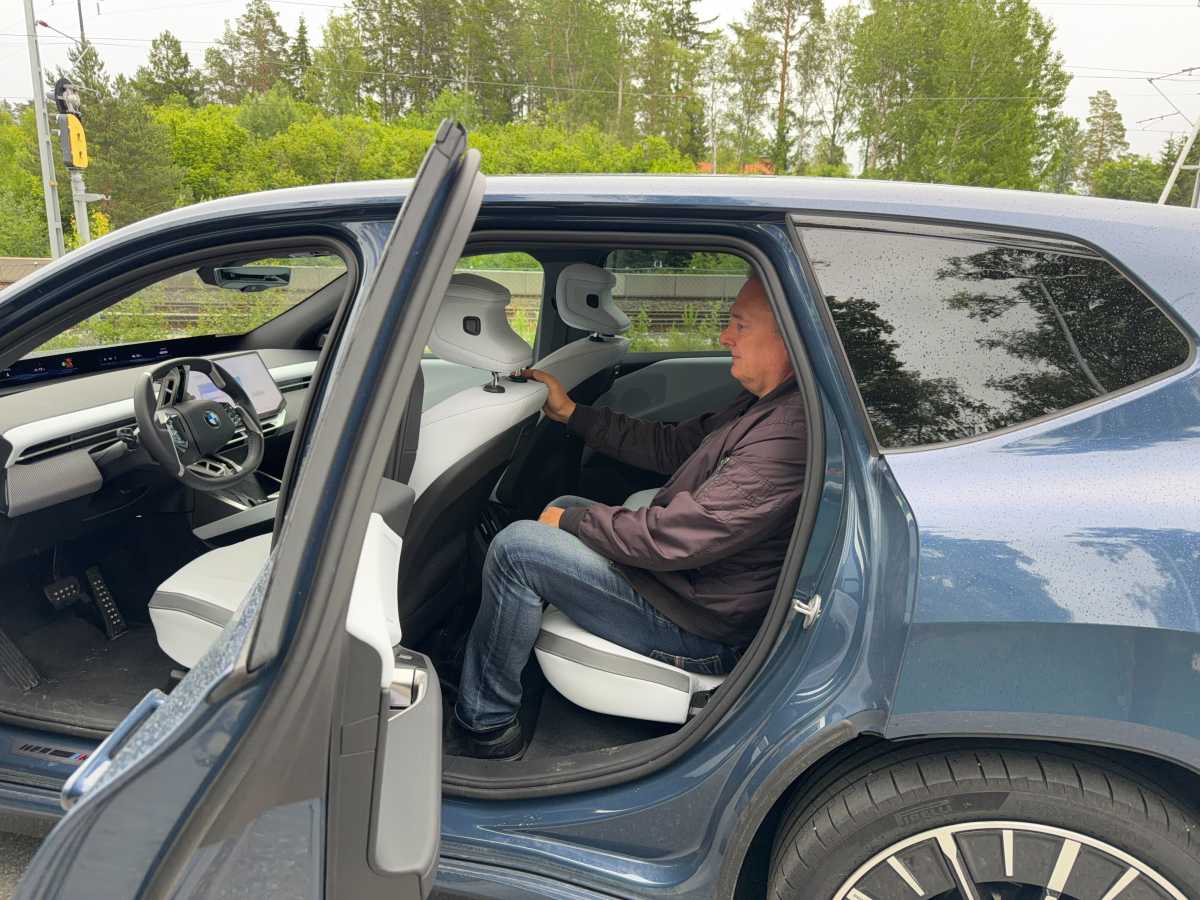
- Storage Utility: Despite the vehicle’s size, interior storage (center console) and trunk space feel underdeveloped for a luxury SUV.
Ultimately, the iX3 50 xDrive succeeds because it refuses to be just another "appliance" EV. It acknowledges the need for electrification while holding onto the core tenets of the BMW brand: performance, responsiveness, and a direct connection between the road and the driver. For those who want the future of mobility without feeling like they are driving a dull gadget, the iX3 is arguably the most interesting choice in the current market. As BMW continues to refine the "Neue Klasse" software, the minor irritations of today will likely fade, leaving behind a truly formidable machine.