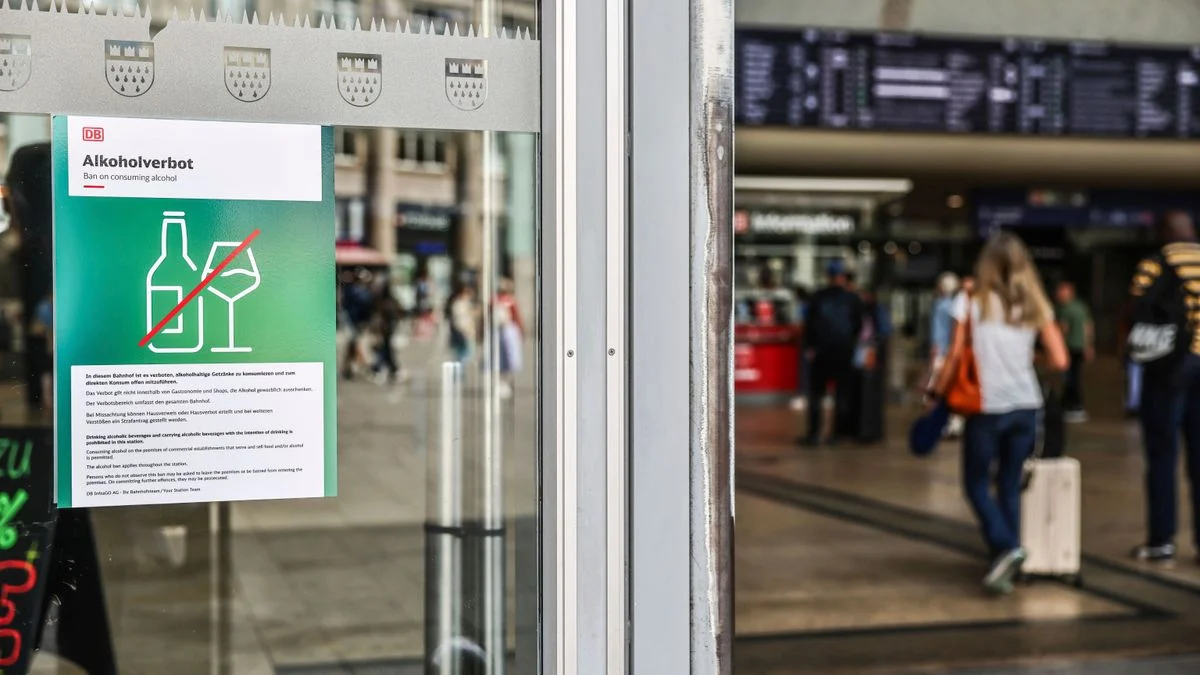

Paris, France – June 22, 2026 – The French government has enacted stringent emergency measures, including a ban on alcohol consumption in public spaces across several regions, as the nation braces for an unprecedented heatwave. With temperatures projected to soar above 41 degrees Celsius in the coming days, authorities are taking proactive steps to mitigate severe health risks and prevent a public health crisis. The comprehensive response also includes the closure of hundreds of schools and urgent appeals for vigilance from the highest levels of government.
The directive, announced today, comes as multiple départements have been placed under the highest heat warning level since yesterday midday, signaling a critical threat to public health and safety. This marks a significant escalation in the government’s strategy to combat the intensifying climatic conditions, reflecting a deep-seated concern following past devastating heatwave events.
Beyond the public alcohol ban, the escalating crisis has forced the cancellation of numerous celebrations for the traditional "Fête de la Musique" (Music Day) in affected areas, disrupting cherished cultural gatherings. Furthermore, more than 800 primary and secondary schools across the country remain closed today, prioritizing the safety of students and staff amidst unmanageable indoor temperatures.
President Emmanuel Macron issued a solemn call to the nation, urging citizens to exercise extreme caution and demonstrate solidarity. "We must be vigilant, above all, for our children, our elderly, and those who are isolated or vulnerable," Macron stated, emphasizing the collective responsibility to protect the most susceptible members of society. In a related advisory, Jean Castex, the head of the national railway company SNCF, recommended that at-risk individuals avoid train travel, highlighting the potential for discomfort and health hazards in crowded, un-airconditioned carriages or due to potential infrastructure disruptions.
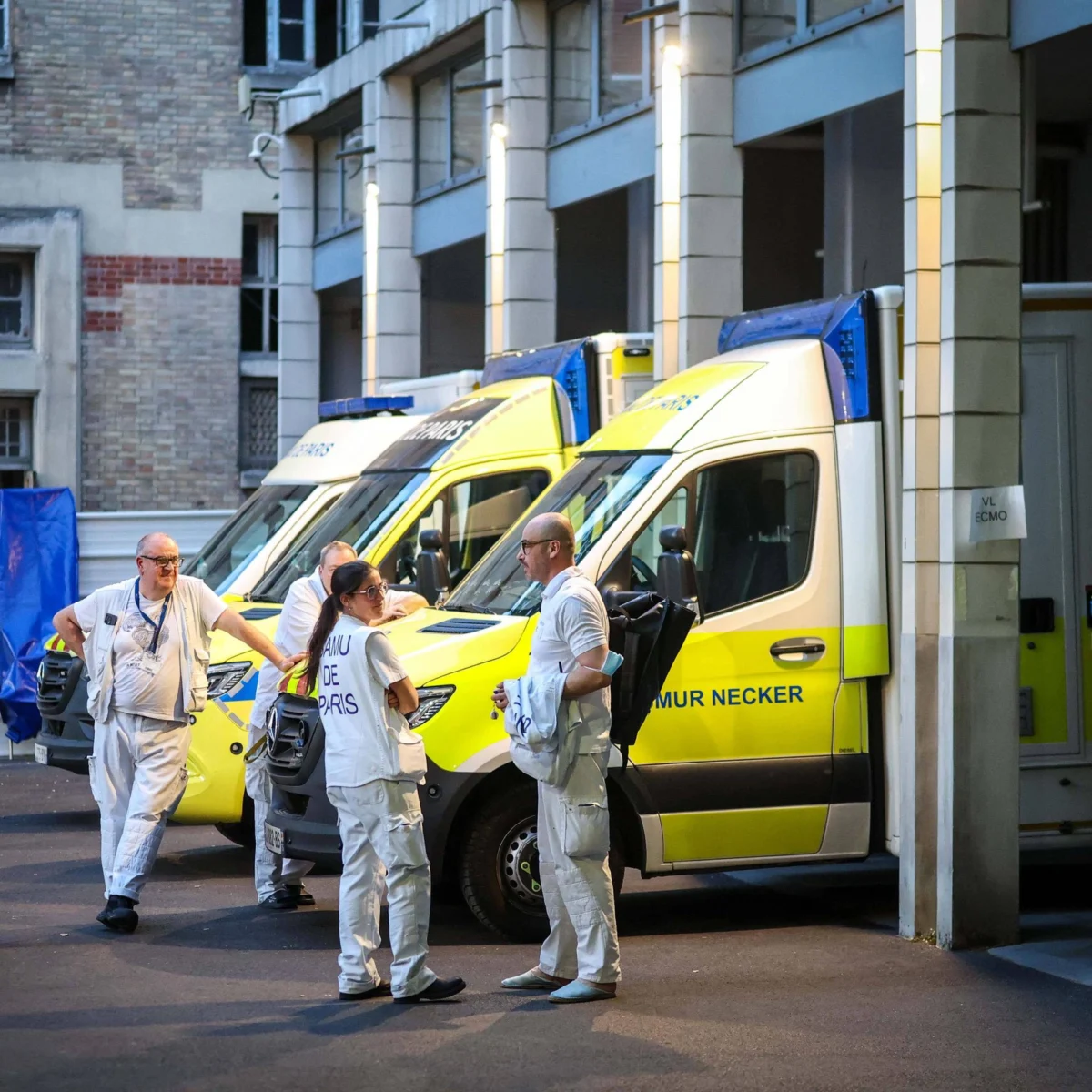
The national meteorological service, Météo-France, paints a grim picture for the immediate future, forecasting continued temperature increases that are expected to push mercury levels beyond the 41-degree mark. Emergency services, exemplified by the state emergency medical service for Paris, SAMU 75, are on high alert, with staff depicted in images preparing for deployments, underscoring the gravity of the impending crisis. This news was originally broadcast by Deutschlandfunk on June 22, 2026.
A Chronology of Escalation: From Warnings to National Emergency
The current heatwave gripping France is not an isolated incident but the culmination of a rapidly deteriorating meteorological situation, which authorities have been tracking with growing concern. The proactive, yet increasingly drastic, measures taken by the government reflect a heightened state of preparedness refined over years of grappling with increasingly frequent and intense summer heat.
Rapid Deterioration of Weather Conditions
The genesis of the current crisis can be traced back several days, as Météo-France began issuing initial yellow-level warnings for high temperatures across western and southern France. These advisories highlighted a building anticyclonic system drawing hot air masses from the Iberian Peninsula and North Africa, creating a "heat dome" effect over much of Western Europe. As the week progressed, forecasts consistently indicated a northward and eastward progression of extreme heat, with models showing sustained high temperatures.
By yesterday midday, the situation had escalated significantly. Numerous départements, particularly those in the central and southwestern regions, were upgraded to an orange alert, signifying a serious threat. Shortly thereafter, the most critical areas were moved to a red alert – the highest level – indicating an "absolute danger" and requiring immediate, decisive action. This rapid transition underscored the exceptional nature of the heatwave, prompting the government to implement emergency protocols almost immediately.
The decision to impose an alcohol ban and close schools today, June 22, 2026, directly follows this escalation to the red alert level. These measures are not merely reactive but are part of a pre-established national heatwave plan designed to protect the population once specific meteorological thresholds are breached. The timing of these interventions aims to preempt the anticipated peak of the heatwave, which Météo-France predicts will occur in the coming days, with the most intense heat expected to persist through the middle of the week. This proactive approach seeks to minimize hospitalizations and fatalities, drawing crucial lessons from past public health crises caused by extreme heat.
Preemptive Actions and Public Advisories
Prior to the current bans and closures, French authorities, led by the Ministry of Health and the Ministry of Interior, had already initiated extensive public awareness campaigns. These efforts utilized television, radio, and digital platforms to disseminate crucial advice: stay hydrated, seek shade, avoid strenuous activity, and check on vulnerable neighbours. Local prefectures were instructed to activate departmental heatwave plans, which include opening "cooling rooms" in public buildings, distributing water, and mobilizing social services to reach isolated individuals.
Météo-France plays a pivotal role in this system, providing real-time data and forecasts that inform governmental decisions. Their sophisticated warning system, developed and refined since the devastating 2003 heatwave, categorizes threats from yellow (be vigilant) to orange (be prepared) to red (absolute danger, take immediate action). The current red alert triggers a cascade of pre-planned responses, including the executive orders for public bans and service disruptions, demonstrating a robust, if challenging, framework for crisis management. The swiftness with which these measures have been implemented reflects both the severity of the forecast and the institutional learning from previous heat-related emergencies.
The Science and Social Cost of Extreme Heat
The current heatwave is more than just a period of uncomfortable weather; it represents a significant meteorological event with profound physiological and societal consequences. Understanding the underlying science and the broad spectrum of its impacts is crucial for appreciating the necessity of the government’s stringent response.
Understanding the Meteorological Phenomenon
The extreme temperatures currently affecting France are primarily driven by a powerful anticyclonic system, commonly referred to as a "heat dome," that has settled over Western Europe. This high-pressure system acts like a lid, trapping hot air near the surface and preventing it from rising and dissipating. The air mass itself originates from the Sahara Desert, carrying exceptionally dry and hot conditions across the Mediterranean. As this air moves over land, it undergoes further compression and heating, leading to a dramatic rise in ground temperatures.
France’s geography, particularly its central and southern plains, makes it susceptible to such phenomena. The lack of significant oceanic influence in these inland regions allows temperatures to build up rapidly and persist for extended periods. Furthermore, the urban heat island effect, where cities with their concrete and asphalt surfaces absorb and radiate heat, exacerbates the problem, making urban centers like Paris particularly vulnerable to extreme temperatures. The current forecast indicates a sustained period of these conditions, with minimal overnight cooling, which is critical for the human body to recover from daytime heat exposure.
Profound Health Risks and Alcohol’s Role
The primary concern during a heatwave of this magnitude is the acute risk to human health. Prolonged exposure to high temperatures can overwhelm the body’s natural thermoregulation mechanisms, leading to a range of heat-related illnesses, from heat exhaustion to the life-threatening heatstroke. Symptoms include severe dehydration, dizziness, nausea, confusion, and in extreme cases, organ failure and death. Individuals with pre-existing cardiovascular, respiratory, or kidney conditions are particularly vulnerable, as their bodies struggle more to cope with the added strain.
The government’s decision to ban alcohol consumption in public spaces is a direct response to the physiological dangers alcohol poses in hot weather. Alcohol is a diuretic, meaning it increases urine production and accelerates fluid loss, thereby exacerbating dehydration. It also causes vasodilation, widening blood vessels and increasing blood flow to the skin, which can initially feel cooling but ultimately puts additional strain on the cardiovascular system and hinders the body’s ability to regulate core temperature effectively. Moreover, alcohol can impair judgment, making individuals less likely to recognize symptoms of heatstroke or take appropriate protective measures, such as seeking shade or rehydrating with water. This combination of factors significantly increases the risk of heat-related illness, justifying the extraordinary public health measure. The strain on healthcare providers, such as SAMU 75, is immense, as emergency calls for heat-related illnesses surge, stretching resources thin and potentially delaying responses to other critical emergencies.
Broader Societal and Economic Repercussions
Beyond immediate health concerns, extreme heatwaves inflict a broad range of societal and economic repercussions. Infrastructure, built for temperate climates, struggles under the strain. Roads can buckle, railway tracks can deform, leading to speed restrictions, delays, and cancellations, as recommended by SNCF head Jean Castex. Power grids face increased demand from air conditioning units, risking blackouts, while water supplies can become scarce, particularly in agricultural regions already experiencing drought conditions.
Economically, several sectors are severely impacted. Agriculture suffers from crop damage and livestock stress. Tourism, a cornerstone of the French economy, sees a downturn as visitors avoid outdoor activities and seek refuge indoors, or even postpone travel. Outdoor construction and other manual labor industries are forced to reduce hours or halt operations to protect workers, leading to productivity losses. Socially, the heatwave exacerbates inequalities; vulnerable populations, including the elderly, the homeless, and those without adequate cooling in their homes, bear the brunt of the crisis. The disruption to cultural events like the "Fête de la Musique" also represents a significant social and economic loss, affecting artists, vendors, and community cohesion.
Official Responses and Strategic Mobilization
The French government’s response to the escalating heatwave demonstrates a well-orchestrated, albeit challenging, mobilization of state resources and authority. The measures taken reflect a coordinated effort across various ministries, aimed at safeguarding public health and maintaining essential services.
Government Directives and Presidential Appeals
At the apex of the crisis response, President Emmanuel Macron’s direct appeal for vigilance underscored the national urgency. His message emphasized not only individual responsibility but also collective solidarity, urging citizens to look out for their neighbours, especially the elderly, isolated, and infirm. This top-down communication strategy is crucial for fostering public compliance and ensuring that the most vulnerable receive necessary assistance.
Beneath the presidential directives, the Prime Minister, in coordination with the Health Minister and the Interior Minister, holds the executive authority to implement emergency measures. The public alcohol ban, for instance, is likely enacted through a prefectural decree – préfets, who are the state’s representatives in each département, have significant powers to implement national directives and tailor them to local conditions. This decentralized implementation allows for flexibility while ensuring adherence to overarching national strategy. The Ministry of Health also issues detailed public health guidelines, outlining precautions, identifying symptoms of heat-related illness, and directing citizens to appropriate resources. The Interior Ministry, meanwhile, coordinates emergency services and ensures public order during the crisis.
Emergency Services and Healthcare Preparedness
The image of SAMU 75 staff preparing for deployments is emblematic of the heightened state of readiness across France’s emergency services. The Service d’Aide Médicale Urgente (SAMU) is the national emergency medical service, responsible for coordinating urgent medical care. During heatwaves, their call volumes typically surge dramatically, primarily for heatstroke, dehydration, and the exacerbation of chronic conditions. Hospitals, too, activate their emergency plans, increasing staffing, ensuring adequate supplies of intravenous fluids, and preparing designated "cooling rooms" for patients suffering from hyperthermia.
Beyond acute care, public health agencies are critical in prevention. They manage a network of "cooling centers" – air-conditioned public spaces like libraries, community halls, and museums – where individuals without access to cool environments can find refuge. These agencies also coordinate outreach programs, particularly for vulnerable populations, ensuring they receive regular check-ins, hydration, and guidance on staying safe. These proactive measures are designed to reduce the burden on acute care facilities, which can quickly become overwhelmed during severe heat events.
Disruptions Across Key Sectors
The heatwave has caused significant disruptions across several critical sectors, reflecting the profound impact of extreme weather on daily life.
In education, the closure of over 800 primary and secondary schools is a direct response to the inability of many school buildings, particularly older ones, to cope with extreme heat. Without adequate air conditioning or proper insulation, classrooms can quickly become unsafe for children, who are more susceptible to heatstroke and dehydration than adults. The decision prioritizes student and staff safety, though it poses challenges for working parents who must arrange alternative childcare. Educational authorities are likely exploring remote learning options or extending the academic year to compensate for lost instruction time, depending on the duration of the closures.
The transport sector, particularly rail, faces unique challenges. SNCF CEO Jean Castex’s recommendation for at-risk groups to avoid train travel highlights the operational difficulties. High temperatures can cause steel railway tracks to expand and buckle, necessitating speed restrictions to prevent derailments. This leads to delays and cancellations, disrupting commuter and long-distance travel. Furthermore, older train carriages may lack effective air conditioning, making journeys uncomfortable and potentially dangerous for vulnerable passengers. SNCF also implements measures to monitor tracks and overhead lines for heat-related damage, deploying specialized teams for rapid repairs.
In the culture and leisure domain, the cancellation of parts of the "Fête de la Musique" is a significant blow. This annual celebration, which typically sees musicians and revelers fill public spaces across France, relies heavily on outdoor gatherings. The alcohol ban, coupled with the health risks of large crowds in extreme heat, made many planned events untenable. Other outdoor festivals, sporting events, and public gatherings are also being curtailed or postponed, impacting local economies and public morale. This illustrates the trade-off between public safety and the social and economic vibrancy of a nation.
Long-Term Implications and the Climate Change Imperative
The current heatwave in France is not an isolated meteorological event but a stark reminder of the broader challenges posed by a warming planet. The frequency, intensity, and duration of such extreme weather phenomena are increasing, compelling France, like many other nations, to confront the long-term implications and accelerate its climate adaptation strategies.
Adapting to a Warmer Future
Looking beyond the immediate crisis, France faces the imperative to adapt its infrastructure, urban planning, and public health systems to a future characterized by more frequent and severe heatwaves. Urban planning initiatives are crucial, focusing on increasing green spaces, planting more trees for shade, and incorporating water features into city designs. Reflective surfaces on buildings and roads can help mitigate the "urban heat island" effect. Building codes may need to be updated to require better insulation and cooling systems, especially in schools and public buildings.
Infrastructure resilience is another critical area. Energy grids must be hardened to withstand peak demand and extreme temperatures, perhaps through smart grid technologies and diversified energy sources. Transport networks require upgrades to cope with track deformation and other heat-related stresses. Water management strategies must evolve to ensure supply during prolonged droughts that often accompany heatwaves. Public awareness campaigns will need to become a permanent feature, educating citizens on sustainable cooling practices and personal resilience strategies.
A Recurring Challenge: Learning from Past Crises
France’s current robust response system is a direct legacy of the catastrophic 2003 heatwave, which claimed an estimated 15,000 lives, predominantly among the elderly. That crisis exposed critical deficiencies in public health infrastructure and emergency response protocols. In its aftermath, the French government instituted a comprehensive national heatwave plan, including the multi-tiered Météo-France alert system, the creation of cooling centers, and a national registry of vulnerable individuals for proactive outreach.
Each subsequent major heatwave, including those in 2019 and the current one, serves as a test of this evolving system and provides invaluable lessons. The decision to impose public alcohol bans and extensive school closures reflects a continuous refinement of these strategies, demonstrating a willingness to implement more aggressive measures when forecasts indicate exceptional danger. This ongoing learning process is vital for minimizing future casualties and adapting public health strategies to a changing climate.
The Urgency of Climate Action
Ultimately, the escalating frequency and intensity of heatwaves like the one currently afflicting France underscore the urgent need for global climate action. While adaptation measures are essential for managing the immediate impacts, mitigation efforts – reducing greenhouse gas emissions – are paramount for addressing the root cause of these phenomena. Scientific consensus unequivocally links the increase in extreme weather events to anthropogenic climate change.
France, as a signatory to the Paris Agreement and a proponent of ambitious climate policies, faces the dual challenge of protecting its citizens from current climate impacts while also contributing to global efforts to limit warming. This involves investing in renewable energy, promoting energy efficiency, transitioning to sustainable transport, and protecting natural carbon sinks. The current heatwave serves as a powerful, visceral reminder that climate change is not a distant threat but a present reality, demanding immediate and sustained action from governments, industries, and individuals worldwide. The measures taken today are not just about surviving a heatwave; they are about preparing for a future where such events may become the norm, reinforcing the critical imperative for both local resilience and global environmental stewardship.