In the fast-paced world of beverage trends, the leap from the traditional morning espresso to a refined, shelf-stable, and highly concentrated liquid gold has been shorter than most baristas anticipated. As we approach the summer of 2026, a new contender has emerged to challenge the reign of the Aperol Spritz and the Cold Brew tonic: the hyper-concentrated coffee essence.
Marketed as a versatile base for everything from sophisticated cocktails to quick-fix iced lattes, this product has sparked a heated debate among connoisseurs and casual drinkers alike. Is it a revolutionary leap in convenience, or is it a culinary betrayal of the bean?
Main Facts: The Rise of the "Barista-in-a-Bottle"
The core of this trend lies in a new generation of coffee concentrates produced using advanced vacuum-distillation and cold-press extraction techniques. Unlike the instant coffee granules of the past—often maligned for their burnt, metallic aftertaste—these 2026-era concentrates aim to capture the volatile aromatic compounds usually lost in standard brewing.
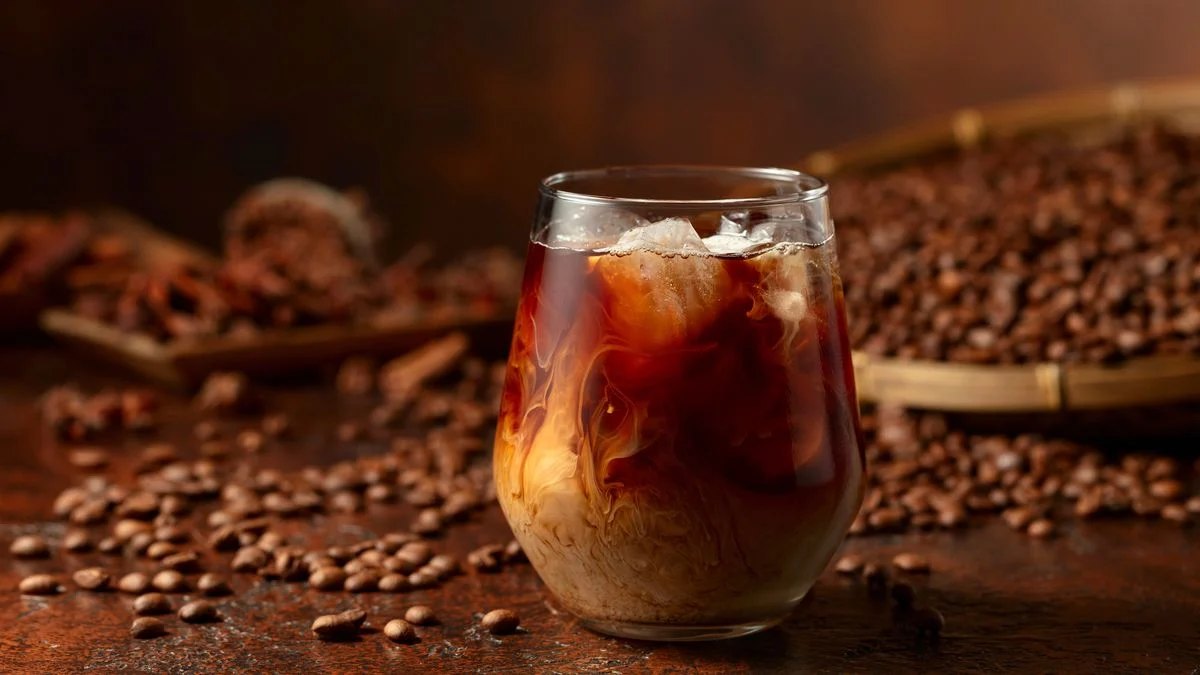
The product is designed for a "one-to-ten" dilution ratio. A single tablespoon of the viscous, dark liquid, when poured over ice and topped with sparkling water, tonic, or oat milk, creates a beverage with the profile of a pour-over or a high-end cold brew. Proponents argue that it solves the logistical nightmare of brewing large batches of coffee in the heat of summer, offering a clean, consistent flavor profile that is immune to the oxidation that ruins traditional iced coffee within hours.
However, skeptics point to the price point and the sensory experience. At a premium cost per serving, consumers are paying for the convenience of not having to grind, brew, and chill their own coffee.
Chronology of a Trend
The path to this summer’s anticipated craze did not happen overnight. It is the result of years of research and supply chain adjustments:
- 2023: Artisan coffee roasters began experimenting with "double-strength" cold brews sold in glass bottles at local farmers’ markets.
- 2024: Technological breakthroughs in shelf-stable packaging allowed for a longer shelf life without the need for high-temperature pasteurization, which had previously compromised the flavor profile.
- 2025: Several major beverage conglomerates acquired boutique extraction startups, signaling a shift toward mass-market distribution.
- Early 2026: Social media influencers and celebrity bartenders began featuring the concentrate as the "secret ingredient" in signature summer cocktails, sparking a viral interest that shifted the product from niche cafes to supermarket aisles.
- May 2026: Consumer protection agencies began reviewing labeling requirements as the concentrate’s caffeine content per serving exceeded standard energy drink thresholds, leading to mandatory warnings on packaging.
Supporting Data: Efficiency vs. Experience
To understand the fervor, one must look at the data. Market research conducted by leading food-tech analysts indicates that the global market for coffee concentrates is expected to grow by 18% year-over-year through 2028.
Consumer Demographics
The primary drivers of this trend are urban professionals aged 22–40. Surveys suggest that 64% of this demographic cite "time-saving" as their primary motivation for purchase. Conversely, 72% of respondents who identified as "specialty coffee enthusiasts" expressed skepticism, noting that the "ritual" of coffee making is an essential part of the consumer experience.
Environmental Impact
One of the most compelling arguments in favor of the concentrate is the reduction in carbon footprint. By removing the water content, shipping volumes are reduced by nearly 70%. Manufacturers claim that this logistics efficiency offsets the cost of specialized packaging. However, environmental watchdogs point to the rise in single-use plastic and foil-lined pouches required to keep the concentrate stable, questioning whether the net benefit is as positive as industry leaders suggest.
Official Responses and Industry Stance
The response from the coffee industry has been bifurcated. The Specialty Coffee Association (SCA) has maintained a cautious, if not slightly defensive, tone. In a recent statement, a spokesperson for the association noted:
"While we recognize the technological ingenuity required to maintain flavor integrity in a concentrated format, coffee is fundamentally an agricultural product that relies on freshness. We encourage consumers to view these products as a convenience-focused alternative rather than a replacement for the craft of brewing."
In contrast, representatives from the beverage giants argue that the concentrate is the "democratization of quality." By providing a consistent base, they claim to be shielding consumers from the "bad coffee" experience often found in low-quality cafes. They emphasize that the technology allows for precise control over acidity and bitterness—variables that are notoriously difficult to manage in manual brewing.
The Sensory Divide: Is it "Eklig" (Disgusting)?
The German term eklig (disgusting) has appeared frequently in online forums and social media commentary. Why the visceral reaction? The answer lies in the "uncanny valley" of taste.
When a flavor is too concentrated, it can trigger a defensive response in the human palate. The intensity of the coffee oils, when stripped of the dilution provided by a full cup of water, can feel oily, syrupy, or chemically sharp. Furthermore, the lack of "mouthfeel" associated with freshly brewed coffee—the warmth, the crema, the steam—leaves some consumers feeling that the drink is "soulless."
However, mixologists are singing a different tune. Because the concentrate is so potent, it behaves like a bitter or a liqueur, allowing for the creation of complex, low-alcohol summer drinks that maintain a distinct coffee punch without diluting the mixer. This "culinary utility" is what may ultimately secure the product’s place in the 2026 summer pantheon.
Implications: The Future of the Morning Ritual
What does this mean for the future of our daily caffeine habit?
The Decline of the Home Barista Setup?
If the concentrate succeeds, we may see a decline in the sales of expensive home espresso machines and elaborate pour-over setups. For the average consumer, the "good enough" threshold is shifting. If a simple pour and stir yields a beverage that is 90% as satisfying as a professionally brewed cup, the convenience factor will likely win out.
The Rise of the "Functional Beverage"
The coffee concentrate of 2026 is rarely just coffee. Many brands are infusing their concentrates with L-theanine, B-vitamins, or adaptogens like ashwagandha. This moves the product out of the "beverage" category and into the "supplement" category, potentially allowing companies to circumvent certain food regulations and appeal to the wellness-obsessed consumer.
The Cultural Shift
Perhaps the most significant implication is the shift in how we perceive time. The ritual of the morning coffee—the grinding, the blooming, the wait—is a meditative act that anchors many people to their day. By replacing this with a rapid, industrialized squeeze of concentrate, we are arguably trading a moment of mindfulness for a hit of efficiency. Whether this is a trade-off worth making is a question that will be answered not by scientists or marketing departments, but by the daily choices of millions of consumers this summer.
Final Thoughts: A Summer of Experimentation
As temperatures rise and the demand for cool, caffeinated refreshment peaks, the market will be flooded with these concentrates. Some will be bitter, some will be surprisingly nuanced, and many will likely fall into the category of "marketing experiment."
Whether you view it as a culinary innovation or a symptom of a fast-paced, impatient culture, one thing is certain: the coffee concentrate is here to stay. It is the perfect beverage for a generation that demands high performance with zero friction. Whether it actually tastes good—or whether it is, as some critics suggest, "as gross as it sounds"—will ultimately be decided at the kitchen table.
Before you dismiss it as a gimmick, consider the evolution of the beverage industry. From the first instant coffee in the 19th century to the rise of the Nespresso pod, convenience has always been the primary disruptor of tradition. The concentrate of 2026 is simply the latest chapter in that long, ongoing story of convenience. Whether you mix it with tonic, soda, or simply over ice, the "summer drink of 2026" is likely to be a polarizing, potent, and undeniably efficient part of our lives.