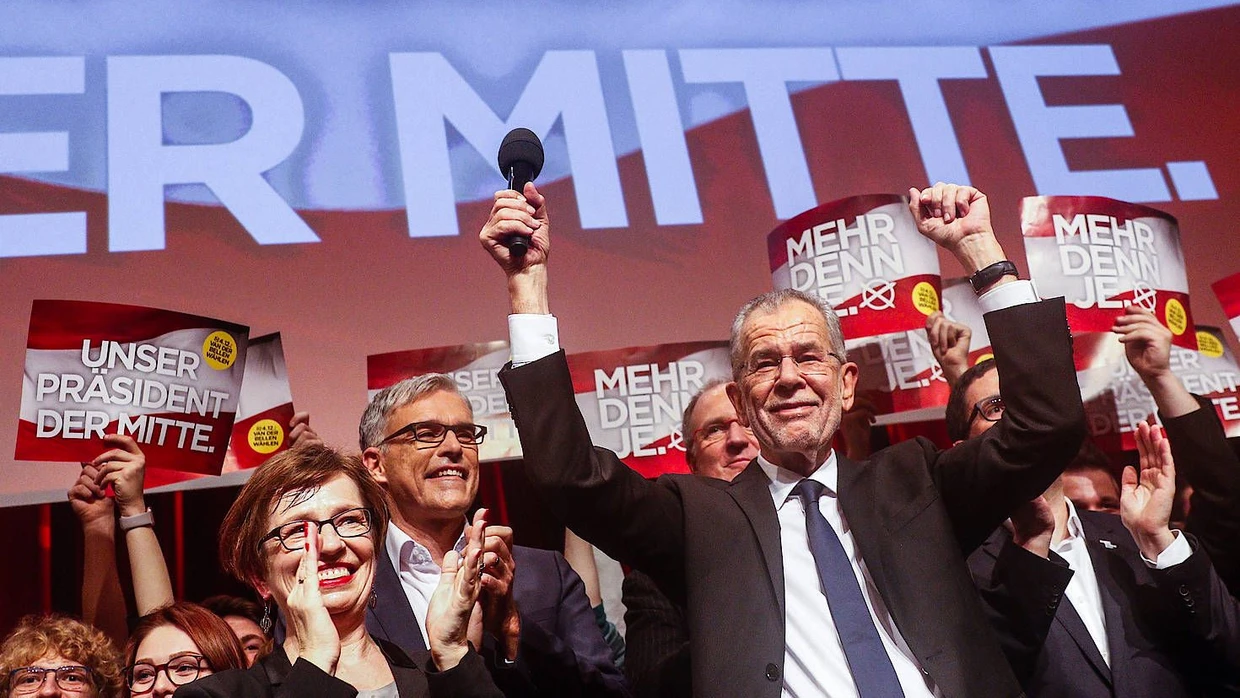
Vienna, Austria – December 6, 2016 – In a landmark presidential election that captivated Austria and resonated across Europe, Alexander Van der Bellen has emerged victorious, securing a commanding lead over his far-right rival, Norbert Hofer. Following the meticulous counting of all postal ballots, Van der Bellen, an independent candidate backed by the Green Party, garnered nearly 350,000 more votes than Hofer, the candidate of the Freedom Party of Austria (FPÖ). While the FPÖ has the right to challenge the official final result, party officials have indicated they will refrain from doing so, effectively conceding the election to Van der Bellen.
This outcome marks a significant moment for Austria, averting a potential shift towards a more nationalist and Eurosceptic presidency that had been feared by many. The election, which went to a second round after a preliminary vote was annulled due to irregularities, has been closely watched as an indicator of the broader political currents sweeping across the continent. Van der Bellen’s triumph is being interpreted as a vote for stability, European integration, and a more liberal future for the Alpine nation.
A Resounding Mandate: The Main Facts
The final tally, released after the meticulous counting of all absentee ballots, confirmed a decisive victory for Alexander Van der Bellen. Official figures show Van der Bellen securing a substantial majority, with preliminary estimates placing his vote count significantly ahead of Norbert Hofer. The nearly 350,000-vote margin is not merely a statistical detail; it represents a clear repudiation of Hofer’s populist platform and a strong endorsement of Van der Bellen’s pro-European and moderate stance.
The FPÖ’s initial challenge to the first round’s results, which led to the annulment and a rerun, had cast a shadow of uncertainty over the electoral process. However, the second round’s decisive outcome appears to have laid those doubts to rest. The meticulous counting of postal ballots, which are often crucial in close elections, played a pivotal role in solidifying Van der Bellen’s lead. This process, while lengthy, underscored the commitment to democratic integrity and the thoroughness of Austrian electoral procedures.
The FPÖ’s decision not to contest the final results, despite having the legal recourse to do so, is a significant development. It suggests a pragmatic recognition of the overwhelming public sentiment expressed at the ballot box. While the party may continue to be a vocal opposition force, this concession signals a moment of transition and a potential de-escalation of the intense political polarization that has characterized this election cycle.
The Road to Victory: A Chronology of a Contentious Election
The Austrian presidential election of 2016 was far from a straightforward affair. It was a process marked by a close first round, a controversial annulment, and a hard-fought rerun, culminating in a clear verdict.
May 22, 2016: First Round Results and Initial Shockwaves
The initial presidential election held on May 22, 2016, saw a surprisingly close contest. Alexander Van der Bellen, the candidate of the Green Party, narrowly defeated Norbert Hofer of the FPÖ. The results, however, were not decisive enough to avoid a runoff. The closeness of the vote signaled the growing strength of the populist FPÖ and the challenges facing the traditional centrist parties.
July 1, 2016: Annulment of the First Round
In an unprecedented move, Austria’s Constitutional Court annulled the results of the first round of the presidential election. The court cited significant procedural irregularities in the counting of postal ballots, including issues with the seals on ballot envelopes and the early counting of some absentee votes before polling stations officially closed. This decision, while aimed at upholding electoral integrity, plunged the country into a period of uncertainty and political upheaval. The rerun was initially scheduled for October 2, 2016.
September 2016: Campaigning Intensifies Amidst Uncertainty
With the rerun looming, both Van der Bellen and Hofer intensified their campaigning efforts. The campaign was marked by increasingly sharp rhetoric, with Van der Bellen emphasizing his pro-European credentials and warning against the potential dangers of a populist presidency. Hofer, on the other hand, focused on issues of national identity, immigration, and security, tapping into public anxieties.
October 2, 2016: Postponement of the Rerun
Just weeks before the scheduled rerun, Austrian authorities announced a further postponement. This time, the reason was a batch of faulty glue used in the envelopes for postal ballots, which could have compromised their integrity. The decision to postpone, for the second time, led to widespread criticism and further highlighted the logistical challenges faced by the electoral authorities. The new date for the rerun was set for December 4, 2016.
December 4, 2016: Election Day and Anticipation
On December 4, 2016, Austrian citizens went to the polls for the second time to elect their president. The election was characterized by a high turnout, indicating the significant public interest and the importance attached to the outcome. Initial projections and preliminary results throughout the evening showed a clear lead for Alexander Van der Bellen.
December 5-6, 2016: Counting of Postal Ballots and Confirmation of Victory
The crucial phase of counting the postal ballots began on December 5th and continued into the following day. These votes proved decisive, widening Van der Bellen’s lead and solidifying his victory. By December 6th, the preliminary results, with all votes accounted for, showed Van der Bellen with a comfortable majority, effectively ending the electoral contest.
The Numbers Game: Supporting Data and Electoral Trends
The election results provide a compelling narrative of Austrian voter sentiment. While the exact final percentages will be officially certified, the preliminary figures offer a clear picture of the decisive outcome.
Van der Bellen’s Strong Performance:
Alexander Van der Bellen’s victory is attributed to a broad coalition of voters. His appeal transcended traditional Green Party supporters, attracting moderate voters, disillusioned Social Democrats, and those concerned about the rise of right-wing populism. His message of stability, competence, and a commitment to Austria’s role within the European Union resonated strongly with a significant portion of the electorate.
Hofer’s Support Base:
Norbert Hofer’s support, while substantial, was concentrated within a specific demographic and geographic base. His campaign effectively tapped into concerns about immigration, economic insecurity, and a desire for a stronger national identity. However, his platform, which included a more critical stance towards the European Union, ultimately failed to win over a majority of Austrian voters.
The Impact of Postal Ballots:
The meticulous counting of postal ballots played a crucial role in determining the final outcome. In many close elections, absentee votes can swing the result, and this election was no exception. The initial count after polling stations closed suggested a close race, but the subsequent inclusion of postal ballots significantly widened Van der Bellen’s lead. This highlights the importance of ensuring accessibility and integrity in all voting methods.
Turnout and Voter Engagement:
The high turnout in the rerun election demonstrated the significant public engagement with the presidential race. This level of participation underscores the importance Austrians placed on this election and their desire to have their voices heard after the earlier disruptions.
Regional Differences:
While detailed regional breakdowns are still being analyzed, preliminary observations suggest that Van der Bellen performed particularly strongly in urban centers and more affluent regions, while Hofer found greater support in rural areas and among certain working-class demographics. These patterns are not uncommon in many Western democracies where political divides often manifest geographically.
Official Reactions and the Path Forward
The official reactions to Alexander Van der Bellen’s victory have been a mix of relief, congratulations, and cautious optimism.
From Alexander Van der Bellen:
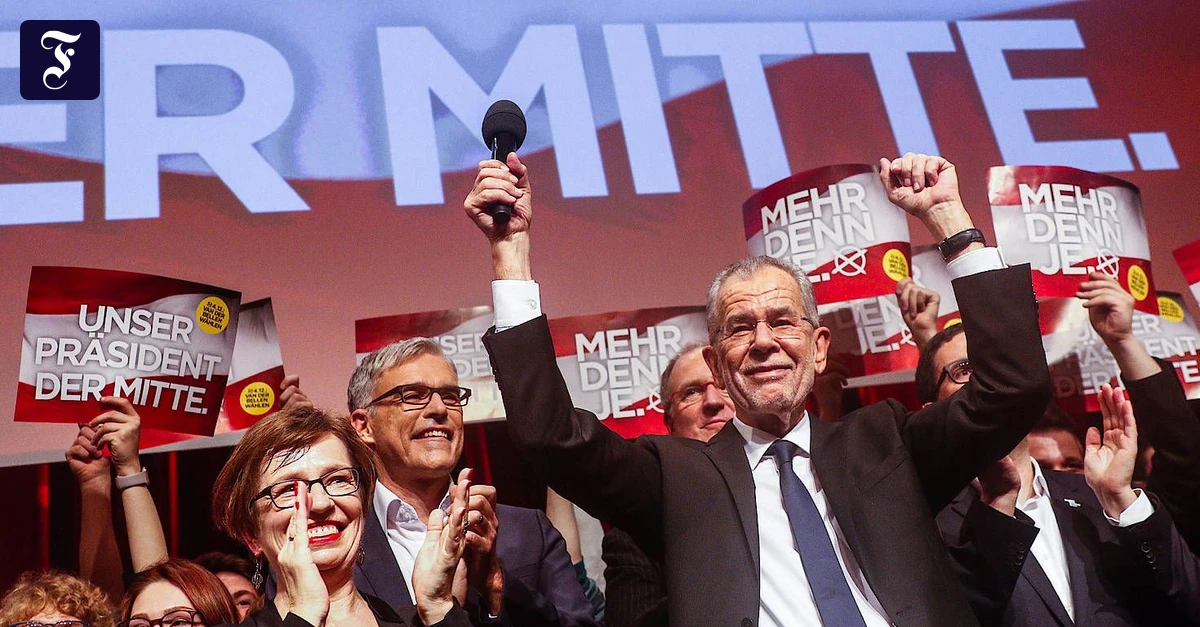
Following the confirmation of his victory, Alexander Van der Bellen addressed his supporters, expressing his gratitude and emphasizing the importance of unity and reconciliation. He spoke of his commitment to serving all Austrians, regardless of their political affiliations, and to upholding Austria’s democratic values and its place in Europe. His rhetoric was one of inclusivity and a desire to bridge the divisions exposed during the campaign.
From Norbert Hofer and the FPÖ:
In a concession speech that was closely watched, Norbert Hofer acknowledged the results and congratulated Van der Bellen on his victory. While expressing disappointment, Hofer emphasized that he would respect the democratic will of the people. Crucially, the FPÖ leadership indicated that they would not formally challenge the election results. This decision, while potentially a difficult one for the party, was seen as a mature acceptance of the electoral outcome and a move to avoid further protracted legal battles that could destabilize the country.
From the Austrian Government:
The incumbent government, led by Chancellor Christian Kern, welcomed the outcome. The government’s focus has been on ensuring a smooth transition and maintaining political stability. The clear result is seen as a positive development that allows Austria to move forward with a unified national leadership.
International Reactions:
Across Europe, the news of Van der Bellen’s victory was met with widespread relief. Leaders from various European capitals, including Brussels, Berlin, and Paris, congratulated Van der Bellen, viewing his win as a bulwark against the rising tide of populism and Euroscepticism that has been a concern for the European Union. The election outcome was seen as a positive signal for the future of European integration and a rejection of nationalist tendencies.
Implications for Austria and Europe
Alexander Van der Bellen’s victory carries significant implications, not only for Austria but also for the broader European political landscape.
Strengthening of Pro-European Sentiment:
Van der Bellen’s win is a clear victory for pro-European forces. His consistent advocacy for Austria’s membership in the European Union and his criticism of Eurosceptic narratives resonated with a majority of voters. This outcome can be seen as a reaffirmation of Austria’s commitment to the European project, at a time when other European nations have seen the rise of nationalist and anti-EU movements.
A Setback for Right-Wing Populism:
The defeat of Norbert Hofer represents a significant setback for right-wing populist movements in Europe. The FPÖ had been seen as a potential harbinger of similar successes for nationalist parties across the continent. Van der Bellen’s victory demonstrates that a well-articulated message of moderation, competence, and European cooperation can successfully counter populist appeals.
Restoration of Political Stability:
After a tumultuous electoral process marked by annulments and postponements, Van der Bellen’s decisive victory brings much-needed stability to Austrian politics. The presidential office, now occupied by a figure committed to national unity and European integration, can once again serve as a unifying force for the country.
Future Political Landscape:
While Van der Bellen’s presidency provides a period of calm, the underlying political currents that propelled Hofer’s campaign remain. The FPÖ will likely continue to be a significant political force, and the issues of immigration, identity, and economic security will continue to be debated. However, Van der Bellen’s mandate provides an opportunity for constructive dialogue and a focus on policy rather than perpetual political crisis.
In conclusion, the Austrian presidential election of 2016 was a pivotal moment that ultimately reaffirmed the nation’s commitment to its democratic institutions and its place within the European family. Alexander Van der Bellen’s hard-won victory offers a sense of continuity and a positive outlook for Austria’s future, while also sending a significant message to the rest of Europe about the enduring appeal of moderate, pro-European leadership.