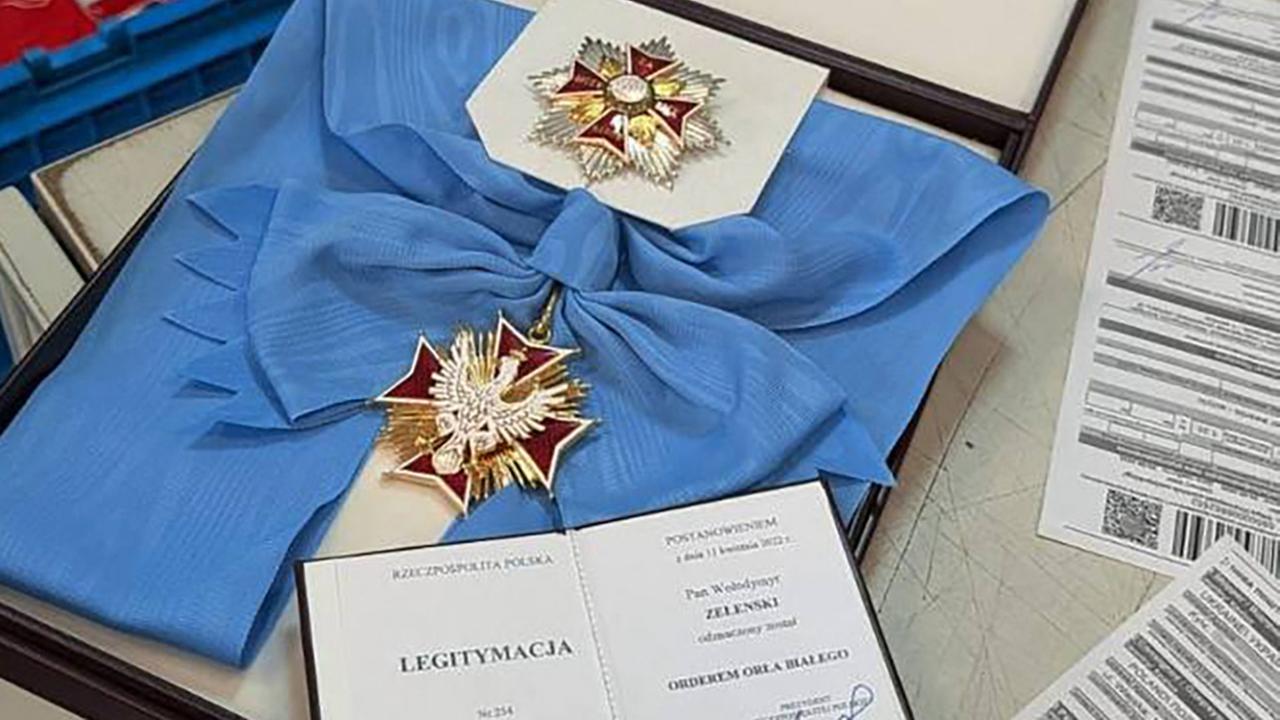
Warsaw, Poland & Kyiv, Ukraine – June 20, 2026 – A significant diplomatic rift has opened between Poland and Ukraine, escalating a dispute over historical interpretations into a direct challenge to a symbol of mutual respect. Ukrainian President Volodymyr Zelenskyy has returned Poland’s highest state decoration, the Order of the White Eagle, to Warsaw. This unprecedented move comes after Polish President Karol Nawrocki revoked the award previously bestowed upon Zelenskyy, citing a controversial decision by Kyiv to name a military unit after the controversial Ukrainian Insurgent Army (UPA).
The exchange marks a sharp deterioration in relations between two nations that have been steadfast allies, particularly in the face of ongoing Russian aggression against Ukraine. The Order of the White Eagle, a centuries-old symbol of Polish statehood and honor, was presented to President Zelenskyy in 2023 by then-Polish President Andrzej Duda as a testament to the deepening friendship and solidarity between the two countries.
The Heart of the Dispute: Historical Legacies and National Identity
The immediate catalyst for this diplomatic crisis is the Ukrainian military’s decision to bestow the honorific title "Heroes of the UPA" upon a brigade. The Ukrainian Insurgent Army (UPA) was a nationalist paramilitary organization that operated during and after World War II. While lauded by some in Ukraine for their fight against Soviet rule, the UPA is also widely reviled in Poland for its role in orchestrating the massacres of tens of thousands of Poles and Jews in Volhynia and Eastern Galicia during the war.
This historical reckoning has long been a sensitive and painful subject in Polish-Ukrainian relations. For many Poles, the UPA’s actions represent an unforgivable stain on the historical memory, and any official recognition of them is seen as a deep insult and a betrayal of shared values. The decision by the Ukrainian military, seemingly endorsed by President Zelenskyy’s administration, has been interpreted in Poland not just as a historical oversight, but as a deliberate provocation.
A Chronology of Escalation: From Award to Revocation
The timeline of events leading to this diplomatic breakdown is crucial to understanding the gravity of the situation:
- 2023: In a ceremony underscoring the strong wartime alliance, then-Polish President Andrzej Duda awards Ukrainian President Volodymyr Zelenskyy the Order of the White Eagle. This award is intended to recognize Zelenskyy’s leadership and the deepening bonds of friendship and mutual support between Poland and Ukraine amidst Russia’s full-scale invasion.
- Late May 2026: Ukrainian President Volodymyr Zelenskyy’s administration authorizes the naming of a military unit the "Heroes of the UPA." This decision ignites immediate outrage and condemnation within Poland, sparking widespread protests and official condemnations.
- Early June 2026: Polish President Karol Nawrocki announces the revocation of President Zelenskyy’s Order of the White Eagle. This action is presented as a direct response to the naming of the military unit, framing it as a necessary step to uphold historical justice and Polish national sensitivities.
- June 20, 2026: President Zelenskyy formally returns the Order of the White Eagle to Poland via postal service. In a strongly worded statement accompanying the return, Zelenskyy articulates his rationale, drawing a controversial parallel to other historical figures honored by Poland.
Zelenskyy’s Rationale: A Symbol of Trust and Conditional Respect
In his public statement, President Zelenskyy conveyed his understanding of the Order of the White Eagle’s significance. "I understand that the Order of the White Eagle is a special honor," he wrote on the social media platform X. "It is a symbol of the highest trust of the Republic of Poland." However, he emphasized that such a symbol requires not only merit but also "respect for the values that form the basis of society."
His pointed reference to historical figures who have been honored by Poland underscores the Ukrainian perspective on the issue. "If, therefore, the view is that this special symbol may remain with Catherine II, with Benito Mussolini, and with former Chancellor Gerhard Schröder, then we in Ukraine have nothing to object to," Zelenskyy declared. This statement implies that if Poland continues to acknowledge individuals with morally compromised legacies, Ukraine cannot be expected to uphold the integrity of its own honors in the face of what it perceives as a historical misjudgment by Poland.
The inclusion of Catherine the Great, a Russian empress associated with imperial expansion and the partitions of Poland, and Benito Mussolini, the Italian fascist dictator, in Zelenskyy’s comparison, is a provocative rhetorical strategy. It suggests that if Poland has historically honored figures whose actions are debated or condemned, then its decision to revoke an award based on a specific historical interpretation should be viewed in a broader context. The mention of former Chancellor Gerhard Schröder, whose post-political career has been marked by ties to Russian energy companies, adds another layer of complexity, potentially alluding to perceived inconsistencies in Poland’s foreign policy or its engagement with historical figures.
Official Responses and Political Undercurrents
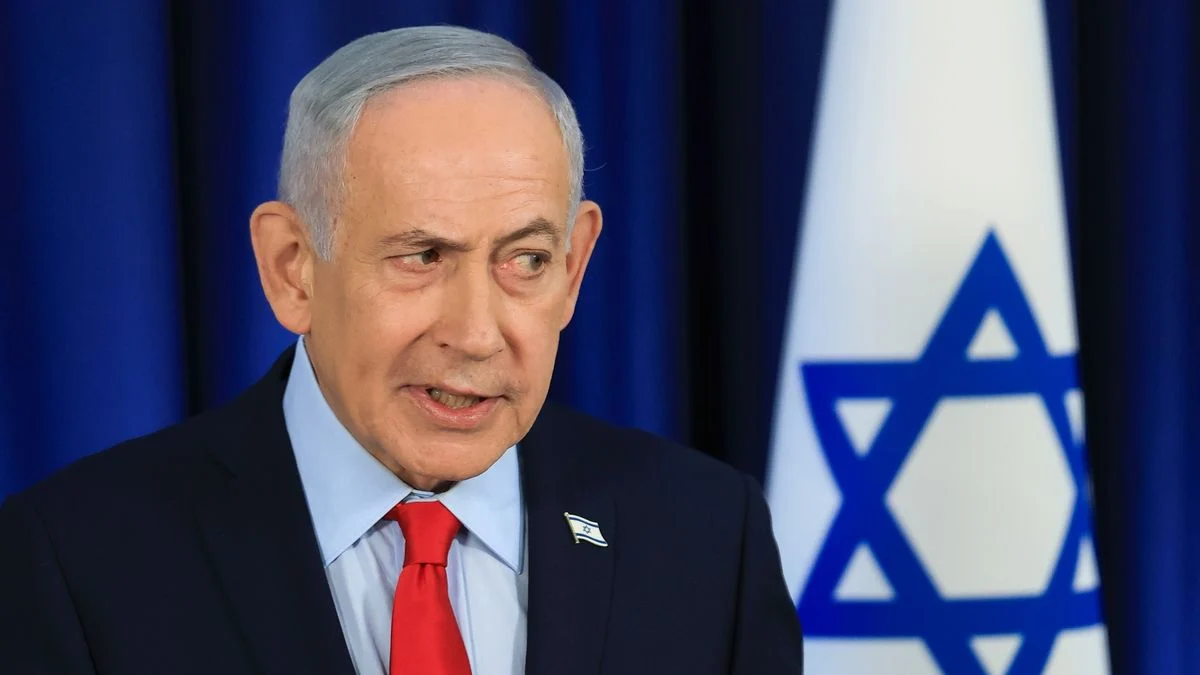
The Polish government’s decision to revoke the award was met with a mix of support and concern. President Nawrocki, in his statement, sought to delineate the action as targeted and not reflective of broader anti-Ukrainian sentiment. He asserted that the revocation was "not directed against the Ukrainian nation" and would not alter Poland’s strategic security policy. This suggests an attempt to contain the diplomatic fallout and prevent it from jeopardizing the crucial alliance.
However, the situation has also highlighted political divisions within Poland. Prime Minister Donald Tusk, a political rival of President Nawrocki, publicly urged for de-escalation. "The frontline runs elsewhere," Tusk posted on social media, emphasizing that the conflict between Poland and Ukraine "pleases Putin and shocks our allies." This statement underscores the strategic concern that internal disputes between allies could be exploited by Russia, their common adversary. Tusk’s appeal suggests a pragmatic approach, prioritizing the broader geopolitical struggle over historical grievances.
Solidarity and Divergent Views within Ukraine
President Zelenskyy’s gesture of returning the award has been met with solidarity from other Ukrainian officials. Presidential advisor Kyrylo Budanov and Ukraine’s Ambassador to Warsaw, Vasyl Bodnar, have both announced their intention to return Polish state honors they have received. Budanov argued that the revocation of Zelenskyy’s order benefits Russia, calling it a "gift for the Moscow aggressor, which it will certainly use against our two countries." Ambassador Bodnar echoed this sentiment, describing Nawrocki’s action as "a gesture directed against the entire Ukrainian people."
These statements reveal a perception within Ukraine that Poland’s decision is not merely a response to a specific military naming convention but a broader repudiation of Ukrainian national aspirations and historical narratives. The argument that this dispute plays into Russia’s hands is a significant one, as Moscow has consistently sought to sow discord among Ukraine’s Western allies.
Implications for the Future of Polish-Ukrainian Relations
The return of the Order of the White Eagle is a potent symbol of the current strain on Polish-Ukrainian relations. While both nations acknowledge the overarching threat posed by Russia, this incident highlights the enduring difficulties in reconciling their respective historical narratives.
For Poland: The government faces the challenge of balancing its historical sensitivities with the strategic imperative of maintaining a united front with Ukraine. The decision to revoke the award, while popular with some segments of the Polish public, has undoubtedly complicated diplomatic efforts and potentially weakened the perception of Poland as an unwavering ally in the eyes of some Ukrainians.
For Ukraine: President Zelenskyy’s administration must navigate the complex domestic and international implications of this diplomatic rupture. While standing firm on its interpretation of Ukrainian history and national identity, Kyiv also risks alienating a crucial ally at a critical juncture in the war. The challenge lies in finding a path that honors Ukrainian historical memory without irrevocably damaging its vital partnership with Poland.
For the Broader Geopolitical Landscape: This dispute serves as a stark reminder of the fragility of alliances, particularly when historical grievances intersect with contemporary geopolitical pressures. The rift between Poland and Ukraine is a propaganda victory for Russia, which has consistently sought to undermine Western unity and support for Ukraine. The international community will be watching closely to see if both nations can find a way to mend this diplomatic breach and reaffirm their commitment to a shared future, one that acknowledges the complexities of the past while focusing on the urgent challenges of the present. The path forward will require careful diplomacy, open communication, and a willingness to engage with difficult historical truths, lest the shadows of the past overshadow the urgent needs of the present.