Main Facts: The Scope of the Contamination
In a significant consumer safety alert, the discount retail giant Lidl has initiated an urgent recall of a popular baking ingredient following the discovery of Salmonella bacteria. The contamination, identified during routine quality control procedures conducted by the manufacturer, has triggered a rapid response across ten German federal states.
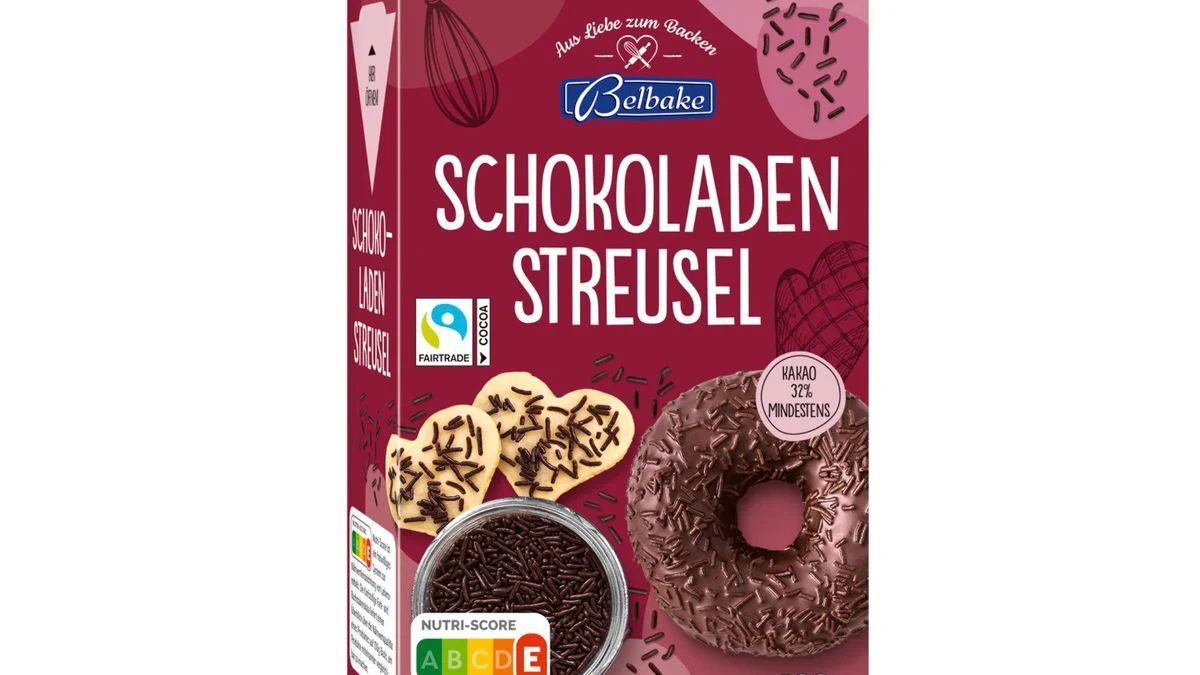
The product in question, a specific variety of cake sprinkles sold under the "Belbake" private label, has been pulled from shelves to prevent potential outbreaks of salmonellosis. Salmonella bacteria are pathogens that cause gastrointestinal distress, typically manifesting as diarrhea, abdominal cramps, fever, and vomiting. While healthy adults may recover from these symptoms within a few days without medical intervention, the risk posed to vulnerable demographics—including infants, young children, pregnant women, the elderly, and individuals with compromised immune systems—is significantly higher. In these populations, the infection can lead to severe dehydration and invasive complications that require hospitalization.
Lidl and the manufacturer, Drageefabrik Stolze, have emphasized that this is a precautionary measure aimed at protecting public health. As of the latest report, the recall is restricted strictly to the specific batch of sprinkles identified, with no other products from the Drageefabrik Stolze portfolio or other "Belbake" items implicated in the contamination.
Chronology: From Quality Control to Retail Recall
The timeline of this incident reflects the standard, albeit rigorous, process of modern food safety management.
Phase 1: Internal Detection
The process began within the laboratory facilities of Drageefabrik Stolze. During a scheduled internal quality assurance audit, samples of the sprinkles underwent microbiological testing. The results confirmed the presence of Salmonella—a finding that mandates an immediate report to both retail partners and food safety authorities.
Phase 2: Notification and Dissemination
Upon receiving the laboratory confirmation, the manufacturer notified Lidl’s quality management division. Recognizing the widespread distribution of the product, the retailer moved quickly to issue a public warning. By coordinating with the Federal Office of Consumer Protection and Food Safety (BVL), the information was disseminated through national media channels and the official recall portal to ensure that consumers in all affected regions were reached.
Phase 3: The Retail Sweep
Logistics teams across ten states were mobilized to remove the remaining stock from store shelves. Simultaneously, the company updated its point-of-sale systems to prevent any further transactions of the affected batches. This stage is critical in ensuring that contaminated items do not reach the kitchen pantries of unsuspecting customers.
Supporting Data: Understanding Salmonella Risks
To provide context for the severity of this recall, it is essential to understand the biological nature of the threat. Salmonella is a genus of rod-shaped, Gram-negative, non-spore-forming bacteria. It is one of the most common causes of food poisoning globally.
The Pathophysiology of Infection
Once ingested, Salmonella bacteria multiply in the small intestine, producing toxins that irritate the lining of the digestive tract. Symptoms typically appear between 6 and 72 hours after ingestion. The "incubation period" can be deceptive, as many consumers may consume the product and feel perfectly fine for several days before the sudden onset of acute illness.
Vulnerable Populations and Clinical Severity
The threat level is categorized by the World Health Organization (WHO) as significant due to the risk of "systemic infection." In the elderly and the immunocompromised, the bacteria can migrate from the intestines into the bloodstream, leading to bacteremia. Once in the blood, the pathogen can infect other organs, including the heart valves, bones, or the central nervous system.
Medical experts advise that anyone who has consumed the product and experiences symptoms should:
- Monitor hydration: The primary cause of death in Salmonella cases is severe dehydration.
- Seek medical advice: If symptoms persist for more than 48 hours, or if high fever and blood in the stool occur, a visit to a general practitioner or emergency department is mandatory.
- Be transparent: When speaking to a doctor, patients must explicitly mention the consumption of the recalled product. This allows the physician to order specific stool cultures or blood tests to identify the Salmonella strain, which is vital for effective antibiotic treatment.
Official Responses and Consumer Guidance
Both Lidl and food safety authorities have issued clear, actionable guidance for the public.
The Stance of the Retailer
Lidl has demonstrated a high degree of transparency in its response. In an official statement, the company noted: "We take the safety of our customers and the quality of our products very seriously. We regret this incident and are working closely with the manufacturer to ensure it does not happen again."
Lidl has implemented a "no-questions-asked" return policy. Customers who purchased the sprinkles do not need to provide a receipt to receive a full refund. This policy is intended to remove any barriers to returning the product, ensuring that the maximum amount of contaminated stock is removed from circulation.
Public Health Recommendations
Authorities have been equally clear about what not to do. A common mistake during food safety scares is the "preemptive medical visit." Health departments emphasize that if a consumer has eaten the product but feels no symptoms, there is no clinical benefit to seeing a doctor. Testing for Salmonella in asymptomatic individuals is generally ineffective and unnecessarily burdens the healthcare system. The focus should remain on monitoring one’s own health for a period of 7 to 10 days post-consumption.
Geographic Impact and Market Implications
The recall spans ten German states:
- Baden-Württemberg
- Bavaria
- Berlin
- Brandenburg
- Hesse
- Lower Saxony
- North Rhine-Westphalia
- Rhineland-Palatinate
- Saarland
- Saxony
The Supply Chain Effect
The geographic spread indicates that the product was distributed through a major regional logistics hub. The fact that the recall is confined to specific states suggests a highly sophisticated tracking system that allows retailers to pinpoint exactly which batches went to which distribution centers. This precision minimizes economic waste and public alarm, as consumers outside these ten states can be relatively certain that their local supply was not part of the contaminated shipment.
Economic and Brand Consequences
For "Belbake," a brand synonymous with home baking, this recall represents a significant reputational challenge. Trust in private-label goods is often built on the perception of high-volume, low-cost safety. When a contamination event occurs, the manufacturer—in this case, Drageefabrik Stolze—often faces intense scrutiny. The financial impact includes the cost of product destruction, the logistics of the return process, and potential legal costs associated with liability. However, the proactive nature of this recall is expected to mitigate long-term damage, as consumers tend to reward companies that prioritize safety over profit margins.
Implications: The Future of Food Safety
This incident serves as a stark reminder of the complexities of the global food supply chain. Even with rigorous hygiene standards, the potential for microbiological contamination exists at every step, from the sourcing of raw ingredients to the final packaging process.
Strengthening Quality Assurance
Following this event, it is likely that Lidl and other major retailers will demand more frequent third-party audits of their suppliers. The integration of "blockchain-style" traceability—where every batch can be tracked from the raw material supplier to the store shelf in real-time—is becoming an industry standard rather than an optional luxury.
Consumer Vigilance
For the average consumer, this event underscores the importance of staying informed. Retailers and food safety agencies rely on digital platforms to communicate these warnings. Consumers are encouraged to:
- Check official portals: Regularly consult websites like the BVL or official supermarket recall pages.
- Proper Kitchen Hygiene: Always wash hands after handling raw baking ingredients or potential contaminants.
- Storage Awareness: Keep packaging and batch numbers until the product is consumed, as this information is vital if a recall is announced after the purchase.
As the situation develops, authorities will continue to monitor for any reports of illness linked to the specific batches. For now, the prompt action taken by Lidl and the manufacturer has likely averted a significant public health crisis. The primary directive for all customers remains clear: check your pantry, verify the batch number, and if in doubt, return the product to your nearest Lidl branch for a full refund. Safety, in this instance, is a collaborative effort between the retailer’s logistics, the manufacturer’s diligence, and the consumer’s awareness.