Washington D.C., May 13, 2026 – In a highly anticipated and deeply partisan vote, the U.S. Senate has confirmed Kevin Warsh, President Donald Trump’s preferred candidate, as the next Chair of the Federal Reserve. The confirmation, which saw a stark division along party lines, ushers in a new era for the nation’s central bank and intensifies concerns among critics regarding the institution’s long-cherished independence from political influence. Warsh, a former Fed Governor and key economic advisor, is set to assume leadership of the Federal Reserve in the coming days, replacing outgoing Chair Jerome Powell, whose term concludes this Friday.
Main Facts: A New Chapter for the Federal Reserve
The vote, a decisive 54-45 in favor of Warsh, underscores the Republican Party’s determination to install a leader aligned with President Trump’s vision for monetary policy. This outcome culminates a contentious nomination process that has drawn sharp lines between those advocating for aggressive economic stimulus through lower interest rates and those prioritizing the Fed’s traditional role as an independent arbiter of monetary stability.
Warsh’s ascension to the helm of the world’s most powerful central bank marks a significant moment for both the U.S. economy and global financial markets. His confirmation signals a potential shift in the Fed’s trajectory, particularly concerning its approach to interest rates and its relationship with the executive branch. Democrats, unified in their opposition, voiced profound apprehension that Warsh’s appointment could compromise the Fed’s autonomy, making it susceptible to political pressures rather than guided solely by economic data and its dual mandate of maximum employment and price stability.
Outgoing Chair Jerome Powell, who frequently bore the brunt of President Trump’s public criticism regarding interest rate decisions, will not entirely depart from the central bank. In an unusual move, Powell is expected to transition into a regular board member position on the Federal Reserve’s powerful governing council, a body instrumental in setting the nation’s benchmark interest rates. This unprecedented arrangement adds another layer of complexity to the upcoming dynamics within the Fed, raising questions about potential internal friction and the future influence of the former Chair.
Chronology of a Contentious Nomination
The path to Kevin Warsh’s confirmation has been fraught with political maneuvering and intense debate, reflecting the high stakes involved in leading the Federal Reserve.
The President’s Choice: Trump’s Quest for a New Fed Head
President Donald Trump’s relationship with the Federal Reserve has been notoriously turbulent throughout his presidency. From his early days in office, Trump frequently expressed dissatisfaction with the Fed’s monetary policy decisions, often publicly lambasting then-Chairs Janet Yellen and later Jerome Powell for what he perceived as overly restrictive interest rate hikes. His consistent calls for lower interest rates were rooted in a belief that such policies would further stimulate economic growth, boost the stock market, and solidify his "America First" economic agenda.
As Jerome Powell’s term drew to a close, speculation mounted regarding who Trump would select to lead the institution. The President’s outspoken desire for a more accommodating Fed Chair made the selection a focal point for both political commentators and financial markets. Kevin Warsh quickly emerged as a frontrunner, largely due to his perceived alignment with the administration’s economic philosophy and his extensive experience within both the Fed and the Treasury Department. Warsh’s background as a former member of the Federal Reserve Board of Governors during the George W. Bush administration, coupled with his tenure as Special Assistant to the President for Economic Policy, positioned him as a candidate with significant insider knowledge and, crucially for the White House, a potential willingness to challenge traditional central bank orthodoxy.
Senate Scrutiny: Committee Hearings and Debates
The formal nomination of Kevin Warsh triggered a rigorous review process within the U.S. Senate, beginning with the powerful Senate Banking Committee. In late April, the committee held a series of intense confirmation hearings, providing a platform for both meticulous examination of Warsh’s qualifications and a highly visible display of the partisan divide.
During these hearings, Republican senators lauded Warsh’s deep understanding of financial markets, his experience navigating the 2008 financial crisis, and his commitment to sound economic principles. They emphasized his track record as a thoughtful policymaker and argued that his fresh perspective was precisely what the Fed needed to adapt to evolving economic challenges. Supporters highlighted his past advocacy for transparency and accountability within the central bank, framing him as a reformer capable of ensuring the Fed remains responsive to the needs of the American economy. The committee’s vote ultimately reflected this sentiment, with all 13 Republican members endorsing his nomination.
Conversely, Democratic senators raised a barrage of critical questions, primarily focusing on the paramount issue of the Federal Reserve’s independence. They pressed Warsh on whether he would resist potential political pressure from the White House regarding interest rate decisions, given President Trump’s history of public interventions. Concerns were also voiced about Warsh’s past criticisms of quantitative easing and his perceived hawkish stance on inflation, with Democrats suggesting his policies might inadvertently stifle job growth or lead to an economic downturn. All 11 Democratic senators on the committee voted against Warsh, issuing stark warnings about the precedent his confirmation could set for the politicization of monetary policy. Warsh, for his part, firmly denied during his testimony that President Trump had exerted any pressure on him to lower interest rates, asserting his commitment to the Fed’s independence and its data-driven decision-making process.
The Final Vote: A Partisan Divide
The journey from committee approval to the full Senate floor vote was marked by continued lobbying and fervent debate. As anticipated, the final Senate vote on May 13th mirrored the committee’s partisan split, with 54 senators voting to confirm Warsh and 45 voting against. The Republican majority, holding a narrow but effective advantage, successfully shepherded the nomination through, despite unanimous Democratic opposition.
This outcome reflects the current highly polarized political climate in Washington, where even appointments to ostensibly non-partisan institutions like the Federal Reserve have become battlegrounds for broader ideological struggles. The vote was not merely a procedural formality but a powerful statement about the balance of power between the executive and legislative branches, and the ongoing tension surrounding the central bank’s autonomy. For the Trump administration, the confirmation is a significant victory, securing a key economic ally at the helm of an institution critical to national economic health. For Democrats, it represents a profound loss, deepening their fears about the erosion of institutional checks and balances and the potential for short-term political expediency to override long-term economic stability.
Supporting Data and Economic Context
The confirmation of Kevin Warsh occurs against a backdrop of complex and sometimes contradictory economic signals, setting the stage for crucial decisions by the new Fed Chair.
The State of the U.S. Economy
As Warsh prepares to take office, the U.S. economy presents a mixed picture. While unemployment figures remain historically low, indicating robust job growth, there are growing concerns about inflationary pressures. Recent reports indicate that U.S. consumer prices have surged to a three-year high in April, signaling that the economy might be overheating. This rise in inflation poses a significant challenge for the Federal Reserve, which is mandated to maintain price stability.
Gross Domestic Product (GDP) growth has shown resilience, but some analysts point to a potential slowdown in the coming quarters, influenced by global trade tensions and a softening in certain domestic sectors. Business investment, while strong in some areas, faces headwinds from supply chain disruptions and rising input costs. The housing market, a key indicator of consumer confidence and economic health, is also experiencing fluctuations, with rising interest rates potentially impacting affordability. Warsh inherits an economy that requires careful navigation – balancing the need to sustain growth and employment with the imperative to curb inflation without triggering a recession.
Monetary Policy Debates: Rates and Independence
The Federal Reserve operates under a "dual mandate": to achieve maximum employment and stable prices. These two objectives can sometimes pull in different directions, requiring delicate calibration of monetary policy tools, primarily the federal funds rate.
The debate surrounding interest rates is central to Warsh’s appointment. President Trump has consistently advocated for lower rates, believing they are essential for stimulating further economic growth, reducing the cost of borrowing for businesses and consumers, and making U.S. exports more competitive. Proponents of lower rates also argue that they can help manage the national debt by reducing interest payments.
However, a significant body of economic thought, often championed by traditional central bankers and many Democrats, warns against the dangers of excessively low interest rates. Such policies can fuel inflation, erode purchasing power, create asset bubbles (e.g., in real estate or stock markets), and distort market signals. The current rise in consumer prices underscores these concerns, suggesting that the economy may already be operating at or near its full capacity, making further stimulus through rate cuts potentially destabilizing.
Crucially, the concept of central bank independence is at the heart of this debate. An independent Fed is generally viewed as better equipped to make sound, long-term economic decisions, free from the short-term political pressures that might tempt elected officials to prioritize immediate gratification over sustainable stability. Critics argue that Warsh’s confirmation, driven by presidential preference and partisan loyalty, threatens to undermine this independence, potentially leading to decisions based on political expediency rather than objective economic analysis.
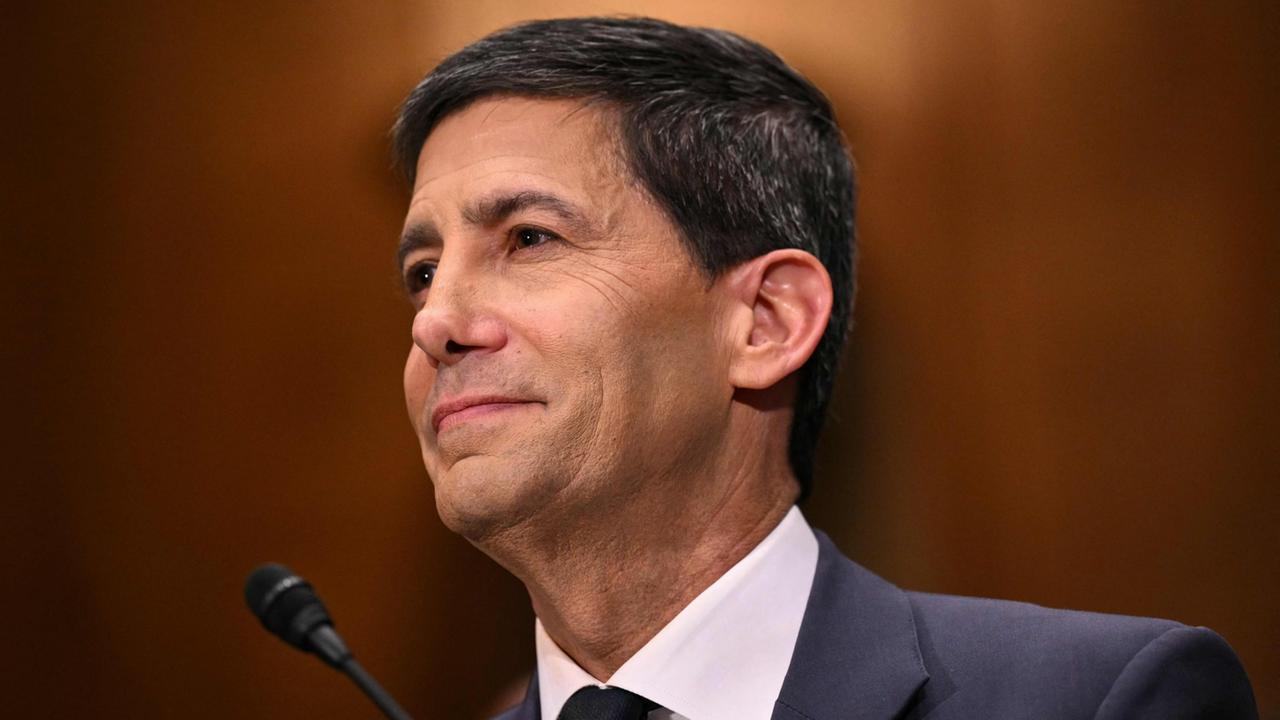
Warsh’s Economic Philosophy
Kevin Warsh’s economic philosophy, gleaned from his past statements, writings, and testimony, suggests a nuanced but generally more hawkish stance compared to his predecessor. During his previous tenure as a Fed Governor, Warsh was known for his analytical rigor and his focus on financial stability. He has expressed concerns about the potential for prolonged periods of low interest rates to create systemic risks and has been a proponent of a clear exit strategy from unconventional monetary policies like quantitative easing.
While denying direct pressure from President Trump to cut rates, Warsh has historically indicated a willingness to consider the broader economic context and the impact of monetary policy on various sectors. His background as a former investment banker and Treasury official suggests a pragmatic approach, but one that is likely to be highly attuned to market signals and potential inflationary pressures. Observers anticipate that Warsh will face immediate pressure to address the rising inflation figures, which could test his commitment to his stated principles versus the administration’s desire for lower rates. His approach to the Fed’s balance sheet, which expanded significantly during and after the 2008 financial crisis, will also be closely watched, as will his views on financial regulation.
Official Responses and Reactions
The confirmation of Kevin Warsh has elicited a spectrum of reactions from various stakeholders, reflecting the profound implications of his appointment.
White House Perspective
For the Trump administration, the Senate’s confirmation of Kevin Warsh is an unequivocal triumph. President Trump is expected to hail the decision as a vindication of his economic policies and his efforts to reshape key government institutions. White House spokespersons have already indicated that Warsh’s appointment will ensure the Federal Reserve is "more responsive to the needs of the American people and the American economy." This narrative frames the confirmation as a necessary step to unleash further economic growth, asserting that the previous Fed leadership had unduly constrained the economy with overly tight monetary policy.
The administration will likely emphasize Warsh’s qualifications, portraying him as a seasoned economic expert who understands the intricacies of both Main Street and Wall Street. This victory solidifies President Trump’s influence over a critical independent agency, aligning it more closely with his broader agenda of deregulatory policies and aggressive economic expansion.
Congressional Reactions: Bipartisan Divide
The congressional reaction to Warsh’s confirmation has been sharply divided along partisan lines, underscoring the deep ideological chasm within Washington.
Leading Republicans, particularly those on the Senate Banking Committee, quickly issued statements praising the confirmation. Senator Pat Toomey (R-PA), a prominent voice on financial matters, lauded Warsh as an "exceptionally qualified candidate with a deep understanding of monetary policy and financial markets." He added, "Mr. Warsh’s experience as a former Fed Governor and his insights into the global economy will be invaluable as the Fed navigates complex challenges. His appointment ensures a steady hand at the tiller, committed to fostering robust economic growth and responsible monetary stewardship." Other Republican senators echoed these sentiments, emphasizing Warsh’s experience during times of crisis and his potential to bring a fresh, yet informed, perspective to the central bank.
In stark contrast, Democratic leaders expressed profound disappointment and renewed their warnings about the potential erosion of the Fed’s independence. Senator Sherrod Brown (D-OH), a senior member of the Banking Committee, stated, "This confirmation is a dangerous step towards politicizing the Federal Reserve. We have seen time and again how President Trump pressures independent institutions, and Mr. Warsh’s appointment, driven by partisan loyalties, raises serious questions about whether the Fed will continue to make decisions based on data and sound economic principles, or on the whims of the White House." Senator Elizabeth Warren (D-MA) added, "The Federal Reserve must serve the American people, not the President. This vote jeopardizes the Fed’s ability to act as a check on executive power and maintain the stability of our financial system. We will be watching closely to ensure the Fed remains independent and accountable." These statements reflect a deep-seated concern among Democrats that the Fed’s traditionally apolitical role is now under unprecedented threat.
Market and Expert Reactions
Financial markets reacted to Warsh’s confirmation with a mix of anticipation and caution. Stock markets initially showed a modest positive response, with investors potentially interpreting the appointment as a signal for continued accommodative monetary policy that favors growth. However, bond yields saw some upward pressure, reflecting concerns among fixed-income investors about potential inflationary impacts if interest rates are held too low for too long, or if the Fed’s independence is perceived as compromised. The U.S. dollar’s value remained relatively stable, but currency traders are now closely watching for any signals of shifts in policy direction that could impact its strength.
Economists and financial analysts offered a range of opinions. Many acknowledged Warsh’s intellect and experience but voiced apprehension about the political optics of his appointment. Dr. Sarah Chen, a leading economist at a major research institution, commented, "While Kevin Warsh is undoubtedly qualified, the manner of his confirmation, with such a stark partisan split, casts a shadow over the Fed’s perceived independence. The market thrives on certainty and predictability from its central bank, and any hint of political influence could introduce unwelcome volatility." Other experts highlighted the delicate balance Warsh would need to strike between appeasing the White House and adhering to the Fed’s dual mandate, particularly in an environment of rising inflation. Concerns were also raised about how international partners and central banks might view the politicization of the U.S. Federal Reserve, potentially impacting global financial coordination and trust.
Implications for the Federal Reserve and the U.S. Economy
Kevin Warsh’s tenure as Federal Reserve Chair carries profound implications, not only for the direction of U.S. monetary policy but also for the institutional integrity of the central bank and its standing on the global stage.
The Future of Fed Independence
The most significant implication of Warsh’s confirmation revolves around the future of Federal Reserve independence. For decades, the Fed has largely operated with a degree of autonomy, making decisions based on economic data and expert consensus, insulated from short-term political pressures. This independence is considered vital for maintaining credibility, preventing inflationary spirals, and ensuring long-term economic stability.
President Trump’s outspoken criticisms of previous Fed chairs and his clear preference for lower interest rates have already tested this independence. Warsh’s appointment, viewed by many as a direct response to the President’s desires, will intensify scrutiny on every future policy decision. If Warsh is perceived to consistently align with White House preferences, especially on interest rate cuts amidst rising inflation, it could set a dangerous precedent, eroding public and market trust in the Fed’s impartiality. Historical parallels, such as President Nixon’s pressures on Fed Chair Arthur Burns in the 1970s, serve as cautionary tales of how political interference can lead to disastrous economic outcomes, including runaway inflation. Warsh’s challenge will be to demonstrate his autonomy unequivocally, a task made more difficult by the circumstances of his nomination.
Potential Policy Shifts
Under Warsh’s leadership, several key shifts in monetary policy could emerge. Given the administration’s consistent calls for lower rates and the current inflationary environment, Warsh will face immediate pressure to either cut rates or, at the very least, resist any calls for rate hikes. This could lead to a more accommodative stance than typically expected when inflation is on the rise.
Beyond interest rates, Warsh’s views on the Fed’s balance sheet, particularly its size and composition, will be critical. He has historically expressed concerns about the expansive nature of the Fed’s asset holdings, suggesting a potential move towards more aggressive balance sheet reduction, which could effectively tighten monetary conditions, even if the federal funds rate remains stable. His regulatory philosophy, likely influenced by a desire to reduce burdens on financial institutions, could also lead to changes in oversight and capital requirements. These shifts could impact various sectors:
- Housing: Lower interest rates might make mortgages more affordable, potentially stimulating the housing market, but could also contribute to asset price bubbles if not managed carefully.
- Business Investment: Cheaper borrowing costs could encourage businesses to invest and expand, fostering job creation.
- Consumer Spending: Lower interest rates on loans and credit cards could boost consumer spending, a key driver of economic growth.
- Inflation: The most immediate concern is that a prolonged period of low rates, especially in an already inflationary environment, could exacerbate price increases, eroding consumer purchasing power and leading to economic instability.
Global Economic Impact
Changes in U.S. monetary policy under Warsh will have significant ripple effects across the global economy. As the world’s largest economy and the issuer of the primary reserve currency, U.S. interest rate decisions influence capital flows, exchange rates, and economic conditions worldwide.
- Emerging Markets: Lower U.S. interest rates typically make emerging market assets more attractive, leading to capital inflows. However, if these flows are driven by perceived political interference rather than sound economic fundamentals, they could become volatile. Conversely, if Warsh is forced to raise rates to combat inflation, it could lead to capital outflows from emerging markets, creating financial instability.
- Currency Exchange Rates: A perceived weakening of Fed independence or an overtly dovish policy could put downward pressure on the U.S. dollar, impacting trade balances and global commodity prices.
- International Trade: U.S. monetary policy works in tandem with trade policy. If Warsh’s policies lead to a weaker dollar, it could make U.S. exports more competitive but might also escalate trade tensions with countries whose currencies strengthen against the dollar.
Powell’s Continued Role: A Unique Precedent?
Jerome Powell’s decision to remain as a regular board member on the Federal Reserve’s Governing Council, despite stepping down as Chair, is highly unusual and adds an intriguing layer to the Fed’s future dynamics. This unprecedented arrangement could have several outcomes:
- Internal Checks and Balances: Powell’s continued presence could act as an internal check on Warsh’s policy decisions, providing a voice for continuity and traditional Fed principles within the central bank’s most powerful decision-making body.
- Potential for Friction: Conversely, it could create an awkward dynamic, with the former Chair potentially disagreeing publicly or privately with the new Chair’s direction, leading to internal tensions or even perceptions of a divided leadership.
- Influence: Powell’s experience and established relationships could still exert considerable influence on other board members, potentially shaping discussions and votes on key policy issues, including the benchmark interest rate.
The unique situation of a former Chair remaining on the Board will undoubtedly be closely watched by markets, economists, and policymakers, as it could redefine the internal dynamics and external perceptions of the Federal Reserve for years to come. Kevin Warsh’s tenure, therefore, begins not only with the weight of economic challenges but also with the added complexity of navigating a central bank facing intense political scrutiny and an unusual internal power structure.