


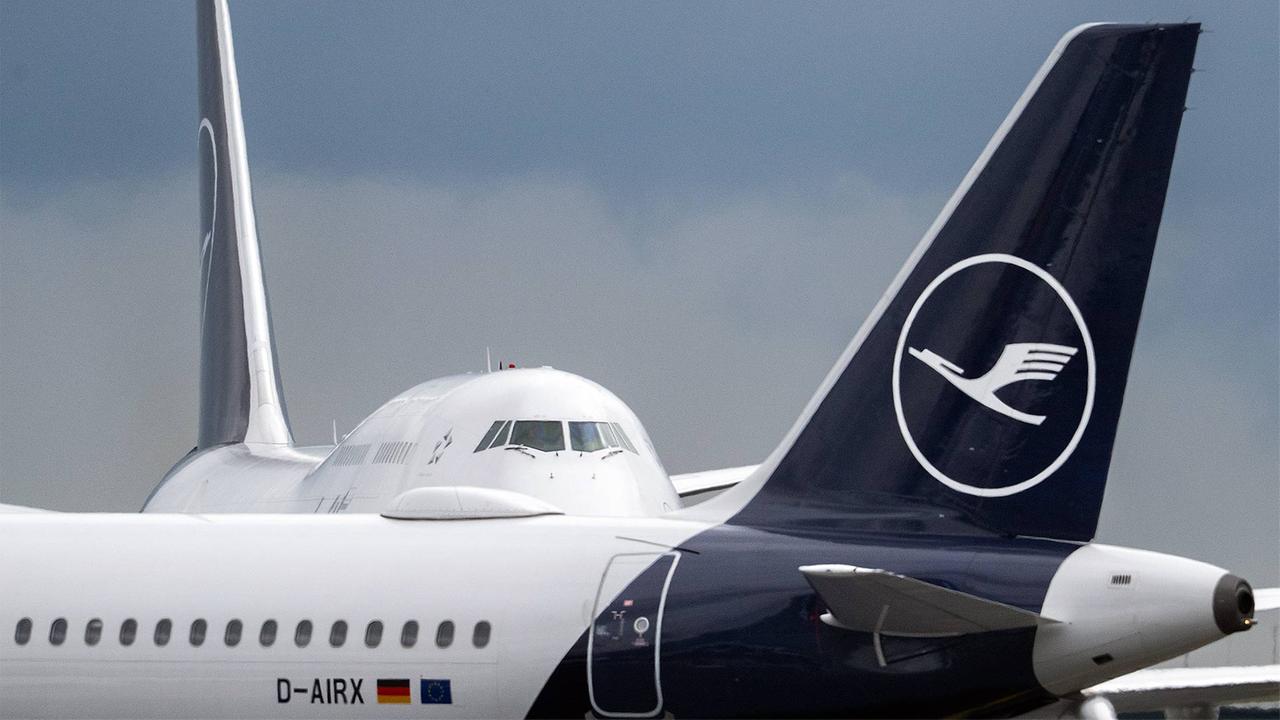
FRANKFURT – The annual general meeting of Deutsche Lufthansa AG, held on May 12, 2026, served as a stark reflection of the multifaceted crisis currently gripping Europe’s flagship carrier. As shareholders gathered in Frankfurt, the atmosphere was defined not by celebratory dividends, but by the urgent necessity of structural reform in the face of persistent labor strikes, soaring operational costs, and the complex integration of the Italian state airline, ITA Airways.
For the airline, which has long been a pillar of German industrial pride, the current moment represents one of the most challenging chapters in its post-pandemic history. With a backdrop of regional conflict impacting energy security and a restless workforce, management is finding that the path to profitability is increasingly fraught with unpredictability.
The Confluence of Crises: An Overview
Lufthansa’s leadership, headed by CEO Carsten Spohr, is currently operating under immense pressure from both the cockpit and the boardroom. The company’s financial health is being squeezed from two directions: internal labor disputes and external macroeconomic shocks.
The recurring wave of industrial action has crippled flight schedules and severely eroded consumer confidence. Beyond the immediate logistical nightmares, these strikes have inflicted tangible financial damage, with Lufthansa reporting costs related to cancellations and mandatory passenger compensation exceeding €190 million this year alone.
Simultaneously, the geopolitical landscape—specifically the conflict in the Persian Gulf—has triggered a spike in Kerosin (jet fuel) prices. This is not merely an inconvenience; it is a structural threat. Estimates suggest the company’s fuel bill will balloon by €1.7 billion this year, forcing the airline to activate emergency contingency plans for potential fuel shortages.
Chronology of Challenges: A Timeline of Turbulence
To understand the current impasse, one must look at the sequence of events that have defined the first half of 2026:
- January 2025: Lufthansa successfully secures a 41% stake in ITA Airways, marking a pivotal step in its Mediterranean expansion strategy.
- Early 2026: A renewed wave of labor negotiations breaks down, leading to a series of rolling strikes that disrupt hubs in Frankfurt and Munich.
- March 2026: Geopolitical tensions in the Persian Gulf intensify, leading to immediate volatility in global oil markets and a sharp rise in jet fuel prices.
- April 2026: Lufthansa announces the closure of its Cityline subsidiary and a broader strategy to trim 20,000 short-haul flights to restore operational efficiency.
- May 12, 2026: The Annual General Meeting in Frankfurt becomes the stage for vocal shareholder frustration and a public warning from the BaFin (German Federal Financial Supervisory Authority) regarding broader market instability.
Supporting Data: The Cost of Disruption
The numbers presented at the meeting provided a sobering look at the company’s trajectory. The €190 million in strike-related costs represent only the tip of the iceberg when considering the "hidden" costs of lost brand loyalty and the strain on the company’s relationship with its primary stakeholders.
The fuel price surge, projected at an additional €1.7 billion expense, has forced the company to revise its margin expectations. Furthermore, the decision to trim 20,000 short-haul flights through October is an admission that the current network density is no longer sustainable under the weight of these rising costs. The reduction in service—including the elimination of free carry-on allowances in new entry-level tariffs—signifies a shift toward a more austere, budget-conscious operational model designed to protect the bottom line at the expense of premium service expectations.
Official Responses and Stakeholder Friction
The divide between management and shareholders was palpable during the meeting. Representatives from major asset managers—Deka, Union Investment, and DWS—delivered sharp rebukes to both the airline’s leadership and the labor unions.
Hendrik Schmidt of DWS was particularly blunt, warning that the failure to reach a "permanent pacification" of labor relations would lead to "persistent turbulence" that threatens not only Lufthansa’s balance sheet but the stability of the German aviation sector as a whole.
Henrik Pontzen, Head of Sustainability at Union Investment, challenged the legitimacy of the union demands. "There is nothing as certain as the next strike at Lufthansa," Pontzen stated. He expressed profound frustration with the union’s demands for massive increases in pension contributions, arguing that it is fundamentally inequitable for shareholders to shoulder all the risk during downturns while expecting to be sidelined during periods of relative stability.
CEO Carsten Spohr attempted to steer the narrative toward the company’s long-term vision, particularly the integration of ITA Airways. He maintained that the acquisition remains on track, with the goal of increasing the stake to 90% by summer 2026. Despite regulatory concessions—including the surrender of crucial takeoff and landing slots in Milan and Rome to satisfy EU competition authorities—Spohr insists the acquisition is essential for the airline’s future competitiveness.
Implications for the Future
The implications of the current crisis extend far beyond the tarmac. The situation is symptomatic of a broader malaise in the German economy.
1. Labor Relations and Social Partnership
The "Social Partnership" model, which has historically defined German industry, is showing signs of severe strain. If Lufthansa cannot reach a sustainable agreement with its pilots and ground staff, it may serve as a bellwether for other sectors, signaling the end of an era of relatively harmonious industrial relations. The demand for higher wages to combat inflation, coupled with management’s need to cut costs to remain competitive, has created a zero-sum game that neither side seems capable of winning.
2. Geopolitical Vulnerability
Lufthansa’s exposure to the Persian Gulf crisis highlights the fragility of global supply chains. As energy infrastructure in the region faces ongoing risks, the airline is forced to contemplate scenarios that were unthinkable just a few years ago. The fact that the company has "emergency plans" for fuel scarcity indicates that the board is preparing for a world where energy stability can no longer be taken for granted.
3. Regulatory and Financial Market Warnings
The intervention of Mark Branson, president of the BaFin, adds an extra layer of gravity to the situation. His warning that the stock market is failing to account for the true risks inherent in the current geopolitical and corporate environment suggests that Lufthansa’s stock price may be masking deep-seated volatility. Investors are being cautioned that political and economic shocks are not always "reversable," and that the recovery of the global aviation sector is subject to forces well beyond the control of any single airline.
4. Strategic Retrenchment
The decision to thin out the flight schedule and introduce a "no-frills" entry-level tariff marks a significant shift in Lufthansa’s brand identity. By prioritizing cost-cutting over service, the airline is attempting to insulate itself from the volatility of short-haul travel. However, this strategy carries the risk of alienating business travelers, who are the backbone of the airline’s revenue.
Conclusion: A Flight Path of Uncertainty
As the 2026 annual meeting concluded, the message to stakeholders was clear: Lufthansa is in a period of fundamental transition. The transition is not merely about integrating a new subsidiary or managing a temporary strike; it is about redefining what a national carrier looks like in an era of deglobalization, energy insecurity, and fragmented industrial consensus.
The next twelve months will be critical. If the airline can successfully finalize the ITA acquisition and find a path toward a sustainable labor agreement, it may emerge as a leaner, more resilient entity. However, if the current cycle of strikes and geopolitical shocks continues, Lufthansa risks being grounded by the very forces it has spent the last decade trying to outfly. For now, both investors and passengers are left to watch the skies, waiting to see if the turbulence will subside or intensify in the coming quarters.
















Leave a Reply