Introduction: A Symbol of Digital Sovereignty in Peril
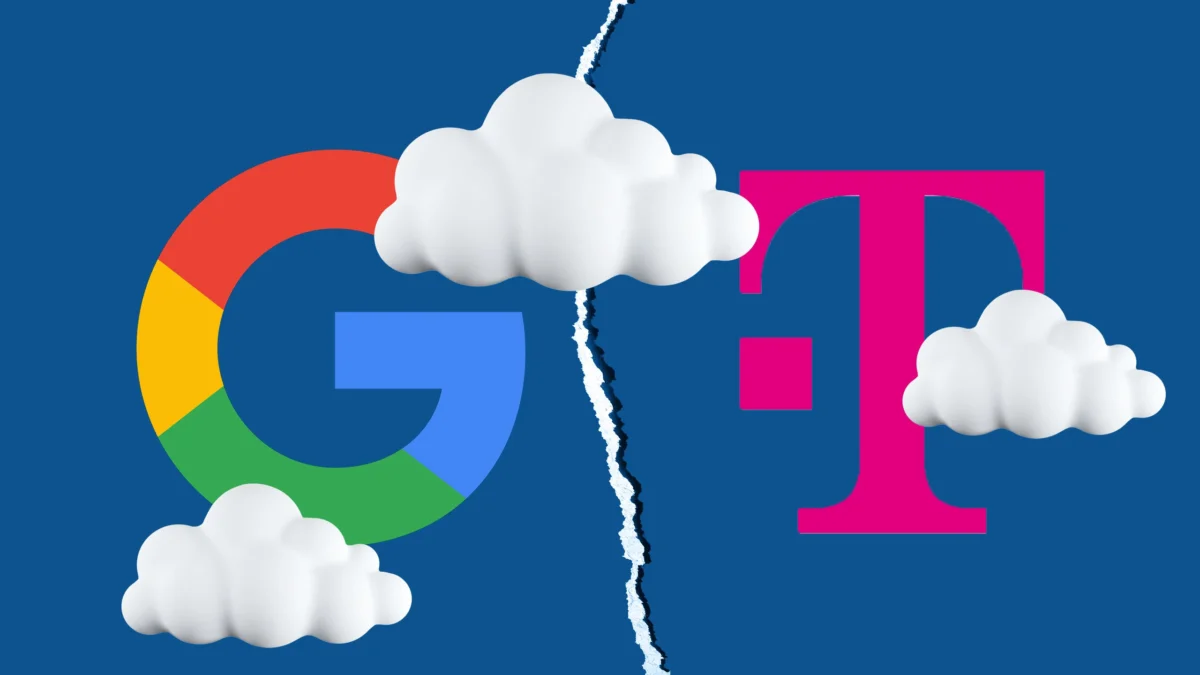
In 2021, the announcement sent ripples of optimism through the European tech sector. Deutsche Telekom, the behemoth of German telecommunications, and Google, the undisputed global leader in cloud infrastructure, joined forces in a strategic partnership designed to solve a perennial European dilemma: how to leverage the immense power of hyperscale cloud computing while maintaining strict adherence to European data sovereignty and regulatory standards.
The promise was clear—a "sovereign cloud" specifically tailored for the German market, targeting the highly regulated sectors of government, public administration, and healthcare. It was framed as the gold standard for how Big Tech and domestic infrastructure providers could coexist. Yet, three years later, that symbol of cooperation is facing a quiet but definitive reckoning. According to multiple insiders familiar with the project, the initiative, in its current iteration, is effectively facing the prospect of abandonment or a radical restructuring.
The Chronology of an Ambitious Venture
2021: The Birth of the Vision
The partnership was launched against a backdrop of increasing political pressure in Berlin and Brussels. German policymakers had long been vocal about their dependence on American cloud providers, fearing that sensitive data—ranging from citizen records to national security intelligence—could be subjected to the U.S. CLOUD Act.
Deutsche Telekom, through its subsidiary T-Systems, stepped in as the "sovereign" buffer. The plan was to combine Google’s cutting-edge software stack with Telekom’s German data centers and operational oversight. The goal was to ensure that while customers accessed Google’s technological prowess, the data remained under the legal and physical control of a German operator.
2022–2023: The Reality of Integration
The execution phase proved far more complex than the initial press releases suggested. Engineers from both sides worked to integrate Google Cloud’s global platform into the rigid, security-hardened environment of T-Systems. Challenges abounded, ranging from technical latency issues to the difficulty of keeping pace with the rapid updates of Google’s public cloud while maintaining the stability required for public sector clients.
2024: The Turning Point
By early 2024, the internal discourse within both companies began to shift. The market, initially enthusiastic, showed a tepid response. German public authorities, famously risk-averse, remained hesitant to fully commit to a hybrid model that still involved a U.S.-based parent company. Concurrently, the rise of sovereign cloud alternatives—including local offerings from European providers—began to dilute the unique value proposition of the Telekom-Google partnership.
Supporting Data: Why the Market Stalled
To understand why this flagship project is teetering on the edge, one must look at the structural realities of the European cloud market.
The Sovereignty Paradox
Data sovereignty is not merely a technical checkbox; it is a legal framework. Despite the "sovereign cloud" label, legal experts have long argued that as long as a U.S. company owns the underlying software architecture, the potential for data access under U.S. legal jurisdiction remains a point of contention for strict data protection officers (DPOs) in German state agencies.
Competitive Headwinds
- The Rise of Local Champions: Companies like OVHcloud and various local IT service providers have gained traction by offering simpler, truly European-stack alternatives.
- The Cost of Complexity: The Telekom-Google solution was inherently expensive. Building a dual-layer, high-security infrastructure requires significant capital expenditure. For public sector clients struggling with tight budgets, the price point was often difficult to justify.
- Adoption Rates: While Telekom managed to sign a few pilot projects, the broad, mass-market adoption hoped for in 2021 failed to materialize. The "sticky" nature of legacy on-premise systems meant that the transition to this new sovereign cloud was slower than anticipated.
Official Responses and Corporate Stance
As the news of the project’s potential demise circulates, the corporate communications teams at both Deutsche Telekom and Google have maintained a cautious stance.
In response to inquiries, representatives for Deutsche Telekom emphasized that the company remains committed to "providing secure and sovereign cloud solutions to our clients." However, they declined to comment on specific internal project milestones or the future of the joint architecture, citing "commercial confidentiality."
Google, meanwhile, reiterated its commitment to the German market and its ongoing collaborations with European partners. "Our goal remains to provide customers with the tools they need to meet their specific compliance and security requirements," a spokesperson stated. Neither party has issued a definitive "shutdown" notice, yet the silence surrounding the partnership’s future is viewed by industry analysts as a clear signal of cooling enthusiasm.
Implications: What Does This Mean for Europe?
The potential collapse of the Telekom-Google sovereign cloud is not just a corporate failure; it is a significant indicator of the current state of European digital policy.
1. The Limits of "Hyperscaler Dependence"
The partnership was an attempt to mitigate dependence on U.S. tech giants by wrapping their technology in a European "security blanket." If this model fails, it suggests that European authorities may no longer view "sovereign wrapping" as sufficient. This could push governments toward a more radical policy of "digital autarky"—favoring entirely local, European-made cloud stacks, regardless of the performance gap compared to U.S. alternatives.
2. A Shift in Strategy for Big Tech
If Google cannot successfully capture the public sector through a joint venture with a domestic champion, it may change its strategy entirely. We may see a shift toward smaller, more targeted partnerships or a heavier reliance on lobbying for regulatory frameworks that validate their existing security measures, rather than building bespoke, complex infrastructure for specific markets.
3. The Future of the "Sovereign Cloud" Market
The market for sovereign clouds is entering a period of consolidation. The "Gold Rush" phase, where every telco tried to partner with a hyperscaler, is likely over. The future will belong to those who can provide verifiable, audited, and cost-effective solutions that do not rely on the branding of a sovereign partnership, but on the transparency of their code and data residency.
Conclusion: Lessons from a Disrupted Partnership
The Telekom-Google story is a cautionary tale of the friction between high-level political goals and market realities. While the vision of a sovereign cloud is more necessary than ever in an age of geopolitical tension and cybersecurity threats, the bridge between American software dominance and European data protection requirements is harder to build than boardroom presentations suggested.
If the project is indeed scrapped, it will mark the end of an era for the "Telekom-Google" experiment, but it will not end the quest for sovereignty. Instead, it clears the ground for a more mature, perhaps more fragmented, but ultimately more authentic European approach to cloud computing.
As we look toward the remainder of the decade, the question is no longer whether Europe can partner with Big Tech to build a sovereign cloud, but whether Europe can develop a cloud industry that is sovereign by design rather than by partnership. The Telekom-Google project may have been a failed experiment, but it provided the essential data needed to shape the next, more realistic phase of European digital autonomy.