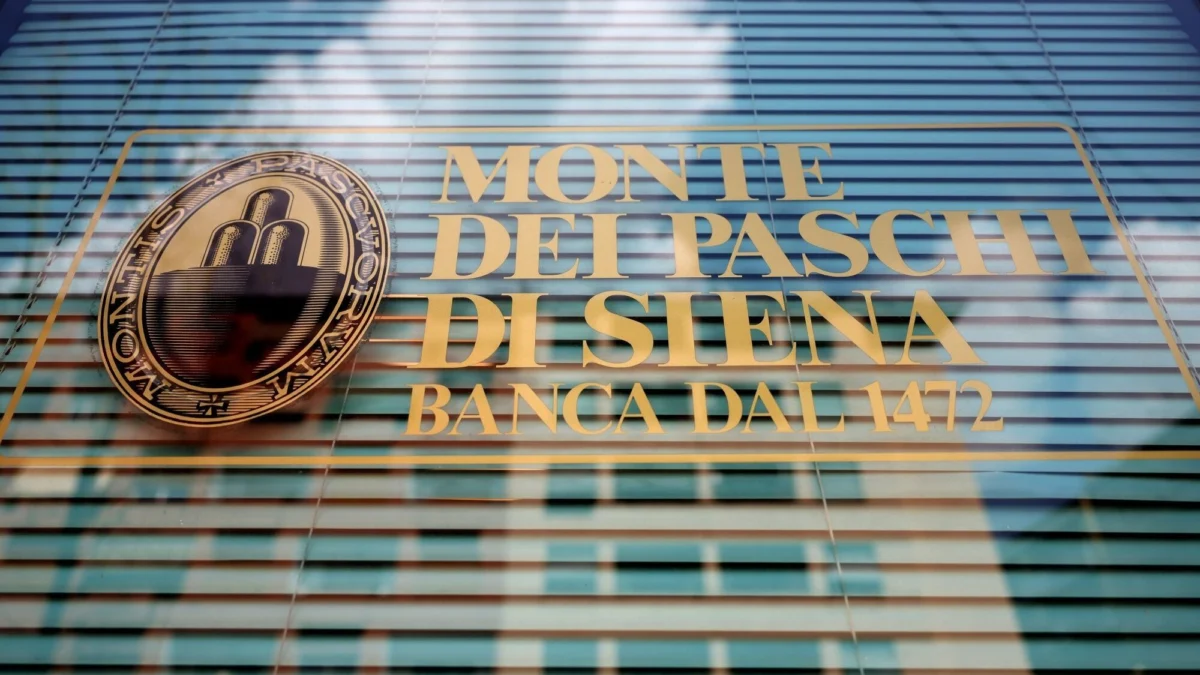
The landscape of Italian finance is undergoing a monumental transformation. As Intesa Sanpaolo, Italy’s largest banking group, secures a pivotal regulatory approval from the European Central Bank (ECB) for its acquisition of Monte dei Paschi di Siena (MPS), the market anticipates a consolidation that could redefine the nation’s banking sector for years to come.
Executive Summary: A 32 Billion Euro Milestone
The Italian banking sector is bracing for a seismic shift. Intesa Sanpaolo, already the dominant force in the Italian market, has cleared a critical hurdle in its pursuit of Monte dei Paschi di Siena (MPS). The European Central Bank has officially granted the necessary regulatory approval for the acquisition, a transaction valued at approximately 32 billion euros.
This move is not merely a merger of assets; it is a strategic consolidation aimed at fortifying the stability of the Italian financial system. While the ECB’s approval is a significant milestone, the deal remains subject to final oversight from market regulators and competition authorities. As the transition moves into its next phase, industry analysts are closely monitoring how this integration will reshape competition, market share, and the broader economic landscape of Southern Europe.
The Chronology of a Mega-Merger
The path to this acquisition has been complex, involving years of restructuring and delicate negotiations.
- Early Negotiations: Discussions regarding the potential acquisition began in the wake of MPS’s long-standing struggles with non-performing loans and capital requirements. Intesa Sanpaolo emerged as the most viable suitor, capable of absorbing the historic institution.
- The Regulatory Hurdles: Throughout the process, the ECB has exercised rigorous oversight, focusing on capital adequacy, risk management, and systemic stability.
- Approval Phase: This week, the ECB confirmed its authorization, marking the transition from theoretical negotiation to practical implementation.
- Upcoming Milestones: The focus now shifts to the Italian stock market regulator, Consob. Market participants expect the formal approval of the offer documentation by early next month.
- Final Competition Review: Following Consob’s green light, the antitrust authority is slated to deliver its definitive ruling on the merger, with a decision anticipated in the second half of November.
Supporting Data and Market Dynamics
The scale of this acquisition is staggering. Intesa Sanpaolo’s offer, valued at 32 billion euros, reflects the institution’s desire to consolidate its market leadership while simultaneously addressing the legacy issues that have plagued MPS for over a decade.
Financial Footprint
Monte dei Paschi di Siena, the world’s oldest bank, has long been a focal point of Italian economic policy. By integrating MPS, Intesa Sanpaolo significantly expands its branch network and retail customer base. However, the deal involves complex structural adjustments. To alleviate antitrust concerns regarding market concentration, Intesa has agreed to divest approximately 50 percent of the existing MPS branch network to the insurance giant Unipol.

The Unipol-BPER Connection
The strategic divestment is designed to maintain competitive equilibrium. Unipol intends to merge these acquired branches with the existing network of BPER Banca. This secondary consolidation ensures that while Intesa gains strength, the competitive landscape for small and medium-sized enterprises (SMEs) remains balanced, preventing a monopoly in local retail banking.
The Generali Factor
A unique aspect of this transaction involves the indirect stake in Assicurazioni Generali. Through the acquisition of MPS—which previously purchased a significant stake in Mediobanca, the largest shareholder of Generali—Intesa will indirectly hold 13.4 percent of the insurance powerhouse. This concentration of financial power has prompted intense scrutiny from regulators regarding the potential for conflicts of interest within the insurance market.
Official Responses and Regulatory Oversight
The regulatory process has been characterized by caution. The Italian Antitrust Authority, led by Saverio Valentino, has maintained a transparent dialogue with the involved parties.
"We are evaluating the structural and behavioral implications of this merger," Valentino noted in a recent statement. The regulator has expressed a clear preference for behavioral constraints to ensure that the massive stake held in Generali does not distort market dynamics or hinder the independence of the insurer.
Intesa Sanpaolo has responded to these concerns with a commitment to transparency. Management has reiterated that the investment is intended to be purely financial in nature, rather than a move toward operational control of the insurance giant. Whether the authorities will demand stricter "firewall" measures remains the subject of ongoing debate.
Strategic Implications: Why This Matters
The acquisition of MPS by Intesa Sanpaolo carries profound implications for the European banking sector.

1. Strengthening the Italian Financial System
For years, MPS has been viewed as a systemic risk. Its integration into a robust, well-capitalized institution like Intesa Sanpaolo is widely viewed by the ECB as a net positive. It effectively removes a persistent source of instability from the Italian market.
2. Efficiency and Digital Transformation
Intesa is renowned for its operational efficiency. The integration of MPS’s legacy systems into Intesa’s modern digital infrastructure is expected to yield significant cost synergies. By streamlining operations and reducing administrative overhead, the merged entity aims to improve profitability in a challenging interest-rate environment.
3. Impact on Competition
While the divestment of branches to Unipol-BPER mitigates antitrust concerns, some economists warn that the reduction in the number of independent, large-scale banks could lead to higher costs for consumers. The challenge for Italian regulators will be to balance the need for a stable, national champion with the necessity of maintaining a vibrant, competitive banking sector that serves the needs of all citizens.

Risk Assessment and Future Outlook
Despite the optimism surrounding the regulatory approval, several risks persist:
- Integration Risk: Merging corporate cultures and IT systems is a massive undertaking. The history of banking mergers is littered with failed integrations that lead to long-term operational friction.
- Economic Headwinds: The current European macroeconomic environment, characterized by inflationary pressures and cooling growth, could complicate the realization of the projected synergies.
- Political Sensitivity: As a historic Italian institution, the transformation of MPS remains a sensitive political topic. Any significant layoffs or service reductions in local branches could spark public backlash, forcing the government to intervene in ways that could alter the deal’s parameters.
The Road Ahead
As we look toward the end of the year, all eyes remain on the Consob decision and the subsequent antitrust verdict. If the merger proceeds as planned, Italy will enter 2025 with a significantly different banking architecture. Intesa Sanpaolo will solidify its role as a Mediterranean banking titan, and the "MPS issue"—a saga that has defined Italian financial politics since the 2008 crisis—will finally draw to a close.
The market remains cautiously optimistic. Shares in both Intesa and the related entities have shown resilience, suggesting that institutional investors view the consolidation as a necessary and calculated step toward long-term sustainability.

Ultimately, this deal represents a triumph of regulatory patience and corporate strategy. By methodically checking every box—from ECB capital compliance to antitrust branch divestments—Intesa Sanpaolo has demonstrated the level of rigor required to undertake a transaction of this magnitude. As the final approvals are awaited, the financial world waits to see if this marriage of necessity will blossom into a model for future European banking consolidation.
Conclusion
The path to the Intesa-MPS merger serves as a microcosm of the broader challenges facing the European banking sector: the struggle to balance legacy institutions with modern capital requirements, the necessity of regional consolidation, and the ever-present need for regulatory oversight.
While the 32 billion euro price tag and the complexity of the insurance shareholdings present significant hurdles, the successful navigation of the regulatory landscape to date suggests a clear trajectory. If finalized, the deal will not only stabilize one of Europe’s most watched financial institutions but also provide a blueprint for how legacy banks can be revitalized through strategic partnerships and market-driven solutions.

As investors and policymakers prepare for the final regulatory milestones in November, the consensus remains that this is a defining moment for Italian finance—a move that promises to replace uncertainty with stability, and fragmentation with a more unified, efficient, and resilient banking future.