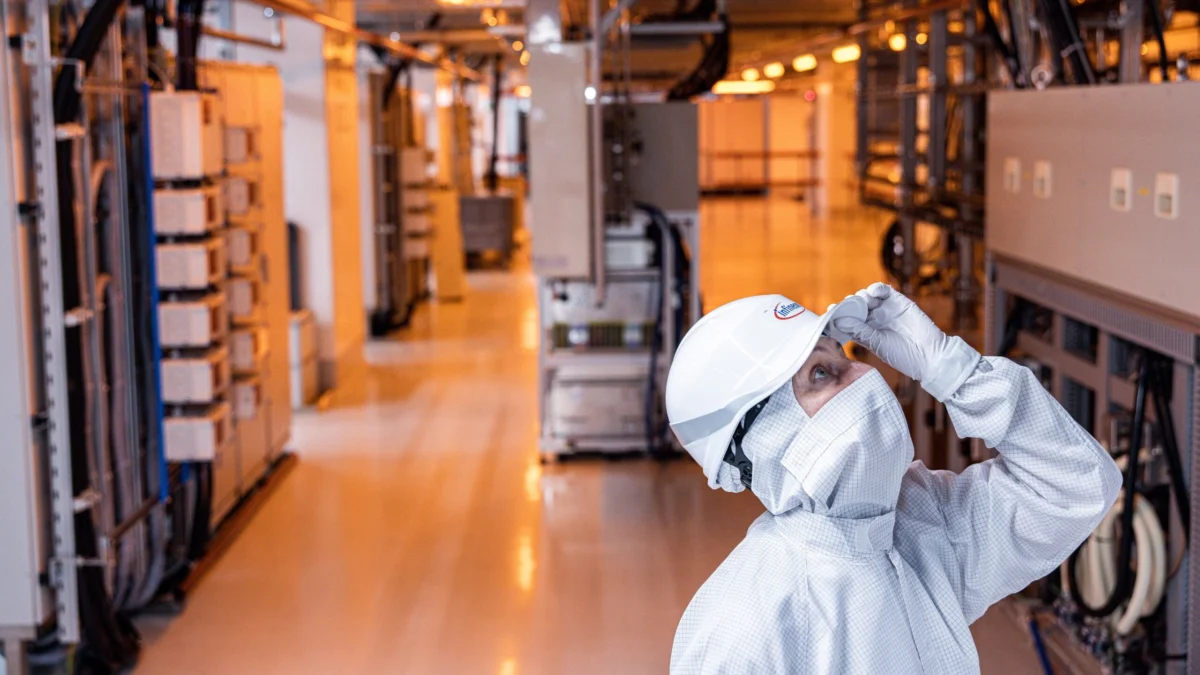
In a bold move to secure Europe’s position in the global semiconductor landscape, German tech giant Infineon Technologies has announced a massive €1.1 billion investment in its production facility in Villach, Austria. This expansion, centered on the next generation of power-saving chips, marks a critical turning point for the DAX-listed company as it aggressively pursues the burgeoning market for Gallium Nitride (GaN) technology.
The Core Investment: Powering the Future with GaN
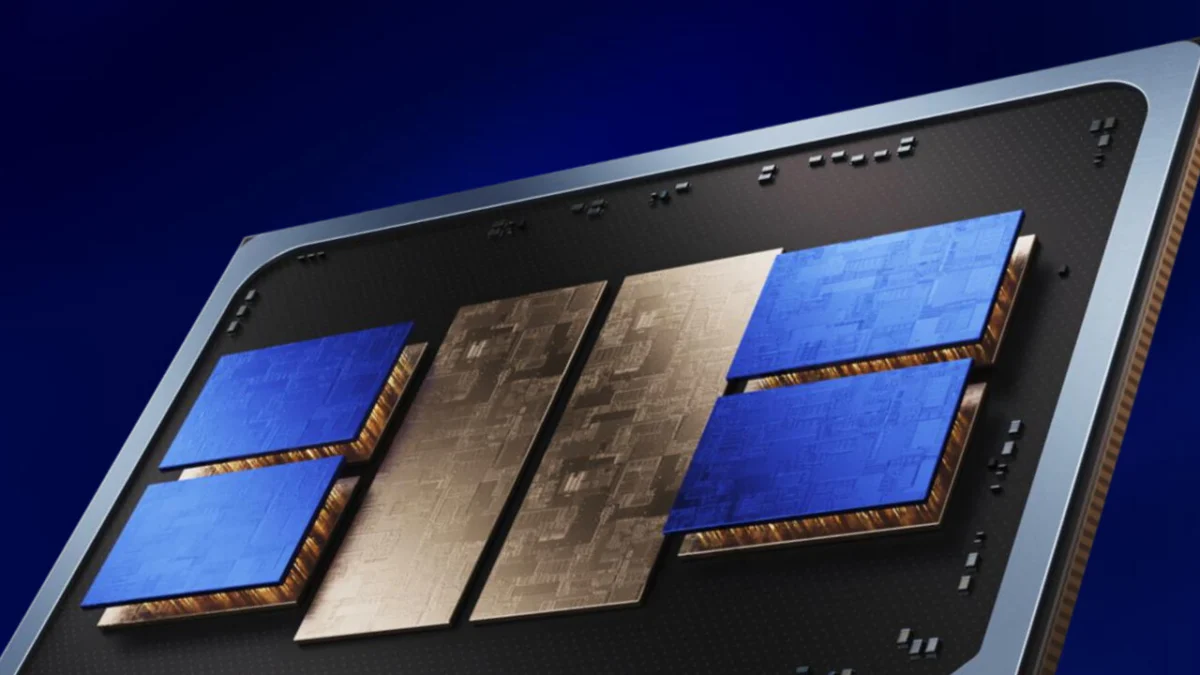
At the heart of this announcement is the construction of a cutting-edge, high-volume production line dedicated to Gallium Nitride (GaN) semiconductors. While traditional silicon has served as the backbone of the electronics industry for decades, the physical limitations of silicon are becoming increasingly apparent in an era defined by rapid electrification, data center expansion, and the demand for ultra-fast charging.
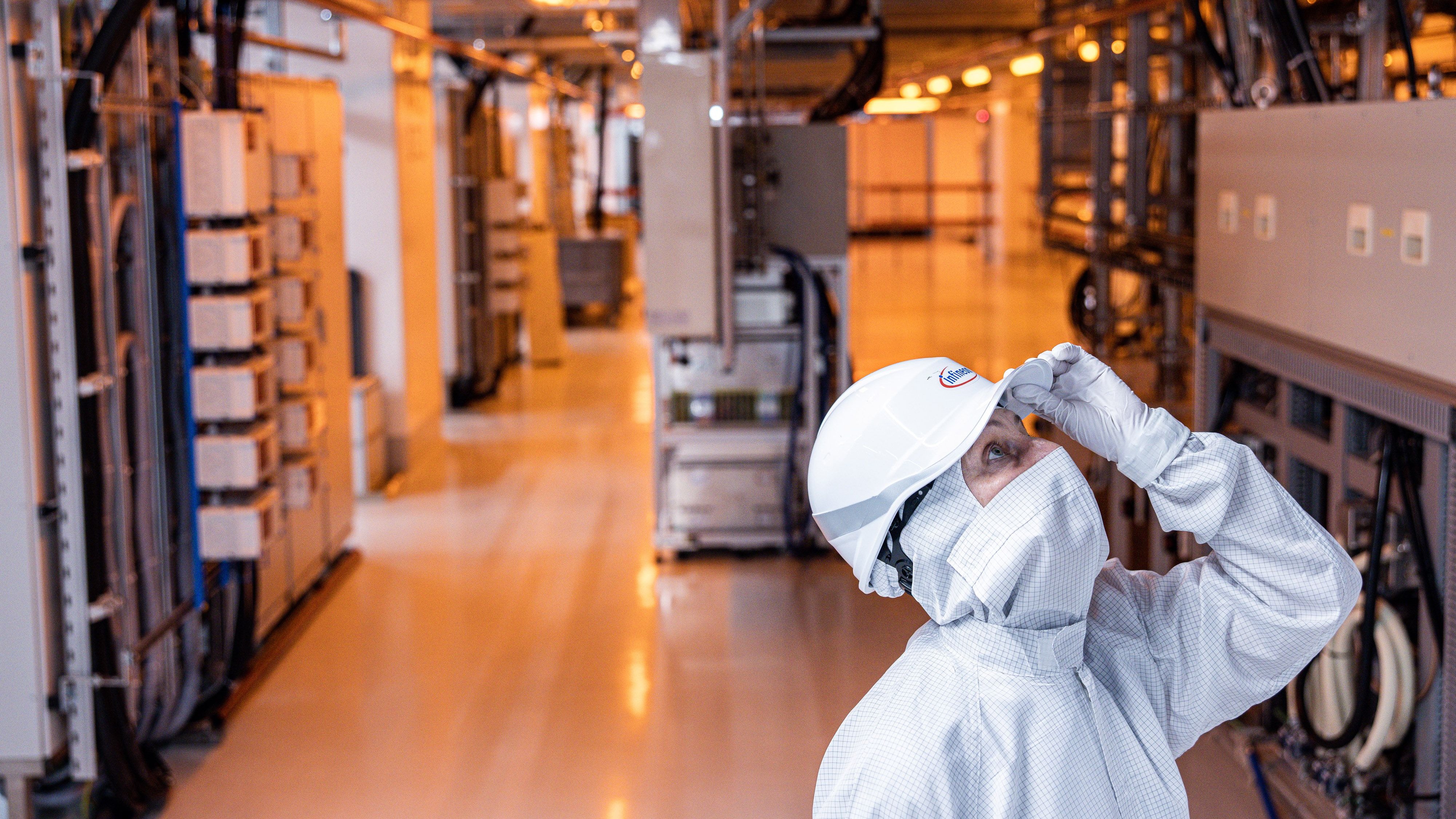
GaN, a wide-bandgap material, offers superior efficiency, higher switching speeds, and reduced energy losses compared to silicon. These attributes make it indispensable for the future of power electronics—ranging from electric vehicle drivetrains and renewable energy systems to consumer electronics and industrial automation. By investing €1.1 billion, Infineon is not merely expanding capacity; it is positioning itself as the global leader in a material science race that will dictate the efficiency of the global power grid.
Chronology of Strategic Growth
The decision to expand the Villach site did not occur in a vacuum. It is the culmination of a multi-year strategy aimed at vertical integration and technological dominance in the power-semiconductor sector.
- 2021: The Strategic Acquisition: Recognizing the potential of GaN early, Infineon acquired the Canadian firm GaN Systems for $830 million. This acquisition provided the technical blueprints and specialized expertise necessary to scale GaN production to industrial levels.
- 2022: The 300mm Breakthrough: In a major milestone for the industry, Infineon successfully produced the first GaN-on-silicon power semiconductor devices on 300-millimeter wafers. This was a critical technical hurdle, as larger wafers significantly reduce the cost-per-unit, allowing GaN to compete more effectively with legacy silicon technology.
- Summer 2023: The Dresden Expansion: Infineon signaled its commitment to European manufacturing by opening a new €5 billion factory in Dresden. This facility focused on power electronics and mixed-signal components, setting the stage for the broader European semiconductor "ecosystem" expansion.
- Present Day (2024): The Villach Commitment: With the announcement of the €1.1 billion investment in Austria, Infineon is transitioning from the pilot and development phase of GaN technology into mass production, aiming to capture significant market share in the automotive and industrial sectors.
Supporting Data: Why Gallium Nitride?
The semiconductor industry is currently undergoing a "material shift." As energy efficiency becomes a primary KPI for global corporations and governments alike, the physical properties of GaN are shifting from a "niche luxury" to a "standard requirement."
Efficiency Gains
Compared to standard silicon (Si) and silicon carbide (SiC), GaN power semiconductors offer significantly lower switching losses. This allows for smaller power supplies and lighter, more efficient electric vehicle (EV) components. In a world where battery life and energy density are paramount, the ability to shrink cooling systems and power components is a competitive advantage.
The Scaling Challenge: Wafer Sizes
The primary barrier to mass adoption for GaN has historically been cost. The industry standard for GaN manufacturing has long been 150-millimeter wafers, which are inefficient for high-volume production. The industry is currently transitioning to 200-millimeter wafers. Infineon’s breakthrough in 300-millimeter wafer manufacturing—the same size used for state-of-the-art silicon chips—is the "holy grail" of cost reduction. By leveraging its existing 300mm expertise from its silicon lines, Infineon intends to drive down the unit cost of GaN chips to a level where they can be ubiquitous in household appliances, servers, and EVs.
Official Responses and Strategic Rationale
Infineon CEO Jochen Hanebeck, addressing stakeholders, framed the investment as a matter of both economic and geopolitical necessity.

"This substantial investment is our clear commitment to strengthening the European semiconductor ecosystem and the technological sovereignty of Europe," Hanebeck stated. The narrative of "technological sovereignty" has become a cornerstone of European industrial policy, particularly following the supply chain disruptions of the COVID-19 pandemic and the subsequent chip shortage.
By anchoring high-tech manufacturing in Villach and Dresden, Infineon is effectively positioning itself as a beneficiary of the European Chips Act, which seeks to double the EU’s share of global chip production to 20% by 2030. The company has worked closely with national and regional governments to secure subsidies, reflecting a growing consensus that semiconductor manufacturing is a strategic asset equivalent to critical infrastructure.

Implications for the Global Semiconductor Landscape
1. Strengthening the European Supply Chain
The investment in Villach is a vital pillar in the EU’s attempt to reduce dependence on Asian and American foundries. By building out a complete value chain—from R&D in Germany to high-volume manufacturing in Austria—Infineon is insulating European customers, particularly in the German automotive sector, from the volatility of global logistics.
2. Competitive Pressure on Rivals
Infineon’s move exerts significant pressure on competitors such as STMicroelectronics, Wolfspeed, and Texas Instruments. As Infineon scales its GaN production, the barrier to entry for smaller players will rise. The "winner-takes-most" nature of semiconductor manufacturing means that those who reach the economies of scale associated with 300mm wafer production first will effectively dictate market pricing for the next decade.

3. Impact on Electric Vehicles and Green Tech
The automotive industry is the largest consumer of power semiconductors. As major manufacturers like Volkswagen, BMW, and Mercedes-Benz shift toward all-electric fleets, the demand for power-efficient inverters and on-board chargers will skyrocket. Infineon’s move ensures it remains the primary partner for these automakers, providing the hardware that extends the range and charging speed of future EVs.
4. Technological Convergence
The investment also highlights the convergence of AI and power management. As data centers consume more electricity to power generative AI, the requirement for efficient power conversion becomes critical. GaN-based power supplies for servers can reduce energy waste by significant percentages, translating into massive savings in operational costs for cloud giants like Google, Microsoft, and Amazon.

Conclusion: A Calculated Leap Forward
The €1.1 billion investment in the Villach facility is more than just a capital expenditure; it is a declaration of intent. Infineon is betting that the transition to Gallium Nitride is not just a trend, but an inevitable evolution of the digital economy.
By integrating this technology into its existing, highly efficient European manufacturing footprint, the company is creating a moat that will be difficult for competitors to bridge. As the world faces the dual challenges of rapid digitalization and the urgent need for decarbonization, the chips produced in this new Austrian line will be at the literal core of the hardware that powers our future. The company has successfully navigated the complexities of post-pandemic supply chain issues and is now aggressively steering toward a future where efficiency is the primary currency of the electronics world.

While the path ahead will involve significant execution risks—including the integration of new wafer technologies and the ongoing volatility of global trade—Infineon appears well-positioned to maintain its status as a cornerstone of European industrial strength. The Villach expansion serves as a reminder that even in an increasingly digitized world, the physical foundations—the factories, the materials, and the wafers—remain the ultimate source of power.