Across Europe and beyond, a quiet revolution is taking place along our waterways. Gone are the days when concrete channels and straightened riverbeds were considered the pinnacle of engineering efficiency. Today, the focus has shifted toward "renaturation"—the ambitious, multi-billion-dollar effort to return rivers to their natural, meandering states. But as the ink dries on ambitious European Union mandates, a critical question emerges: Is our current approach to healing these ecosystems actually working, or are we merely performing cosmetic surgery on a patient that requires a much deeper intervention?
The Main Facts: Beyond Aesthetics
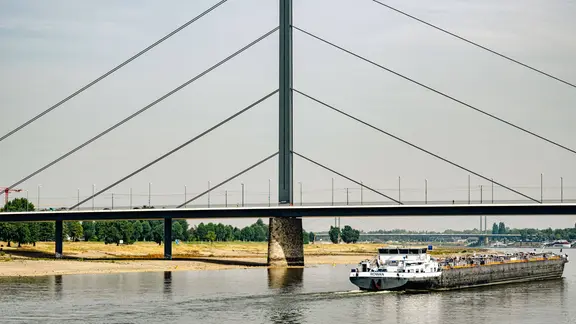
For decades, the human relationship with rivers was defined by control. We straightened channels to speed up transport, built high embankments to prevent flooding, and hardened banks with concrete to stabilize the land for agriculture and development. While these measures served short-term human needs, they exacted a heavy toll on the environment. We lost wetlands, severed the connection between rivers and their floodplains, and decimated biodiversity.
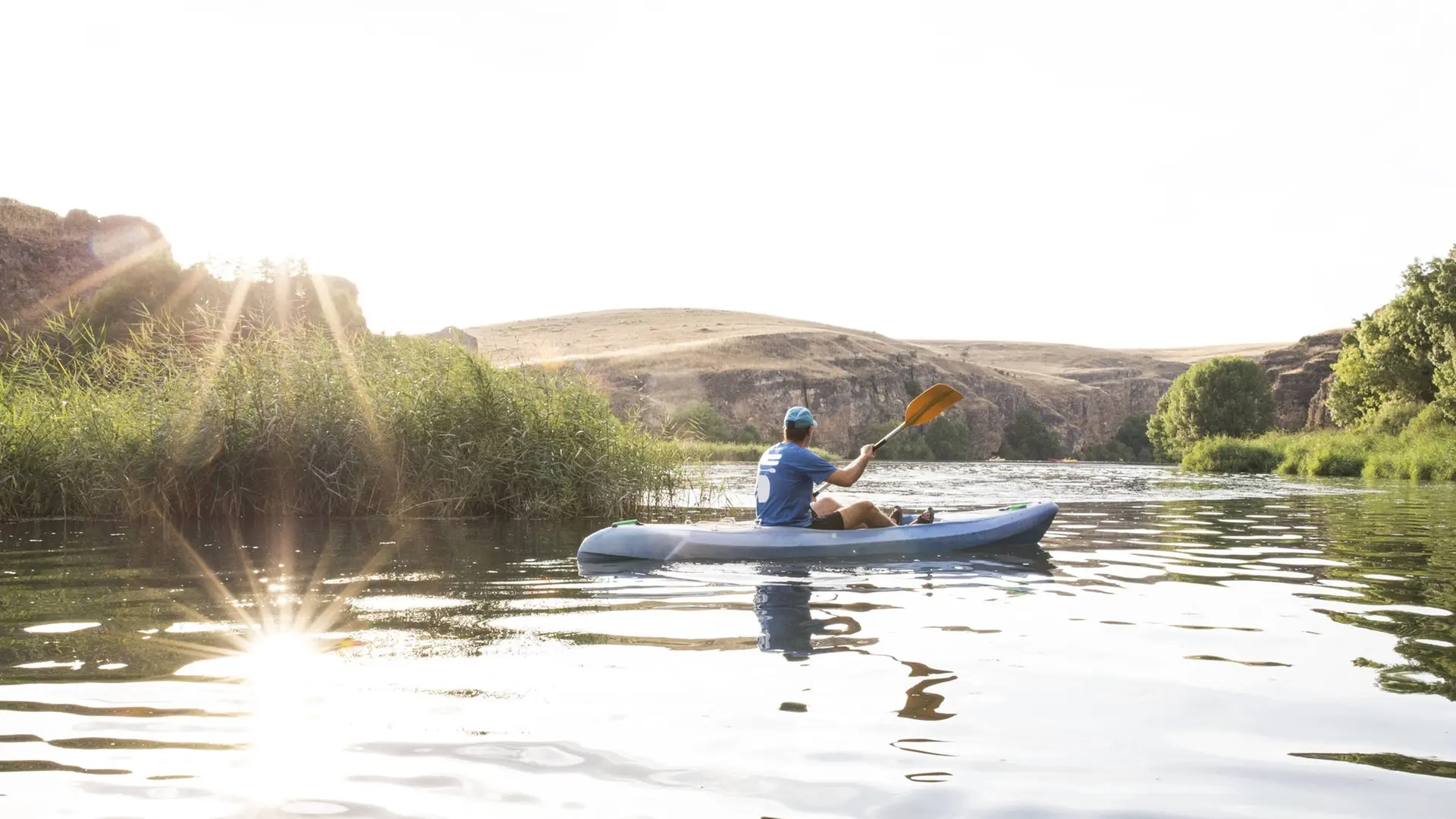
Renaturation seeks to reverse this damage. By reintroducing curves (meanders), removing concrete barriers, and allowing rivers to "eat" into their banks and deposit sediment naturally, conservationists aim to restore the "ecosystem services" that healthy rivers provide: natural water filtration, carbon sequestration, and, crucially, climate resilience.
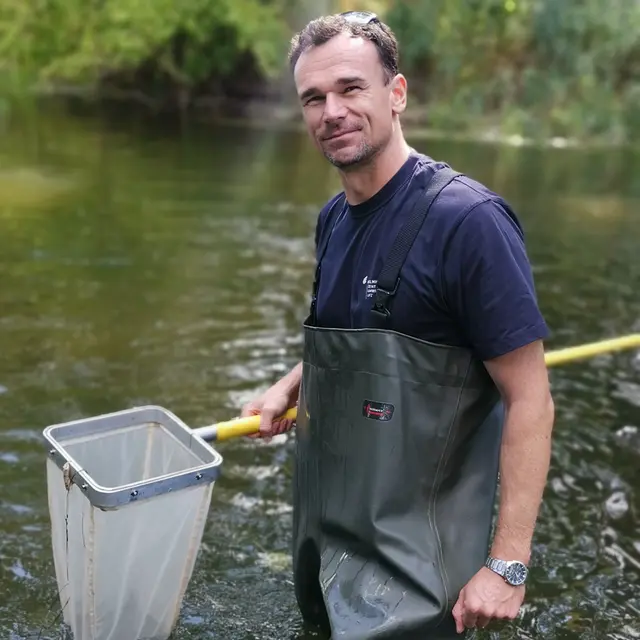
However, a landmark meta-analysis conducted by researchers at the Helmholtz Centre for Environmental Research (UFZ) in Leipzig has introduced a sobering reality check. While physical restoration often leads to a localized increase in species diversity—more bugs, more fish, more reeds—it does not automatically restore the complex, invisible "ecosystem functions" that keep a river healthy and capable of buffering against extreme weather.
A Chronology of Control and Correction
The history of river management is a pendulum that has swung from wild indifference to rigid engineering, and now, to an era of "restorative ecology."
- The Age of Industrialization (1800s–1950s): Rivers were viewed primarily as industrial assets. The Rhine, the Danube, and the Elbe were subjected to massive engineering projects. In Germany, the Mulde River was heavily modified to protect growing urban centers, stripping it of its ability to fluctuate naturally.
- The Environmental Awakening (1970s–1990s): Following a series of devastating floods and ecological collapses, the "blue" environmental movement gained traction. Scientists began to argue that a river without a floodplain is a ticking time bomb, both ecologically and hydrologically.
- The EU Water Framework Directive (2000): This landmark policy established a legal requirement for EU member states to achieve "good ecological status" for all surface waters. It signaled the formal beginning of the modern renaturation era.
- The Era of Meta-Analysis (2020s–Present): With thousands of projects completed, researchers are finally able to zoom out. The recent UFZ study represents a turning point, shifting the conversation from "how many miles of river did we restore?" to "how well is the river actually functioning?"
Supporting Data: The Disconnect Between Form and Function
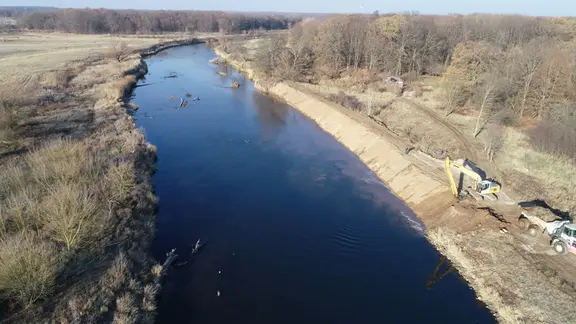
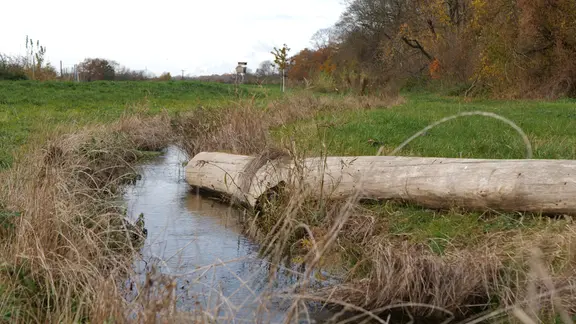
The UFZ research, led by stream ecologist Dr. Mario Brauns, highlights a fundamental discrepancy. When we modify a river’s shape—a process known as hydromorphological restoration—we see immediate visual improvements. The "Mulde" south of Dessau-Roßlau is a prime example: by removing stone reinforcements and dropping "deadwood" (fallen trees) into the channel, the river creates new habitats.
Yet, the data shows that "form" does not always equate to "function."
- Biodiversity Gains: In many cases, the number of species increases. New niches are created for invertebrates and fish that rely on slow-moving water or root structures.
- Functional Stagnation: Many critical processes, such as nutrient cycling, bacterial activity, and the breakdown of organic matter, often remain impaired. Even if the river looks "natural," the microbial life and biochemical processes that purify the water are not operating at pre-industrial levels.
- The Scale Problem: Many projects are too small. Restoring a 500-meter stretch of a 200-kilometer river is akin to fixing a single broken pipe in an entire city’s plumbing system; it may improve local conditions, but it does not fix the systemic health of the waterway.
Official Responses and Scientific Consensus
The scientific community is not suggesting that we abandon renaturation. On the contrary, the consensus is that we must move toward "functional renaturation."
Dr. Mario Brauns emphasizes that the goal is not merely to create a scenic park, but to build a robust ecosystem. "Renaturation measures are extremely important because they contribute to restoring lost stream habitats and their biodiversity," Brauns explains. "However, what our results show is that we need to think on a larger scale."
Policy experts are now advocating for "catchment-wide" management. This means that instead of focusing on the riverbed alone, we must manage the land use of the entire surrounding basin. If the water entering the river is loaded with agricultural fertilizers or urban runoff, no amount of riverbed reshaping will bring back a healthy ecosystem. Furthermore, as climate change accelerates, the protective function of these rivers—their ability to absorb excess rainfall—becomes a matter of national security.
The Implications: A Shift in Strategy
What does this mean for the future of our rivers? It implies a move away from "quick-fix" projects toward long-term, landscape-scale management.
1. Beyond the Riverbed
We must address the riparian zone—the strip of land immediately alongside the river. Planting native trees, creating buffer strips to catch runoff, and reconnecting floodplains are just as important as moving rocks around in the water.
2. Measuring Success Differently
Current metrics are often focused on output (how many cubic meters of soil were moved?). Future metrics must be outcome-based (how much nitrogen did the river process? How much did the peak flood level decrease?). This requires more sophisticated monitoring technology and a longer time horizon for project evaluation.
3. Acceptance of "Wilder" Landscapes
The public must be prepared for a shift in aesthetics. A healthy, functioning river is often messy. It has eroding banks, rotting logs, and shifting gravel bars. It does not look like a manicured canal. Transitioning to this model requires public education, as local residents often complain when a riverbank "collapses" (which is actually a natural, healthy process).
4. Integrating Climate Adaptation
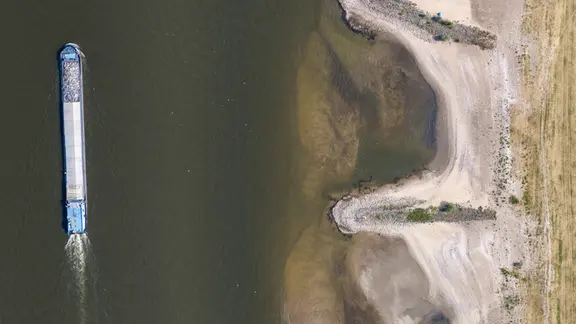
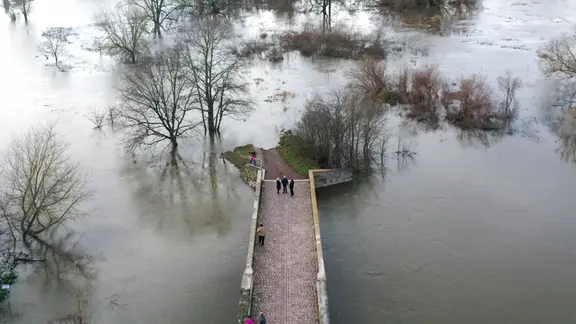
Renaturation is no longer just an environmental luxury; it is a critical climate adaptation tool. As heatwaves and droughts become more frequent, deep, natural river channels with healthy vegetation can act as cooling corridors. Conversely, in times of flood, these rivers act as massive sponges, protecting downstream cities from catastrophe.
Conclusion: The Long Road to Recovery
The findings from researchers at the UFZ serve as a powerful reminder that we cannot simply "engineer" our way back to nature. Nature is not a machine that can be repaired by replacing a few parts; it is a complex, evolving system.

The renaturation of our rivers is a vital endeavor, but it is an incomplete one. We are currently in the "toddler phase" of this global movement. We have learned how to break the rivers, and we are now learning how to put them back together. The next decade will require a move away from the obsession with physical appearance and toward a deep understanding of ecological function.
If we want our rivers to sustain us—providing water, buffering floods, and housing the biodiversity that keeps our planet alive—we must give them the space to be truly wild. We cannot just force them into a new, "natural" shape and expect them to perform. We must provide the conditions for them to reclaim their own vitality. The rivers, after all, have been here for millennia; our job is not to build them, but to get out of their way and let them heal themselves.
As we look toward 2050 and beyond, the success of our environmental policy will be measured not by the beauty of our riverbank trails, but by the resilience of the water flowing within them. The "wild side" of the Mulde and other rivers around the world is not a bug in the system—it is the feature we must restore to survive the climate crisis.