The landscape of Germany’s defense sector is undergoing a rapid transformation. As geopolitical tensions rise and the demand for autonomous, high-precision military technology surges, a new player has emerged on the horizon. The Düsseldorf-based startup, Falk Defence, has officially confirmed it is evaluating the Leipzig region as a potential site for its future research, development, and testing facilities. This development comes on the heels of other major defense industry moves in Saxony, sparking both industrial optimism and public debate.
The Strategic Expansion: A New Hub for Precision Artillery
In an era where European nations are increasingly looking to decrease their dependence on foreign defense technology—such as the US-manufactured ATACMS (Army Tactical Missile System)—the push for domestic "defense sovereignty" has become a top priority. Falk Defence, a nimble, tech-forward startup, aims to position itself at the heart of this transition.
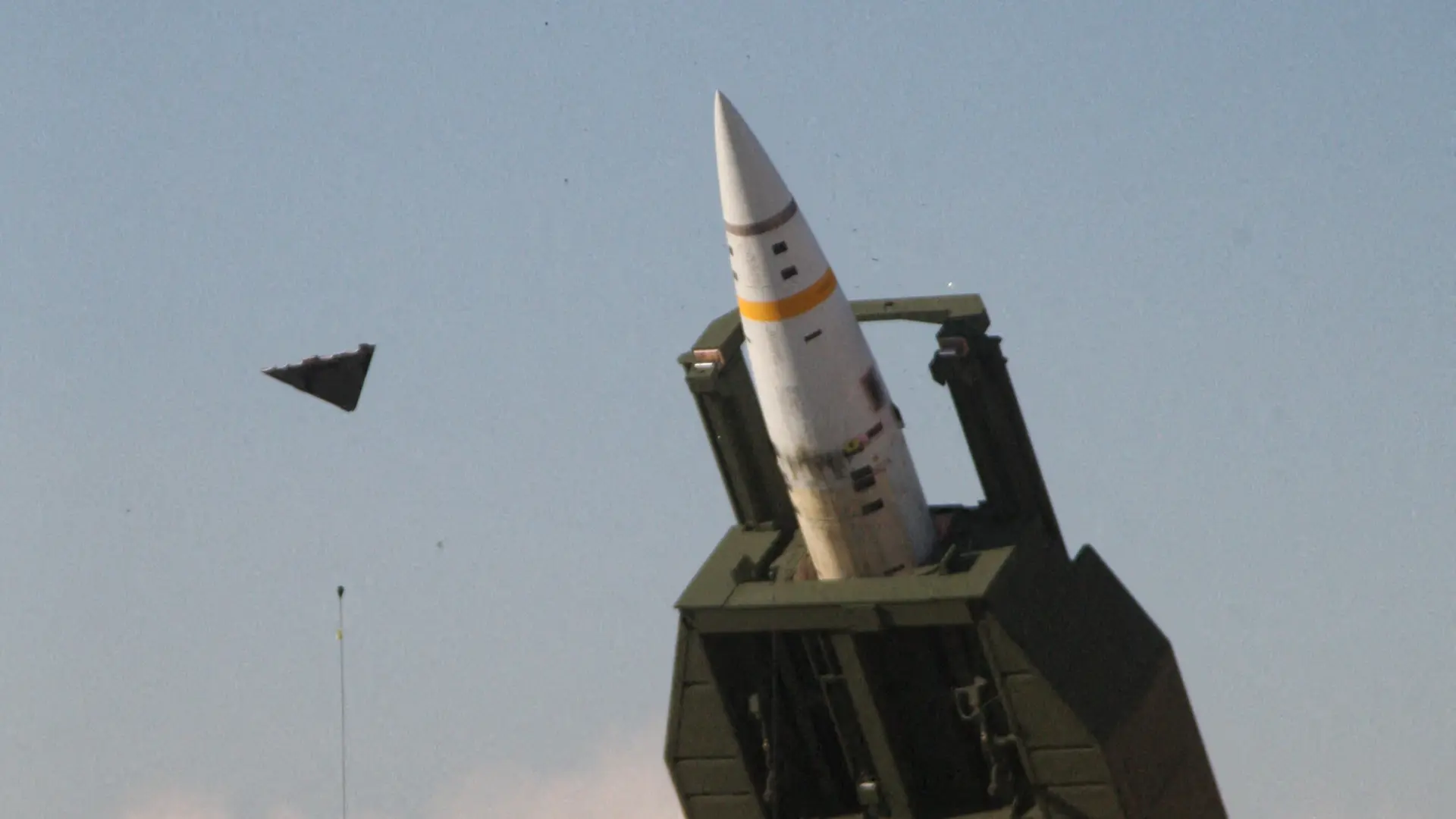
The company has recently signaled its intent to scale up its operations significantly. Job postings on the company’s digital platforms explicitly mention "Leipzig, Germany" as a target location for experts in the fields of rocket artillery systems, sensor fusion, and precision-guided munitions. According to company statements, the focus is not merely on manufacturing but on the high-end engineering required to develop the next generation of precision-strike capabilities.
The choice of Leipzig is far from coincidental. With its existing infrastructure, proximity to high-tech manufacturing corridors, and a growing pool of specialized talent in aerospace and automotive engineering, the region has become a magnet for firms looking to integrate into the modern European defense supply chain.

Chronology of the Move
The entry of Falk Defence into the regional conversation did not happen in a vacuum. The timeline of their interest aligns with a broader European pivot toward rearmament and technological independence.
- Mid-2026: Falk Defence identifies a strategic gap in the market for agile, modular artillery systems capable of being deployed rapidly in high-intensity conflict zones.
- September 2026: The startup begins preliminary scouting for sites that offer both industrial zoning and access to research institutes, with the Leipzig-Halle area topping the list.
- October 26, 2026: In response to inquiries from regional media, the company confirms that it is in the "evaluation phase" regarding the establishment of development and production capacities in the Leipzig region.
- Late October 2026: The company actively launches a recruitment campaign, targeting engineers and systems architects for its proposed Saxon branch.
Supporting Data: Why Leipzig?
Leipzig’s attractiveness to the defense sector is underpinned by several economic and structural factors.

- Logistical Connectivity: With one of Europe’s busiest cargo airports (Leipzig/Halle) and a highly integrated rail network, the region allows for the rapid movement of sensitive equipment and components.
- Academic Synergy: The proximity to the Technical University of Dresden and various Fraunhofer Institutes provides a ready-made pipeline of researchers specializing in materials science, robotics, and propulsion systems.
- Industrial Clustering: The presence of established automotive and logistics firms has created a manufacturing culture that values precision and standardized quality control, which is essential for the defense industry’s stringent requirements.
While the startup is still in the "testing" phase, experts suggest that a successful investment could bring hundreds of high-paying jobs to the region, stimulating a secondary economy of software development and specialized maintenance services.
Official Responses and Corporate Strategy
In an exclusive comment provided to the regional press, a spokesperson for the Team Falk Defence GmbH emphasized that the firm is looking at a long-term horizon.

"Falk Defence is currently analyzing how and where we can best scale our development and production capacities to meet the evolving needs of our partners," the statement read. "The region of Leipzig is an integral part of those ongoing considerations."
The company is careful to frame its mission not merely as a commercial venture, but as a contribution to collective security. "We see our contribution in strengthening the defense capabilities of Europe as a whole," they added, signaling a move away from the "national-only" production models of the 20th century toward a more integrated European defense industrial base.

The Market Drivers: Ukraine and Beyond
A critical question remains: Who are the intended customers for these new artillery systems?
Recent industry reports and social media activity from the firm suggest that the company is keenly aware of the requirements emerging from the war in Ukraine. During a recent conference of the German-Ukrainian Chamber of Commerce in Kyiv, representatives from Falk Defence engaged in high-level discussions regarding security architecture.

However, the company insists its business model is not strictly contingent on a single conflict. By designing systems that are interoperable with existing NATO infrastructure, Falk Defence aims to fill a void for medium-sized nations that require sophisticated weaponry but lack the massive, slow-moving industrial apparatus of traditional defense giants.
The Broader Context: The "Covenant" Precedent
The interest of Falk Defence in Leipzig cannot be discussed without referencing the recent arrival of the US defense firm, Covenant.

Earlier this autumn, Covenant finalized the setup of a production facility in the outskirts of Leipzig, specializing in the manufacturing of long-range cruise missiles. This move served as a litmus test for the region’s willingness to host the defense industry. The reaction was immediate and polarized. While local economic leaders hailed the arrival of high-tech manufacturing and job security, it triggered a wave of public concern.
Protests have become a recurring feature of the local landscape. Just this past Saturday, hundreds of demonstrators gathered in the city center, demanding a halt to what they describe as the "militarization of the Leipzig economy." Critics argue that by positioning such firms in the region, Leipzig risks becoming a target for geopolitical sabotage and a center for industries that contradict the city’s progressive, peaceful identity.

Implications for the Future
The potential arrival of a second major defense player in the region poses significant implications for the local, state, and federal levels of government.
1. Economic Transformation
If Falk Defence proceeds with its plans, it will further cement Saxony’s transition from a post-industrial landscape to a high-tech manufacturing powerhouse. This shift, however, requires a delicate balancing act. Policymakers must decide if the benefits of tax revenue and high-skilled employment outweigh the risks of intense social friction and the potential for the region to be viewed as a "defense hub" rather than a center for culture and commerce.

2. The Social Contract
The ongoing protests against the defense industry reflect a deeper divide in German society regarding the "Zeitenwende" (the historic shift in security policy). The challenge for companies like Falk Defence will be community engagement. Unlike the traditional defense giants of the Cold War era, modern startups often lack the established public relations machinery to navigate local anxieties effectively.
3. Geopolitical Positioning
For Germany, having domestic companies capable of producing precision artillery is a strategic necessity. The dependency on US or other non-European systems has been exposed as a vulnerability during the recent years of heightened global instability. By fostering a domestic ecosystem, the German government can ensure that its defense supplies are not subject to the political shifts of foreign administrations.

Conclusion
The exploration of the Leipzig region by Falk Defence is more than just a business development story—it is a reflection of the profound shifts occurring in global security and industrial policy. The startup finds itself at the intersection of technological ambition, economic opportunity, and intense ethical debate.
As the company continues its evaluation process, the eyes of the region, the industry, and the public will be fixed on the next steps. Whether Leipzig ultimately becomes a bastion of European defense innovation or a focal point for the struggle over the ethics of the arms trade, one thing is clear: the face of the region’s industry is changing, and the implications of this shift will be felt for decades to come.
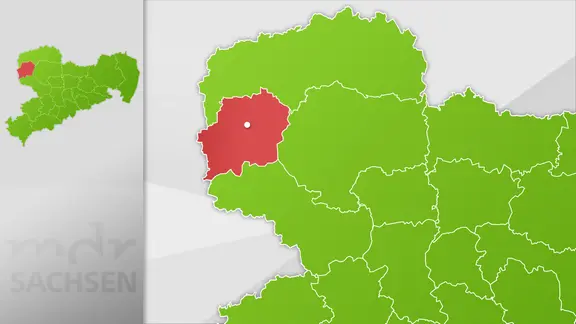
For now, the engineers and planners at Falk Defence continue their work, mapping out a future where the next generation of precision technology might just be designed and tested in the heart of Saxony. The path forward is complex, but for a startup seeking to redefine its role in European security, it is a risk they seem more than willing to take.
Fact File: The Modern Artillery Landscape
- The Technology: Modern artillery, like the systems proposed by firms such as Falk Defence, utilizes advanced GPS-denied navigation and AI-driven target acquisition.
- The Shift: Europe is moving away from large-caliber, unguided systems toward "smart" munitions that reduce collateral damage while increasing the probability of mission success.
- The Regional Impact: The concentration of defense firms in Saxony mirrors the growth of the "Silicon Saxony" cluster in microelectronics, suggesting that defense could become a significant vertical for the state’s economy by 2030.