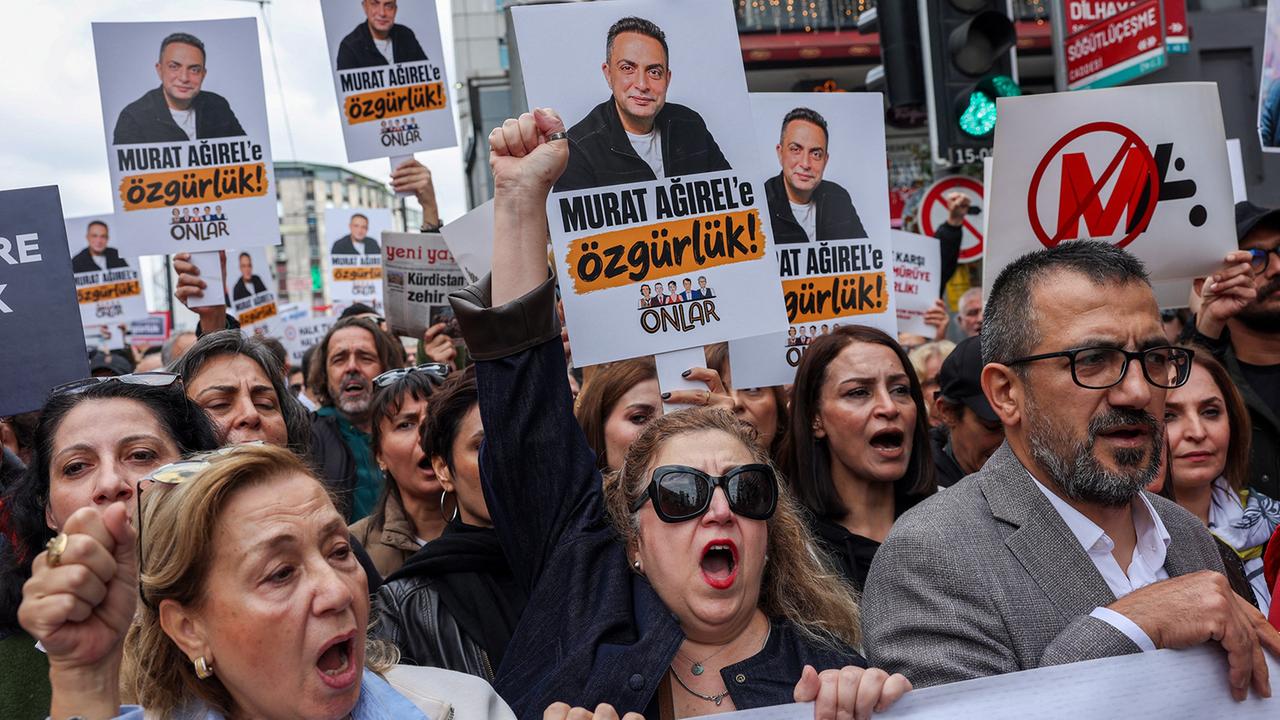
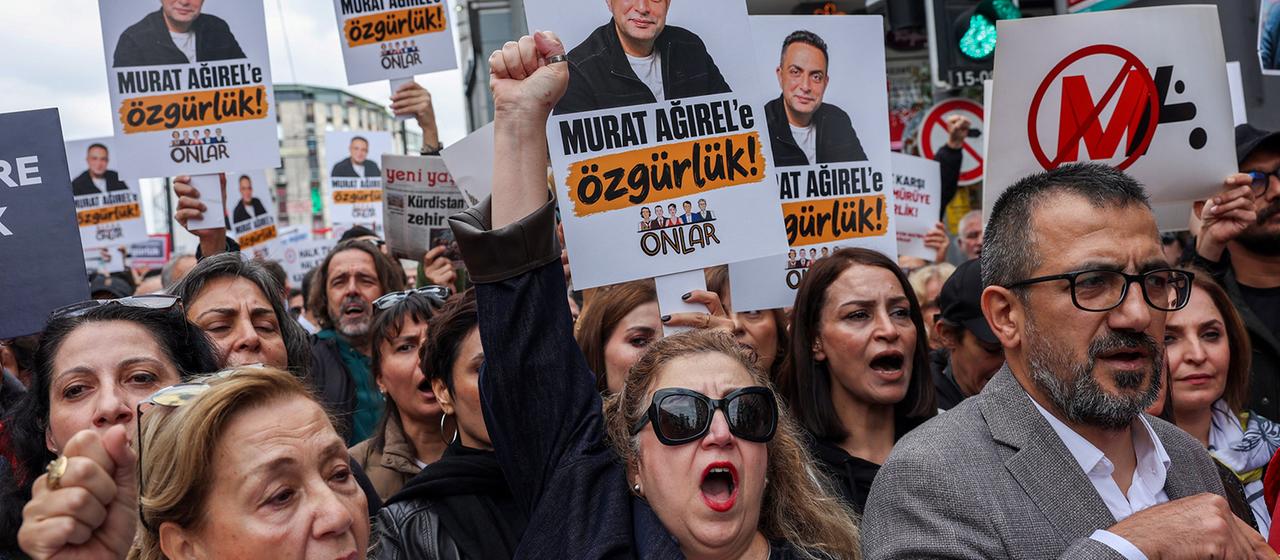
Istanbul, Turkey – October 26, 2026 – A palpable sense of urgency and defiance permeated Istanbul and ten other cities across Turkey this past Saturday, as thousands took to the streets to voice their unwavering demand for press freedom. The protests, a powerful testament to the enduring spirit of independent journalism, come at a critical juncture for the nation, where media outlets face escalating pressure, journalists are increasingly targeted, and the government’s grip on information tightens. The demonstrations, while largely peaceful, underscore a growing public concern over the erosion of democratic freedoms and the chilling effect on open discourse.
The rallies were a direct response to recent actions by Turkish authorities, including the blocking of independent media websites and the arrest of more journalists. Participants held aloft signs bearing slogans like "We will write, the people will speak," a clear declaration of their commitment to reporting the truth, even in the face of adversity. The demonstrations, which saw over 3,000 people gather in Istanbul alone according to police estimates, and at least another 3,000 in the capital Ankara, signal a growing collective discontent with the prevailing media landscape.
The Stakes: Professional Futures and Fundamental Rights
For young journalists like 21-year-old Ada Daştekin, a journalism student who also contributes to the government-critical newspaper BirGün, the fight for press freedom is inextricably linked to her professional future. "We want to practice journalism in a freer atmosphere. We don’t want to be arrested or put on trial for writing, for speaking, or for expressing our thoughts," she articulated during the Istanbul rally, her voice resonating with conviction. Her words encapsulate the anxieties shared by many in the profession who fear that their commitment to factual reporting is being criminalized.
The presence of posters depicting İsmail Arın, another journalist from BirGün recently detained on charges of spreading "misleading information," served as a stark reminder of the personal cost of this crackdown. Daştekin emphasized the solidarity with Arın and the countless other journalists who have been imprisoned. "We are here today for him and for the many other journalists here who have been arrested," she stated, highlighting the interconnectedness of their struggles.
A Steepening Decline: The Closing of Independent Voices
The current wave of repression is not an isolated incident but rather an intensification of a long-standing trend. Journalists’ unions and opposition groups have consistently accused the Turkish judiciary, acting on behalf of the government, of targeting unfavorable reporting. Over the years, this has manifested in the acquisition of newsrooms by pro-government conglomerates, leading to a significant shift in media ownership. According to estimates from Reporters Without Borders, a staggering 90 percent of media outlets now reportedly adhere to a pro-government narrative.
Recent Escalations in Media Suppression:
- September 2026: Authorities blocked the website of the independent news portal T24, citing alleged "LGBT propaganda" as justification – a move widely seen as a pretext for silencing critical voices.
- Two Weeks Prior to Protests: A raid was conducted on Halk TV, a television channel associated with the largest opposition party. The station was placed under state administration, with authorities officially citing investigations into bribery and money laundering. However, press associations and the opposition have expressed deep skepticism about these official explanations.
Erol Önderoğlu, former Turkey representative for Reporters Without Borders, offered a more pointed interpretation of these recent events. He suggests that the government’s escalating aggression towards journalists may be a strategic response to a perceived decline in popularity for President Erdoğan and his party ahead of upcoming elections. This perspective frames the media crackdown not just as an ideological battle, but as a political maneuver aimed at controlling the narrative and mitigating potential electoral losses.
The Shadow of Corruption: A Stock Market Scandal and its Political Fallout
The political landscape in Turkey is further complicated by a burgeoning stock market scandal that threatens to tarnish the image of President Recep Tayyip Erdoğan’s ruling party, the AKP, ahead of the next general elections in 2028. Current opinion polls indicate a dip in support for the AKP. The scandal, described as one of the largest in Turkish history, involves the alleged manipulation of over 100 state-controlled investment funds. While thousands of small investors have suffered financial losses, reports suggest that several high-ranking AKP members may be implicated.
One such figure is Fatma Betül Sayan Kaya, who until recently held the position of deputy chairperson of the party and previously served as the Minister of Family and Social Policies. Media reports allege that she profited significantly by selling her shares using insider information shortly before the market’s collapse. In response to these allegations, Erdoğan expelled her from the AKP. Notably, both T24 and Halk TV had extensively covered the unfolding stock market irregularities, underscoring the potential connection between the media crackdown and the suppression of investigations into corruption.
Personal Tributes and Collective Grief: The Impact on Journalists
The closure and seizure of media organizations have a profound personal impact on those who dedicated their careers to them. Among the protestors in Kadıköy were former employees of Halk TV. Gözde Şeker, a 39-year-old who hosted a show on the channel until its takeover, described the news as a devastating shock. "It was a very shattering experience for all of us. Halk TV was more than just one of the most-watched television channels in this country. It feels like a family member was taken away from me," she shared, her voice heavy with emotion.
Şeker believes it is imperative for media professionals to unite and take a stand. She criticized the lack of a sufficiently robust response to previous closures of other media outlets, suggesting that a stronger, more unified front could have potentially deterred future suppressive actions.
The Persistent Threat of Arrest: Resilience in the Face of Fear
Demonstrating in Turkey, however, carries an inherent risk of arrest. Even Şeker admitted to feeling a sense of unease while participating in the protest. "I am certainly afraid, but not just for myself. I am afraid for the future of this country, for our homeland," she confessed. Despite the risks, she remains committed to continuing her work as a journalist. Like many other critical journalists in Turkey, she has transitioned to publishing her content on platforms like YouTube and social media, seeking alternative avenues to reach the public.
The younger generation of journalists, exemplified by Ada Daştekin, also displays a defiant spirit. While some of her peers contemplate leaving the country, Daştekin is determined to stay and fight for change. "I want to stay here, fight, and make a difference. And I believe that we, as journalists, are one of the most important driving forces for change," she asserted.
A Watchful Eye: Drones and the Ever-Present Threat
As the protest on the Bosphorus waterfront dispersed in the afternoon, the immediate threat of arrest seemed to have receded for the day. However, the pervasive atmosphere of surveillance was undeniable. Drones, operated by the police who had deployed hundreds of officers to monitor the journalists, patrolled the skies alongside seagulls. This visible presence served as a constant reminder that even in moments of public assembly, the state maintained a watchful eye, underscoring the precarious nature of freedom of expression in contemporary Turkey. The protests, while a powerful display of solidarity, also highlighted the long and challenging road ahead for those striving to uphold the principles of a free and independent press in the country.