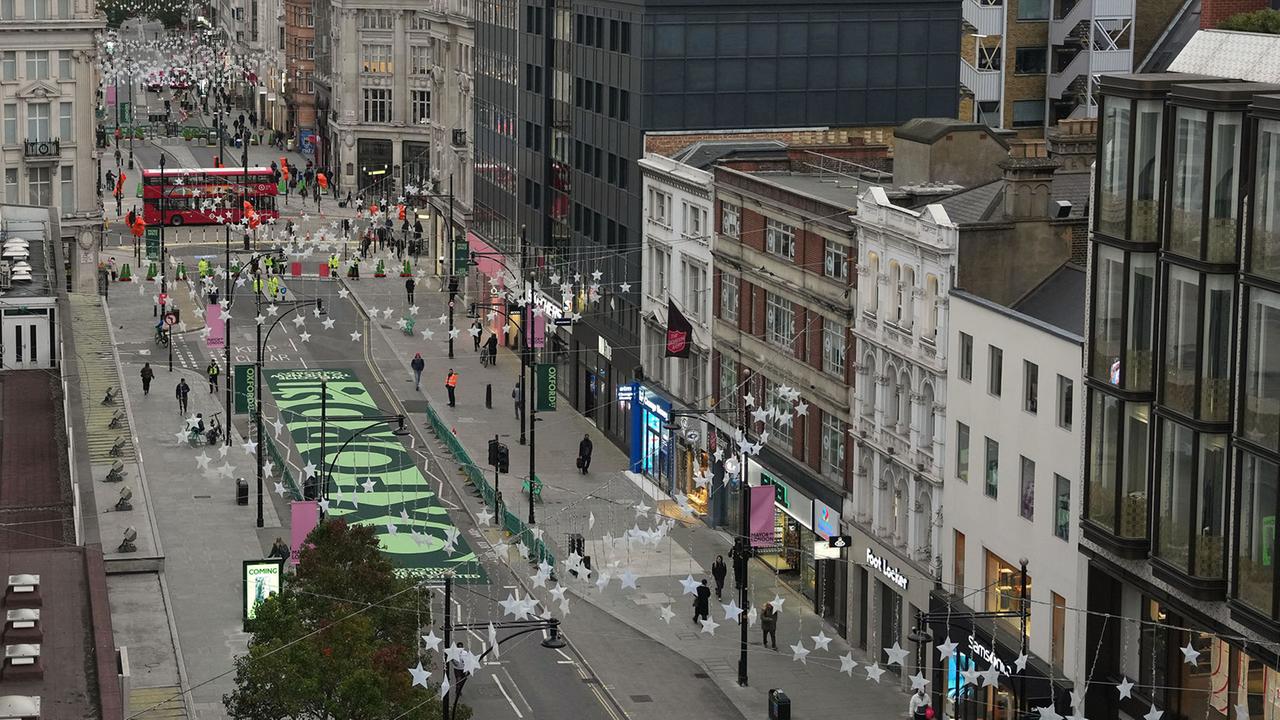
London, UK – October 26, 2026 – In a significant urban transformation, a pivotal section of London’s world-renowned Oxford Street has officially transitioned into a pedestrian-only zone, marking a new chapter for this historic shopping thoroughfare. The ambitious £150 million (approximately €178 million) project aims to revitalize the street, battling declining retail fortunes and reclaiming its status as a premier destination for shoppers and visitors alike. This landmark decision, effective today, ushers in an era of enhanced pedestrian experience, greener urban spaces, and a renewed focus on the cultural and economic vitality of the West End.
Oxford Street, a name synonymous with global retail, has long been a magnet for shoppers, drawing an estimated 500,000 visitors daily, with numbers surging significantly during peak seasons like Christmas. However, in recent years, the street has faced mounting challenges. A proliferation of vacant storefronts, an influx of discount retailers, and a perceived decline in its exclusive image have cast a shadow over its former glory. The introduction of this extensive pedestrian zone is a strategic response to these pressures, signaling a commitment to reinventing the street for the 21st century.
The Genesis of a Pedestrian Paradise: A Chronology of Transformation
The journey to this pedestrianized future for Oxford Street has been a deliberate and evolving process, reflecting a growing understanding of urban planning and the changing needs of city centers. While today marks a significant milestone, the groundwork and conceptualization have been underway for some time, driven by a desire to address the street’s evolving challenges.
Early Discussions and Evolving Visions: The idea of restricting vehicle access on Oxford Street has been a recurring topic in urban planning discussions for years. As concerns grew about traffic congestion, air quality, and the overall pedestrian experience, various proposals were floated. These ranged from partial restrictions to more comprehensive car-free zones. The COVID-19 pandemic further amplified the need for reimagining urban spaces, with a renewed emphasis on public health and accessible, enjoyable city environments.
Formalization of Plans and Public Consultation: The current pedestrianization initiative gained significant momentum in recent years, culminating in extensive planning and public consultation phases. Local authorities, including Westminster City Council and Transport for London (TfL), engaged with residents, businesses, and stakeholders to refine the vision and address potential impacts. This consultative approach was crucial in shaping the final implementation, ensuring that the needs of diverse groups were considered.
The Key Transition: October 26, 2026: Today, October 26, 2026, represents the official commencement of the pedestrian zone on a significant stretch of Oxford Street. This initial phase encompasses approximately one kilometer of the street, extending between Orchard Street and Great Portland Street. The phased approach allows for careful monitoring, adaptation, and the gradual integration of the new urban fabric.
Future Expansion and Infrastructure Development: The current implementation is just the beginning. Plans are in place to extend the pedestrianized section further in the future, creating a more comprehensive car-free environment. Alongside the traffic restrictions, a significant investment is being made in enhancing the street’s aesthetic and functional appeal. By the spring of 2027, the new zone is slated to feature over 50 newly planted trees, alongside the installation of new seating areas, benches, and other street furniture. This focus on green infrastructure and public amenities is central to creating a more welcoming and engaging atmosphere.
Supporting Data and the Rationale Behind the Shift
The decision to transform Oxford Street into a pedestrian zone is not merely an aesthetic choice; it is underpinned by a growing body of evidence and a clear understanding of the benefits that such a transformation can yield.
Declining Retail Performance: Data from recent years has highlighted a concerning trend in retail vacancies and sales performance on Oxford Street. While precise figures fluctuate, the general narrative points to a struggle for traditional brick-and-mortar retailers to compete with online sales and evolving consumer habits. The presence of a significant number of discount and souvenir shops, while catering to a segment of the market, has also been seen as diluting the street’s premium appeal and deterring high-spending shoppers.
Environmental Benefits of Reduced Traffic: The elimination of vehicular traffic, including cars, buses, and taxis, from this section of Oxford Street will have a direct and positive impact on the local environment. Reductions in air pollution, including nitrogen dioxide and particulate matter, are anticipated. This not only contributes to a healthier urban environment for residents and visitors but also aligns with London’s broader climate goals and commitment to improving air quality. Furthermore, the reduction in traffic noise will create a more pleasant and tranquil atmosphere.
Enhanced Pedestrian Experience and Footfall: The primary objective of pedestrianization is to prioritize the pedestrian experience. By removing the constant flow of traffic, the street becomes safer, more accessible, and more enjoyable for walking, browsing, and lingering. This improved environment is expected to encourage longer stays, increased exploration of shops, and a greater propensity for impulse purchases. Urban planning studies consistently show that pedestrian-friendly environments often lead to increased footfall and dwell time, which can translate into higher retail revenues.
Economic Stimulation and Job Creation: While some may express concerns about the impact on businesses reliant on vehicle access, the long-term economic vision is one of stimulation and growth. The project is estimated to cost around £150 million, a significant investment that will create jobs during the construction phase. More importantly, the revitalized street is expected to attract more visitors, leading to increased spending across a wider range of businesses, from high-end fashion to hospitality and entertainment. The creation of a more attractive destination can also foster new business opportunities and attract investment.
Comparisons with Successful Pedestrian Zones Globally: The transformation of Oxford Street draws inspiration from numerous successful pedestrianization projects in major cities worldwide. Areas like La Rambla in Barcelona, the Champs-Élysées in Paris (albeit with ongoing debates about its future), and various high-street pedestrian zones in cities across Europe and North America have demonstrated the positive impacts of prioritizing people over cars. These examples highlight increased retail sales, improved public realm, and a strengthened sense of community.
Official Responses: A Vision for a New Era
The ambitious undertaking has garnered strong support from key figures within London’s political and urban planning landscape. Mayor of London, Sadiq Khan, has been a vocal advocate for the project, framing it as a crucial step in the evolution of the capital.
Mayor Sadiq Khan’s Vision: "This is a truly significant moment for the capital," stated Mayor Sadiq Khan, articulating his belief in the transformative power of this initiative. "Oxford Street has reinvented itself time and time again throughout history, shaping British culture. Today, we are ushering in a new era for the street." His remarks underscore the historical significance of Oxford Street and the strategic importance of this modernization effort. The Mayor’s vision emphasizes not just retail but also the broader cultural and social contribution of the street to London’s identity.
Westminster City Council’s Perspective: While not explicitly quoted in the provided text, Westminster City Council, as the local authority responsible for the area, has been instrumental in the planning and implementation of the project. Their support reflects a commitment to addressing the specific needs of the West End and ensuring its continued vibrancy as a global retail and cultural hub. Their focus has likely been on balancing the needs of businesses, residents, and visitors, while also contributing to London’s wider sustainability agenda.
Transport for London (TfL)’s Role: As the integrated transport authority for London, TfL plays a crucial role in managing the city’s transport network. Their involvement in redesigning traffic flows, managing public transport routes, and ensuring the smooth integration of the pedestrian zone into the wider transport system is paramount. TfL’s expertise in urban mobility will be critical in navigating the logistical challenges and ensuring that the transition is as seamless as possible for all users of the city.
Implications and the Road Ahead
The pedestrianization of Oxford Street is more than just a local development; it carries broader implications for the future of urban retail, public spaces, and city planning in London and beyond.
A Catalyst for Further Urban Transformation: This bold move on Oxford Street is likely to serve as a catalyst for similar initiatives in other parts of London and in cities facing comparable urban challenges. The success of this project could embolden other authorities to consider more radical approaches to reclaiming public space for people, prioritizing environmental sustainability, and enhancing the quality of urban life.
The Future of Retail and the High Street: The transformation of Oxford Street is a significant indicator of the evolving landscape of retail. It suggests a future where high streets are not solely defined by transactional shopping but by experiential engagement, leisure, and a strong sense of place. Retailers will need to adapt to this new environment, focusing on creating engaging in-store experiences, integrating with the public realm, and leveraging the increased footfall. The emphasis will shift from mere accessibility by car to the creation of an inviting and enjoyable environment that encourages people to spend time and money.
Challenges and Opportunities for Businesses: While the long-term vision is positive, there will undoubtedly be a period of adjustment for businesses operating on Oxford Street. Those reliant on vehicle drop-offs or quick access for specific customer segments may face initial challenges. However, the opportunity lies in adapting to the new paradigm, embracing the increased pedestrian traffic, and potentially exploring new business models that capitalize on the enhanced public realm. Collaboration between businesses, local authorities, and TfL will be crucial in navigating these challenges and maximizing the opportunities.
Enhancing London’s Global Appeal: By transforming one of its most iconic streets into a vibrant, pedestrian-friendly destination, London is reinforcing its status as a forward-thinking and dynamic global city. The project has the potential to attract a new wave of visitors, boost tourism, and further cement London’s reputation as a world-class destination for shopping, culture, and urban living. The investment in green infrastructure and public amenities will contribute to a more sustainable and livable city, appealing to both residents and international visitors alike.
In conclusion, the pedestrianization of Oxford Street represents a significant and courageous step towards a more people-centric, sustainable, and economically vibrant urban future. While the journey of reinvention is ongoing, this transformation signals a clear commitment to reimagining iconic urban spaces for the benefit of all. The coming years will reveal the full impact of this ambitious project, but the initial outlook is one of renewed promise and a revitalized Oxford Street ready to reclaim its legendary status.