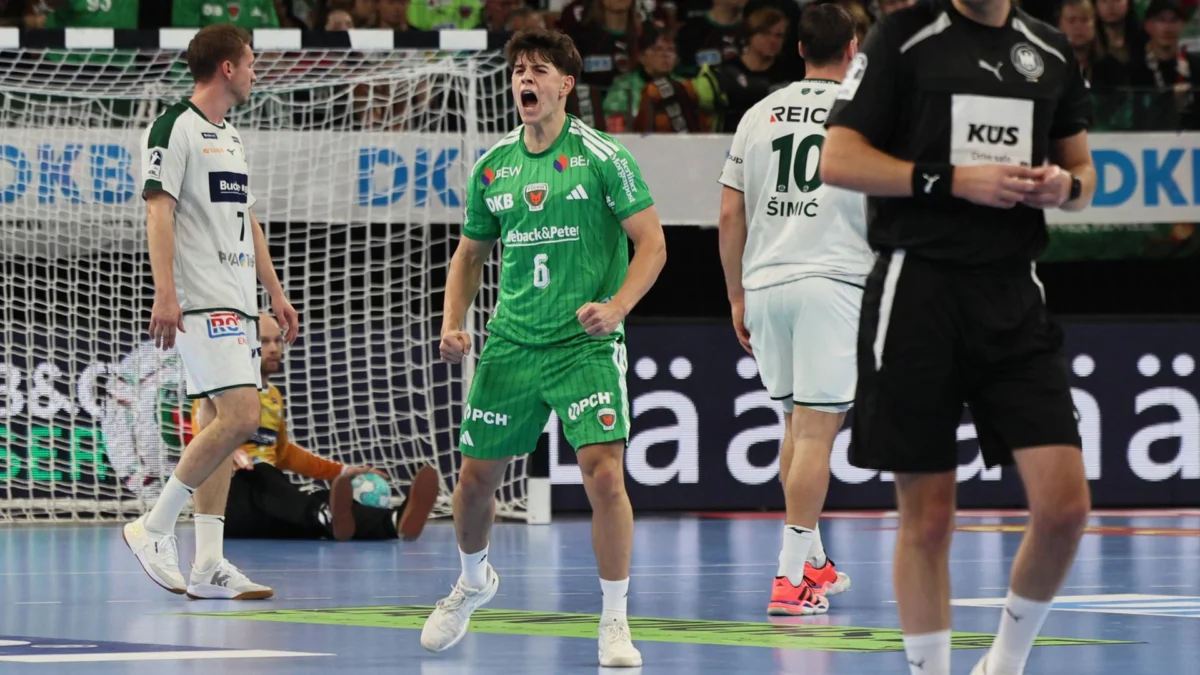
The Depth of the Crisis
The HSG Wetzlar handball club finds itself in the midst of a harrowing start to the Bundesliga season. Following their latest 30:36 (14:18) defeat against the Füchse Berlin on Sunday, the club remains anchored to the bottom of the table. With ten rounds of matches now concluded, the mid-Hesse side is still waiting for their first two-point haul, a statistic that is increasingly putting pressure on the team’s coaching staff and management.
For a club that prides itself on being a staple of the top flight, this campaign has transformed into a fight for survival. The loss in the German capital was not merely a defeat; it was a testament to the current gulf in class between a title-contending side like Berlin and a Wetzlar team currently struggling with injury, confidence, and tactical cohesion.
Chronology of the Berlin Encounter
The match in Berlin followed a narrative that has become all too familiar for HSG supporters this season. From the opening whistle, the Füchse established their dominance, utilizing their superior physical conditioning and technical breadth to stretch the Wetzlar defense.
First Half: A Glimmer of Resistance
The first thirty minutes saw the visitors attempt to stay within striking distance. Despite the absence of key playmaker and newly minted national team player Niklas Theiß—whose presence was sorely missed in the transitional phases of the game—Wetzlar managed to keep the deficit manageable. Dominik Mappes, who proved to be the standout performer for the visitors, orchestrated the offense with grit, finishing the night as the team’s top scorer with seven goals. However, as the half progressed, Berlin’s star power began to shine through. By the break, the hosts had carved out a four-goal lead at 18:14, leaving Wetzlar with a mountain to climb.
Second Half: The Berlin Surge
The second half saw the Füchse Berlin shift into a higher gear. Led by a dominant performance from Mathias Gidsel, who dismantled the Wetzlar defensive structure with 12 goals, the gap widened rapidly. Wetzlar’s tactical adjustments struggled to contain the fluidity of the Berlin attack. While Kirschner and Soler provided some spark with six goals each, the defensive instability was too pronounced. By the final whistle, the six-goal margin reflected the reality of the 60-minute encounter: a professional, controlled victory for the hosts and another lesson in harsh reality for the visitors.
Supporting Data: A Statistical Snapshot
To understand the gravity of the situation, one must look at the numbers. The HSG Wetzlar performance metrics highlight systemic issues that go beyond a single bad night in Berlin.
Match Statistics:
- Final Score: Füchse Berlin 36, HSG Wetzlar 30.
- Halftime Score: 18:14.
- Berlin Top Scorer: Mathias Gidsel (12 goals).
- Wetzlar Top Scorer: Dominik Mappes (7 goals).
- Standings: HSG Wetzlar currently holds the 18th position (last place) in the LIQUI MOLY Handball-Bundesliga.
The reliance on individual brilliance from players like Mappes and the duo of Kirschner and Soler is evident. However, the lack of depth—exacerbated by injuries to key personnel—has left the team vulnerable. When the bench is required to step up, the drop-off in output is statistically significant, often leading to lulls in the middle of both halves where the opponent secures decisive runs.
The Injury Factor: Missing Vital Pieces
The absence of Niklas Theiß was a major talking point leading up to the game. As a player recently recognized for his national team potential, Theiß represents the future of the HSG backcourt. His ability to draw defenders and create space for others was missing in Berlin.
However, medical staff and club management are quick to note that the team’s struggles are not solely tied to one player. The injury list at Wetzlar is a long-standing issue this season, forcing the coaching staff to constantly shuffle the starting seven. This lack of continuity has made it difficult to establish the "automatisms" required to compete against the top-tier squads of the Bundesliga.

Official Responses and Internal Sentiment
While the club has not released a formal statement calling for radical changes, the atmosphere within the organization is one of deep concern.
"We know we are in a difficult situation," a club spokesperson noted following the match. "We have to be realistic. Berlin is an elite team, and we were missing key components of our game plan. However, the focus must now shift to our next training block. We have to look at the next match as a new beginning."
The coaching staff, led by a mandate to steady the ship, emphasized the need for better defensive discipline. In professional handball, if you concede 36 goals in a single match, winning becomes an impossible task regardless of the offensive production. The internal sentiment is that the team is "close" in many matches but lacks the "killer instinct" and defensive reliability to close out the final ten minutes of a game.
Implications for the Future
The implications of remaining winless after ten games are severe. In the competitive landscape of the German Handball Bundesliga, every point lost in the first half of the season is difficult to reclaim in the second.
1. The Psychological Hurdle
The primary concern is the psychological impact on the squad. As the winless streak continues, the pressure to "get the first win" can cause players to tighten up, leading to unforced errors and poor decision-making. The management will likely focus on sports psychology in the coming weeks to ensure the players remain mentally resilient.
2. Strategic Realignment
The technical staff must decide whether to continue with their current tactical framework or to implement a more conservative, defensive-minded approach to grind out results. High-scoring games, as seen against Berlin, currently favor the opponent’s superior talent pool. A "low-scoring, gritty" strategy might be the only path to survival.
3. Transfer Market Speculation
With the transfer window always a topic of discussion in struggling clubs, there is mounting pressure on management to see if any reinforcements can be brought in. However, in a mid-season market where high-quality talent is scarce and expensive, this is a dangerous gamble. Any move would need to be surgically precise to provide immediate impact without jeopardizing the club’s long-term financial stability.
Conclusion: The Path Ahead
The journey back to stability for HSG Wetzlar is fraught with challenges. The loss to the Füchse Berlin is a chapter that the team will want to put behind them quickly, but the lessons learned must be internalized.
The Bundesliga is unforgiving. As the season progresses, the margin for error shrinks. For Wetzlar, the goal for the next cycle is clear: restore defensive integrity, integrate the injured players as they return to fitness, and find that elusive first win. If they fail to turn the tide in the coming weeks, the prospect of a relegation battle will move from a distant possibility to an urgent, day-to-day reality.
For the fans in mid-Hesse, the loyalty remains, but the patience is understandably being tested. The next match is no longer just another game; it is a vital step toward salvaging a season that began with hope but has quickly spiraled into a struggle for survival. Whether the team can rise to this challenge will define their entire year.