By Steffen Hengst, MDR SACHSEN (Expanded Report)
On the night of October 22, 1946, a massive, clandestine operation unfolded across the Soviet Occupation Zone of Germany. It was a cold, autumn night that would irrevocably alter the lives of thousands of German families and fundamentally shape the trajectory of Cold War aviation and military technology. Known by its cryptic codename, Operation "Ossawakim," this state-sponsored mass deportation saw the Soviet Union forcibly relocate thousands of engineers, scientists, technicians, and their families to the heart of the USSR.
Decades later, the echoes of this operation still resonate in the industrial landscape of Saxony and the memories of those who were children at the time. For many, it remains a "forgotten history," a chapter of the post-war era that was buried under political silence for nearly half a century.
The Night of the Knock: A Chronology of Removal
The operation was executed with military precision and terrifying efficiency. Starting in the pre-dawn hours of October 22, Soviet soldiers, often accompanied by local security personnel, arrived at the homes of key personnel working in aviation, rocket development, and armament manufacturing.
The Methodology of Coercion
The families were given a window of mere hours—sometimes less—to pack their belongings. The instructions were sparse, and the destination was kept strictly classified. For families in Saxony, which had been a hub for German aerospace innovation, the sudden departure meant the abandonment of their homes and the uncertainty of their futures.
- October 22, 1946: The commencement of "Ossawakim." Over 2,500 specialists, along with their families (totaling over 6,000 individuals), were rounded up.
- The Transit: Families were loaded onto cattle trains, bound for various industrial centers within the Soviet Union. The journey was grueling, characterized by lack of supplies, extreme cold, and total ignorance of the final destination.
- The Arrival: Upon arrival at sites such as Podberesje, near the Volga River, the reality of their situation set in. They were not prisoners in the traditional sense, but they were certainly not free agents. They were "specialists" whose expertise had been requisitioned by the Soviet state to jumpstart their own lagging industrial and aerospace sectors.
The Human Cost: A Childhood in Exile
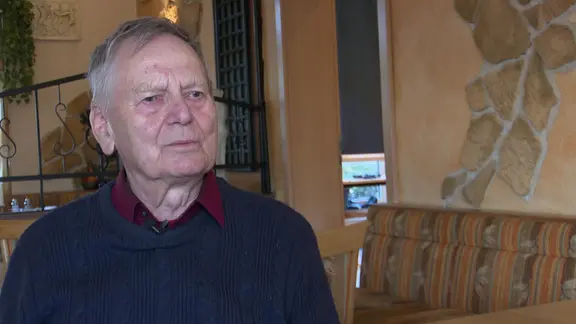
Konrad Eulitz, now an 82-year-old witness to this history, was only two years old when his family was taken. His father, a gifted aerodynamicist, was deemed essential to the Soviet state’s ambition to rebuild its air force and civil aviation capabilities.
"You have to imagine the scene: it is 6:00 AM, there is a knock at the door, and you are face-to-face with a Soviet officer and soldiers carrying submachine guns," Eulitz recalls. "The information given to my parents was minimal. There was no choice, no negotiation. You were simply taken."
Living in the Shadow of the Volga
Life in Podberesje was a paradox of extreme isolation and forced normalcy. While the families were technically captives, the Soviet administration recognized that to get the best work out of these German experts, they had to provide a modicum of comfort.
Alfredo Paasch, whose father worked for the legendary Junkers company in Dessau, recalls the strange social dynamics of their exile. "There was genuine hunger in the region at the time. The Soviet population was struggling to recover from the war, and our presence was often met with bewilderment or resentment," he notes. "Yet, the administration created special shops for the German specialists. We lived in a bubble of better supply while the locals stood in lines. It created a deep, uncomfortable divide."
Despite the constraints, there were attempts to maintain a semblance of childhood. Schools were established, and cultural life—music and literature—was encouraged. It was a life lived between the duty to work and the desire to return home.

Strategic Implications: Building the Soviet Aerospace Giant
The goal of Operation "Ossawakim" was not merely to strip Germany of its intellectual capital; it was a targeted effort to accelerate the Soviet Union’s technological parity with the West. The German specialists brought with them years of experience in high-speed flight, jet propulsion, and airframe construction.
The Knowledge Transfer
The expertise of these individuals played a direct role in the development of Soviet aviation. By the time many of these families were allowed to return to Germany in the early 1950s, the Soviet Union had made massive leaps in jet engine technology and aircraft design. The "brain drain" from Saxony was a calculated strategic move that allowed the USSR to bypass years of R&D.
The Return: The "Baade 152" and the Dresden Legacy
By 1950, the Soviet Union began to release the specialists, deemed to have "served their purpose." The return to East Germany was not a return to the status quo. The engineers brought with them advanced methodologies and a new perspective on aviation engineering.
The Baade 152
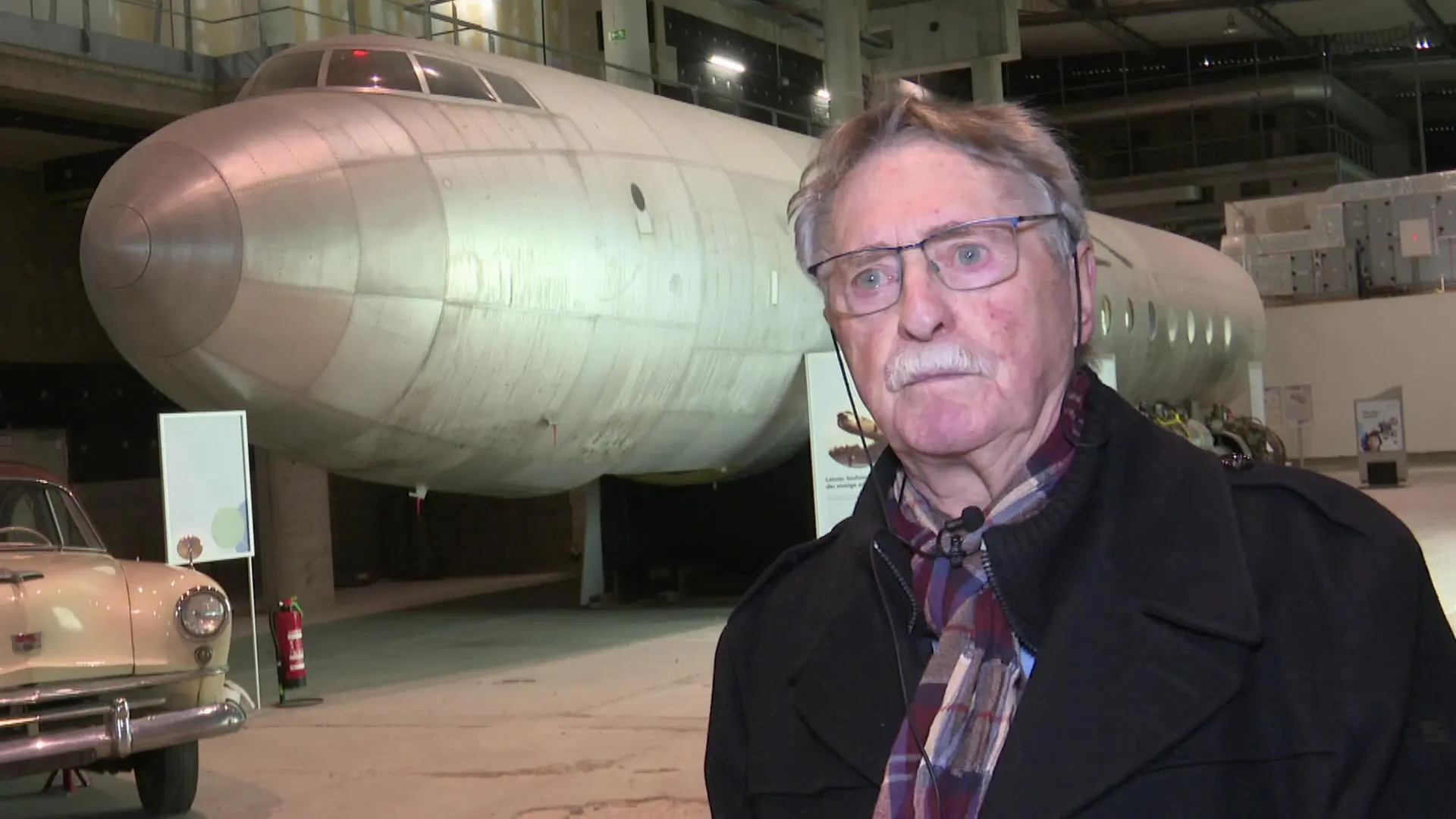
Perhaps the most tangible outcome of this cross-pollination of knowledge was the development of the Baade 152, the first and only passenger jet ever developed in the German Democratic Republic (GDR). Named after Brunolf Baade, the project represented a pinnacle of ambition for the Dresden aviation industry. The engineers, including Eulitz’s father, attempted to channel their experiences—both from the war years and their forced tenure in the USSR—into creating a world-class aircraft.
While the project eventually failed due to economic pressures and political interference, it stands as a testament to the resilience and technical prowess of the engineers who were caught in the gears of the "Ossawakim" operation.
The Long Shadow of Silence
For decades, the topic of "Ossawakim" was a taboo subject in the GDR. Discussing the abduction of thousands of families by their "socialist brothers" was politically untenable.
Why the Silence?
- Political Sensitivity: Admitting that the Soviet Union had forcibly deported thousands of workers undermined the narrative of "friendship" between the two nations.
- Fear of Reprisal: Many survivors feared that speaking out would lead to repercussions, given their status as former "specialists" who had worked for the Soviet military-industrial complex.
- The Stigma of the "Specialist": There was a lingering suspicion in some circles that those who went to the USSR were collaborators, ignoring the reality of the coercion involved.
As a result, the story remained buried in private diaries and hushed conversations among old colleagues. It wasn’t until after the fall of the Berlin Wall that the full scale of the operation began to be documented by historians and journalists.
Conclusion: Keeping the Memory Alive
Today, the efforts to archive this history are led by survivors like Konrad Eulitz and the Interessengemeinschaft Luftfahrt Dresden (Dresden Aviation Interest Group). Through public lectures, academic research, and the preservation of personal testimonies, they are ensuring that the generation that was "stolen" is not forgotten.
Operation "Ossawakim" was more than just a logistical operation; it was a human tragedy that highlights the brutal reality of how scientific progress is often built on the backs of those who have no say in their own fate. By reclaiming this history, researchers and witnesses are providing a necessary, if painful, piece of the puzzle that explains how the post-war world was constructed—not just through diplomacy, but through the forced displacement of the very people who designed the future.
As we look back, the legacy of these families serves as a reminder of the fragility of professional lives in times of geopolitical upheaval. Their story is a cornerstone of Saxony’s industrial identity, and finally, it is being told with the weight and gravity it deserves.