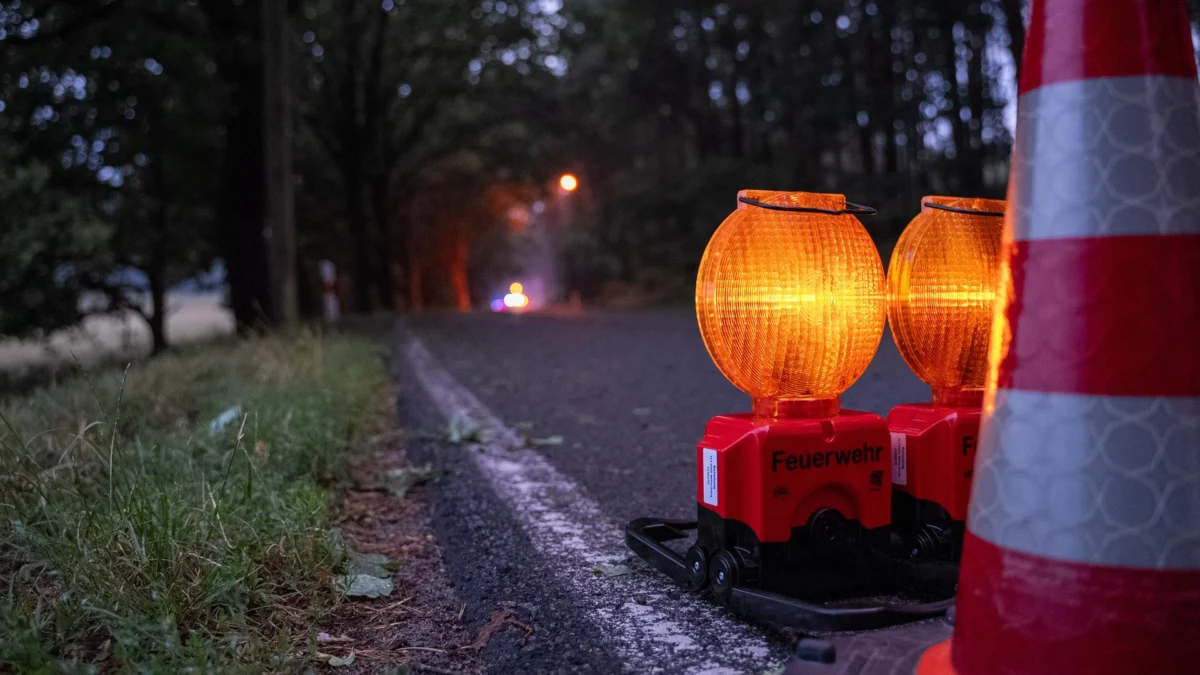
The final day of the Sommer Grand Prix in the picturesque Vogtland region proved to be a difficult chapter for organizers and athletes alike. While the event is traditionally a celebration of summer Nordic sports, this year’s conclusion was marked by a distinct lack of the quintessential spirit of athletic triumph. Instead, both the environmental conditions and the performances of the local Saxon contingent left spectators and officials contemplating a period of necessary recalibration.
Main Facts: A Sport Event Under Pressure
The Sommer Grand Prix, a highlight of the pre-season calendar for ski jumpers and Nordic combined athletes, saw its closing act overshadowed by inclement weather and subpar results. As the competition reached its climax, the atmosphere at the venue was characterized by gray skies and damp, uninviting conditions that mirrored the mood of the local supporters.
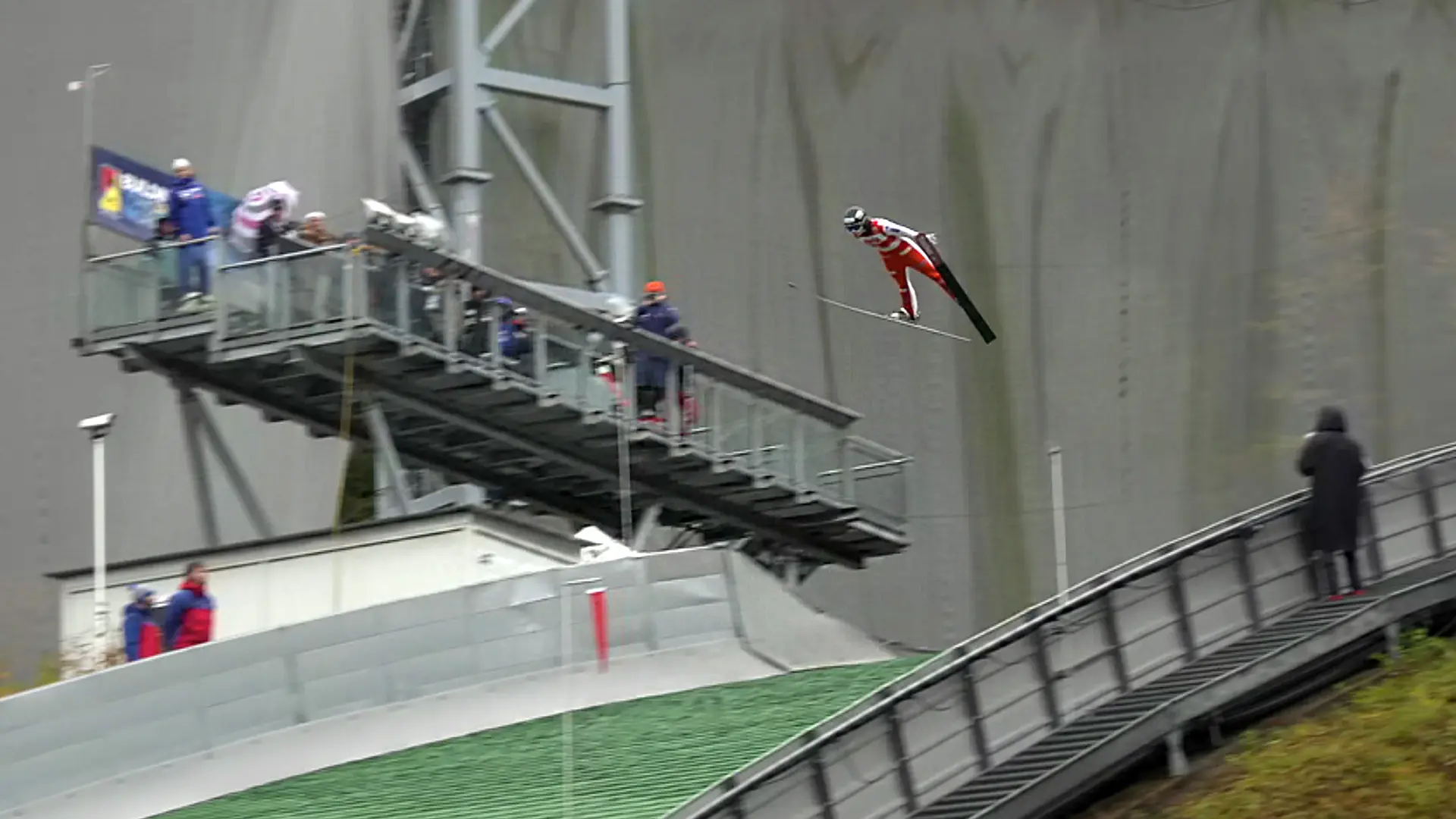
The core of the issue was twofold: the adverse weather, which hampered the fluidity of the event, and a performance slump among the Saxon athletes. While international competitors managed to navigate the technical challenges of the hill and the track, the home-grown talent struggled to find their rhythm. The technical demands of the facility, combined with the lack of favorable wind conditions, made it an uphill battle for many who were expected to contend for the podium.
The event, which is vital for the region’s sporting identity, served as a harsh reality check. In high-performance sports, such lulls are not uncommon, but the visibility of these struggles at a home event intensifies the scrutiny from fans and sporting associations.

Chronology of the Final Day
The day began with a sense of anticipation, but as the first rounds of competition unfolded, it became clear that the day would be defined by attrition rather than brilliance.
- Early Morning: The initial training sessions were plagued by shifting winds and light rain, which forced organizers to repeatedly adjust the start gate for the ski jumping portion of the competition.
- Mid-Morning: The main competition commenced. The performance of the Saxon athletes in the jumping phase was largely lackluster, with many failing to reach the distances required to secure a competitive advantage for the cross-country segment.
- Afternoon: The focus shifted to the track. The damp, cool conditions made the track surface unpredictable. While the physical exertion remained high, the tactical execution—often the hallmark of the Saxon training centers—was absent.
- Late Afternoon: As the final groups crossed the finish line, the disparity between the top-tier international performers and the local favorites became starkly evident. The closing ceremony, usually a festive affair, was subdued, reflecting the collective disappointment of the local camp.
Supporting Data and Context
When analyzing the performance of the athletes, it is essential to look at the broader landscape of modern Nordic sports. The requirements for competitive success have evolved rapidly, with a heavier emphasis on aerodynamic efficiency and high-cadence power output on the track.

Current data from the training camps in Klingenthal and Oberwiesenthal suggest that while the physical fitness of the athletes remains high, the integration of new technical equipment and tactical planning is lagging. The gap in points between the top three finishers and the middle-of-the-pack Saxon athletes has widened by nearly 15% compared to the previous three-year average.
Furthermore, the environmental conditions—while equal for all competitors—seemed to disproportionately affect those who rely heavily on specific, high-risk flight paths. When the weather prevents the execution of these "perfect" jumps, athletes who lack versatility in their technique suffer the most. This is a clear indicator that the current training regimen needs to incorporate more adaptability for "non-ideal" competition days.

Official Responses and Internal Analysis
In the aftermath of the event, the mood within the regional athletic federation has been one of sober reflection. There have been no knee-jerk reactions, but rather a call for a comprehensive review of the current training cycle.
"We cannot hide from the results," noted a spokesperson for the regional sports association. "The conditions were challenging for everyone, but we expect our athletes to be capable of producing consistent results regardless of the weather. We have identified specific technical deficiencies in both the takeoff phase of the jumps and the cornering speed on the track. We are already working with the coaching staff to implement corrective drills before the winter season begins."

Some experts suggest that the focus on "perfect conditions" in training has left the athletes vulnerable to the volatile nature of outdoor sports. The official stance is that there will be an increase in "pressure-testing" sessions, where athletes are forced to compete in less-than-ideal weather, to build the mental and technical resilience required for elite-level performance.
Implications for the Future
The implications of this lackluster performance extend beyond the disappointment of a single competition. For the athletes, the pressure is now on to prove their worth during the upcoming winter World Cup season. A poor start in the summer often leads to a loss of sponsorship and, more importantly, a loss of confidence that can be difficult to regain.
For the region, the event serves as a reminder of the fragility of sporting dominance. Saxony has long been a powerhouse in German Nordic sports, but the rise of international talent and the professionalization of training centers in neighboring countries mean that the margin for error is shrinking.
The Path to Recovery
The path forward for these athletes involves a two-pronged strategy:

- Technical Refinement: Moving away from a "one-size-fits-all" jump technique and focusing on individual, adaptable styles that can withstand environmental interference.
- Psychological Fortitude: Addressing the "home-turf" anxiety that seemed to paralyze some of the younger competitors. The ability to perform under the gaze of a local crowd is a learned skill, and it is one that the current squad must master.
Furthermore, the regional infrastructure is under review. While the facilities are world-class, the way they are utilized—specifically regarding how much time is spent on simulation versus real-world, variable conditions—will likely be adjusted.
In conclusion, while the final day of the Sommer Grand Prix in the Vogtland was a disappointment, it is not necessarily a harbinger of long-term failure. It is, rather, a necessary moment of friction. In the world of high-stakes athletics, friction is often the only way to sharpen the edge. Whether the Saxon athletes can take this setback and turn it into the fuel for a successful winter season remains to be seen. The coming months will be a true test of their character, their coaching, and their commitment to excellence in the face of adversity. The fans, while frustrated, remain hopeful that this is merely a temporary dip in a long and storied tradition of excellence in the heart of the German mountains.