LEIPZIG, GERMANY — The industrial landscape of Saxony is undergoing a profound transformation. Long known as a logistical nexus and a growing center for automotive and tech innovation, Leipzig is now increasingly becoming a focal point for the European defense industry. Following the recent establishment of production facilities by the US-based defense contractor Covenant, a new player has emerged on the horizon: the Düsseldorf-based startup, Falk Defence. The company has begun an aggressive recruitment drive, signaling plans to establish a significant research, development, and testing hub for precision rocket artillery systems in the city.
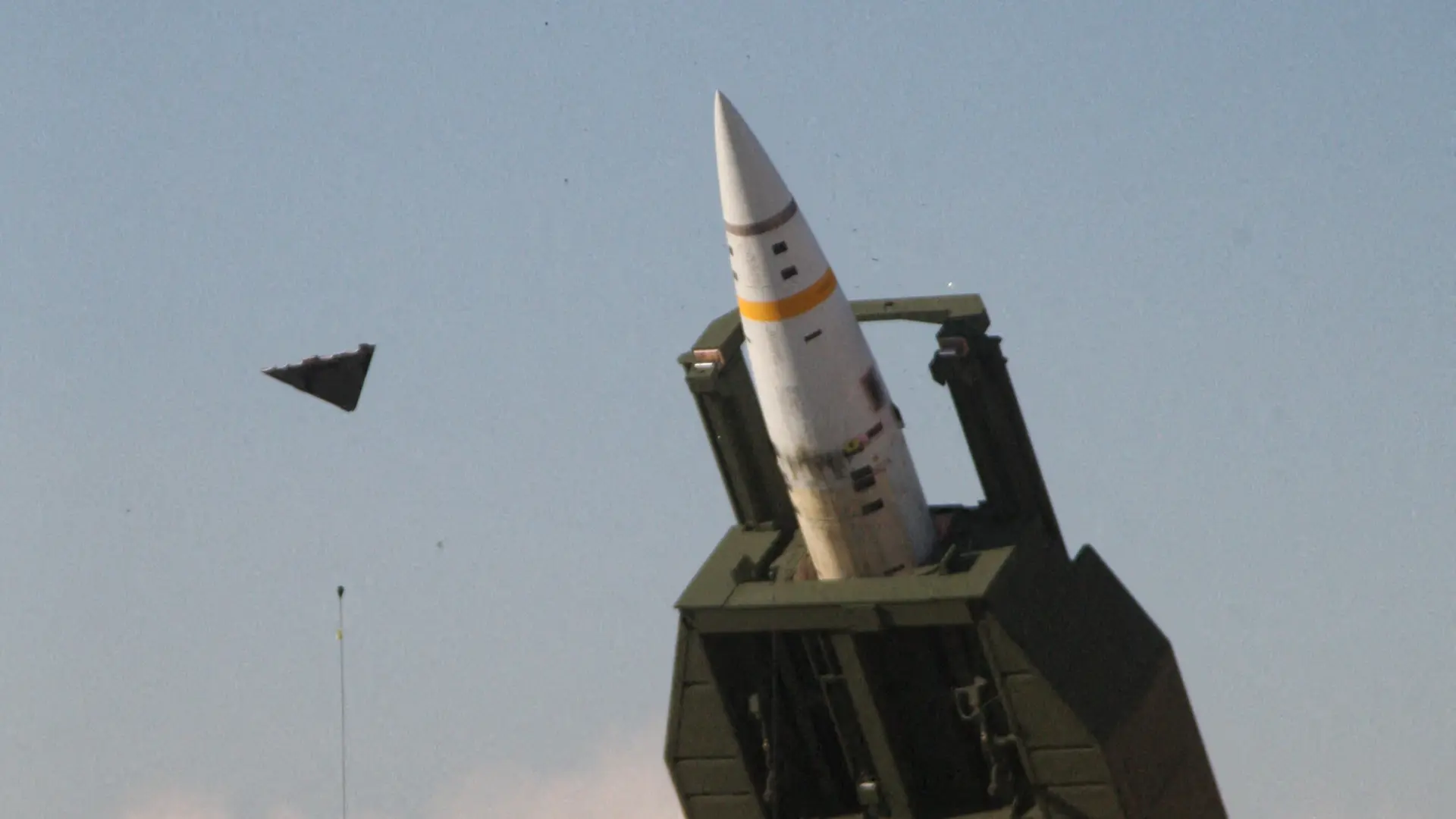
This development highlights a broader strategic shift within Germany and the European Union, as the continent seeks to reduce its reliance on foreign military hardware—specifically systems like the American-made ATACMS—and foster a more sovereign industrial defense base.
The Strategic Shift: Why Leipzig?
The move by Falk Defence to set up shop in Leipzig is not accidental. The region offers a unique combination of high-tech industrial infrastructure, proximity to major research institutions, and a logistics network that is among the best in Central Europe.
Industry analysts suggest that the German defense sector is currently experiencing a "renaissance" driven by the geopolitical realities of the 2020s. With the security architecture of Europe fundamentally altered, the demand for locally produced, precision-guided weaponry has surged. Falk Defence, which specializes in the next generation of rocket artillery, appears to be positioning itself to capture a segment of this rapidly expanding market.

By targeting Leipzig, the company is tapping into a labor market that is already skilled in high-end manufacturing. The recruitment notices posted on the company’s website specifically call for engineers and technicians with expertise in ballistics, guidance systems, and propulsion technology, indicating that the facility will not just be an assembly plant, but a center of innovation.
Chronology: A Rapid Expansion of the Rüstungsindustrie
The footprint of the defense industry in Leipzig has expanded rapidly over the past several months:

- Early 2026: Discussions intensify regarding the need for German-made, long-range precision strike capabilities to bolster the Bundeswehr’s inventory.
- October 2026: The US-based defense contractor Covenant officially inaugurates its production facility in Leipzig. This site is dedicated to the manufacturing of long-range cruise missiles, marking the first time such a high-profile international firm has chosen Leipzig as a base for defense manufacturing.
- Mid-October 2026: Public awareness grows regarding the expansion of the sector as reports surface of a new, domestic entity, Falk Defence, scouting for facilities.
- Late October 2026: Falk Defence launches a public recruitment campaign in Leipzig, explicitly mentioning the "research, development, and testing" of rocket artillery systems.
- Current Status: The company is actively engaging with regional stakeholders and potential international partners, specifically focusing on the urgent defense needs of Eastern European allies.
The Ukrainian Connection: A Primary Market
One of the most significant aspects of the discourse surrounding Falk Defence is its stated interest in the Ukrainian market. Recent reports confirm that representatives from the startup attended a high-level conference hosted by the German-Ukrainian Chamber of Industry and Commerce in Kyiv. The discussions focused on critical defense and security cooperation, underscoring that the technology currently under development in German labs is intended for the frontline of modern conventional warfare.
For the Ukrainian military, which has relied heavily on donated Western platforms like the M270 MLRS and the M142 HIMARS, the prospect of having a European-based supply chain for compatible, modern ammunition and specialized systems is a strategic necessity. By positioning itself as a potential supplier to Ukraine, Falk Defence is aligning its corporate trajectory with the foreign policy priorities of the German federal government and the broader NATO alliance.

Official Responses and Corporate Silence
Despite the public nature of its recruitment efforts, Falk Defence has remained remarkably tight-lipped regarding the specifics of its Leipzig project. When approached by the dpa (Deutsche Presse-Agentur) for comment, the company declined to provide details on the scale of its investment, the size of its planned workforce, or the exact timeline for the commencement of operations.
This silence is not unusual in the defense sector, where security protocols and contractual sensitivities often mandate a degree of opacity. However, the lack of transparency has fueled speculation among local politicians and the public. In Saxony’s state parliament, the arrival of defense firms has been a subject of intense debate, with parties holding varying views on the morality and economic impact of the "defense-industrial complex" taking root in their backyard.
The Social and Political Implications
The industrialization of defense in Leipzig has not come without friction. The establishment of the Covenant facility in October sparked significant public outcry, culminating in protests where hundreds of citizens gathered to voice their opposition to the city’s role in the arms trade.
The Argument for Security
Proponents of these investments argue that Germany has a moral and strategic obligation to ensure its own security and to support nations under existential threat. They argue that "peace through strength" is a necessary deterrent in the current climate. Furthermore, the economic benefits—high-paying technical jobs, the growth of the regional supply chain, and the anchoring of cutting-edge technology in the German heartland—are seen as substantial.

The Opposition
Critics, including various civil society groups and peace activists, maintain that Leipzig—a city with a history of peaceful protest—should not become a hub for the manufacture of death-dealing machinery. Their concerns range from the ethical implications of the arms trade to fears that the presence of such factories could make the city a target for industrial espionage or sabotage.
Technical Challenges: The Path to European Sovereignty
The core challenge facing companies like Falk Defence is the "Europeanization" of defense technology. For decades, the European defense market has been fragmented, with nations favoring their own domestic solutions or buying "off-the-shelf" from the United States.

The reliance on systems like the ATACMS has been a point of strategic vulnerability. If the political winds in Washington shift, or if supply chains are disrupted, the European ability to project power or defend its borders is compromised. Falk Defence is betting that there is a long-term, structural demand for "European-made" rocket artillery that is independent of US export licenses and political cycles.
However, the path to developing a functional, combat-ready rocket artillery system is fraught with technical hurdles. It requires not only precision engineering but also a robust supply chain for rare materials, electronic components, and high-energy propellants. The success of the Leipzig hub will depend heavily on the company’s ability to integrate these complex supply chains within the existing German industrial framework.

Conclusion: A New Industrial Era
The arrival of Falk Defence in Leipzig is a symptom of a much larger, global trend. We are witnessing the end of the post-Cold War "peace dividend" and the return of an era defined by high-intensity industrial competition and the need for hardened, sovereign defense capabilities.
For Leipzig, this means the city is evolving. It is no longer just a center for logistics and culture; it is becoming a critical node in the security infrastructure of a continent in flux. Whether this transition will be viewed as a prudent strategic investment or a controversial shift in the city’s identity remains to be seen. What is certain, however, is that the work being done in the laboratories and workshops of firms like Falk Defence will have lasting implications for the future of European security and the geopolitical landscape of the next decade.

As the company continues its recruitment drive and moves toward its operational phase, the eyes of the defense industry, the government, and the public will remain firmly fixed on Leipzig. The city, in many ways, has become the laboratory for the future of European defense.