

The state of Saxony, and particularly its capital, Dresden, finds itself at a pivotal junction as 2026 draws to a close. From the revitalization of cultural heritage and the integration of cutting-edge technology into public infrastructure to the emotional challenges of addressing historical trauma, the region is navigating a complex path between modernization and preservation. This report synthesizes the multifaceted developments shaping the Saxon social, cultural, and political landscape.
Main Facts: The Pulse of Saxony
The current atmosphere in Saxony is defined by a blend of high-profile events and granular local initiatives. Dresden remains the epicenter of these changes, drawing attention through its ambitious urban mobility goals, a thriving sports culture, and a cultural scene that is unafraid to confront the ghosts of the past.
Key developments include:
- Infrastructure Transformation: The city is accelerating its transition to green mobility, with significant investments in an expanded electric bus fleet.
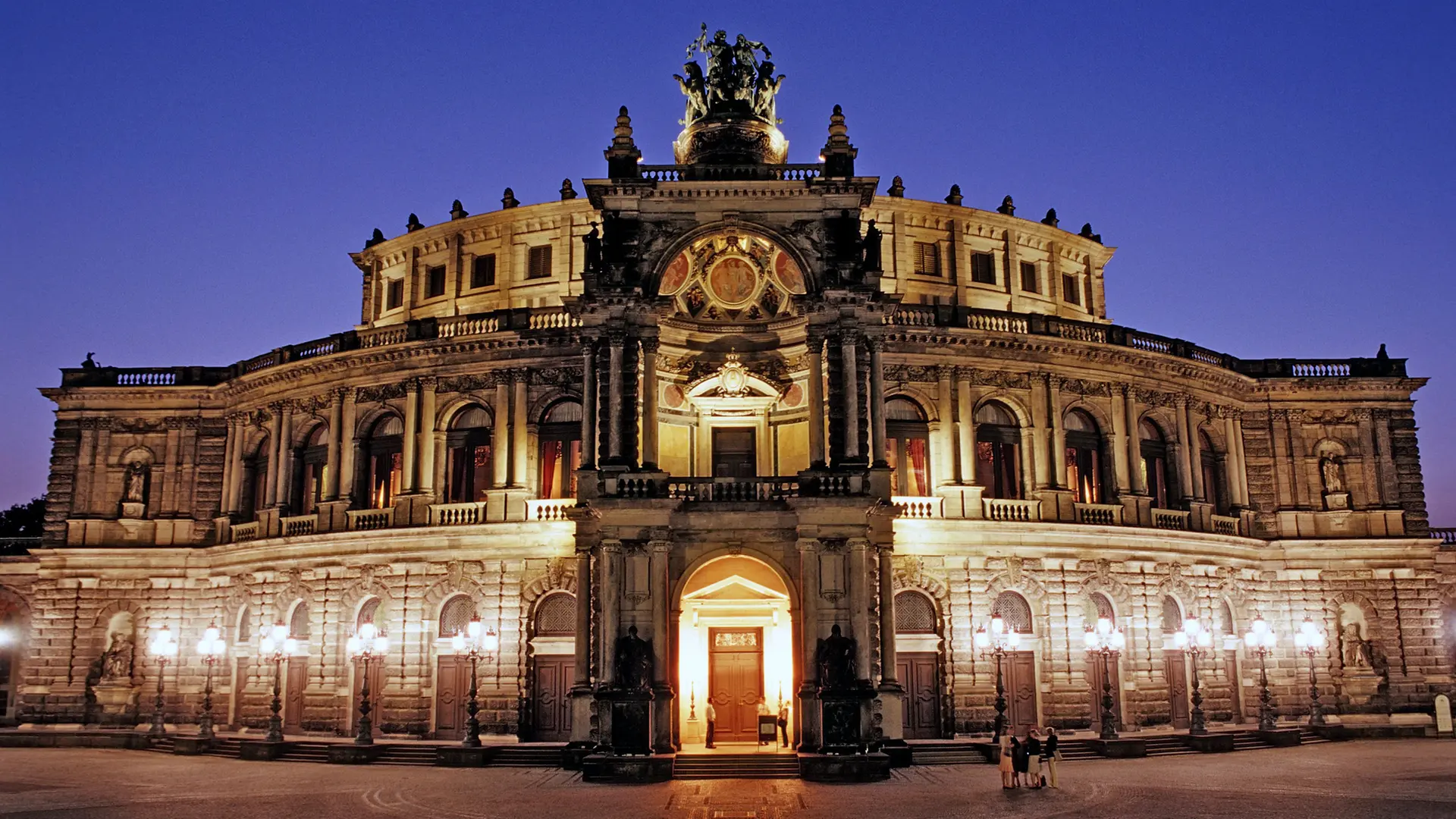
- Cultural Courage: The Semperoper’s decision to adapt Reiner Kunze’s formerly banned DDR-era literature highlights a commitment to engaging with the complexities of German history.
- International Visibility: The announcement that Dresden will host the Europride 2029 event marks a significant milestone in the city’s global standing regarding human rights and inclusivity.
- Economic Resilience: Innovative projects like "Fairwerk" are redefining how industrial spaces adapt to the modern, flexible needs of local enterprises.
Chronology of Regional Developments
The final quarter of 2026 has been marked by a flurry of activity across various sectors.
October 2026: The month began with a deep historical reflection as researchers and journalists brought to light the stories of German aviation experts who were forcibly relocated to the USSR in October 1946. This effort to document the final living witnesses of that era provided a somber counterpoint to the city’s modernization efforts.
Mid-October 2026: As the leaves turned in the Tharandt forest—drawing comparisons to the "Indian Summer" of North America—the local culture scene shifted to the Dresden Kulturpalast, where author Ferdinand von Schirach engaged audiences in philosophical discourse. Simultaneously, the Florian trade fair concluded, drawing 25,000 visitors to discuss the future of civil protection and fire safety, with a particular focus on the rising risks of battery storage fires.
Late 2026: The focus shifted toward the winter season. The Bobbahn in Altenberg officially transitioned to "winter mode," with ice masters meticulously preparing the track for competitive racing. Meanwhile, the city’s social services were tested by an influx of underweight hedgehogs, forcing the Radebeul Igelhilfe (hedgehog sanctuary) to impose a temporary intake freeze—a reminder of the ecological challenges posed by unpredictable seasonal transitions.
Supporting Data: Infrastructure and Sustainability
The City of Dresden’s commitment to E-mobility is no longer merely aspirational; it is becoming a statistical reality. With 21 electric buses currently in operation, the Dresden Transport Authority (DVB) has secured approval for an additional 18 units by the end of 2026, with a further 20 scheduled to hit the streets by early 2028. This shift represents a deliberate effort to lower the city’s carbon footprint while modernizing the public transit user experience.
However, growth comes with fiscal pressures. The municipal government is currently navigating a difficult budgetary landscape, where cultural institutions like the Staatsoperette and the Theater Junge Generation are being restructured into independent operational entities to maximize efficiency. The debate over "how much culture should cost" has become a central theme in local council meetings, reflecting the tension between maintaining a world-class arts scene and managing municipal austerity.
Official Responses and Perspectives
The regional approach to these changes is characterized by a mix of pragmatism and ambition.
Regarding the cultural restructuring, city officials have maintained that the transition of theaters into "Eigenbetrieb" (independent operations) is a necessary evolution to ensure the long-term survival of the arts in an era of tightening budgets. By granting these institutions more operational autonomy, the city hopes to foster innovation and financial sustainability without compromising the quality of the productions.
On the environmental front, the focus remains on resilience. The recent assessment of the Prebischtor—the largest rock bridge in Europe—revealed the wear and tear caused by the 200,000 annual visitors. Authorities are now balancing the imperative of tourism revenue with the scientific necessity of preserving geological heritage, signaling a shift toward more managed and sustainable visitor flow policies.
In the sporting arena, the local community remains as passionate as ever. While the Dresdner SC volleyball team has faced a difficult start to the Bundesliga season, the club continues to draw massive local support, serving as a social anchor for the city. Meanwhile, Dynamo Dresden’s pursuit of a breakthrough victory reflects the broader, often turbulent, spirit of Saxon professional sports—a landscape defined by high expectations and deep emotional investment.
Implications: Looking Toward 2029
The selection of Dresden as the host for Europride 2029 is perhaps the most significant indicator of the city’s trajectory. It represents a bold move to position the Saxon capital as a progressive, international hub. Bringing the event to Germany for the first time in 25 years sends a clear message about the state’s desire to lead on issues of diversity and equality.
However, this ambition must be reconciled with the realities of the region’s historical and economic landscape. The successful integration of these diverse interests—from the preservation of 300-year-old perfume recipes by local historians to the high-tech expansion of public transit—suggests a region that is not merely reacting to the future but actively attempting to shape it.
The "Fairwerk" Concept: A Blueprint for Industry
The "Fairwerk" initiative in Dresden serves as a case study for future urban planning. By designing buildings that are inherently modular and adaptable, developers are addressing the volatility of modern commercial markets. This flexible infrastructure ensures that as business needs evolve, the physical environment does not become a bottleneck for economic growth. It is this marriage of forward-thinking architecture and adaptive policy that will likely define Saxony’s economic health in the coming decade.
Conclusion
As 2026 draws to a close, Saxony stands as a microcosm of the wider European experience: managing the burden of a complex past while sprinting toward a digital, sustainable, and inclusive future. Whether through the lens of a student learning to fly with the Otto Lilienthal vocational center or the intricate work of the ice masters in Altenberg, the people of the region are engaged in a collective effort to bridge the gap between their history and their aspirations.
The path forward is undeniably challenging—marked by budgetary constraints, environmental concerns, and the need for constant, painful self-reflection regarding social and historical legacies. Yet, the resilience shown by the people of Dresden and the wider region suggests that Saxony is not just surviving these transitions; it is positioning itself as a vital, evolving heart of modern Germany. The road to 2029, and the milestones leading up to it, will continue to be a testament to the region’s enduring ability to harmonize tradition with the inexorable push for progress.