By Editorial Staff, MDR Sachsen
October 25, 2026
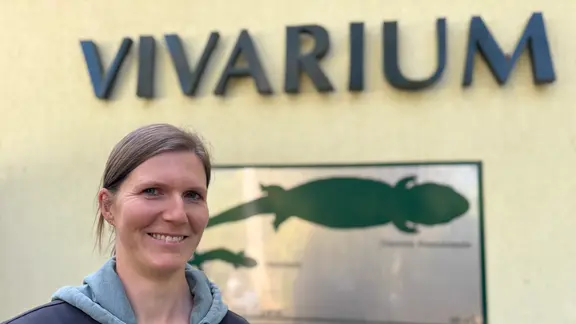
In the heart of the Chemnitz Tierpark, tucked away from the more boisterous enclosures of larger mammals, lies a quiet sanctuary that has quietly become a global beacon for biodiversity. This year, the Vivarium—a specialized facility dedicated to the fragile world of amphibians—marks its 30th anniversary. From its humble beginnings in a repurposed horse stable to its current status as a premier European hub for species preservation, the Vivarium represents a triumph of zoological dedication and scientific foresight.
The Genesis of a Sanctuary: From Stable to Scientific Hub
The story of the Chemnitz Vivarium is one of transformation. Its roots trace back to 1993, when the Tierpark acquired a significant, high-value amphibian collection from the Natural History Museum at Schloss Bertholdsburg in Schleusingen. At the time, the challenge was clear: how to provide a world-class environment for creatures as sensitive to environmental changes as frogs, toads, and salamanders.
By 1996, following an intensive architectural and technical renovation of a former horse stable, the Vivarium was officially opened to the public. What began as a bold experiment in specialized animal husbandry quickly evolved into a permanent feature of the Chemnitz Tierpark’s identity. The facility was designed not merely for exhibition, but for the rigorous, controlled observation and breeding of species that are often overlooked in mainstream zoology.
A Global Treasure Trove: 80 Species Under One Roof
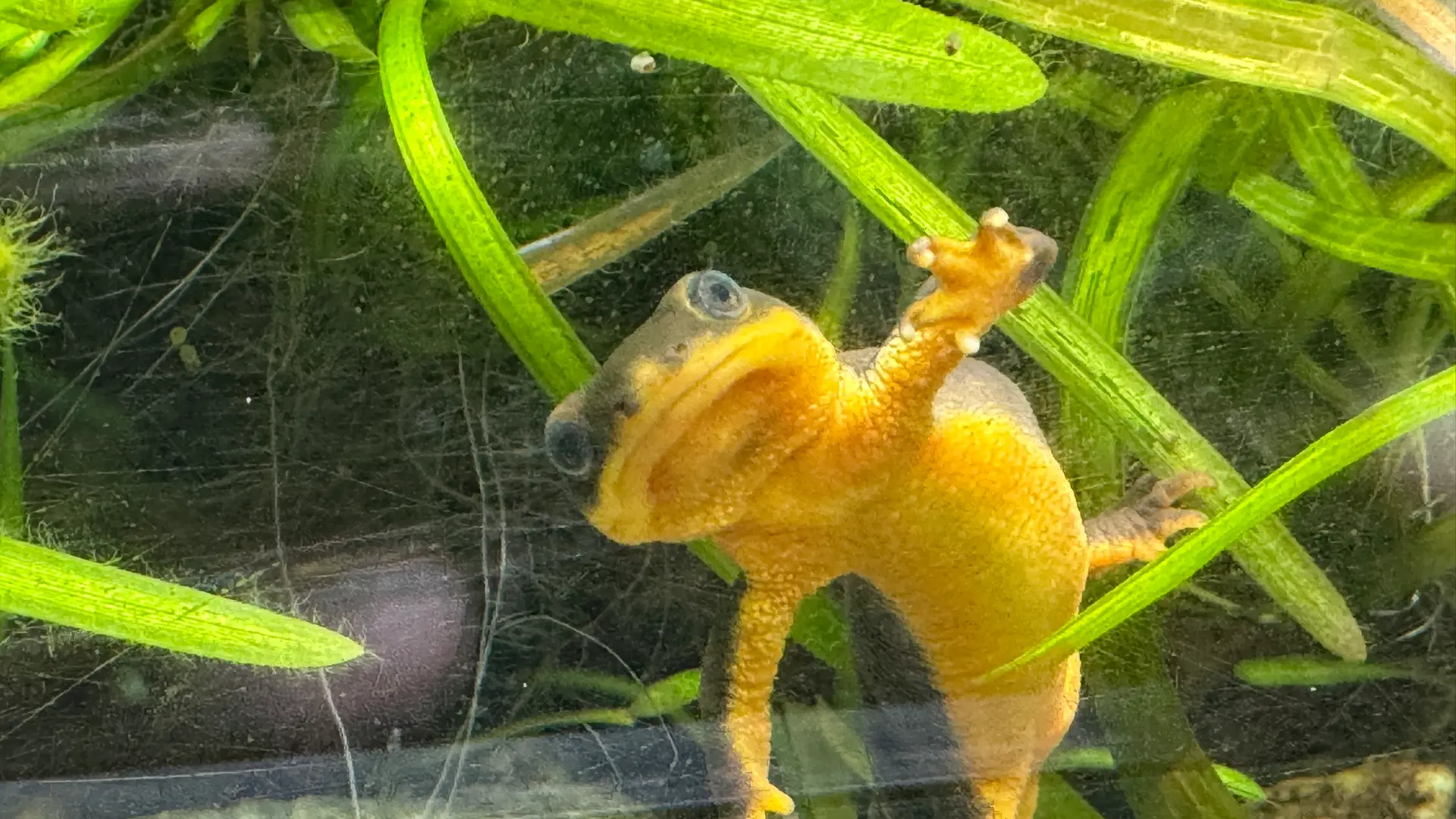
Today, the Vivarium stands as a unique institution within Europe, housing approximately 80 different species of amphibians. According to zoological educator Saskia Quinger, the collection is a meticulously curated repository of global biodiversity.
"We are not just showcasing animals; we are preserving genetic lineages," Quinger explains. The facility features a breathtaking spectrum of life, ranging from the vibrant, iconic poison dart frogs of the South American rainforests to the subtle, elusive salamanders native to the European landscape.
However, the true value of the Vivarium lies in its rare, high-stakes conservation residents. Among the stars of the collection are the rare Loja Marsupial Frog (Gastrotheca lojana) from Ecuador and the Mallorca Midwife Toad (Alytes muletensis). Furthermore, the facility made history in 2016, when it achieved the first successful breeding of the Small Winking Frog (Nidirana daunchina) in a German zoo—a milestone that cemented the Chemnitz team’s reputation among international herpetological experts.
The Imperative of Protection: Why Amphibians Matter
Amphibians are currently classified as one of the most threatened classes of vertebrates on the planet. Facing a "perfect storm" of habitat destruction, climate change, and the devastating spread of the chytrid fungus, many species are teetering on the brink of extinction.

The Chemnitz Vivarium’s mission is therefore more critical than ever. Its work extends far beyond the glass of the terrariums; the staff serves as an active frontline against global extinction. By participating in international species survival programs and collaborating with initiatives like "Citizen Conservation," the Tierpark ensures that the knowledge gained within their walls contributes to a global database of survival strategies. Their expertise in breeding and husbandry provides a vital "safety net" for populations that may one day need to be reintroduced to the wild.
Structural Evolution: The Appointment of a New Curator
As the institution enters its fourth decade, the management of the Chemnitz Tierpark has taken a significant step toward future-proofing its operations. For the first time in its history, the park has appointed a dedicated curator, 28-year-old Constantin Beck.
Beck, who brings extensive experience from his tenure at prestigious zoos in Dortmund, Münster, and Frankfurt, assumed his role on October 1, 2026. His arrival marks a transition from a purely operational focus to a more strategic, science-led management style.
"My goal is to integrate the best practices I’ve witnessed across Germany into the fabric of the Chemnitz Tierpark," says Beck. "However, before I implement changes, my priority is to immerse myself in the current team’s workflow and understand the individual needs of our animals. The Vivarium, in particular, is a source of immense pride. Its success in breeding complex species is world-class, and I want to ensure that this momentum continues."
The Science of Sustainability: Implications for the Future
The Vivarium’s success is not accidental; it is the result of rigorous climate control, bespoke dietary management, and a deep understanding of the ecological niches these animals inhabit. The implications of their work reach far beyond the borders of Saxony. By demonstrating that even the most difficult-to-keep species can thrive under human care, the Vivarium provides a blueprint for other zoos worldwide.
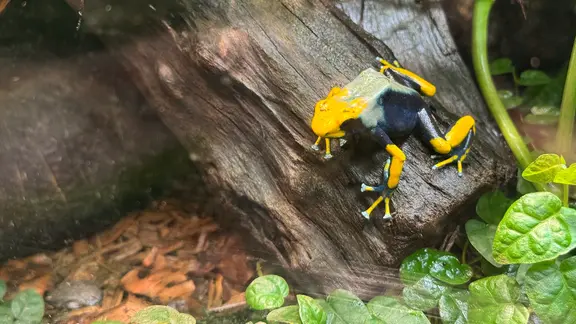
The facility’s role in education also cannot be overstated. By bringing the public face-to-face with the "Schrecklicher Pfeilgiftfrosch" (Golden Poison Frog)—one of the most toxic animals on Earth—the Vivarium fosters a sense of wonder and urgency. It transforms the visitor experience from passive observation to active engagement with the reality of biological vulnerability.
Anniversary Celebrations: An Invitation to the Public
To commemorate this landmark 30-year anniversary, the Tierpark Chemnitz is opening its doors for a special jubilee program. On the weekend of October 30 and 31, 2026, visitors are invited to step behind the curtain of the Vivarium.
The event program is designed to bridge the gap between scientific research and public awareness. Attendees can expect:
- Exclusive Behind-the-Scenes Tours: Rare opportunities to view the climate-controlled "nursery" rooms where breeding takes place.
- Expert Lectures: Presentations by the curatorial team on the threats facing amphibians and the success stories of the past three decades.
- Family-Oriented Workshops: Hands-on activities designed to educate the next generation of conservationists about the importance of wetlands and water quality.
Looking Ahead: The Next 30 Years
As the Chemnitz Vivarium celebrates its past, the conversation has already shifted to the future. With the appointment of Constantin Beck and the continued support of the community, the institution is poised to expand its research capabilities. There is a growing interest in expanding the focus on native European species that are being displaced by modern agricultural practices, as well as strengthening ties with international research stations in South America and Southeast Asia.
The success of the Vivarium serves as a potent reminder: even in a world dominated by large-scale ecological crisis, small, focused efforts can achieve monumental results. Thirty years ago, a horse stable was converted to house a collection of frogs. Today, that collection is a lighthouse for global biodiversity, proving that when science and passion align, we can hold back the tide of extinction.
As the anniversary weekend approaches, the team at the Chemnitz Tierpark invites everyone to witness not just the beauty of these creatures, but the vital, life-saving work being done to ensure they remain a part of our world for generations to come. Whether you are a dedicated herpetologist or a family visiting for the first time, the Vivarium offers a glimpse into a fragile, fascinating world that deserves our protection and our celebration.
Quick Facts: The Vivarium at a Glance
- Founded: 1996 (Collection acquisition started in 1993)
- Location: Chemnitz Tierpark, Germany
- Species Count: Approximately 80 amphibian species
- Key Achievement: First successful German zoo breeding of the Small Winking Frog (2016)
- Current Focus: International species survival programs, "Citizen Conservation" collaboration, and enhancing visitor education.
- Leadership: Curator Constantin Beck (appointed 2026)