For decades, the German media landscape was defined by the binary of public broadcasting and private commercial television. Giants like RTL and ProSiebenSat.1 stood as the gatekeepers of the nation’s living room, commanding massive advertising budgets and shaping the cultural zeitgeist through linear broadcasting. However, the rise of the digital age has forced these titans into a precarious balancing act.
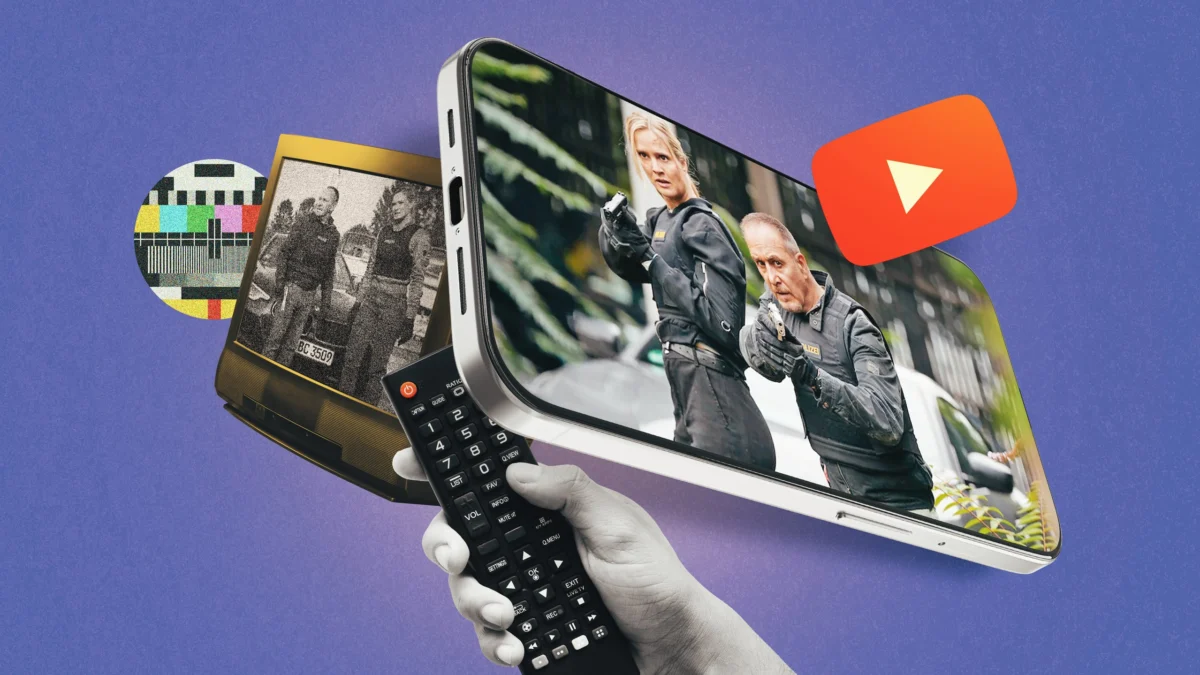
Today, these traditional broadcasters are flooding YouTube with their premium content—from full-length episodes of "Alarm für Cobra 11" to curated clips of popular reality shows. While this strategy yields millions in additional revenue and provides a vital bridge to a younger, cord-cutting demographic, it has simultaneously tethered these media houses to an opaque algorithmic infrastructure. The result is a high-stakes strategic dilemma: how to monetize digital reach without cannibalizing their proprietary streaming platforms and surrendering the very audience data they need to survive.
The Shift: From Linear Gatekeepers to Digital Content Creators
The fundamental shift in strategy is driven by the stark reality of the modern media market. With linear TV ratings in decline—particularly among the coveted 14-49 demographic—broadcasters are no longer content with being "just" TV channels. They have transformed into multi-platform content producers.

"On demand is the keyword," says Andreas Briese, Managing Director for YouTube in Germany. In an interview, Briese emphasizes that for companies like RTL and ProSiebenSat.1, YouTube is not merely a marketing channel; it has evolved into a primary revenue stream. In an era where traditional advertising budgets are shrinking, the ability to generate secondary revenue through YouTube’s partner program is more than just a welcome bonus—it is a financial necessity.
Chronology of a Digital Pivot
The transition to YouTube was not an overnight decision but a gradual, often reluctant, surrender to market pressure.
- 2010–2015: The Skepticism Phase. Initially, traditional broadcasters viewed YouTube as a pirate hub. Efforts were focused on takedowns and protecting copyright-protected material. The "walled garden" approach was the standard policy.
- 2016–2019: The Experimentation Phase. Recognizing that viewers were migrating regardless of legal threats, companies began uploading "best-of" clips and promotional trailers. The goal was to funnel traffic back to their websites.
- 2020–2022: The Strategic Integration. The COVID-19 pandemic accelerated the shift. With home-bound audiences consuming record amounts of digital content, broadcasters began treating YouTube as a first-class distribution channel. Full episodes of older series and archived content became staples.
- 2023–Present: The "Hybrid" Dilemma. Today, the strategy is defined by complexity. Broadcasters are simultaneously building their own proprietary platforms (like Joyn for ProSiebenSat.1 and RTL+) while maintaining massive presences on YouTube to ensure their brands remain relevant to younger viewers who do not own a television set.
Supporting Data: The Economics of the Algorithm
The financial logic behind this migration is compelling, yet fraught with hidden costs. For a major network, the cost of producing high-quality television is fixed. Once a show like Germany’s Next Topmodel or a daily soap opera is produced, the incremental cost of distributing it on YouTube is negligible.
However, the revenue model is inverted. In traditional TV, the broadcaster owns the advertiser relationship and the user data. On YouTube, the broadcaster is a "tenant." They are subject to:
- Revenue Sharing: Google takes a significant cut of ad revenue.
- Algorithmic Dependency: If YouTube changes its recommendation engine, a broadcaster’s reach can plummet overnight.
- Data Blindness: The broadcaster does not own the granular behavioral data of the user, which is crucial for modern targeted advertising.
Despite these drawbacks, the reach is undeniable. By leveraging the vast ecosystem of YouTube, German broadcasters are tapping into billions of views that would otherwise be lost to international competitors like Netflix or TikTok.
Official Perspectives: Navigating the Partnership
Industry leaders offer a nuanced view of this relationship. For the broadcasters, the partnership with YouTube is often described as a "necessary evil" or a "strategic hedge."
"The goal is to meet the audience where they are," a spokesperson for a leading media group noted. "We cannot force the audience to return to the living room set. If we are not on the platforms they use, we effectively cease to exist for the next generation of viewers."
Conversely, platform representatives like Andreas Briese argue that the partnership is symbiotic. By providing professional, high-quality German content, YouTube enriches its own ecosystem, keeping users on the platform longer. "We are not just a host; we are a growth engine for German media houses," Briese asserts.
Yet, beneath the polished statements, there is a clear tension. Broadcasters are constantly trying to push viewers toward their own platforms, using YouTube as a top-of-funnel marketing tool, while YouTube is incentivized to keep those viewers within its own interface.

Implications: The Long-Term Strategic Risk
The current strategy presents three significant long-term implications for the German media industry:
1. The Cannibalization Risk
The most immediate danger is that by offering high-quality content on YouTube for free, broadcasters are devaluing their own premium streaming services. Why would a viewer subscribe to a monthly fee on RTL+ if they can catch up on their favorite show on YouTube? Finding the "windowing" strategy—the specific time delay between a show’s premiere and its arrival on YouTube—is the industry’s greatest current challenge.
2. The Erosion of Brand Identity
Television brands historically carried a certain prestige. On YouTube, that brand is often flattened. A high-budget drama series sits alongside a low-budget vlog or a viral cat video. This "content homogenization" makes it harder for broadcasters to distinguish their premium offerings from user-generated content, potentially weakening the long-term equity of their brands.

3. The Power Asymmetry
Perhaps the most dangerous implication is the shift in power. By becoming dependent on YouTube for audience engagement and revenue, German broadcasters are essentially subsidizing the growth of a global tech giant. They are providing the content that fuels Google’s advertising machine, while their own influence in the media value chain continues to wane.
The Path Ahead: A Question of Survival
The "flood" of content from German TV channels onto YouTube is not merely a trend; it is an admission of a shifting reality. The age of the broadcaster as an island is over.
Looking forward, the success of these companies will likely depend on their ability to master a "platform-agnostic" production model. This means producing content that is inherently designed for digital consumption—shorter, punchier, and more interactive—rather than simply recycling traditional TV formats for a digital audience.

Furthermore, the industry is likely to see an increase in "hybrid monetization." Broadcasters will likely continue to use YouTube for massive reach and lower-tier ad revenue, while reserving their most exclusive, high-value content for their own platforms where they can control the subscription fee and the user experience.
The German media giants are currently in the middle of a high-speed transition. They have realized that the risk of being ignored by the digital generation is far greater than the risk of being dependent on an algorithm. They have jumped into the digital current, but whether they are swimming or simply drifting remains to be seen. As they continue to navigate this, the battle for the attention of the German viewer will be fought not on the screen of a television, but in the infinite, algorithmic scroll of the smartphone.
Summary of Key Takeaways
- Revenue Diversification: YouTube has become a vital source of secondary revenue for German broadcasters facing declining linear TV ad spend.
- The Reach vs. Control Paradox: While YouTube offers unparalleled access to younger demographics, it strips broadcasters of the control they historically enjoyed over their audiences.
- Strategic Cannibalization: Broadcasters are struggling to balance their YouTube presence with the growth of their own proprietary streaming services (Joyn, RTL+).
- Technological Dependency: The future of these media companies is increasingly tied to the algorithms and policies of Google, creating a long-term power imbalance.
As the German media landscape continues to evolve, one thing is certain: the era of the broadcaster as a passive gatekeeper is dead. The future belongs to those who can successfully navigate the precarious, high-reward, high-risk world of global digital platforms.