Executive Summary: The Anatomy of a Structural Crisis
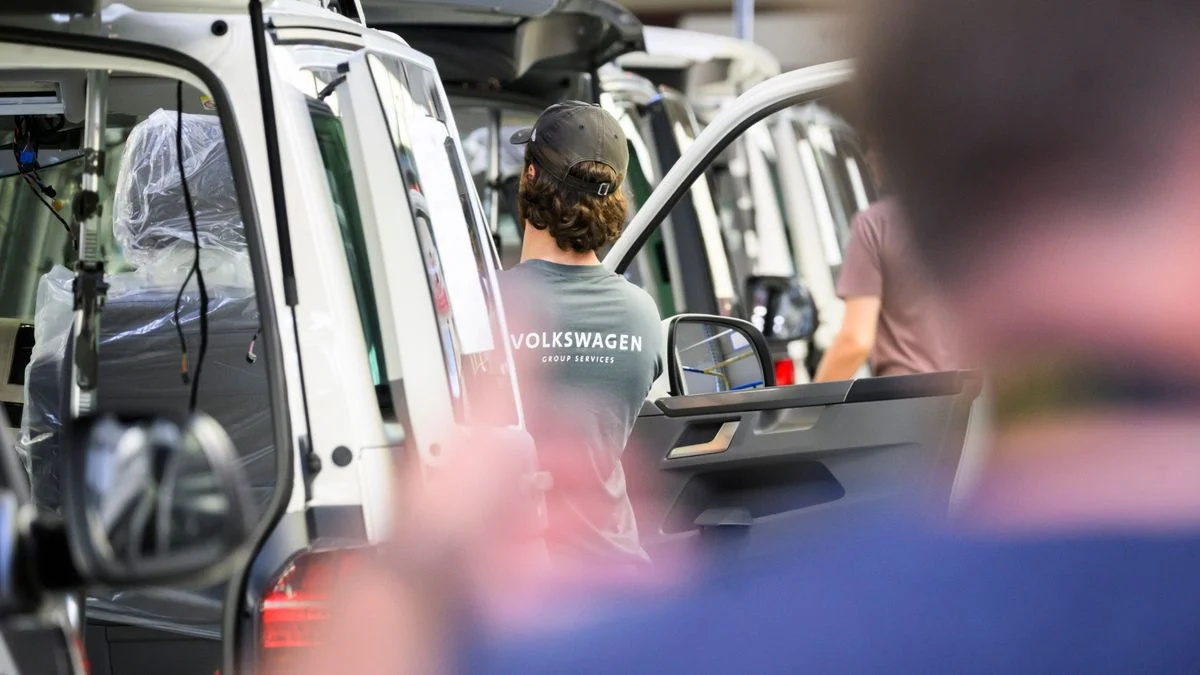
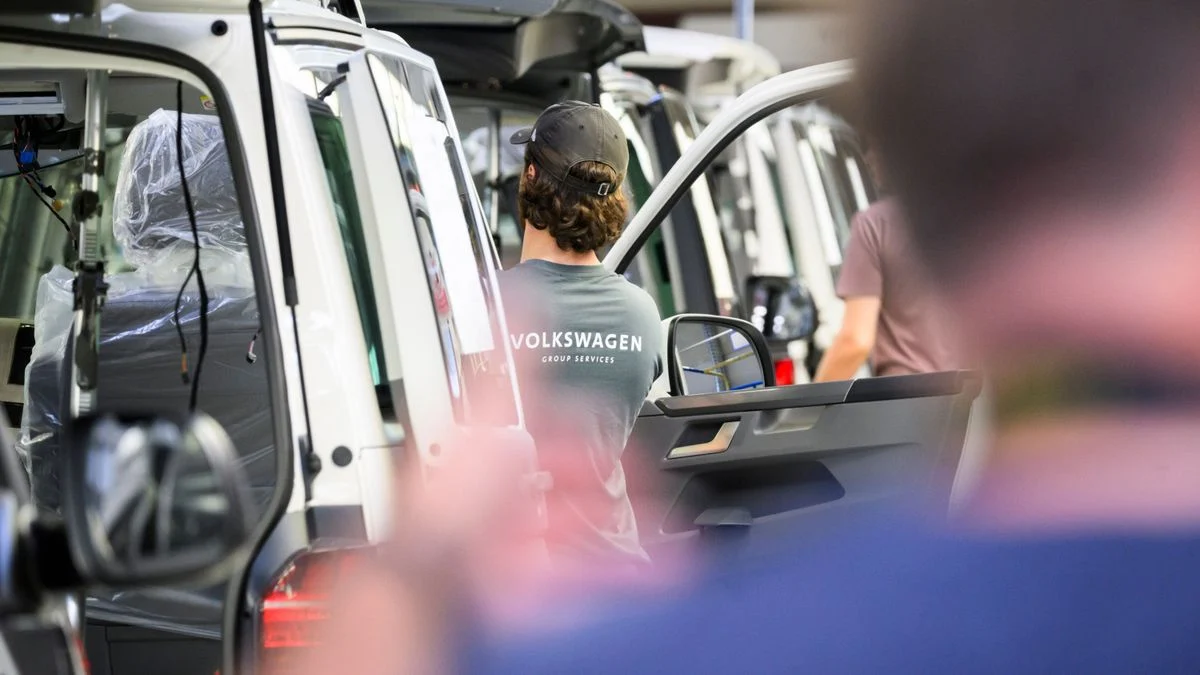
Volkswagen AG, the titan of the German automotive industry, has announced a dramatic escalation in its restructuring efforts. Following intense internal consultations in Hannover, the automaker confirmed that it intends to shed an additional 12,000 jobs by 2030. This new target is not an isolated adjustment but a significant expansion of a pre-existing austerity program, which had already earmarked 35,000 positions for elimination.
Under the leadership of CEO Oliver Blume, the company is now pursuing a massive, multi-pronged cost-reduction strategy. Beyond the immediate job cuts, the broader corporate vision involves a global reduction of approximately 50,000 positions by the end of the decade. This aggressive "sanitization" of the company’s workforce is intended to navigate a turbulent transition toward electric mobility, combat high operational costs, and respond to mounting pressure from global competitors. However, the proposal has ignited a fierce confrontation with the IG Metall union, setting the stage for a high-stakes standoff as tariff negotiations begin on November 24.
Chronology: From Stability to Radical Restructuring
To understand the current tension at Volkswagen, one must look at the timeline of the company’s evolving strategy.
- Pre-2022: Volkswagen operated under a long-term growth strategy, emphasizing the expansion of its electric vehicle (EV) portfolio and the electrification of its core brands.
- 2022: The initial framework for a massive workforce reduction was established. At this time, management and labor representatives agreed on a roadmap to eliminate 35,000 jobs by 2030 to streamline the core brand and the components division.
- Late 2024: Following a series of disappointing quarterly results and intensified market pressure, the VW board, led by Oliver Blume, concluded that the previous measures were insufficient.
- November 2024: Management announced the additional 12,000-job reduction, bringing the total headcount reduction target to 50,000 by 2030.
- November 24, 2024: The scheduled start of critical tariff negotiations, where the future of the company’s labor model will be contested.
The Strategic Logic: Why 50,000 Jobs?
The rationale behind Volkswagen’s drastic measures is grounded in the "historical sanierung" (sanitation) of its business model. For years, the automaker has struggled with a bloated cost structure that hampers its ability to compete with leaner, tech-forward rivals like Tesla and the rapidly advancing Chinese EV manufacturers (such as BYD).
1. The Cost of Transition
Volkswagen is currently navigating the most expensive transition in its history. Moving from internal combustion engines to a software-defined, electric-first vehicle architecture requires billions in R&D investment. With legacy manufacturing plants designed for mechanical simplicity rather than digital integration, the company is finding it difficult to maintain profitability margins.
2. The Role of Transfer Companies
A central pillar of management’s current proposal is the implementation of "Transfergesellschaften" (transfer companies). These are specialized transition vehicles designed to facilitate the shift of employees whose roles have been made redundant. Within these entities, workers receive training, vocational guidance, and support to find new employment—often subsidized by the Federal Employment Agency through "transfer short-time work benefits."
For Volkswagen, this is a mechanism to ensure a "socially acceptable" reduction in headcount. By outsourcing the transition process, the company hopes to avoid the social fallout of direct layoffs while simultaneously reducing its payroll burden.
Official Responses and the Clash of Interests
The Management Perspective
CEO Oliver Blume and the Board of Management maintain that these steps are non-negotiable. Their argument is that the company’s survival in the era of global electrification depends on agility. They emphasize that while they remain committed to the "Future Collective Bargaining Agreement" (Zukunftstarifvertrag) and the promise of job security until 2030, the underlying economic reality necessitates a leaner, more efficient organization. Management insists that all workforce reductions will be conducted through voluntary instruments—such as partial retirement (Altersteilzeit) and severance packages—to minimize the impact on the individual.

The Labor Perspective: A "Breach of Trust"
The response from the IG Metall union has been nothing short of explosive. Thorsten Gröger, the union’s district manager, characterized the proposal for transfer companies as a "tariff-political breach of trust" that lacks a viable legal foundation.
The union’s argument is twofold:
- Corporate Responsibility: IG Metall asserts that before the German taxpayer is asked to subsidize the transition via public funds (through the Federal Employment Agency), the company’s shareholders must bear the burden. They highlight the paradox of the company requesting state-supported "transfer companies" while simultaneously paying dividends to shareholders.
- Product-Led Growth: The union argues that the solution to Volkswagen’s crisis is not merely cutting heads, but investing in the future. They contend that the company should be focusing on innovation, new product pipelines, and achieving technological leadership, rather than shrinking the workforce to balance the books.
Implications: The High Cost of Transformation
The financial implications for Volkswagen are profound. Analysts estimate that the cost of these restructuring measures could reach up to 10 billion euros. This capital, which would ideally be spent on battery technology, autonomous driving software, or infrastructure, is being diverted into the logistics of downsizing.
The Risk of Paralysis
The looming dispute threatens to paralyze the company at a time when speed is essential. If the upcoming negotiations on November 24 break down, Volkswagen faces the risk of industrial action, which would further disrupt production and erode investor confidence.
The German Industrial Model
This conflict is also a stress test for the "German Model" of industrial relations. The tradition of co-determination (Mitbestimmung), where labor and management work in lockstep to navigate crises, is under unprecedented pressure. If Volkswagen—a company that has historically exemplified this collaborative model—fails to find a path forward, it will signal a broader crisis for Germany’s industrial sector, which is currently grappling with high energy prices, bureaucratic hurdles, and a shifting global automotive landscape.
Conclusion: The Road Ahead
Volkswagen is at a crossroads. The decision to cut 50,000 jobs by 2030 is a signal that the status quo is no longer sustainable. However, the path the company has chosen—relying on transfer companies and aggressive cost-cutting—is meeting with fierce resistance from those who represent the very people responsible for the company’s past successes.
As negotiations approach, the core question remains: Can Volkswagen transform into a leaner, digital-first automaker without dismantling the social contract that has underpinned its stability for decades? The outcome of the talks starting on November 24 will likely set the tone for the entire German automotive sector for the next decade.
While management focuses on the balance sheet, the union focuses on the human capital. Bridging this gap will require not just financial maneuvering, but a shared vision for what a "Volkswagen" actually means in a post-combustion world. If the two sides cannot reach an accord, the cost to the company—and to the German economy at large—may far exceed the projected 10 billion euros currently earmarked for the restructure.