The digital storefront landscape has undergone a seismic shift in how games are marketed and discovered. At the heart of this evolution lies Valve’s Steam Next Fest, a recurring, week-long celebration of independent gaming that effectively functions as a global, virtual trade show. Three times a year, the platform opens its digital doors, allowing millions of players to sample hundreds of upcoming indie titles, participate in developer-led livestreams, and engage directly with the creators shaping the future of the industry.
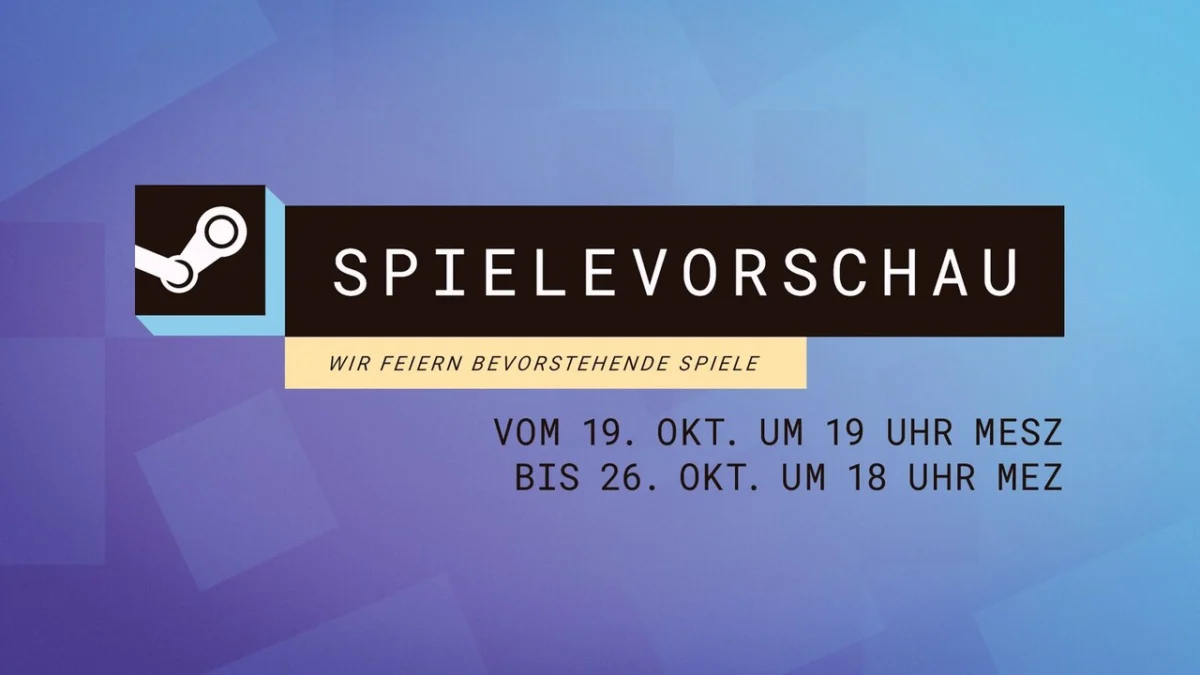
The October edition of the Steam Next Fest is currently in full swing, serving as a beacon for enthusiasts looking to peer into the future of interactive entertainment. As the event approaches its conclusion—officially ending this coming Monday at 6:00 PM CET—the gaming community finds itself once again navigating the "paradox of choice," a byproduct of the sheer volume of high-quality demos available. To assist in this discovery process, Valve has released a curated list of the 20 most-played demos to date, providing a roadmap for players looking to cut through the noise.
The Evolution of the Virtual Trade Show
Traditionally, game discovery relied on physical trade shows like E3, Gamescom, or PAX. These events were exclusive, logistically demanding, and often defined by long, frustrating queues. Steam Next Fest has effectively dismantled these barriers. By transitioning the "show floor" to the user’s desktop, Valve has eliminated the physical fatigue of convention-going, replacing it with the ability to download, play, and uninstall titles from the comfort of one’s home.
Valve has been explicit in its messaging: this is not merely a marketing exercise; it is a user-centric initiative. While developers benefit from increased visibility and wishlist additions—the lifeblood of a Steam release—players benefit from the opportunity to make informed purchasing decisions. Unlike the often-rushed demos of a physical show, Steam Next Fest allows users to sink hours into a title, test performance on their specific hardware, and decide whether a game warrants a future purchase based on tangible experience rather than a slickly edited trailer.
However, the clock is ticking. While some developers opt to keep their demos live for weeks or even months post-event, this is at the developer’s discretion. There is no guarantee that a specific demo will remain accessible once the official event concludes on Monday. Consequently, the upcoming weekend represents the final, concentrated opportunity for players to explore the vast catalog before the "virtual floor" closes.
Chronology and Scope: Navigating the Next Fest
The schedule for the Steam Next Fest is tightly structured to maximize impact. The event typically spans seven days, beginning with a broad opening phase characterized by a deluge of content updates and ending with a final push as the community begins to consensus-build around the "must-play" titles.
The Lifecycle of a Demo
The process for inclusion in a Steam Next Fest is rigorous. Valve mandates that a title can only participate in the festival once. This policy acts as a quality control mechanism, ensuring that the festival showcases games that are on the verge of release. For the participating studios, the festival is the final "stress test." It provides critical telemetry data—how many players dropped off at a certain level, how many encountered bugs, and which gameplay loops resonated most strongly with the audience.
For the player, the timeline is clear:
- The Launch: The event begins with a massive influx of new content, often accompanied by a "Discovery Queue" update.
- Mid-Week: The focus shifts to community discourse. Livestreams become the primary engagement vehicle, where developers answer questions and provide context for their design choices.
- The Final Weekend: This is the most critical phase. As the event nears its end, the "Most Played" lists crystallize, helping players filter through the hundreds of available demos to find the breakout stars of the season.
Supporting Data: The Power of the "Most Played" List
The sheer volume of content on display can be overwhelming. With hundreds of demos across every imaginable genre—from cozy farming sims to high-octane tactical shooters—paralysis is a genuine risk. Valve’s decision to publish a list of the 20 most-played demos is a calculated move to democratize visibility.
By presenting these titles alphabetically rather than in a rigid, competitive ranking, Valve avoids creating a "winner-takes-all" dynamic. Instead, it provides a "starter pack" for those overwhelmed by the catalog. These 20 titles represent a cross-section of current indie trends: innovative mechanics, distinct art styles, and narrative-driven experiences that have managed to capture the collective imagination of the Steam user base.
For industry analysts, this list serves as a temperature check on the market. If 10 of the top 20 games are roguelikes, for instance, it signals a significant shift in player appetite. It is a vital data point for publishers and indie developers alike, who watch these trends to determine the viability of their own projects.
Developer-Led Livestreams: The Human Element
One of the most profound benefits of the digital shift is the preservation of the "human element." In the past, the value of a physical show was the ability to meet the creators. Through the integrated livestreaming feature, Steam Next Fest replicates this experience on a massive scale.
Throughout the week, developers run continuous, rotating streams. These sessions are rarely just marketing fluff; they are often deep dives into the development process. A developer might play through an early build, explain why they chose a specific color palette, discuss the implementation of a complex physics engine, or simply chat with the audience about the challenges of indie production.
This direct line of communication is invaluable. It transforms the relationship between the consumer and the creator from a transactional one into a collaborative one. When a player asks a question in the chat and receives a direct answer from the lead designer, the likelihood of that player following the game and eventually making a purchase increases exponentially.
Implications for the Future of Indie Gaming
The success of the Steam Next Fest has profound implications for the gaming industry. First, it has solidified the "Early Access" and "Demo" pipeline as the gold standard for independent developers. By forcing a project into the spotlight, Valve is essentially helping creators "fail fast" or "succeed early."
Second, the event has effectively challenged the dominance of traditional publishers. When a small team of three developers can gain the same visibility as a mid-sized studio through a well-crafted demo and an engaging livestream, the barrier to entry for the industry lowers significantly.
Finally, the event highlights a shift in player behavior. Today’s gamers are more skeptical of pre-release hype. They demand transparency and proof-of-concept. The Steam Next Fest provides this, essentially acting as a massive, user-driven quality assurance test. It creates a community-led vetting process where the best games naturally rise to the top, regardless of marketing budget.
A Call to Action for the Weekend
As the October edition of the Steam Next Fest heads into its final stretch, the responsibility to find the "hidden gems" rests with the community. While the "Most Played" list is an excellent starting point, the true beauty of the festival lies in the obscure, smaller titles that haven’t yet reached the top 20.
Whether you are a fan of sprawling RPGs, intense platformers, or experimental narrative games, the next few days are the optimal time to participate. Engage with the livestreams, leave constructive feedback on the community forums, and most importantly, download the demos that catch your eye.
The industry is watching. Your input—through your playtime and your feedback—directly impacts the development trajectories of these upcoming games. Which titles have you discovered this week? Are there any hidden masterpieces that deserve more attention? The comment sections across the Steam platform are currently abuzz with such discussions. Join the conversation, share your experiences, and help shape the future of the games you want to play.
The clock is ticking, but the opportunity remains. Dive in, explore, and be part of the process that brings the next wave of gaming classics to life.