As the clocks strike 3:00 a.m. this Sunday, the European Union undergoes its biannual shift, moving from Central European Summer Time (CEST) back to Central European Time (CET). While the extra hour of sleep is welcomed by many, the ritual remains a point of deep contention across the continent, with public sentiment, scientific research, and legislative deadlock painting a picture of an outdated practice that refuses to fade away.
The Mechanics of the Shift
The transition occurs in the early hours of Sunday, October 25, 2026. As the clock hits 3:00 a.m., it is set back one hour to 2:00 a.m. This adjustment, colloquially known as "falling back," signifies the end of the summer daylight saving period. For the average citizen, this means the sun will rise earlier in the morning but will also set noticeably earlier in the afternoon, plunging the evenings into darkness as the winter season approaches.
For the vast majority of modern devices—smartphones, computers, and radio-controlled clocks—the transition is seamless. These devices synchronize automatically with the atomic clocks maintained by the Physikalisch-Technische Bundesanstalt in Braunschweig, Germany. However, for the millions of analog devices and traditional mechanical watches still in use, the manual turn of the crown remains a necessary, if antiquated, chore.
A Legislative Deadlock: The EU’s Failed Ambitions
The debate over whether to abolish the biannual time change is not new; it has been a topic of intense discussion within the European Union for nearly a decade. In 2018, the European Commission proposed an end to the practice after a public consultation revealed that an overwhelming majority of European citizens favored abolishing the switch.
However, the path to implementation has been blocked by a lack of consensus among member states. The primary hurdle is not the decision to stop changing the clocks, but rather which time to adopt permanently. Some countries argue for the retention of "Permanent Summer Time," citing the benefits of long, light-filled evenings for the tourism and leisure industries. Others, particularly those in the north, advocate for "Permanent Winter Time" (Standard Time), arguing that it aligns more closely with human circadian rhythms and ensures that children do not have to travel to school in the dark during winter mornings.
Because the European Union functions as a single market, a "patchwork" of time zones across the continent would be an economic and logistical nightmare. Consequently, the proposal remains in a state of suspended animation, with no clear path forward as member states prioritize national interests over a unified continental approach.
Public Sentiment: A Call for Consistency
The frustration expressed by the public is not merely aesthetic; it is deeply rooted in personal wellbeing. According to recent surveys by Forsa, 71 percent of Germans consider the time change to be an obsolete practice that should be abandoned entirely. This sentiment is mirrored across the EU, where the prevailing view is that the disruption to the biological clock far outweighs any minor benefits.
The complaints are multifaceted. Beyond the mere annoyance of adjusting clocks, citizens cite significant impacts on their quality of life. The psychological burden of the "dark winter" is frequently exacerbated by the sudden shift in light patterns, leading to complaints of increased fatigue and seasonal affective symptoms.
The Biological Toll: Why "Losing an Hour" Matters
While the shift in October grants an extra hour, the spring shift is widely considered more harmful to human health. However, researchers emphasize that the human body is not a machine that can simply be "reset" with the turn of a dial.
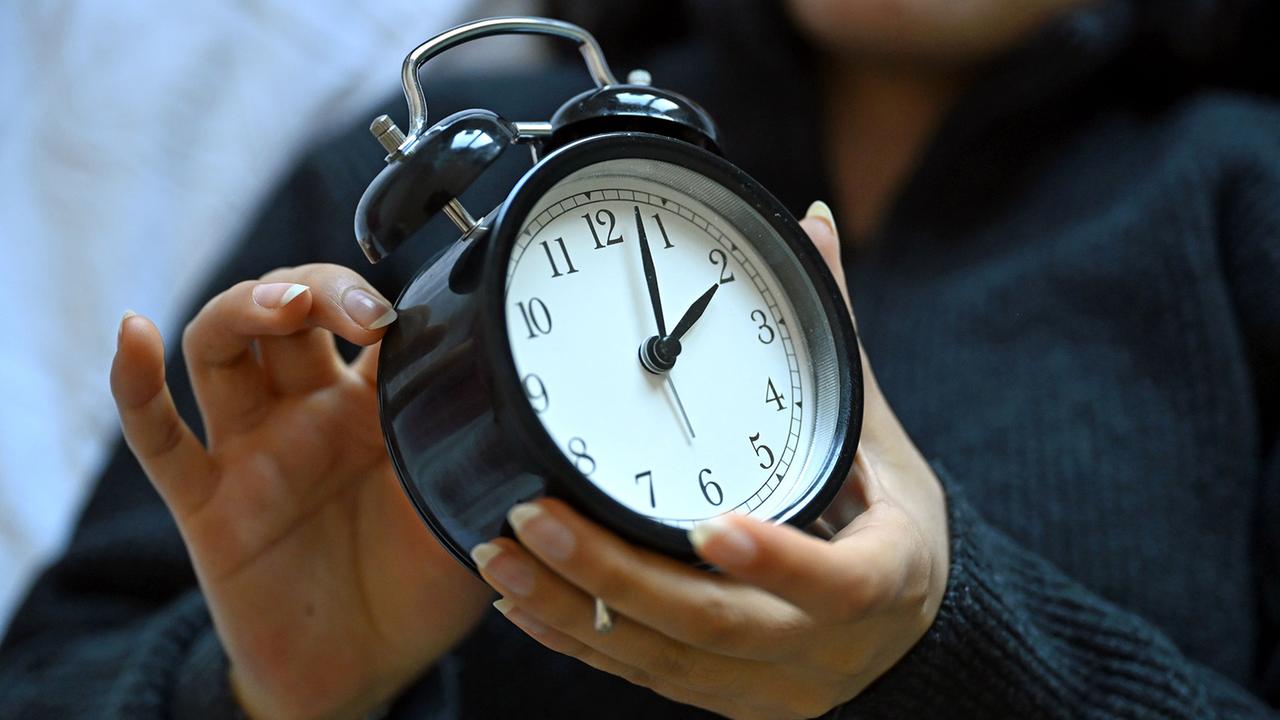
According to data from the market research institute YouGov, over half of the German population reports needing several days to adjust to the new time, with 13 percent of respondents claiming it takes them more than a week to recover their usual rhythm. This is not just a matter of feeling "groggy"; it is a physiological response to the misalignment between the "social clock" (the time we are forced to wake up) and the "biological clock" (our internal circadian rhythm).
Studies in chronobiology suggest that even a one-hour shift can disrupt sleep quality, decrease cognitive performance, and increase the risk of workplace accidents and cardiovascular incidents in the days immediately following the transition. The body’s endocrine system, particularly the production of melatonin, is highly sensitive to light exposure. Abrupt changes in sunrise and sunset times force a recalibration that can take significant time to stabilize.
The Myth of Energy Conservation
The original impetus for the introduction of daylight saving time—first implemented during the First World War—was the potential for energy conservation. The logic was simple: by extending the daylight hours in the evening, households would require less electricity for artificial lighting.
However, modern analysis has largely debunked this notion. In the 21st century, energy consumption patterns have shifted drastically. While lighting has become significantly more efficient (thanks to LED technology), the use of air conditioning and heating has surged. Studies have shown that while people may use less electricity for lights in the evening, they often increase usage for climate control, and the net energy savings are, at best, negligible. In many cases, the time change actually leads to a slight increase in energy consumption, rendering the original rationale for the policy effectively void.
A Look Ahead: What the Future Holds
As of late 2026, the prospect of ending the time change remains stalled. The European Commission has shifted its focus toward more pressing economic and geopolitical challenges, leaving the "clock issue" as a secondary concern. Until the member states can reach a consensus on whether to adopt permanent standard time or permanent summer time, the ritual will continue.
The next significant date in the calendar is March 28, 2027, when the clocks will once again "spring forward." As it stands, there is no legislative movement to suggest that this will be the final time the continent changes its clocks.
For the average citizen, the reality is a cycle of anticipation and frustration. We live in an era of hyper-connectivity and global trade, yet we remain bound by an archaic temporal policy that ignores the nuances of human biology and the realities of modern energy usage. Until political will catches up with public demand, we are destined to continue our twice-yearly adjustment—a reminder that in the grand scheme of European integration, time remains the most difficult thing to standardize.
Summary of Key Considerations:
- Economic Impact: The lack of synchronization in time-keeping could disrupt cross-border business, logistics, and transportation schedules.
- Health: Chronic sleep disruption and the slow adjustment period represent a public health concern that is often underestimated.
- Legislative Status: The EU commission has effectively hit a wall, with no immediate legislative agenda to resolve the deadlock before the 2027 season.
- Scientific Consensus: There is little evidence to support the economic or energy-saving benefits of the time change, placing the burden of proof on those who wish to maintain it.
As we move through the winter of 2026, the debate serves as a microcosm of broader European challenges: the struggle to balance national sovereignty and cultural preferences with the necessity of a unified, functional, and efficient collective policy. Until then, the clocks will turn, the sun will set, and the people will continue to ask: Is it finally time to stop?