The global aviation industry faces a renewed wave of instability as Boeing, the American aerospace titan, grapples with a significant production bottleneck that has effectively brought the assembly lines for its 777 freighter aircraft to a halt. According to reports from industry insiders, the production freeze has persisted for nearly two months, driven by an escalating conflict with a key supplier. This development underscores the fragility of modern aerospace supply chains and places further pressure on a manufacturer already struggling with quality control and regulatory scrutiny.
The Core Issue: A Single Point of Failure
The impasse centers on a specialized, "indispensable" component required for the construction of the aircraft’s wings. Without this critical part, the final assembly of the 777 freighter—a backbone of the global air cargo market—is physically impossible.
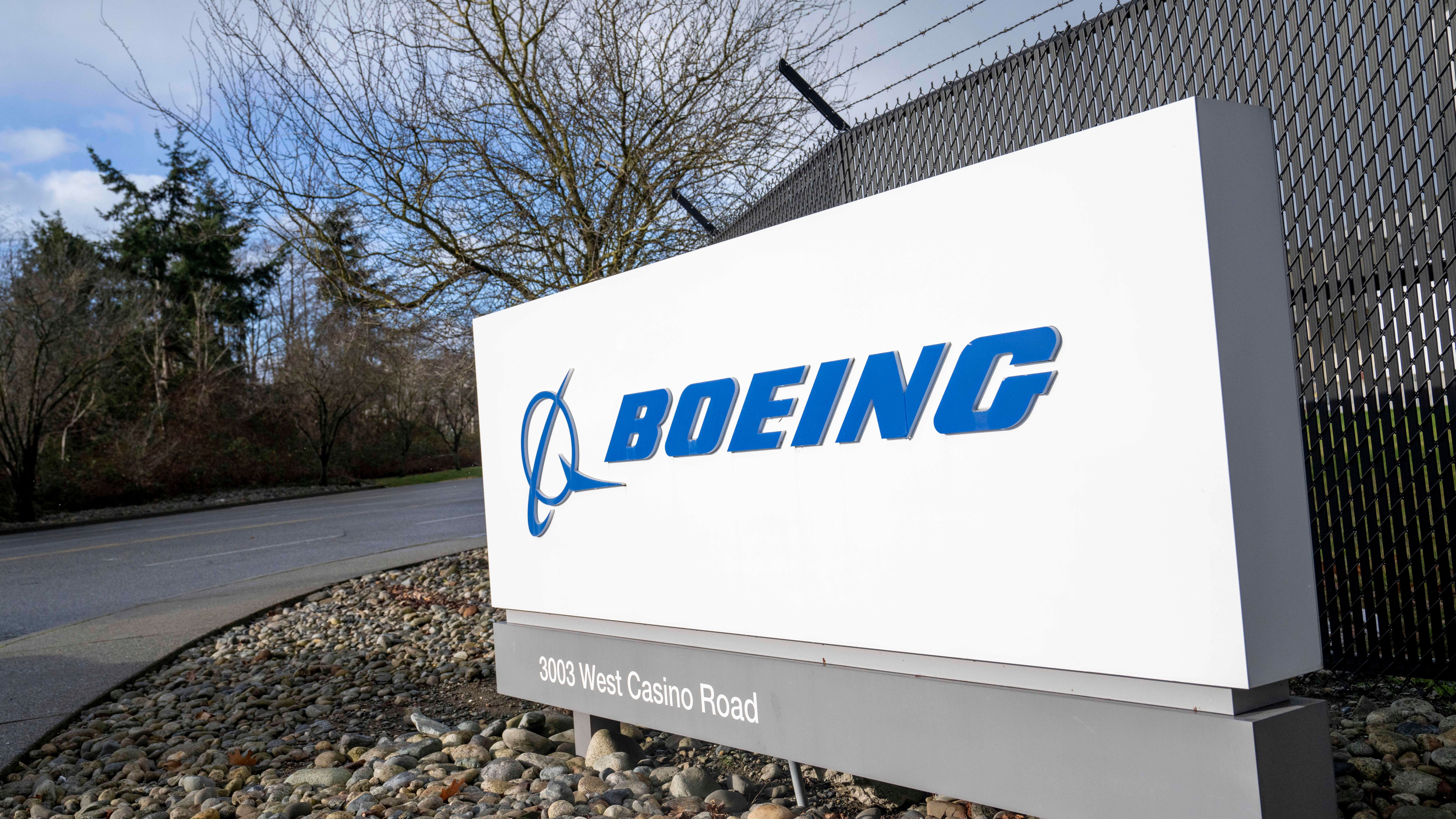
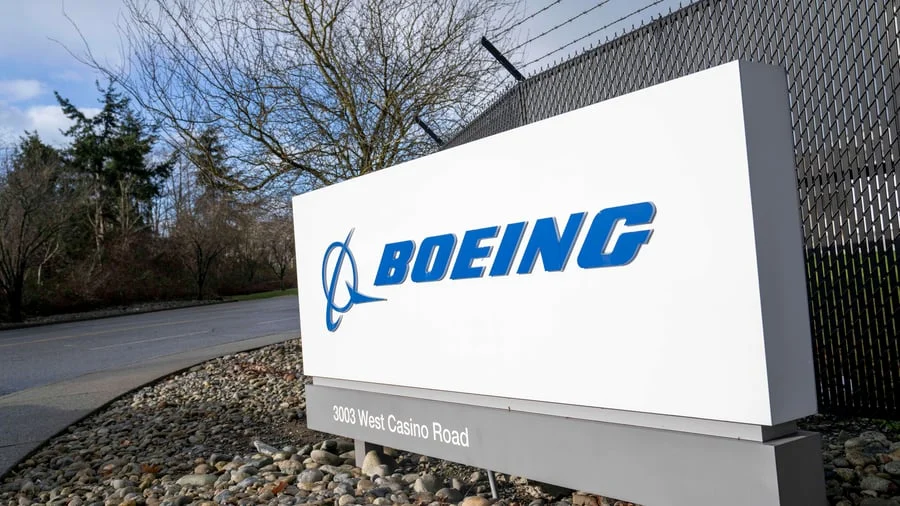
Sources familiar with the matter revealed that the conflict involves Vaero, a supplier based in Florida that holds the exclusive contract to produce this specific component. The severity of the disruption is highlighted by the fact that Boeing was forced to remove at least two partially assembled 777 freighters from its production line in Everett, Washington, as they reached a stage of assembly that required the missing part.
This reliance on a single-source supplier for a mission-critical component has become a glaring vulnerability for Boeing. The company is now actively working to bring the manufacturing of this component in-house, a move aimed at insulating itself from future disputes and ensuring supply chain resilience.

Chronology of the Dispute
The timeline of the crisis reveals a rapid escalation from a production delay to a full-blown legal battle:
- Mid-2024 (Approximate): Production delays begin to manifest in the 777 freighter program, linked to issues at the supplier level.
- August 2024: The situation reaches a boiling point. Boeing files a lawsuit against Vaero, the Florida-based supplier. In court filings, Boeing claims that the delivery halt has cost the company as much as $6.5 million per day, citing the immense logistical and financial drag of unfinished aircraft clogging the production facility.
- Late September 2024: A formal legal settlement is reached between the two companies. While the settlement was intended to resolve the deadlock, production of the 777 freighter has remained dormant, suggesting that the transition back to a steady supply flow is far more complex than a simple contract signature.
- Present Day: Boeing continues to navigate the fallout, with the assembly line for the 777 freighter remaining largely inactive while the manufacturer works toward a strategy of vertical integration for the disputed part.
Impact on the 767 and Other Models
While the 777 freighter has been the primary victim of this supply chain failure, the impact has rippled outward. The 767, which is currently manufactured both as a commercial freighter and as the KC-46 Pegasus military tanker, has also been significantly affected. Because the 767 relies on a similar structural component for its wing assembly, the production line for this program has faced parallel hurdles.
Interestingly, the next-generation 777X model remains largely insulated from this specific crisis. The 777X utilizes wings composed of advanced composite materials, rather than the traditional metal-heavy components supplied by the firm in question. This technological divergence has effectively shielded the company’s flagship future program from the immediate, day-to-day chaos currently plaguing the older freighter models.
Official Responses and Corporate Silence
In line with its current policy regarding active litigation and sensitive operational updates, Boeing has maintained a position of strategic silence. The company declined to provide an official comment to media inquiries regarding the specifics of the supply chain status or the ongoing efforts to internalize production.

Similarly, representatives for Vaero have not responded to requests for comment. This lack of transparency has left market analysts and aviation stakeholders to piece together the implications based on court filings and the observations of insiders who are witnessing the empty bays on the assembly floor.
Broader Implications for the Aviation Industry
The current crisis at Boeing is not an isolated incident but rather a symptomatic case study of the broader challenges facing aerospace manufacturing in the post-pandemic era.

1. The Risks of "Just-in-Time" Manufacturing
For decades, the aerospace industry has relied on highly optimized, lean supply chains. While this strategy maximizes efficiency and minimizes capital tied up in inventory, it creates a "single point of failure" scenario. When one specialized vendor falters—whether due to financial insolvency, labor strikes, or quality disputes—the entire multi-billion-dollar assembly line comes to a screeching halt.
2. Vertical Integration as a Defense
Boeing’s move to internalize the production of the disputed component signals a major shift in corporate strategy. By bringing manufacturing in-house, Boeing is prioritizing control and predictability over the short-term cost savings associated with outsourcing. This "make versus buy" decision is becoming increasingly common among aerospace OEMs (Original Equipment Manufacturers) as they attempt to reclaim control over their production schedules.

3. Impact on Air Cargo Capacity
The global air cargo market is currently experiencing a period of high demand. As major logistics hubs struggle with the volume of e-commerce and international trade, the delay in the delivery of new 777 freighters—one of the most efficient and widely used cargo aircraft in the world—could have long-term impacts on shipping rates and freight capacity. Airlines and cargo operators waiting for these deliveries may be forced to extend the service life of older, less efficient aircraft, thereby increasing operational costs and carbon emissions.
4. Financial Strain on Boeing
With a reported loss of $6.5 million per day during the height of the dispute, the financial toll is significant. Boeing is already operating under a heavy debt load and intense pressure from shareholders to turn around its core operations. A stalled production line means fewer deliveries, which in turn means deferred revenue. While Boeing’s order book remains robust, the ability to convert those orders into delivered aircraft is the primary metric by which the company’s recovery will be judged.

Conclusion: A Turning Point for Boeing
The situation involving the 777 freighter serves as a harsh reminder of the realities facing the modern aerospace sector. For Boeing, the path forward requires a delicate balance: it must resolve the immediate technical and logistical bottlenecks with its suppliers while simultaneously executing a long-term strategy of increased vertical integration.
As the industry moves into the next fiscal quarter, the spotlight will remain on the Everett facility. Investors, airline partners, and regulators will be watching closely to see if Boeing can successfully transition to in-house production for these critical components. If successful, the company may set a new standard for supply chain resilience. If the delays continue, it will likely serve as a cautionary tale about the dangers of extreme supply chain dependency in an era of global economic volatility.

For now, the silence from the executive suites in Arlington and Seattle reflects a company in the midst of a quiet, high-stakes pivot—one that will likely define its operational capabilities for the remainder of the decade.