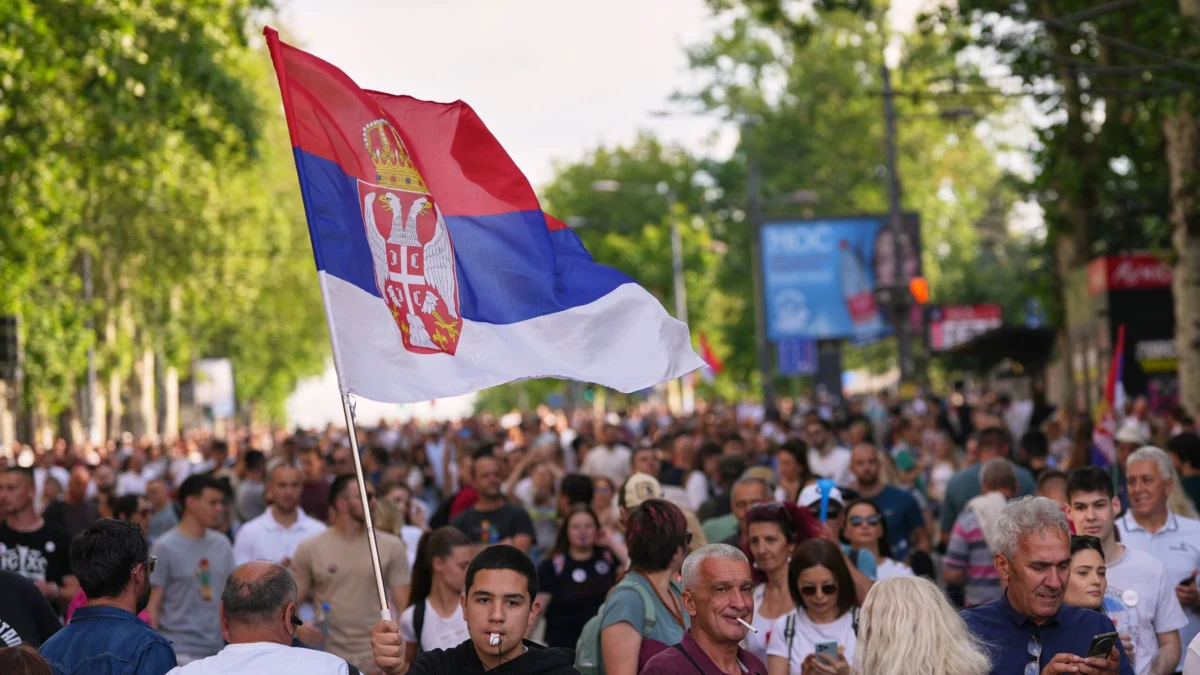
DÜSSELDORF/BELGRADE – Serbia stands at a critical juncture. After more than a decade of dominance by the Serbian Progressive Party (SNS), the political hegemony established by former President Aleksandar Vučić is facing its most significant existential challenge yet. As roughly 6.4 million eligible voters prepare to head to the polls this Sunday, the nation is gripped by a palpable sense of uncertainty. For the first time in years, the once-unassailable SNS finds itself locked in a statistical dead heat with an emerging, grassroots opposition force: the "Students’ List."
This snap parliamentary election is not merely a contest of platforms; it is a referendum on the soul of the country. Recent polling data indicates that both the incumbent SNS and the debutante Students’ List are hovering around the 40 percent mark. While individual polling institutes offer divergent forecasts, the consensus is clear: the era of absolute political control in Belgrade may be coming to an end.
The Catalyst for Change: The Novi Sad Tragedy
To understand the current fervor, one must look back to November 1, 2024. On that fateful day, a catastrophic failure at the recently renovated railway station in Novi Sad resulted in the collapse of a concrete overhang, claiming the lives of 16 people.
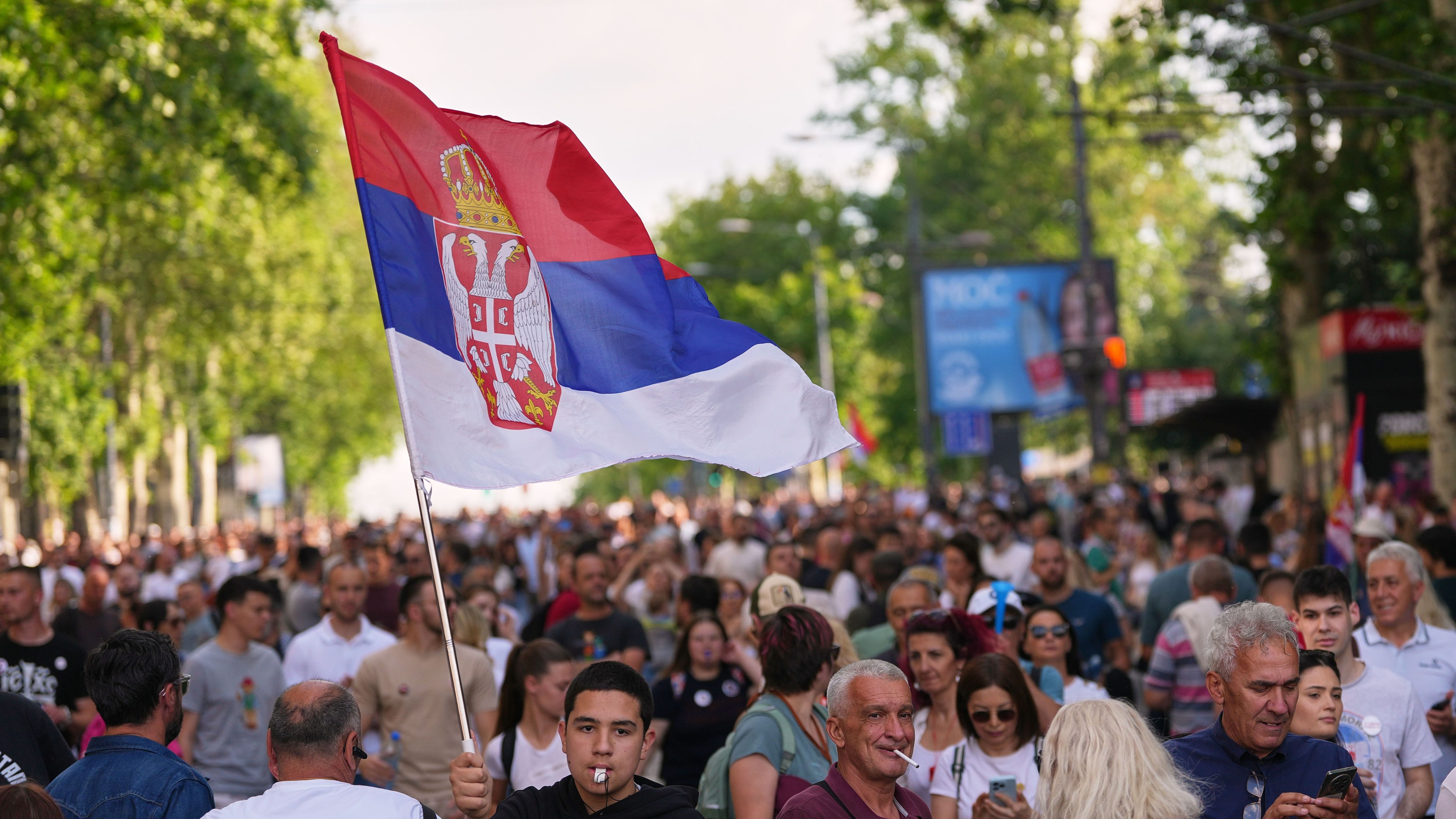
The tragedy was not merely a structural failure; it became a powerful, visceral symbol of the systemic malaise that critics have long associated with the Vučić administration. The public response was immediate and overwhelming. A broad-based protest movement erupted, coalescing around demands to end "shoddiness, abuse of power, and corruption." For many Serbians, the disaster was the breaking point—a tangible consequence of a state apparatus they believe has prioritized political patronage over public safety.
A Chronology of Escalation
The road to this Sunday’s election has been marked by a rapid sequence of political maneuvers and social mobilization:
- September 2024: Aleksandar Vučić resigns from the presidency. His move is widely viewed as a tactical maneuver to pivot into the office of Prime Minister, aiming to retain control over the levers of executive power while ostensibly undergoing a "renewal" of his leadership mandate.
- November 1, 2024: The collapse of the Novi Sad station canopy acts as a lightning rod for national discontent.
- Late 2024 – Early 2025: The protest movement evolves from spontaneous outrage into an organized political entity, as students, academics, and civic leaders begin to structure their demands.
- October 2025: As the election date approaches, the "Students’ List" emerges as a formal, though unconventional, political coalition, drawing support from a cross-section of society.
- October 2025 (Final Days): Massive, peaceful rallies in Belgrade signal the intensity of the anti-government sentiment, culminating in a final demonstration where tens of thousands demand justice and the restoration of the rule of law.
The "Students’ List": A New Kind of Opposition
The moniker "Students’ List" is, in many ways, a misnomer that speaks to the movement’s origins rather than its composition. It is not a party of undergraduates, but rather a sophisticated coalition of experts—professors, physicians, teachers, and civil society activists—selected by students to challenge the status quo.

By design, the list excludes career politicians. Their selection process was rooted in grassroots democracy, with faculties from all five of Serbia’s state universities holding a veto over the candidate selection. On the top of their list is Dr. Ilija Srdanović, a cardiologist from Novi Sad, who has become the face of the movement. His rhetoric is sharp and focused: he accuses the current government of institutionalizing corruption to the point where it has become lethal.
The movement’s platform is characterized by a desire for a "system reset." They prioritize the restoration of functional, independent institutions and the eradication of systemic graft. While they lack the detailed, long-term policy manifestos of established parties, their members have articulated clear, principled stances on the issues driving the protests.
The Geopolitical Tightrope: Foreign Policy and EU Aspirations
The geopolitical stance of the Students’ List remains complex. While the incumbent SNS maintains a veneer of pro-European integration, the progress of the accession process has stalled for years, hindered by what the European Union describes as significant backsliding in the judiciary and a lack of serious anti-corruption efforts.

The Students’ List is perceived as "less definitive" regarding immediate EU membership compared to traditional pro-European alliances. Their focus is primarily internal: rule of law, domestic transparency, and economic accountability. However, their position on sensitive issues—such as the refusal to impose sanctions on Russia and the non-recognition of Kosovo’s independence—mirrors the conservative stance of the Vučić administration. Many of their candidates have remained intentionally vague on foreign policy, suggesting that they are prioritizing a domestic "cleanup" before attempting to navigate the complexities of international relations.
Environmental policy has also become a fault line. The movement is deeply critical of the government’s plans for large-scale mining, particularly the contentious lithium extraction projects in the Jadar Valley. These projects, which were part of a broader "raw materials partnership" with the EU, have been frozen since late 2025 due to intense public pressure.
Implications of a Hung Parliament
Even in the event of a victory for the Students’ List, the path forward is fraught with difficulty. The movement has categorically ruled out a coalition with established opposition parties, seeking instead to maintain their "non-political" purity. Should they fail to secure an absolute majority, they will face a daunting challenge in finding a governing partner.

Conversely, Aleksandar Vučić and the SNS have historically relied on a network of smaller, loyal coalition partners to maintain a grip on power. The uncertainty surrounding the formation of a new government has led many analysts to predict a period of profound instability. If no clear majority emerges, Serbia could face a protracted constitutional crisis or, at the very least, a paralyzed legislative branch.
Official Responses and the State of the Nation
The current government, led by the remnants of the SNS infrastructure, continues to frame itself as the only force capable of ensuring stability and economic growth. President Vučić has consistently denied allegations of authoritarianism, corruption, and the suppression of media freedom, characterizing the protests as being fueled by foreign influence and domestic destabilizers.
However, the international community is watching closely. The European Union has already begun to withhold funding in response to democratic backsliding. Brussels has made it clear that any future cooperation is contingent upon tangible reforms in the judicial sector and a genuine commitment to democratic norms.

The Broader European Context
The unrest in Serbia is not an isolated phenomenon. Across Europe, there is a growing trend of youth-led movements challenging the traditional political order. Whether driven by economic anxiety, dissatisfaction with institutional integrity, or a desire for climate justice, these movements are reshaping the continent’s political landscape.
In countries like France, Italy, and Spain, we have seen similar, often volatile, displays of public discontent. What makes the Serbian case unique is the rapid institutionalization of this dissent. The transition from the streets to the ballot box represents a bold attempt to channel youthful frustration into formal governance.
Conclusion: A Future in Flux
As the sun rises on election day, the future of Serbia hangs in the balance. The nation is witnessing a clash between the entrenched, centralized power of the past decade and a decentralized, expert-led demand for institutional integrity.

Whether the electorate chooses to stay the course with the familiar, if controversial, leadership of the SNS, or opts for the untested, idealistic platform of the Students’ List, the result will be a defining moment for the Balkans. One thing is certain: the events of the past few months have permanently altered the political DNA of the country. The era of silent acquiescence is over; the era of active, demanding citizenship has arrived. Regardless of the numerical outcome, the mandate for change—be it through the ballot box or the ongoing pressure of the streets—has been firmly established.