In an era of rapid medical advancement, the intersection of public health awareness, early detection technology, and shifting societal norms is reshaping the way we approach disease. From the rare but often overlooked diagnosis of male breast cancer to the high-tech precision of optogenetics and the global debate surrounding pharmacological interventions for obesity, the medical community is currently navigating a period of profound transition.

This comprehensive report examines critical developments across various health sectors, synthesizing current research, expert guidance, and the socioeconomic implications of these medical shifts.

I. Addressing the "Hidden" Epidemics: Male Breast Cancer
While breast cancer is primarily perceived as a condition affecting women, approximately 700 cases are diagnosed in men in Germany annually. Despite its rarity, the disease remains a significant clinical challenge, often characterized by late diagnosis.
The Challenge of Late Detection
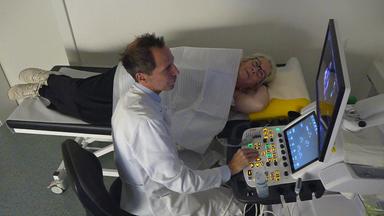
Because breast cancer in men is statistically uncommon, it is frequently overlooked by both patients and general practitioners. Men are often unaware that they possess breast tissue capable of developing malignant tumors. As a result, when symptoms such as lumps, nipple discharge, or skin changes appear, they are often dismissed as benign conditions like gynecomastia. By the time a definitive diagnosis is reached, the cancer has frequently progressed to an advanced stage, significantly narrowing the window for effective, organ-sparing treatment.

Clinical Implications
The delay in diagnosis often results in more aggressive therapeutic requirements, including radical mastectomies and more intensive chemotherapy regimens. Health experts emphasize that public awareness campaigns must become gender-inclusive to ensure that men perform self-examinations and seek medical consultation promptly if abnormalities are detected.

II. The Obesity Debate: Pharmaceutical Interventions vs. Lifestyle
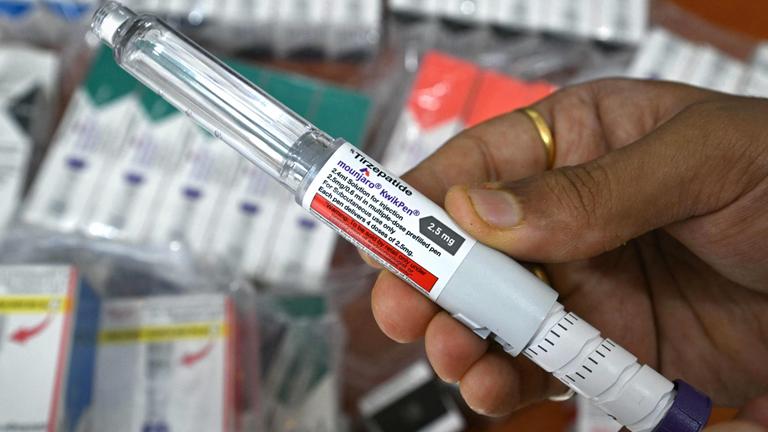
The global rise in obesity has triggered a surge in the development of GLP-1 receptor agonists—drugs originally designed for type 2 diabetes that have shown remarkable efficacy in weight loss.
The Promise and the Risks
While these "weight-loss injections" offer a revolutionary tool for metabolic health, they have brought new concerns to the forefront. A recent US study has highlighted a potentially overlooked side effect: a statistically higher incidence of hair loss among users of GLP-1 medications compared to other standard treatments.

WHO Stance and Pediatric Concerns
The World Health Organization (WHO) has adopted a cautious approach, particularly regarding the use of these medications in pediatric populations. As child obesity rates climb globally, the WHO maintains that the primary focus must remain on systemic nutritional reform and lifestyle interventions. They argue that pharmacological shortcuts in childhood may carry unknown long-term developmental risks, urging health ministries to prioritize school lunch programs and physical activity over mass-medication strategies.

III. The Changing Face of Workplace Health: The Menopause Transition
Menopause has long been a private, often stigmatized subject, but it is increasingly being recognized as a critical factor in workplace productivity and female career longevity.

The Economic Impact
Data indicates that nearly one in five women considers early retirement due to the debilitating symptoms of menopause, including severe hot flashes, cognitive "brain fog," and sleep deprivation. These symptoms directly impact professional performance and morale.

Moving Toward a Supportive Culture
Forward-thinking corporations are beginning to implement "menopause-friendly" policies, such as flexible working hours, temperature-controlled office environments, and open dialogue initiatives. This shift is not merely a matter of employee well-being; it is a macroeconomic necessity to retain the expertise and leadership of women in their most productive career years.

IV. Psychotherapy Reform: Balancing Access and Quality
In Germany, the government’s recent move to reform the reimbursement structure for psychotherapy has sparked intense debate among medical professionals and patient advocates.
The Reform Logic
The proposed changes aim to curb rising healthcare costs by adjusting how therapists are paid for their services. While the government asserts that these measures will streamline the system, the policy includes specific exemptions for children and patients with acute, severe psychiatric conditions.

The Fear of Longer Wait Times
Fachverbände (professional associations) have raised alarms, suggesting that the reform could inadvertently disadvantage the "middle ground" of patients—those suffering from anxiety, depression, or burnout who do not qualify as "acute" but are nonetheless in desperate need of support. Critics fear that the new fee structures will disincentivize practitioners from taking on new cases, ultimately lengthening the already notoriously long wait times for therapy slots.
V. Cancer Screening: The Case for Early Detection
The landscape of cancer screening is undergoing a significant expansion, with a notable shift in the age threshold for mammography.

Mammography at 45
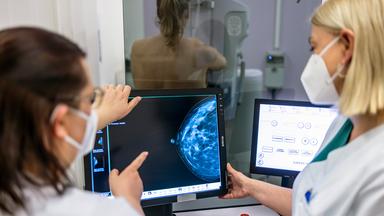
Previously, national screening programs for breast cancer in women were reserved for those aged 50 and older. However, clinical evidence now suggests that earlier detection significantly improves survival rates. Plans are currently underway to lower the screening age to 45, with a target implementation date of summer 2027. This move represents a triumph of evidence-based policy, reflecting the understanding that breast tissue density and cancer aggression profiles in younger cohorts require a more proactive screening approach.

Hope for Pancreatic Cancer
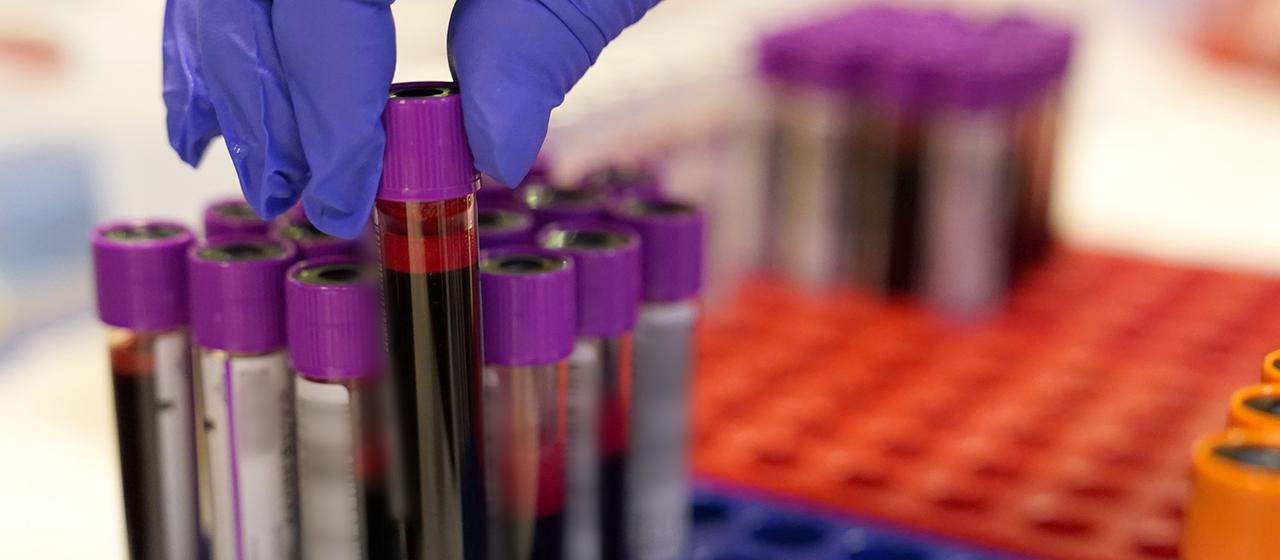
Bauchspeicheldrüsenkrebs (pancreatic cancer) remains one of the most lethal oncological challenges due to its tendency to remain asymptomatic until it is incurable. However, recent developments in liquid biopsy technology have provided a glimmer of hope. New, highly sensitive blood tests are being developed to detect biomarkers associated with early-stage pancreatic tumors. When combined with emerging targeted therapies, these tests could potentially transform a "death sentence" into a manageable chronic condition.

VI. Infectious Disease and Global Climate Shifts
Public health is not static; it responds to the environment. The recent detection of the Sindbis virus in Germany—a pathogen typically transmitted by mosquitoes—is a sobering reminder of how climate change is altering the map of infectious diseases.

The Sindbis Virus
While the cases detected thus far have been mild, the presence of this virus in Central Europe highlights the migration of vector-borne diseases into new latitudes. The Robert Koch Institute (RKI) is closely monitoring the situation, advising that while there is no immediate cause for panic, vector surveillance must become a permanent feature of European public health infrastructure.

The Seasonal Triple-Threat
As we head into the colder months, the "seasonal cocktail" of Influenza, Covid-19, and RSV continues to pose a challenge to healthcare systems. Experts stress that vaccination remains the single most effective tool for protecting vulnerable populations, yet, as noted in recent European studies, vaccination rates among children are in a concerning decline—a trend that started during the pandemic and has yet to be fully reversed.

VII. The Future: Optogenetics and the Nobel Legacy
Looking toward the horizon of medical science, the recognition of optogenetics with a Nobel Prize marks a new frontier. By using light to control the activity of nerve cells, researchers have unlocked the potential to treat neurological conditions that were previously considered untreatable.

The Light-Switch for Neurons
By utilizing proteins derived from green algae, scientists can now "switch" specific neurons on or off. This level of precision is currently being researched for applications ranging from restoring sight in the blind to managing chronic pain and Parkinson’s disease. It is a testament to how fundamental research in seemingly unrelated fields—such as botany—can lead to groundbreaking medical revolutions.

VIII. Conclusion: A Holistic Path Forward
The common thread connecting these disparate health topics is the necessity of early intervention and the importance of adapting healthcare systems to the realities of the 21st century. Whether it is the inclusion of men in breast cancer awareness, the modernization of workplace policies for menopausal women, or the integration of high-precision technologies like optogenetics, the message is clear: health is a dynamic field that requires constant vigilance, social adaptation, and a commitment to evidence-based reform.

As we move forward, the focus must remain on narrowing the gap between scientific innovation and public access. The goal is a healthcare system that does not just treat the sick, but one that effectively prevents illness, recognizes disparities, and empowers individuals to take control of their health long before a crisis occurs.

Summary of Key Developments
- Early Detection: Mammography screening starting at age 45 and new blood tests for pancreatic cancer represent major steps in improving survival rates.
- Societal Awareness: Breaking the silence on menopause in the workplace and addressing the gender-gap in breast cancer awareness are critical for equitable health outcomes.
- Systemic Challenges: The debate over psychotherapeutic reform and the decline in childhood vaccination rates underscore the fragility of our public health infrastructure.
- Innovation: Optogenetics offers a glimpse into a future where neurological disorders can be managed with unprecedented precision.
The trajectory of modern medicine is promising, yet it requires a balanced approach—one that embraces the high-tech solutions of tomorrow while ensuring the foundational pillars of public health remain accessible to all.