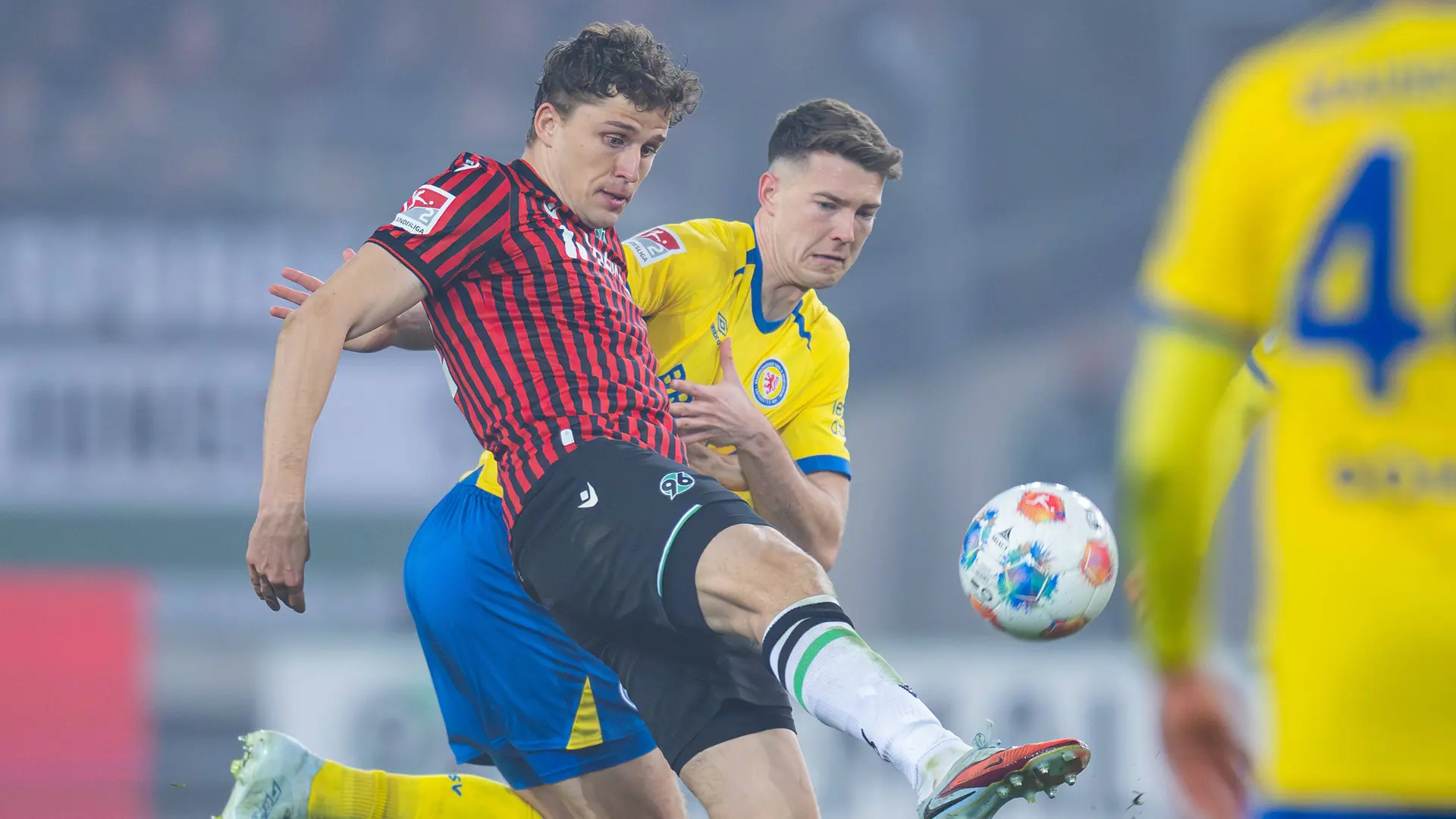
As the 2. Bundesliga season approaches its ninth matchday, the atmosphere in Lower Saxony is heavy with anticipation and a palpable sense of anxiety. This Sunday, the Eintracht-Stadion in Braunschweig will serve as the theater for the latest installment of the Niedersachsenderby. It is a clash that traditionally transcends mere league standings, but this weekend, the stakes are framed by a shared struggle: both Eintracht Braunschweig and Hannover 96 find themselves mired in the bottom third of the table, desperately searching for the spark that will ignite their respective campaigns.
For observers of the second division, this match is a fascinating case study in professional football’s most brutal irony. Both clubs boast statistical profiles that, in isolation, suggest a much higher ceiling. Yet, as the data reveals, both teams are currently victims of their own inability to convert potential into points—a flaw that threatens to define their entire season if left uncorrected.
The State of Play: A Tale of Two Struggling Giants
The contrast between the two clubs’ current trajectory is stark yet structurally similar. Braunschweig enters the derby fresh off a disappointing 0-2 defeat at the hands of SpVgg Greuther Fürth. For the "Löwen" (Lions), the long bus journey back from Franconia was an opportunity for reflection, as players and staff watched a recording of Hannover 96’s 1-1 draw against FC St. Pauli during the commute.
What the Braunschweig squad observed was a Hannover team that dominated possession and territory but lacked the surgical precision required to kill off the game. Under the guidance of manager Sandro Wagner, the "Roten" (Reds) have played some of the most aesthetic football in the league, yet they remain trapped in a cycle of underachievement. For Braunschweig’s coaching staff, led by Lars Kornetka, the objective for Sunday is clear: exploit the systemic fragility that has plagued their rivals all season, while simultaneously addressing the tactical inconsistencies that have left their own side languishing near the relegation zone.
Chronology of a Crisis: From Ambition to Survival
The downward slide of both clubs has been a gradual, painful process. Hannover 96, having entered the season with aspirations of promotion, has found the reality of the 2. Bundesliga far more unforgiving. Their transition under Sandro Wagner—intended to inject a fresh, aggressive philosophy—has struggled to take root in terms of tangible results. The "Roten" have become a team of "good approaches" but "few points," a mantra that has echoed through the HDI-Arena for weeks.
Conversely, Braunschweig’s season has been one of identity reconstruction. Since the departure of Heiner Backhaus and the subsequent appointment of Lars Kornetka, the club has attempted to shift from a reactive, defensive-minded unit to a side that embraces the ball. While the style of play has undeniably improved, the success has been elusive. The team has been caught in a transitionary phase where the tactical demands of a high-pressing, possession-based game often leave them exposed at the back, leading to costly defensive lapses.
Data Analysis: The "Efficiency Trap"
According to Global Soccer Network (GSN) data, the two clubs share a peculiar statistical profile. Hannover 96, for instance, leads the league in passing frequency within the final third and possesses the highest number of touches in the opponent’s penalty area across the entire division. By every metric of tactical dominance, Hannover should be challenging for the top spots.
However, the reality is damning: only five percent of all shots taken by Hannover have resulted in goals. In eight matches, they have managed a meager eight goals—an output that simply does not align with their attacking volume. To compound their misfortune, the "Roten" have hit the woodwork six times this season, a statistic only bettered by VfL Wolfsburg in the region. This is not merely a lack of clinical finishing; it is a profound crisis of confidence.
Braunschweig, meanwhile, tells a different side of the efficiency story. They currently lead the 2. Bundesliga in total shots per game, averaging 17 attempts, and sit second in the league for creating high-quality scoring chances. Unlike their derby rivals, they have found the back of the net 13 times, thanks in part to the form of Jan Urbich. However, their struggles are rooted in transition defense. Their commitment to an attacking philosophy has left them vulnerable, with a pass completion rate that sits at a concerning 14th in the league. When they lose the ball, they are structurally unprepared to defend, leading to the high-pressure situations that have cost them points throughout the season.
Official Perspectives and Tactical Adjustments
Managerial focus for both sides is currently centered on the mental and technical preparation for the derby. Lars Kornetka has been vocal about the need for "higher intensity in duels" and "greater focus in passing sequences." For Kornetka, the goal is to refine the "open-heart surgery" he performed on the squad upon his arrival. He has moved the team away from a reliance on pure physicality, but he acknowledges that the transition is incomplete.
"We have the volume of play," Kornetka noted in a recent briefing, "but we lack the maturity to manage the game state once we are on the front foot."
On the other side of the divide, the pressure on Sandro Wagner is mounting. Despite the backing of the Hannover 96 hierarchy, the lack of a traditional "clinical" striker has become the central talking point. With attacking midfielder Lars Gindorf leading the team’s scoring charts—mostly through penalties—the failure of the designated strikers to contribute has become an existential problem. The upcoming match against Braunschweig is seen by many in the industry as a "must-win" for Wagner to retain the full confidence of the supporters.
Implications for the Remainder of the Season
The implications of Sunday’s result extend far beyond the three points on offer. For the winner, the derby provides a psychological lifeline—a chance to reset the narrative and build momentum for a mid-table push. For the loser, the result could trigger a period of intense instability, potentially leading to leadership changes or a complete overhaul of the current tactical approach.
If Hannover 96 fails to convert their dominance into a victory, questions regarding the squad’s construction and the suitability of Wagner’s philosophy will reach a boiling point. If Braunschweig loses, their inability to tighten their defensive structure despite their high shot volume will suggest that their current style is unsustainable for long-term survival in the second division.
Furthermore, this derby serves as a litmus test for the parity of the 2. Bundesliga. When two clubs with such rich histories and strong regional support find themselves in a struggle for survival, it underscores the volatility of the league. Neither side has the luxury of time. As the season progresses, the margin for error narrows, and for these two Lower Saxon rivals, the path to redemption is paved with the need for immediate, clinical efficiency.
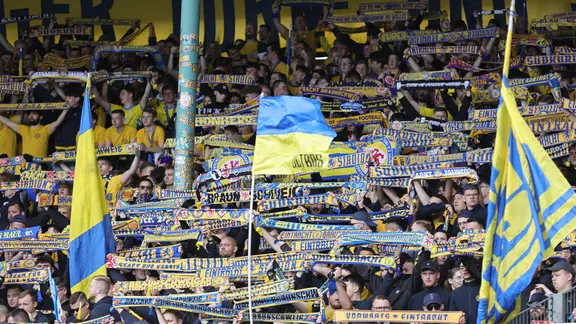
As the fans descend upon Braunschweig this weekend, the tension will be palpable. It is a match between two sides that are statistically superior to their league positions, yet fundamentally flawed. In a game defined by small margins, the team that manages to solve its internal efficiency paradox will likely walk away with the bragging rights—and perhaps, the turning point their season so desperately requires.