As the 83rd Venice International Film Festival prepares to open its doors, the Lido di Venezia is already buzzing with a peculiar mix of high-stakes political cinema and the perennial, frantic energy of celebrity worship. While directors grapple with the collapse of traditional Hollywood and the weight of global conflicts, fans like Matteo Amistà serve as a constant reminder of the festival’s enduring power as a cultural pilgrimage.
The Gathering Storm: A Return to the Lido
The atmosphere on the Lido is deceptive. While the official opening ceremony is still hours away, the infrastructure of the world’s oldest film festival is already fully operational. Journalists, critics, and industry professionals are scurrying between the Palazzo del Cinema and the bustling boat docks, their eyes perpetually scanning the horizon for the next water taxi arrival.
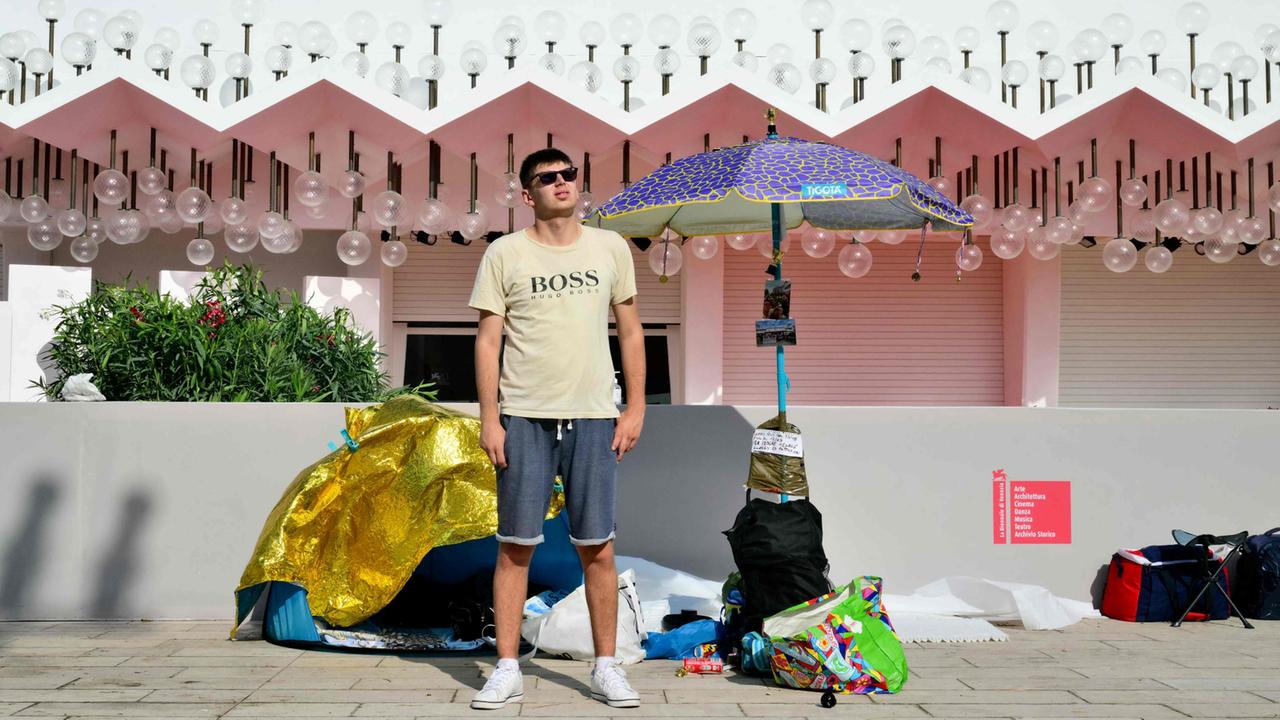
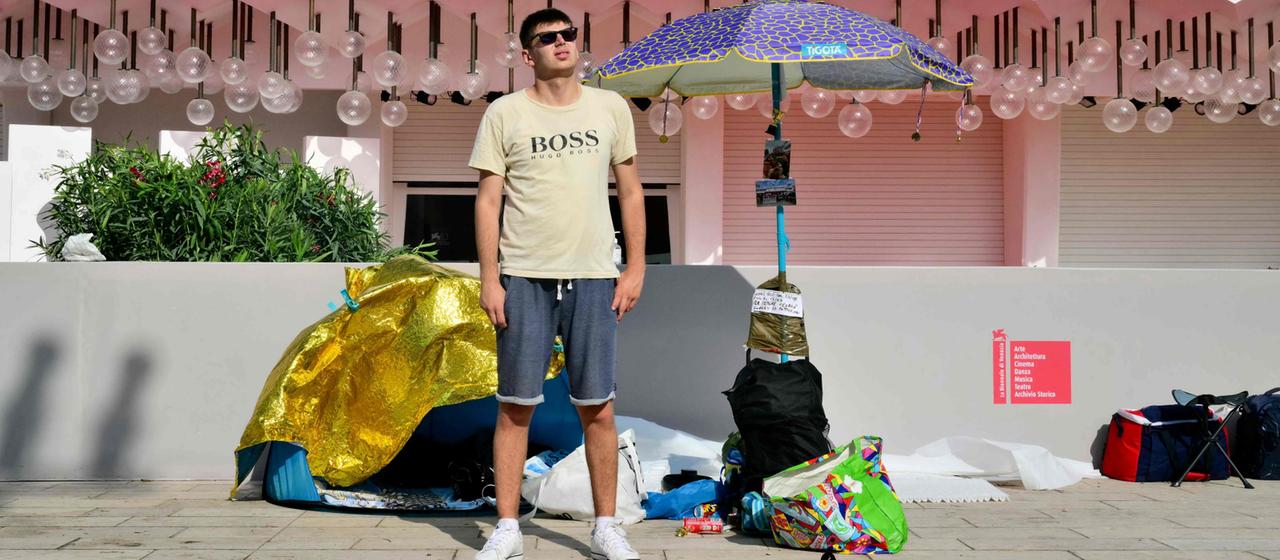
Among them, an unlikely fixture has emerged: 25-year-old Matteo Amistà from Padua. For the fifth consecutive year, Amistà has established a makeshift camp directly against the barriers of the red carpet. Armed with a tent, a mini-ventilator, and a supply of provisions, he represents the die-hard fan culture that persists despite the evolving digital age. For Amistà, the grueling two-week sacrifice of his annual leave is not just about celebrity culture—it is a ritual.
"When the actors walk past you, the air changes," Amistà explains, adjusting his sun umbrella. "It’s a visceral, emotional experience. You see the people who populated your childhood movies standing just a few feet away. Every year, we all scream like lunatics, we push, we scramble. It’s chaotic, but it’s the heartbeat of the festival."
This year, his focus is singular: George Clooney. After a rain-drenched, unsuccessful attempt last year, Amistà is determined to secure a photo and an autograph from the actor, who is set to be honored with the Golden Lion for Lifetime Achievement.
A Changing Landscape: The Identity Crisis of Hollywood
While the fans are focused on stars, the professional discourse behind the scenes is markedly more somber. Alberto Barbera, the long-standing director of the Venice Film Festival, has been widely credited with revitalizing the event and successfully drawing Hollywood back to the Lido. However, as the 83rd edition commences, Barbera himself admits that the industry is navigating uncharted, treacherous waters.
"Hollywood is currently experiencing a profound identity crisis," Barbera noted in a pre-festival briefing. "The traditional studios are in the midst of a radical restructuring. They are redefining production guidelines and testing new, untested models of distribution and financing. The classic Hollywood studio system, as we have known it for decades, is no longer the monolith it once was."
This shift is reflected in the competition lineup. While the festival remains a global stage, the presence of major U.S. studio productions is noticeably thinner than in previous years. In their place, the festival has curated a program that favors international co-productions and independent voices, reflecting a broader shift in how content is created and consumed in a post-pandemic, streaming-saturated world.
The Competition: A Mirror of Global Turmoil
If there is a unifying theme to this year’s selection, it is the abandonment of escapism. The films competing for the prestigious Golden Lion are not interested in providing a distraction from reality; instead, they are diving headlong into it.
"We have observed a distinct trend among our directors," Barbera explains. "Rather than retreating into fantasy worlds or alternative realities, they have chosen to confront the most pressing issues of our time. From the ongoing war in Ukraine and the escalating humanitarian crisis in Gaza to the existential threat of climate change and the erosion of fundamental institutions like the family and education—the cinema is acting as a raw, unfiltered mirror."
Key Highlights from the Competition:
- "Ink" (Directed by Danny Boyle): The opening film, which chronicles the aggressive and transformative rise of the British tabloid The Sun.
- "Wild Horse Nine" (Directed by Martin McDonagh): A historical drama set against the backdrop of the 1973 Chilean military coup, focusing on two CIA agents witnessing the collapse of democracy.
- "Bunker": A high-profile entry featuring real-life partners Penélope Cruz and Javier Bardem, portraying a couple whose marriage disintegrates while confined to a doomsday bunker.
- "Bucking Fastard" (Directed by Werner Herzog): A German entry exploring the complex, symbiotic relationship between two sisters, marking a return to the competition for the legendary filmmaker.
- Gaza Documentary: A last-minute addition to the program, this project promises to be one of the most provocative and discussed films of the festival, providing a visceral look at the ongoing conflict.
Notably, the festival has faced scrutiny regarding the representation of female directors in the main competition. Despite calls for greater parity, the list remains heavily skewed toward male filmmakers, sparking renewed debates about systemic barriers in the European film industry.
The Logistics of Glamour: Supporting the Spectacle
Behind the red carpet, a logistical marvel is underway. The "red carpet machine"—the army of press, photographers, stylists, and security—operates with clockwork precision. On a bridge near the boat docks, the tension is palpable. Every arriving water taxi is met with a flurry of camera shutters, though for now, most arrivals are merely industry executives or minor talent.
The anticipation for the A-list is high. Expected to grace the Lido are Robert Pattinson, Orlando Bloom, Pamela Anderson, and the Gallagher brothers, who are set to promote a documentary regarding Oasis in the festival’s sidebars. Yet, the star power remains anchored by the veteran presence of George Clooney, whose Lifetime Achievement award is expected to be the emotional anchor of the opening ceremony.
Implications: The Future of the Festival Circuit
The 83rd Venice Film Festival arrives at a critical juncture. For years, the festival circuit has been criticized for being an ivory tower, disconnected from the realities of its audience. By explicitly programming films that tackle climate change, institutional collapse, and geopolitical conflict, Venice is positioning itself as an essential forum for global discourse rather than merely a marketing platform for blockbuster films.
However, the "Hollywood crisis" noted by Barbera suggests that the festival’s reliance on the industry’s elite may need to be re-evaluated. If the "classic" studios continue to diminish, the festival will need to rely even more heavily on its reputation as a curator of world cinema, potentially shifting its power balance further away from American commercial interests and toward a truly multipolar artistic landscape.
As the sun sets over the Venetian lagoon, the contrast is stark. On one side, the high-minded, grave examination of a fractured world in the screening rooms; on the other, the enduring, almost primitive human desire for proximity to fame on the red carpet. For the next ten days, the Lido will remain the center of this tension—a place where the world’s biggest problems are projected onto a screen, and where people like Matteo Amistà wait, hopeful, for a glimpse of someone they believe can save them from the mundane, if only for a second.
The festival is more than an event; it is a barometer for the state of our collective psyche. Whether the films succeed in offering a way forward or merely confirming the gravity of our situation remains to be seen. But for now, the cameras are rolling, the red carpet is laid, and the world is watching.