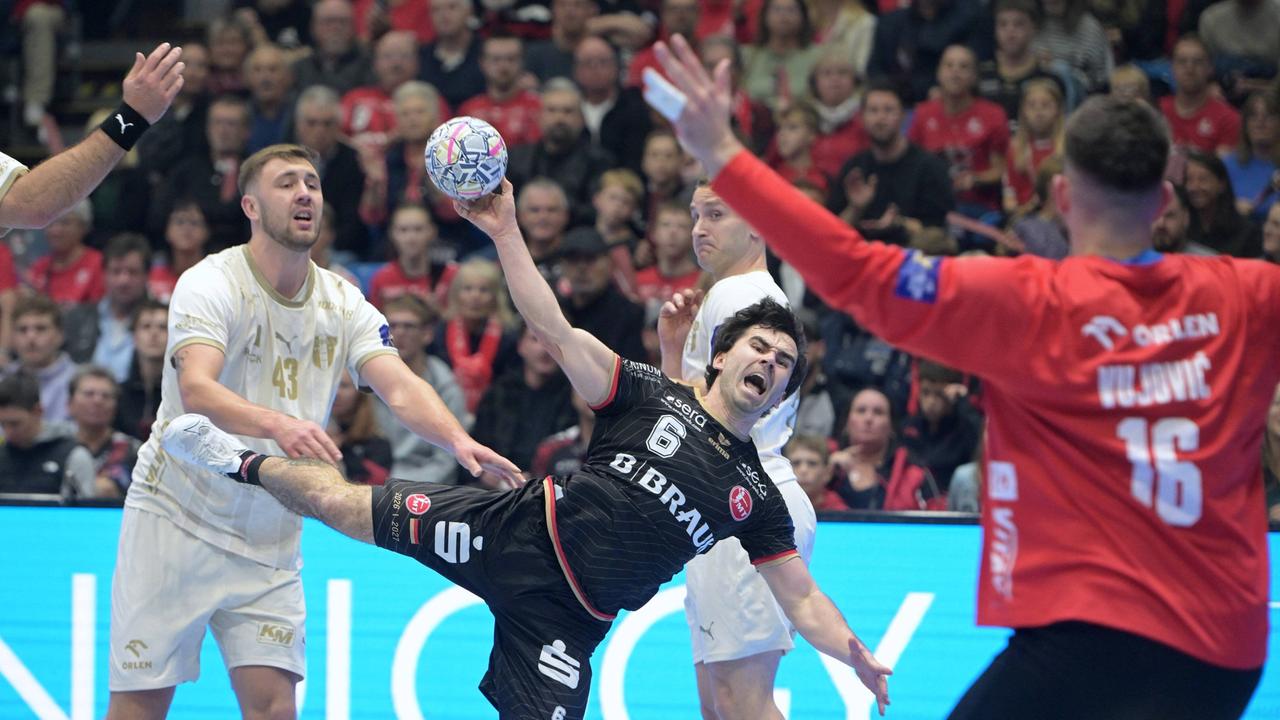
In a heart-stopping encounter that underscored the razor-thin margins of elite European handball, MT Melsungen secured a vital 28-26 victory over Poland’s Wisla Plock. Before a raucous, capacity crowd of 4,364 in Northern Hesse, the German side not only kept their hopes of advancing to the main round of the EHF Champions League alive but also reclaimed crucial momentum in a fiercely contested Group B.
The victory, achieved under immense pressure, serves as a testament to the tactical discipline instilled by head coach Roberto Garcia Parrondo. By overcoming the one-goal deficit from their earlier encounter in Poland—where they fell 25-24—Melsungen has successfully swung the head-to-head advantage in their favor, a factor that could prove decisive as the group stage reaches its dramatic conclusion.
The Main Facts: A Tactical Masterclass
The match on Thursday night was more than just a win; it was a statement of intent. Trailing for much of the early proceedings, Melsungen demonstrated the mental fortitude required to compete at the highest level of European competition. The 28-26 final scoreline does not entirely reflect the sheer intensity of a game that remained locked in a stalemate until the final minutes.
With this result, Melsungen leapfrogs Wisla Plock into second place in Group B. As the dust settles, the math is simple yet precarious: the road to the main round remains open, but it hinges on a final, high-stakes showdown against Vardar Skopje. The atmosphere inside the arena was electric, with fans acting as the “eighth man” during the pivotal defensive stands in the second half.
Chronology of the Clash: From Tension to Triumph
First Half: A Defensive Chess Match
The opening whistle saw both teams employ conservative, highly structured offensive sets. Wisla Plock, known for their physical and uncompromising defensive style, looked to disrupt Melsungen’s rhythm early. The first thirty minutes were a reflection of the stakes involved, with neither team able to establish a lead greater than two goals.
Melsungen struggled initially to penetrate the robust Polish center-block, forcing them to rely on individual brilliance from the backcourt. By the halftime buzzer, the hosts clung to a slender 15-14 lead, a scoreline that perfectly captured the volatile nature of the evening.
Second Half: The Turning Point
The second half began as a continuation of the first—a gritty, end-to-end struggle. However, the turning point arrived midway through the second period. As the Polish side began to fatigue, Melsungen intensified their transition game.
The introduction of fresher legs and a tactical shift in the defensive formation allowed Melsungen to force turnovers, leading to easy fast-break opportunities. The roar of the 4,364 spectators reached a crescendo as Melsungen began to edge ahead. While Plock attempted to claw their way back with tactical timeouts, they were consistently rebuffed by a reinvigorated Melsungen defense.
Supporting Data: The Heroes of the Court
Individual performances were the bedrock of this victory. Two players, in particular, stood out for their offensive contributions:
- Erik Balenciaga: The maestro of the offense, Balenciaga was instrumental in orchestrating the flow of the game. His ability to thread needles through the Wisla Plock defense and his six critical goals made him the standout performer of the night.
- Aaron Mensing: Matching Balenciaga’s output, Mensing provided the necessary power from the backcourt. His ability to score from distance forced the Polish defense to extend, opening up lanes for his teammates.
However, the game was ultimately won at the other end of the floor. Nebojsa Simic, Melsungen’s goalkeeper, delivered a masterclass in the final ten minutes. With eleven saves in total, his performance in the closing stages—denying several high-percentage shots from the Polish wingers—was the catalyst that allowed Melsungen to maintain their narrow lead until the final whistle.
Official Responses and Tactical Insights
Speaking after the match, head coach Roberto Garcia Parrondo praised the collective effort of his squad. "In matches of this magnitude, it is rarely about one individual. It is about the belief in the system and the refusal to buckle when the pressure is at its peak," Parrondo noted. He specifically highlighted the team’s defensive transitions as the deciding factor in the final ten minutes.
The management of MT Melsungen echoed these sentiments, emphasizing that the victory was a culmination of months of preparation. The club’s sporting director noted that the ability to overcome the head-to-head deficit from the reverse fixture was the primary goal, and achieving it puts them in the driver’s seat for the final week of group play.
The Road Ahead: Implications for the Main Round
The landscape of Group B remains one of the most intriguing in the competition. With only one round of matches remaining, the situation is set for a dramatic finale.
The “Mini-Table” Scenario
As the group nears its conclusion, the potential for a three-way tie at the top of the table has emerged. Should results fall a certain way, Melsungen, Plock, and their direct rivals could finish level on points. In such an event, the competition rules dictate the use of a “mini-table,” where only the results between the tied teams are calculated.
Because Melsungen secured the victory with a two-goal margin—overturning the one-goal deficit from the away leg—they currently hold the advantage in this tie-breaking metric. This tactical success makes their upcoming trip to Vardar Skopje on October 28th the most significant match of their season.
Looking Toward Skopje
The focus now shifts to North Macedonia. A win against Vardar Skopje would solidify Melsungen’s position and potentially guarantee their path to the next phase without needing to rely on external results. However, playing away in the hostile atmosphere of Skopje is a different challenge entirely.
The coaching staff is expected to spend the coming days analyzing Vardar’s recent performances, specifically focusing on how to neutralize their fast-paced attack while maintaining the defensive stability that served them so well against Plock.
Conclusion: A Defining Moment for Melsungen
The 28-26 victory over Wisla Plock was more than just a win in the EHF Champions League; it was a character-building moment for a squad that has faced its share of adversity this season. By overcoming a formidable opponent in a high-pressure environment, Melsungen has signaled to the rest of the group that they are a force to be reckoned with.
As the team prepares for the final push on October 28th, the confidence gained from this performance will be invaluable. The dream of the main round, once flickering, is now burning brighter than ever. For the fans in Northern Hesse, the hope is that this “Krimi”—the thriller—is merely a prologue to a deeper run in Europe’s premier handball competition.
With the tactical pieces finally clicking into place and the goalkeeper finding his peak form at the right time, MT Melsungen finds themselves in the enviable position of controlling their own destiny. All eyes will be on the final matchday, where the history of this season will be written in the final 60 minutes of play.