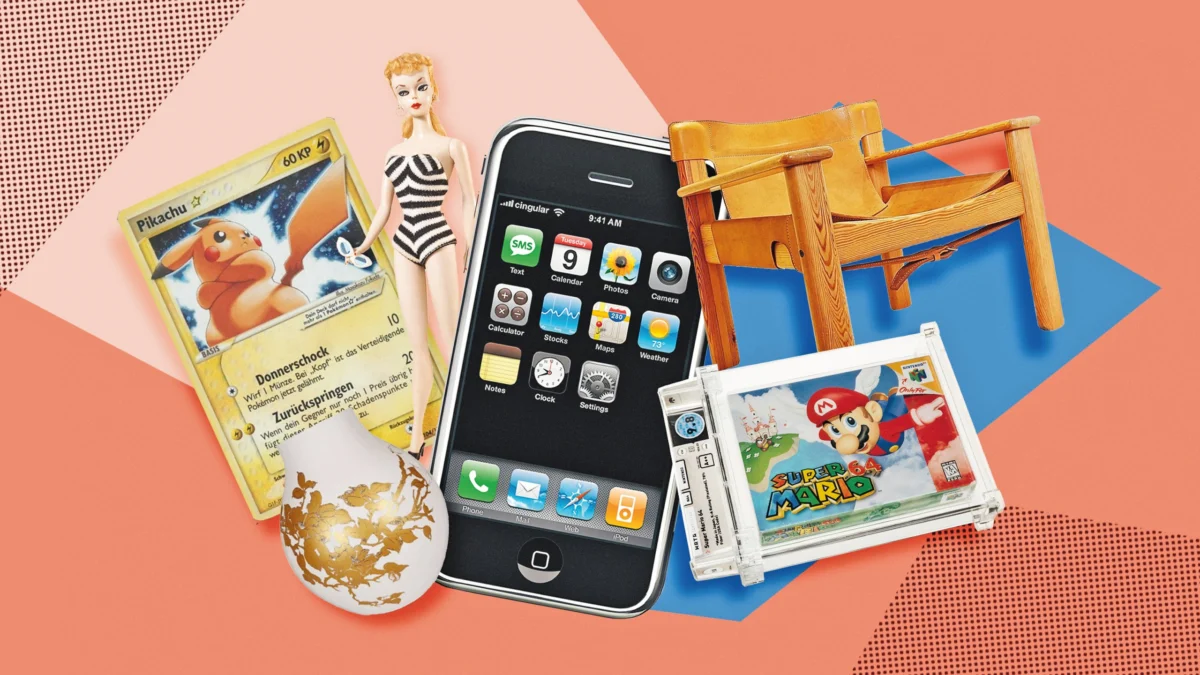
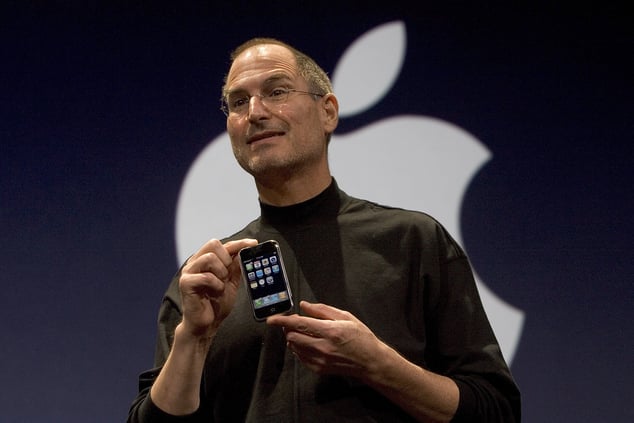
In 2023, a first-generation, factory-sealed iPhone fetched a staggering $190,000 at auction. When that same device first hit the U.S. market in 2007, it carried a price tag of $499. The return on investment for that single, unopened unit represents a 380-fold increase. While this particular sale set a record, it is merely the tip of the iceberg in a booming alternative asset market that has seen everyday consumer goods, vintage toys, and obsolete technology transform into high-stakes financial instruments.
As the traditional boundaries between "junk" and "collector’s item" blur, investors and hobbyists alike are scrambling to identify which modern-day products might mirror the trajectory of that iconic Apple device. The question remains: What separates a dusty relic from a six-figure investment, and can we actually predict the next gold mine?

The Anatomy of a Sammlermarkt: How Value Is Created
The transformation of a mass-produced item into a rare collectible is not accidental; it is driven by a complex interplay of scarcity, cultural impact, and, perhaps most importantly, nostalgia. Jacco Scheper, managing director of Heritage Auctions Europe, has spent his life studying these shifts.
"Videogames like Super Mario 64 were not expensive when they were released in 1996," Scheper explains. "They were ubiquitous. Everyone had one." Yet, five years ago, his firm auctioned an unopened, pristine copy of the game for $1.56 million.

The primary driver here is "unopened perfection." In a world where items are meant to be used, the decision by a rare few to keep an item sealed in its original factory packaging creates an extreme level of scarcity. When the product is also a cultural touchstone—a piece of technology or media that defined a generation—the value compounds. For the generation that grew up in the 90s, these objects are not just assets; they are tactile links to their childhood. Now in their prime earning years, these collectors are effectively buying back their past, driving prices to unprecedented heights.
Chronology of the Boom: From Stamps to Digital Artifacts
The landscape of collecting has undergone a seismic shift over the last four decades. In the 1970s and 80s, the market was dominated by stamps and coins. According to Scheper, this was a reflection of the era’s limitations: "Back then, people didn’t have the internet or streaming services like Netflix. To stay occupied, people collected physical items that were part of their daily life."
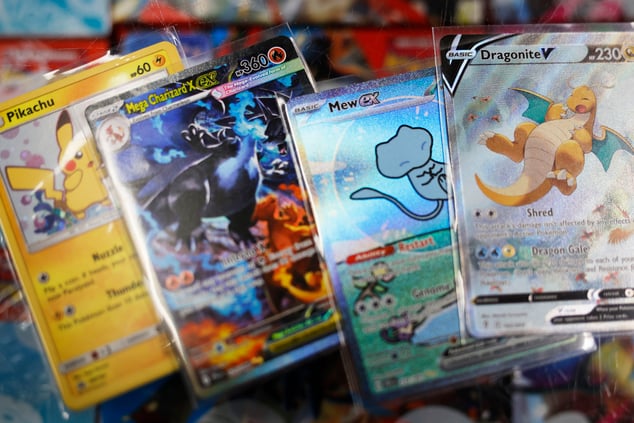
As the world digitized, the stamp market waned. The utility of the object disappeared, and with it, the emotional tether that sustained its value. However, a new category of "modern artifacts" emerged. The late 90s and early 2000s saw the rise of the "media-franchise" collectible. Pokémon, for instance, has evolved into the largest media franchise in the world. With an estimated $130 to $280 billion in total revenue over the last 30 years, the brand has created a self-sustaining ecosystem of collectors.
Today, we are witnessing the emergence of "digital-physical" hybrid collectibles. This includes hardware that holds specific, no-longer-available software, such as smartphones containing the original Flappy Bird app or consoles housing unique, unreleased demo versions of games.

Supporting Data: The Indicators of Potential Value
What makes an object a "Blue Chip" collectible? Experts point to three core pillars:
- Societal Impact: Items that fundamentally changed the way we live, like the original iPhone, carry a "historical premium."
- Longevity: A product must be part of a long-term cultural trend, not a "flash in the pan." Pokémon succeeded because it remained relevant through decades of content, keeping the collector base engaged and growing.
- Grading and Condition: The market for high-end collectibles relies on external, objective verification. Professional grading services examine items for the most microscopic imperfections. A single, barely visible crease can slash the value of a rare bank note or trading card by 50% or more.
The impact of this grading is clear: A Pokémon card with a grade of 9 (near-mint) might sell for $5 million, while the same card with a grade of 10 (perfect) can fetch more than $16 million.
Expert Analysis: The Role of Societal Umbruch
Janine Seitz, a futurist who analyzes shifts in consumption and lifestyle, suggests that we should look for "societal umbruch"—moments of profound cultural transition.
"All-day objects often become collectibles when they represent a turning point in society," Seitz notes. She points to the rise of Artificial Intelligence as the current catalyst for future collectibility. "I could imagine that early AI-generated images—especially those with ‘glitches,’ like a person with six fingers—will become highly sought-after one day because they document the primitive, experimental stage of a technology that is currently changing the world."

Seitz also highlights that while many products are marketed as "limited editions" to manufacture demand, true value is rarely found in things designed to be collected. It is found in things that were initially treated as disposable. The "match-worn" jerseys of athletes, for instance, carry immense value because they were meant to be sweated in, torn, and discarded, not preserved in a display case. The $7.8 million price tag for Lionel Messi’s 2022 World Cup jerseys is a testament to the premium placed on the authenticity of the "lived experience."
Implications: The Risks of a Hype-Driven Market
Despite the potential for massive returns, experts caution against viewing these items as standard financial investments. The current market is heavily influenced by social media, where "TikTok trends" can create short-term spikes in demand for items like Labubu plush toys or specific Popmart figures.
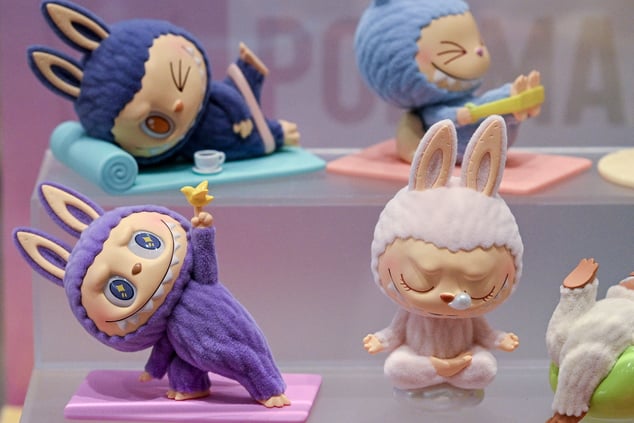
"The problem with modern, hype-driven collecting is that it lacks deep emotional bonds," Seitz warns. "If an object disappears from the public consciousness within months because the next trend has taken over, the foundation for long-term collectibility is never built."
Furthermore, the rise of automated buying—where bots are programmed to sweep up new releases of popular cards or toys—is creating an artificial environment that can distort true market value. Investors must be wary of "bubble" assets that have no historical or cultural resonance beyond a momentary viral explosion.

What to Watch: A Tentative Outlook
While no one can predict the future with certainty, experts from platforms like Catawiki and Heritage Auctions have highlighted several areas that show the characteristics of future-proof collectibles:
- Design-Led Consumer Goods: Items like the IKEA "Varmblixt" donut lamp or early designer collaborations often see value spikes once the product is discontinued. The PS-Jonsberg vases, which cost €140 in 2006, recently sold for over €2,400.
- Technological Curiosities: Early E-mobility hardware (the first generation of e-bikes or robot mowers) or early AI-assisted hardware (like the Rabbit R1) are being monitored for potential future value.
- Women’s Sports Memorabilia: As the profile of women’s professional sports grows, the market for memorabilia remains in its infancy. Trikots and game-day items from current legends of the sport are currently accessible, but could become the "vintage" treasures of the next generation.
Conclusion
The evolution of the collectibles market reflects a deeper human desire to anchor ourselves in an increasingly ephemeral, digital world. Whether it is an unopened iPhone, a rare Pokémon card, or a designer lamp, the objects that gain the most value are those that tell a story about where we have been and where we are going.

However, for the prospective collector, the golden rule remains: Collect what you have a genuine connection to. The transition from a mass-produced item to a million-dollar asset is a generational process, not a get-rich-quick scheme. In the hunt for the next record-breaker, the most important tools are not just a checkbook and a bot, but a sense of history, an eye for cultural significance, and the patience to wait for the world to catch up.