By Editorial Staff, MDR Sachsen
The German vision of a "Verkehrswende"—a comprehensive shift toward sustainable, rail-based mobility—is facing a severe structural crisis. In Saxony, the dream of a seamless, well-connected regional rail network is being dampened by a fiscal reality that has left transit authorities, private rail operators, and state officials scrambling for solutions. As of October 2026, the convergence of rising infrastructure costs and the legal collapse of the "track access price brake" has led to a wave of service cancellations, fueling fears that the regional rail network is being forced into a state of managed decline.
The Core Conflict: A Surge in Infrastructure Costs
At the heart of the crisis lies the complex mechanism of track access charges (Trassenpreise). Often described as a "rail toll," these fees are paid by railway companies to infrastructure managers—primarily the DB InfraGo, a subsidiary of Deutsche Bahn—for every kilometer traveled on the network. These costs are a fixed component of the financial agreements between regional transport authorities and private operators.
The crisis intensified when the European Court of Justice (ECJ) ruled that the "track access price brake"—a subsidy mechanism designed to keep these charges artificially low—was legally inconsistent with EU regulations. The sudden removal of this protective measure has created a massive financial void. In Saxony alone, the loss of this price regulation translates to approximately €95 million in additional annual costs for the local transport associations (Zweckverbände).
These entities, which commission regional train services, now find themselves in a precarious position. Their long-term service contracts were predicated on the existence of the price brake; without it, the operating costs of the trains have skyrocketed, rendering existing budgets insufficient.
Chronology of a Mounting Crisis
The tension between transport authorities and federal policy has been building for months, characterized by failed negotiations and legal escalation:
- Mid-2026: Legal challenges arise following the ECJ’s ruling on the invalidity of the track access price brake.
- September 2026: Initial reports emerge that transport authorities are forced to evaluate "service thinning" as a survival strategy.
- October 22, 2026: During the national Verkehrsministerkonferenz (Transport Ministers’ Conference) in Hohenschwangau, state officials express profound frustration. Saxony’s Minister of Infrastructure, Regina Kraushaar, confirms that no agreement was reached with the federal government regarding cost absorption.
- Late October 2026: More than 40 railway companies formally file a joint lawsuit at the Administrative Court in Cologne, targeting the 2026 track access price assessment issued by the Federal Network Agency (Bundesnetzagentur).
- December 2026: The first major round of service cuts is scheduled to take effect with the new winter timetable.
The Legal Front: A Broad Industry Rebellion
The lawsuit initiated by the Federal Association for Local Rail Transport (Bundesverband Schienennahverkehr) is a landmark event in German transport policy. It is not merely a dispute over accounting; it is a protest against the perceived abandonment of regional rail by the federal government.
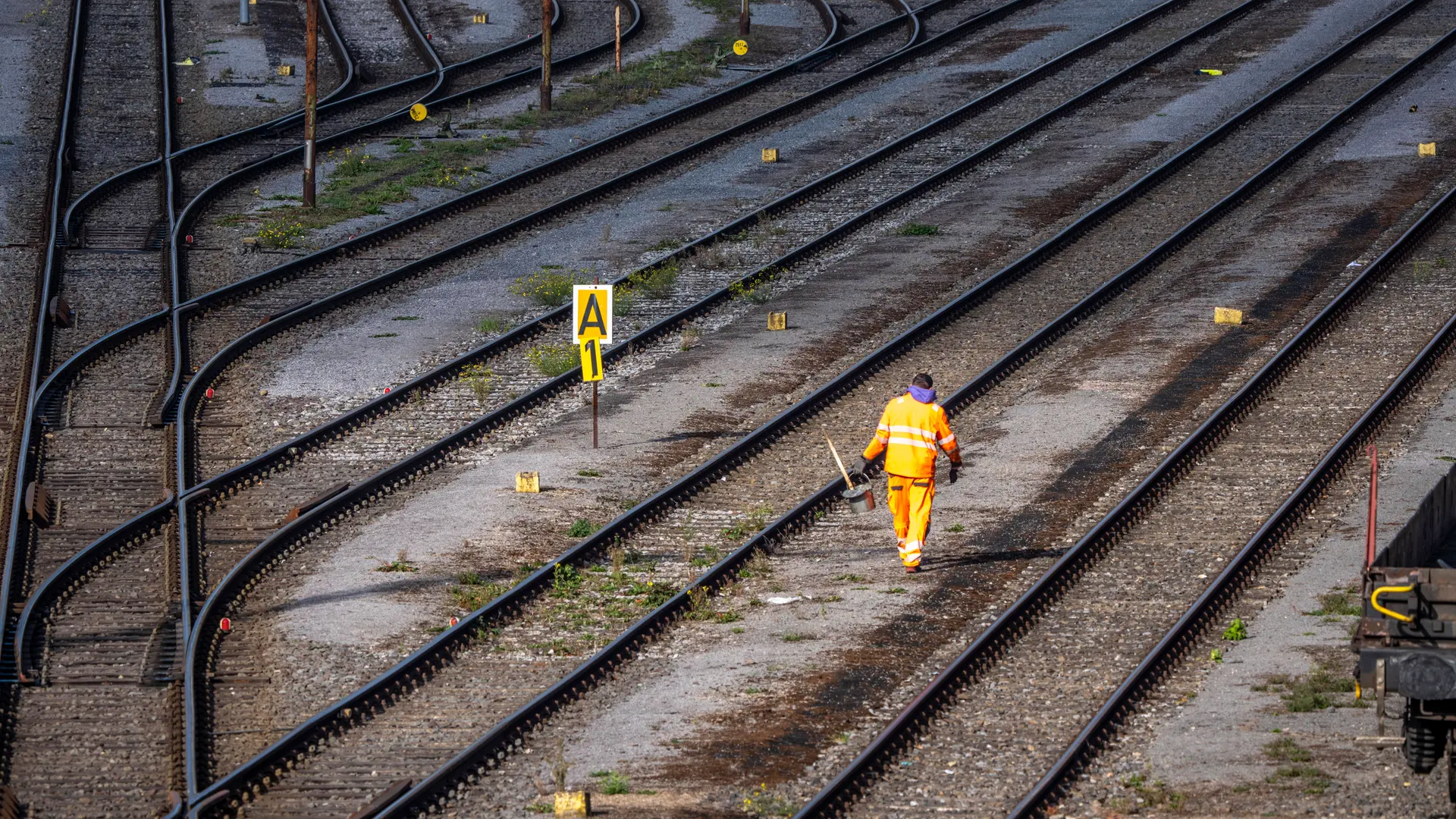
More than 40 companies have joined the legal action, including major players like the Vogtlandbahn and the Mitteldeutsche Regiobahn. The legal strategy aims to challenge the legality of the retroactive demands for payment resulting from the price hikes. The state government of Saxony, demonstrating its commitment to the cause, has taken the unusual step of agreeing to cover 50% of the legal costs for the coalition of regional operators.
"The mobility transition is at stake," representatives from the association noted. The support from other federal states is also significant, with companies such as the Erfurter Bahn, Süd-Thüringen-Bahn, ODEG, and the Hanseatische Eisenbahn joining the legal fray. The consensus among these stakeholders is that the current federal policy on track infrastructure funding is unsustainable and threatens to bankrupt the very companies tasked with carrying out the public service mandate.
Official Responses: A Stalemate in Hohenschwangau
The political discourse surrounding the price hike has been marked by a clear divide between state-level authorities and federal leadership. Saxony’s Minister of Infrastructure, Regina Kraushaar (CDU), has been a vocal critic of the federal government’s inaction.
Following the transport ministers’ meeting in October, Kraushaar emphasized that the federal government remains in the "driver’s seat" regarding responsibility. "The federal government must ensure that track access prices remain affordable—similar to a toll for using the roads," she argued.
However, this call has been met with firm resistance. Steffen Bilger, representing the federal perspective, has effectively rejected the demands for federal compensation. The argument provided is that the federal transport budget is currently stretched to its limits, and there is no fiscal room to absorb the hundreds of millions in additional costs triggered by the ECJ ruling. This leaves the states and the regional transport authorities in a "Catch-22" scenario: they are mandated to provide regional mobility, but they are denied the financial resources required to pay the usage fees for the tracks they operate on.
Implications for the Passenger: Service Cuts and Public Outcry
For the average commuter, the political and legal wrangling is already manifesting in tangible service degradation. The impact of the financial shortfall is hitting the most vulnerable parts of the network first.
The December Timetable Changes
As of the upcoming December schedule change, the following reductions are confirmed or imminent:

- Tharandt to Freiberg: The S-Bahn service on this route is being discontinued.
- Döbeln to Elsterwerda (via Riesa): The weekend frequency will be significantly reduced, forcing passengers to contend with longer waiting times.
- Erzgebirge Region: Multiple regional rail lines are slated for reduced frequency, further isolating rural communities that rely on these links for work, education, and medical access.
Public Resistance: The Case of the RB71
Perhaps the most potent symbol of this crisis is the threat to the RB71 line, which connects Pirna, Neustadt, and Sebnitz. The regional transport authority (VVO) has openly stated that they may be forced to suspend operations on this line entirely to stay within budget.
The response from the public has been swift. An online petition to save the RB71 line has already garnered over 3,600 signatures, reflecting a deep-seated frustration among citizens who view the rail link as a lifeline for their region. These commuters argue that the government’s commitment to a "green" future rings hollow when basic, existing infrastructure is allowed to wither due to bureaucratic and fiscal incompetence.
Beyond Passenger Transport: The Freight Sector’s Warning
While the focus has largely been on regional passenger services, the freight industry is sounding an equally loud alarm. Associations representing cargo rail operators have warned that the proposed increases in track access fees for hazardous goods and heavy-load transport could spike by as much as 85%.
For an economy already struggling with logistics bottlenecks, such an increase in the cost of rail-based freight could lead to a massive migration of goods from rail back to road transport. This would directly contradict Germany’s stated climate goals, which prioritize the shift of freight from highways to the rail network. The irony of current policies—raising costs for the most environmentally friendly mode of transport while road-based emissions remain a significant issue—is not lost on industry experts.
Conclusion: A Turning Point for the Rails
The crisis in Saxony is a microcosm of a larger national struggle. The German rail network, long neglected and now caught in a web of contradictory legal rulings and fiscal constraints, is currently being tested.
As the courts prepare to hear the case brought by the rail operators, the immediate future for regional rail in Germany appears grim. Without a swift intervention—either through a legislative overhaul of the track access fee structure or a dedicated federal "rescue package" for regional transport associations—the current trajectory points toward further service reductions.
The "Verkehrswende" was meant to be the backbone of Germany’s climate policy. Today, as the regional rail network faces its most significant financial threat in decades, it is clear that the transition will require more than just political slogans; it requires a realistic and sustained financial commitment to the infrastructure that makes mobility possible. For now, the people of Saxony wait to see if their connections to the rest of the country will remain intact or if the dream of a robust regional rail network will be derailed by the cold mathematics of the tracks.