Main Facts: A New Chapter for McKinley High?
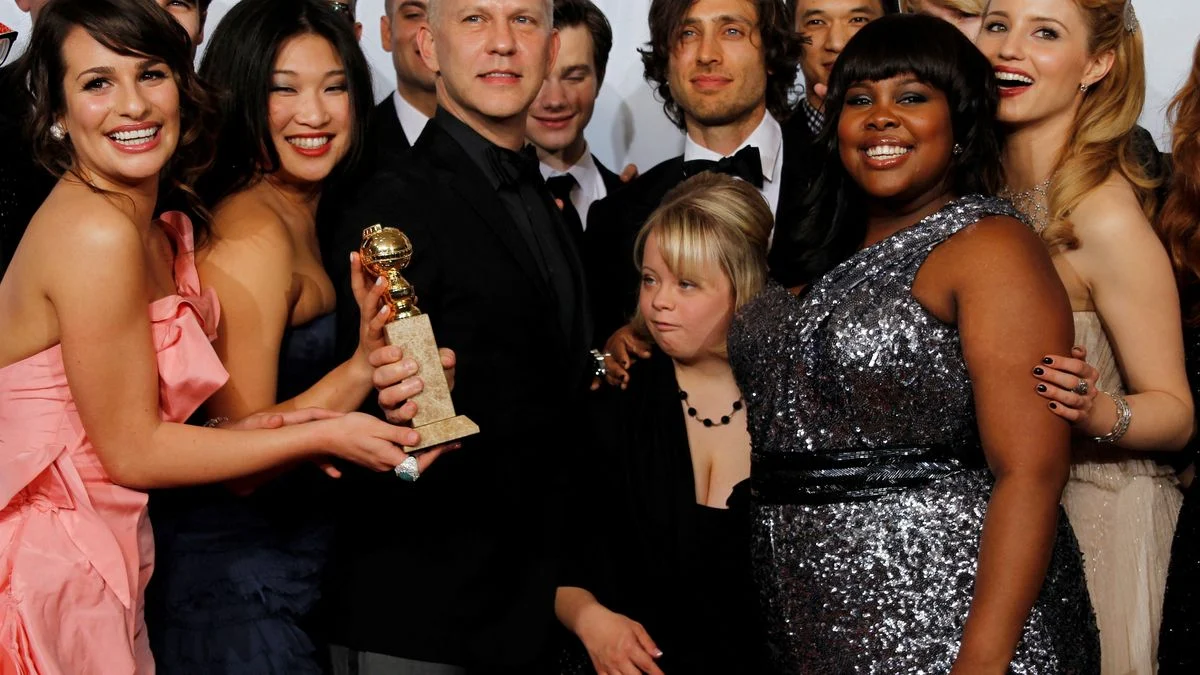
Nearly a decade after the curtains closed on the halls of William McKinley High School, rumors of a potential revival of the groundbreaking musical dramedy Glee have reached a fever pitch. According to reports from the industry trade publication Variety, discussions are currently underway regarding a new iteration of the series. While concrete plot details remain under lock and key, insiders suggest that the project aims to bridge the gap between nostalgia and modern relevance, with early talks indicating that key members of the original cast, most notably Lea Michele, are being courted to reprise their iconic roles.
The original series, which became a cultural touchstone during its six-season run, redefined the landscape of network television by blending high-stakes drama, satirical humor, and elaborate musical production numbers. For millions of viewers, the prospect of seeing the New Directions back on screen represents not just a reboot, but a revisit to a formative era of television that championed the voices of the marginalized.
Chronology: The Evolution of a Cultural Juggernaut
To understand the weight of this potential revival, one must look back at the trajectory of the series that changed television forever.
The Inception (2009)
When Glee premiered on Fox in 2009, few expected the show to become a global phenomenon. Created by the visionary trio of Ryan Murphy, Brad Falchuk, and Ian Brennan, the pilot introduced audiences to Will Schuester, a Spanish teacher with a dream to revitalize his high school’s glee club. The premise was simple, yet the execution was revolutionary. By integrating Top 40 hits with Broadway sensibilities, Glee managed to capture the hearts of the "misfit" generation.
The Golden Era (2010–2012)
By its second season, the show was a juggernaut. It dominated the Billboard charts, broke Emmy Award records, and launched its cast into international stardom. This period marked the peak of the "Gleek" phenomenon, where fan engagement transcended the screen and became a social movement. The show’s ability to tackle controversial subjects—such as teenage pregnancy, disabilities, and the struggles of the LGBTQ+ community—in a primetime slot set a precedent for future teen dramas.
The Transition and Final Curtain (2013–2015)
The series faced its most profound challenges during its later years, navigating the tragic passing of leading man Cory Monteith in 2013. The cast and crew navigated this period with immense grace, using the show as a vehicle for collective mourning. After six seasons and 121 episodes, the final episode aired in March 2015, leaving behind a legacy that was both celebrated and complex.
Supporting Data: Why Now?
The decision to revisit a franchise as potent as Glee is rarely accidental; it is driven by cold, hard data. In the current streaming landscape, intellectual property (IP) is the most valuable currency.
- Streaming Analytics: Since its migration to major streaming platforms, Glee has consistently ranked among the most-watched library titles. Gen Z audiences, discovering the show years after its finale, have engaged with the content via social media platforms like TikTok, where clips of iconic performances regularly go viral.
- The Nostalgia Cycle: The entertainment industry is currently in the midst of a 2010s revival. As audiences seek comfort in the familiar, Glee stands out as a unique property that offers both comfort and high-octane entertainment value.
- The "Michele" Factor: Lea Michele’s recent career resurgence, particularly her highly praised turn in Broadway’s Funny Girl, has placed her back at the center of the cultural conversation. Her involvement would provide the necessary star power to anchor a new project, providing the continuity that fans of the original series demand.
Official Responses and Industry Speculation
As of the time of writing, official representatives for 20th Television and the original creators have remained tight-lipped regarding the specific nature of the development. However, the industry is rife with speculation.
Ryan Murphy, who has since moved on to build an empire at Netflix, has frequently expressed his affection for his early work. In recent podcasts and interviews, he has hinted that he often thinks about the world of Glee and how it would function in today’s political and social climate.
"The show was always about the outsiders," one industry source noted. "If they return to that well, they have to ensure that the spirit of the original is preserved, even if the world has moved on."
Lea Michele’s camp has been similarly cautious. While she has expressed gratitude for the role that defined her early career, she has focused heavily on her stage work. Yet, the consensus among Hollywood agents is that a project of this magnitude—backed by the creative team that launched it—would be difficult for any original cast member to turn down.
Implications: The Challenges of a Legacy Reboot
Rebooting Glee is not without significant risk. The original series was a product of its time, capturing the specific anxieties and hopes of the late 2000s and early 2010s. A modern version faces several hurdles:
1. The Shadow of the Past
Any return to the series must contend with the immense emotional weight of the original cast members who are no longer with us. The creative team will need to strike a delicate balance between honoring the past and establishing a new narrative that doesn’t feel like a hollow tribute.
2. Evolving Social Standards
Glee was praised for its inclusivity, but critics often pointed to its occasionally tone-deaf handling of complex issues. A 2024 iteration would need to demonstrate a higher level of nuance. The landscape of high school life has changed drastically; themes of social media influence, digital isolation, and intersectional identity will need to be at the forefront of any modern script.
3. The Music Industry Shift
In 2009, the "Glee cover" was a novel concept that bridged the gap between music labels and television. Today, musical content is ubiquitous on platforms like YouTube and TikTok. To stand out, a new Glee project would need to reinvent the musical format—perhaps leaning further into original compositions or exploring new genres that resonate with the current youth zeitgeist.
4. The Fan Expectation Gap
The original fanbase is now in their late 20s and early 30s. They are no longer the wide-eyed teenagers who first tuned into Fox. They expect a more sophisticated narrative. The creators must decide whether the new project will be a direct continuation—a "next generation" of McKinley students—or a meta-commentary on the original series itself.
Looking Forward: A Cultural Reckoning
If the reports hold true, we are witnessing the early stages of a project that could define the next decade of musical television. Glee was never just about a singing competition; it was about the fundamental human need to be heard, to be seen, and to find one’s tribe in a world that often demands conformity.
The challenges of reassembling such a high-profile cast are immense, ranging from scheduling conflicts to the inevitable scrutiny of a modern audience. However, the potential for success is equally vast. If handled with the same audacity that defined the show’s debut, a new Glee could serve as a much-needed reminder of the power of art to unite, heal, and entertain.
As we await further confirmation, the industry remains on standby. Whether this becomes a full-scale reboot, a limited series, or a reunion special, the mere mention of the word Glee has sparked a global conversation. For those who grew up in the halls of McKinley High, the possibility of hearing that familiar chorus one more time is a prospect as exciting as it is daunting.
The stage is set. The music is waiting. Now, it is simply a matter of who will step into the spotlight.