Introduction: The Hidden Potential
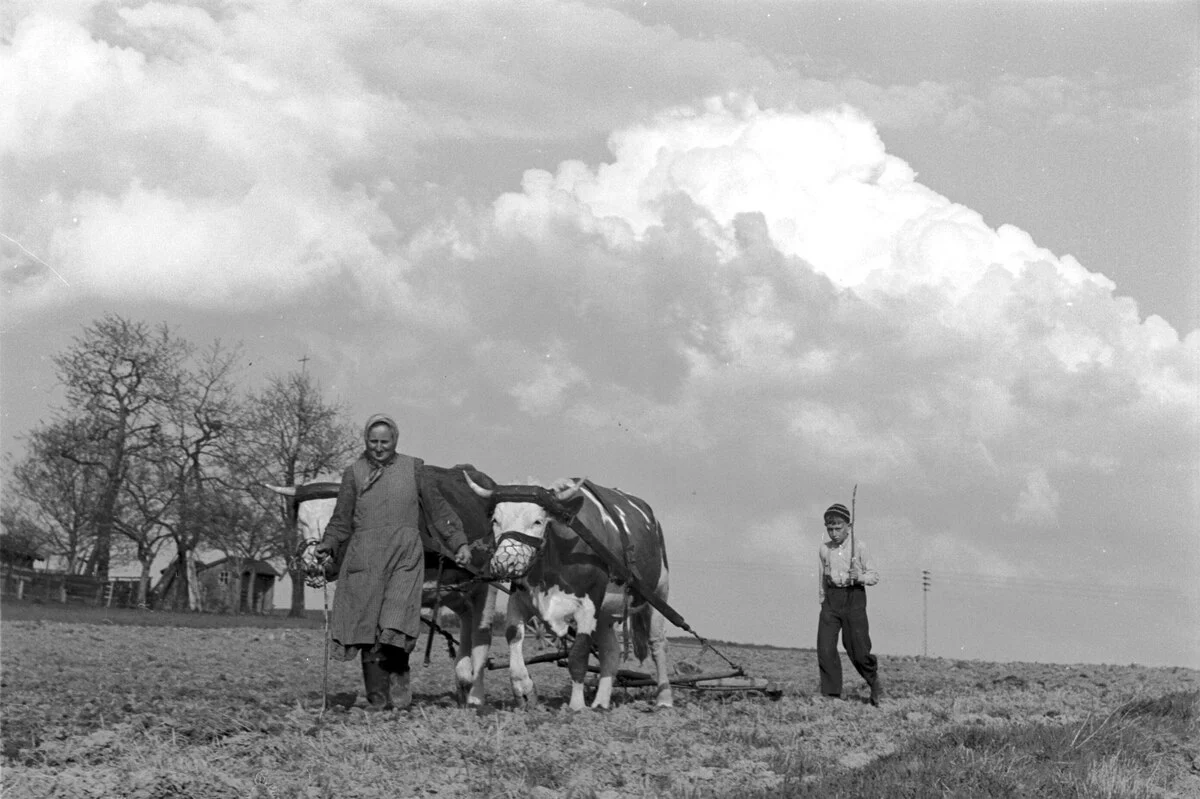
In the quiet landscapes of rural Germany, life often appears idyllic. Traditional family structures remain the bedrock of social life, and the pace of existence is frequently romanticized as a reprieve from the frenetic energy of the metropolises. However, beneath this veneer of stability lies a significant economic and demographic challenge. A new, comprehensive data analysis from the Federal Institute for Population Research (BiB) reveals that the true divide in Germany today is not between the urban centers and the countryside, but rather within the household itself—specifically, the widening chasm between the economic participation of men and women.
As Germany grapples with an aging society and the impending retirement of the "Baby Boomer" generation, the country faces an acute labor shortage. The BiB study highlights a critical, underutilized reservoir of economic potential: women, particularly in rural regions, who remain trapped in part-time employment or outside the workforce entirely.
The Data: A Nation Uniform in Earnings, Divided in Gender
The findings published by the BiB in Wiesbaden provide a sobering reality check. When looking at net monthly income, the differences between major cities, densely populated urban districts, and remote rural regions are surprisingly marginal. In 2025, the median net monthly income for an individual in these disparate regions hovered around 1,889 euros.
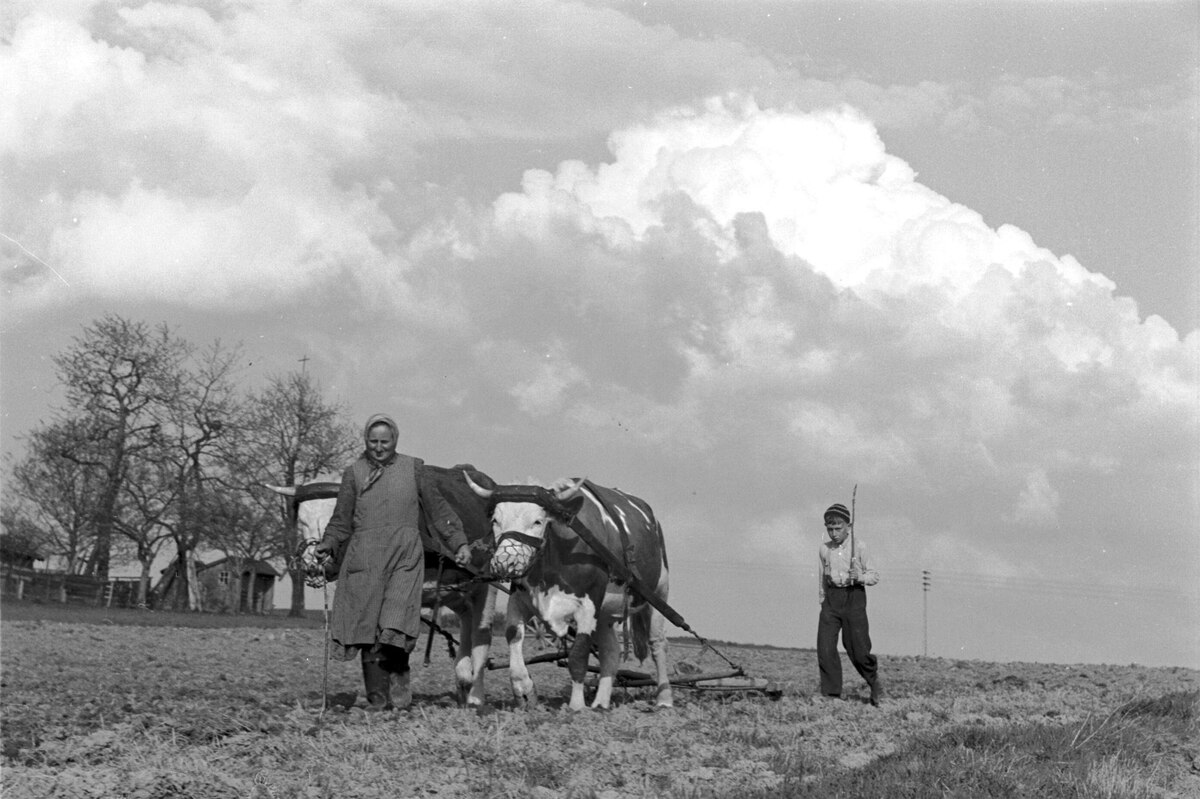
BiB Director Katharina Spieß, who presented the data, noted that this "median value"—the point at which exactly half of the population earns more and half earns less—demonstrates a remarkable, if unexpected, economic parity across geographic lines. "When we look at income, we see a much larger rift between the genders than between the places of residence," Spieß explained.
The disparity is stark. In both metropolitan areas and rural counties, approximately 60 percent of men earn more than the median income. Conversely, women face a significant "glass ceiling" of income. In large cities, only 42 percent of women earn more than the median; in rural districts, this figure plummets to a mere 35 percent. This confirms that the economic geography of Germany is less about geography and more about the structural, often traditional, roles assigned to women.
Chronology of a Demographic Shift
The trajectory leading to these findings has been decades in the making. The "Baby Boomer" cohort—the demographic bulge that has driven German productivity for forty years—is now reaching retirement age. This impending mass exodus from the labor market creates a vacuum that current youth demographics are insufficient to fill.

- Mid-20th Century: The establishment of the "traditional" model, where the male breadwinner serves as the primary earner, became deeply entrenched in rural structures.
- Early 2000s: Initial discussions regarding the "demographic cliff" began to circulate in policy circles, yet structural incentives—such as tax benefits for single-earner households—continued to favor the status quo.
- 2020-2024: The post-pandemic labor market saw an acceleration of remote work, yet the systemic barriers for women in rural areas (limited childcare, lack of career support) remained static.
- 2025: The current BiB report serves as a formal acknowledgment that the "reserve army" of female labor is the only viable path to maintaining economic output without relying exclusively on large-scale immigration, which remains a polarized topic.
Supporting Data: The Migratory Disparity
The study also highlights a growing demographic divergence between the city and the countryside. Immigration has significantly rejuvenated the populations of Germany’s metropolises. In major cities, 55 percent of minors have a migration background, whereas in rural areas, that figure stands at 30 percent.
This influx of younger, often migrant, populations keeps the metropolitan age structure relatively stable, with only 19 percent of the population over the age of 65. In contrast, the countryside is greying rapidly, with 25 percent of the population already above the 65-year threshold.
However, integration remains a hurdle. Harun Sulak, a co-author of the study, pointed out that many women in cities with migration backgrounds are not in the workforce. "Language barriers, missing professional credentials, and a lack of recognized foreign degrees, coupled with gaps in childcare, are preventing these women from entering the labor market," Sulak stated. The "potential" is not just restricted to rural women, but also to a massive, untapped workforce within the immigrant community that is currently stifled by bureaucratic and structural barriers.

Official Responses and Policy Proposals
The German government is not standing idly by. The federal cabinet has signaled a major shift in its economic policy, aimed directly at the structural issues identified by the BiB.
The proposed abolition of "Minijobs"—the low-wage, low-hour employment positions that have historically been dominated by women—is a central pillar of this strategy. By ending the exemption from social security contributions for these jobs, the government hopes to incentivize a transition toward full-time employment. Additionally, there are active discussions to restrict the "free family insurance" for relatives, which currently allows a spouse (usually the woman) to be covered by the partner’s insurance, thereby removing the pressure to earn a full salary.
"We need to make it economically attractive to work full-time," a government spokesperson remarked. However, the policy is not without its critics. In rural regions, where the infrastructure for full-time childcare is often lacking, these reforms are viewed with skepticism. Critics argue that without a massive expansion of daycare and public transport, the government is essentially punishing women for the lack of state-provided support systems.

Implications: The Social and Economic Future
The implications of the BiB report are profound. If Germany continues to rely on a model that restricts female labor to part-time or low-wage positions, the economic consequences will be severe. The loss of tax revenue and the strain on the pension system caused by an aging population that has not contributed fully to social security will reach a breaking point.
The Cultural Resistance
The "traditional family model" is not merely an economic structure; it is a cultural identity. In rural Germany, the perception of the woman’s role remains influenced by historical and religious norms. Moving toward a dual-earner model requires not just policy changes, but a social shift. The study suggests that while women are increasingly educated and capable of filling high-level positions, the "structural glass ceiling" of the rural household remains the most difficult barrier to break.
The Economic Necessity
From an economic standpoint, the math is simple. Germany needs more hours worked to sustain its standard of living. If the current trend persists, the country will face a permanent labor shortage. This would force a reliance on automation, which is expensive, or a reliance on further migration, which is politically volatile. The most logical path—and the one the BiB advocates for—is the mobilization of the existing domestic labor force.

Conclusion: A New Social Contract
The BiB study acts as a mirror, reflecting the stark reality of modern Germany. The country is stuck in a transition phase between the industrial age’s social norms and the demands of a high-tech, globalized, and aging society.
To bridge this gap, Germany must undertake a multi-pronged approach:
- Infrastructure: Massive investment in rural childcare and eldercare, allowing women to balance professional and family life.
- Bureaucracy: Streamlining the recognition of foreign degrees to unlock the potential of migrant women in cities.
- Tax Reform: Eliminating the "marriage penalty" or tax advantages that discourage secondary earners (usually women) from seeking full-time employment.
The "work potential" identified by Katharina Spieß is not merely a statistical curiosity; it is a vital national asset. Whether rural Germany can embrace this shift, or whether it will continue to prioritize traditional roles at the expense of its long-term economic viability, remains the defining question of the coming decade. As the Baby Boomers exit the stage, the urgency for a new social contract—one that recognizes the economic equality of women as a necessity rather than an ideal—has never been greater. The future of Germany’s prosperity depends on whether it can finally unlock the doors that have kept its most valuable labor resource in the shadows for far too long.