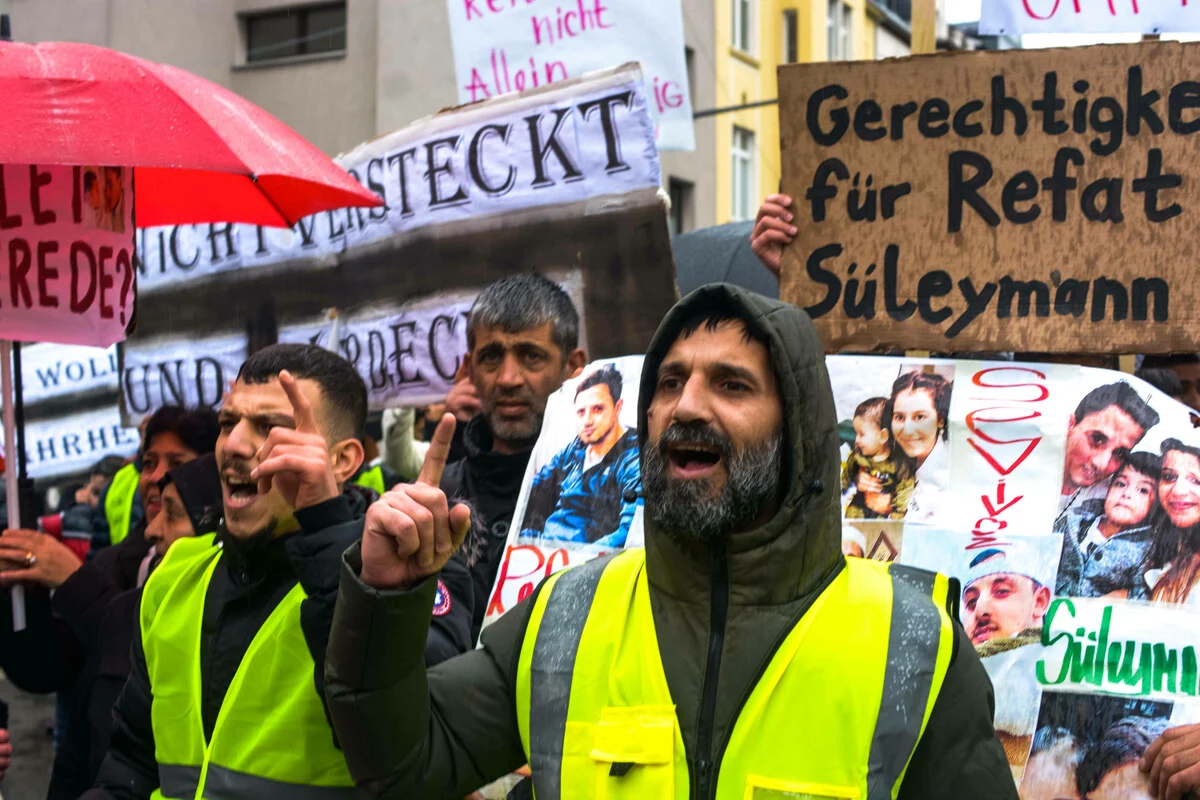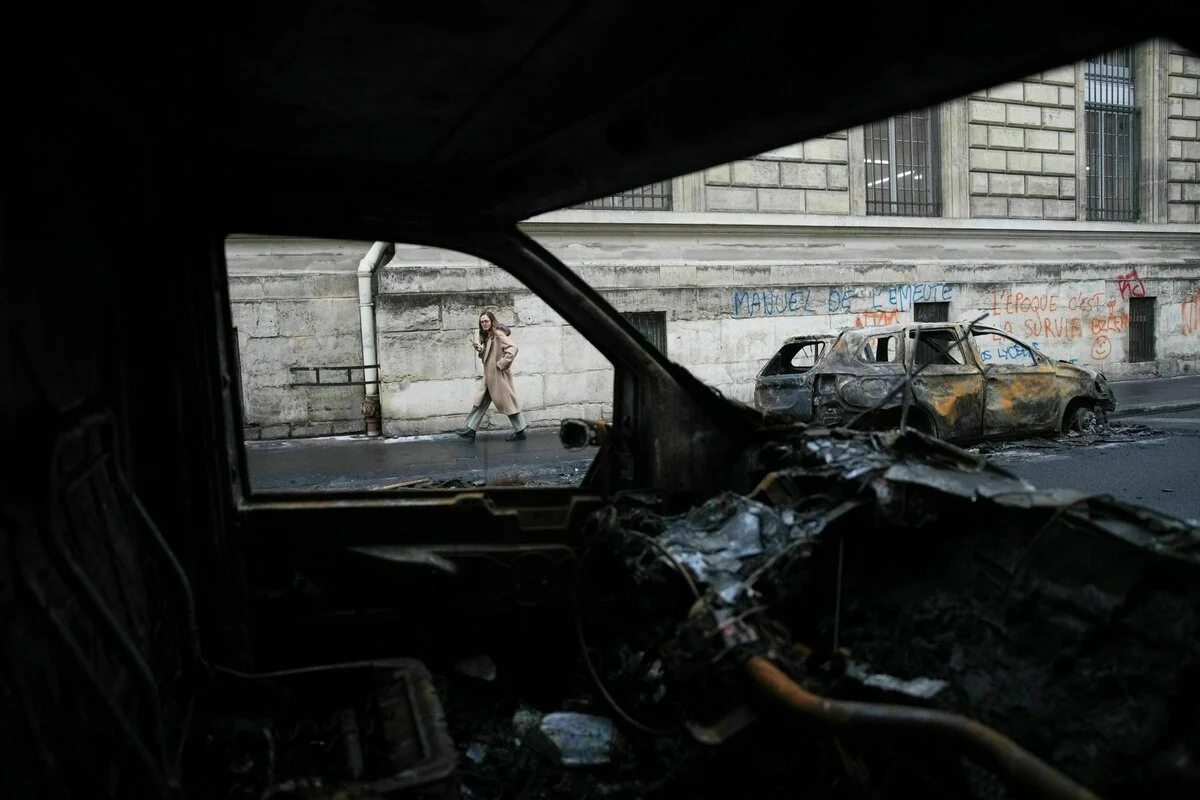
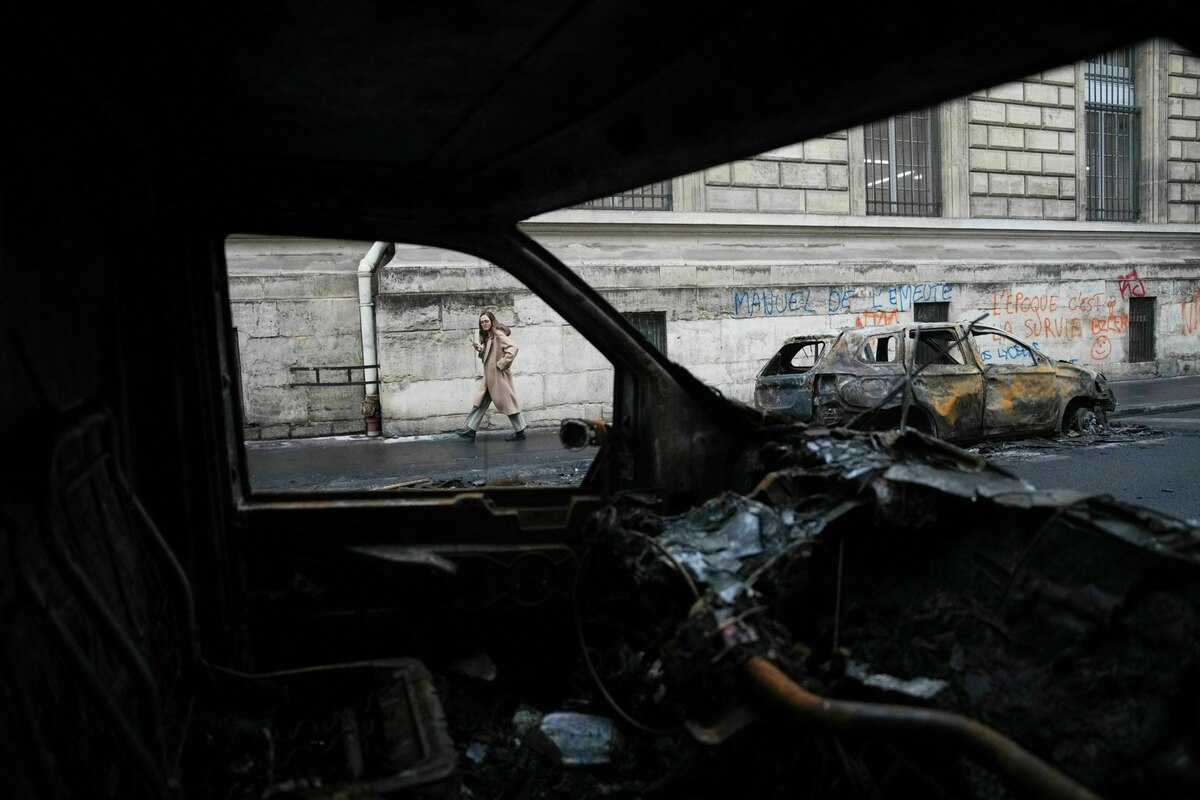
The streets of Paris, usually synonymous with romance and cultural refinement, have become the epicenter of a harrowing display of civil unrest. Following a weekend of intense clashes, the French capital and several other major cities find themselves in a state of precarious uncertainty. As the government struggles to regain control, a toxic cocktail of misinformation, police brutality allegations, and political polarization threatens to destabilize the nation’s social fabric.
The Mirage of Death: A Case Study in Misinformation
The chaotic atmosphere was perfectly encapsulated by the viral story of Antoine, a street medic who became a flashpoint for public anger. During demonstrations at the Place de la République, video footage surfaced showing a uniformed officer violently striking, tackling, and dragging a man dressed in a white medical coat. The individual was clearly identifiable as a "street medic"—a volunteer role that has become increasingly common at French protests.
As the footage spread across social media platforms like wildfire, a grim rumor took hold: Antoine had been killed by the police. The outcry was instantaneous, with thousands of users demanding accountability for what they perceived as a state-sanctioned execution. However, the narrative was abruptly halted when Antoine himself released a video message, wryly stating, "Hello everyone, I am not dead!"
While Antoine’s survival provided a rare moment of relief, it did not mitigate the underlying questions regarding the conduct of the law enforcement officers involved. The unprovoked nature of the attack, as captured on video, remains a source of deep public indignation and underscores the growing rift between the police and the citizens they are sworn to protect.
Chronology of the Weekend’s Fatalities
While the rumors surrounding Antoine were dispelled, the weekend did result in two confirmed fatalities, both of which remain shrouded in mystery. These deaths have become a focal point for both protesters and government officials, though for vastly different reasons.
The first incident occurred on the Boulevard Magenta, a major thoroughfare that served as a frontline between demonstrators and riot police. A 59-year-old individual collapsed and died, reportedly due to cardiac arrest. Later that same day, a 49-year-old man died following a stroke in the vicinity of Les Halles, an area marked by widespread looting and violent skirmishes.
Initial reports from emergency services suggested "no third-party involvement" in either death. However, this assessment has failed to satisfy the public. Questions persist regarding the role of tear gas and the high-stress environment created by the police response. The delay in official communication from the authorities only served to fill the vacuum with dangerous, often inaccurate, speculation. It was only after significant public pressure that a formal judicial investigation was announced—a move that many critics argue was too little, too late.
Supporting Data: A Nation on Edge
The current climate in France is characterized by a "fear-driven" news cycle where unverified reports and alarmist rhetoric dominate. This instability is not limited to the capital. In Lyon and Marseille, local business owners have begun discussing the possibility of organized self-defense units, citing a perceived failure of the state to provide basic security.
Near the Place de la Bastille, municipal authorities have taken the unusual step of visiting shopkeepers to explicitly warn them to prepare for looting. This proactive, albeit grim, warning suggests that the government anticipates the upcoming weekend will bring even greater volatility. The psychological toll on the citizenry is immense, as the prospect of "street-level warfare" moves from a hypothetical risk to an impending reality.
Official Responses and Political Maneuvering
The response from the French government has been characterized by a blend of firm rhetoric and desperate diplomatic maneuvering.
The Stance of the Ministry of Justice
Justice Minister Gérald Darmanin has adopted a hardline approach, signaling that the state will utilize the full extent of the law to quell the unrest. In a stern address on Wednesday, Darmanin emphasized that offenders would face severe consequences, with a focus on immediate, non-suspended prison sentences for those involved in looting and theft. Notably, this mandate applies even to juvenile offenders with no prior criminal records. The Minister invoked the penal code, reminding the public that looting is treated with the same severity as drug trafficking, carrying potential sentences of up to ten years.
The Government’s Search for Unity
Prime Minister Sébastien Lecornu, who had previously championed a policy of repression against student blockades, is now attempting to pivot toward a more collaborative strategy. On Wednesday, he convened a meeting with representatives from major political parties and trade unions. The goal: to forge a "democratic united front" against what he termed the Casseurs (thugs) and the "ultra-left," whom the administration blames for the explosion of violence.
However, this attempt at unity faces significant hurdles. The government’s security strategy has been heavily criticized by both the left and the right. While the opposition remains deeply divided, they share a common skepticism regarding the administration’s competence. The refusal of President Emmanuel Macron to accept the resignation of Interior Minister Laurent Nunez has only added fuel to the fire, as critics argue that the government severely underestimated the scale of the October 17 protests and, in doing so, invited the subsequent escalation.
Implications for the Future
The political fallout of the crisis is profound. President Emmanuel Macron, who delivered a televised appeal for calm and promised transparency in the investigations, found himself in a precarious position. Shortly after his address, he departed for a diplomatic visit to the Arab Gulf states. This decision has been viewed by many as a tone-deaf abandonment of the country at a moment of acute domestic crisis.
Furthermore, the rise of extremist activity is becoming increasingly difficult for the state to ignore. On Tuesday, a right-wing march in Lyon proceeded entirely unimpeded by police. This "tolerance" has infuriated left-wing factions and raised alarming questions about the selective enforcement of public order. The prospect of sustained street clashes between extremist groups from opposite ends of the political spectrum is perhaps the most significant threat to France’s long-term stability.
As the nation looks toward the coming weekend, the atmosphere remains thick with tension. The government’s promise of increased security presence in Marseille and Lyon may prevent further physical destruction, but it does little to address the root causes of the anger. Without a meaningful shift in political discourse or a more transparent handling of the recent violent incidents, France faces a prolonged period of internal strife.
The divide is no longer just between the police and the protesters; it is a divide within the French identity itself. As business owners board up their windows and citizens look to the streets with trepidation, the question remains: Can the Republic reconcile its democratic principles with the harsh realities of the current civil disorder? For now, the answer remains as elusive as the truth behind the weekend’s tragic, and sometimes surreal, events.