Main Facts: A Morning of Chaos on the Hessian Roads
A significant traffic incident disrupted the morning commute in the Langen area of Hesse on Thursday, resulting in a pile-up that involved five vehicles and left eight individuals injured. The collision, which triggered a substantial emergency response, has once again brought the vulnerabilities of regional traffic infrastructure and driver safety into sharp focus.
According to preliminary reports from the Hessian police, the incident occurred during the peak of the morning rush hour. The chain reaction, which saw five vehicles collide in a "concertina" effect, occurred on a major thoroughfare, leading to immediate gridlock and a complex rescue operation. While the exact cause remains under investigation, the severity of the impact necessitated the deployment of multiple ambulances, emergency medical vehicles, and fire department units to the scene.
Of the eight individuals reported injured, none were initially listed in critical condition; however, the range of injuries—from whiplash and lacerations to more severe trauma—required immediate transport to nearby hospitals. The accident caused significant delays for commuters traveling through the Langen district, with traffic backlogs stretching several kilometers as authorities worked to clear the wreckage and conduct an initial forensic investigation of the site.
Chronology of the Incident
The sequence of events unfolded rapidly, transforming a standard Thursday morning commute into a scene of emergency mobilization.
The Initial Impact (Approx. 07:00 – 07:15)
The pile-up reportedly began shortly after 07:00. Initial witness statements and forensic markings on the asphalt suggest that the lead vehicle in the sequence slowed down, likely due to a sudden shift in traffic flow—a common occurrence on this stretch of road during peak hours. The trailing vehicles, failing to maintain adequate distance or reacting too slowly to the braking, triggered a domino effect of rear-end collisions. Within seconds, five vehicles had been consolidated into a mass of mangled metal and shattered glass.
The Emergency Response (07:20 – 08:30)
By 07:20, the emergency services had been alerted. The dispatch center prioritized the call, sending multiple units from the local fire brigade and the German Red Cross. Upon arrival, emergency responders faced the task of securing the site to prevent secondary collisions, as traffic continued to flow in adjacent lanes. The triage process began immediately, with paramedics assessing the eight injured victims amidst the debris.

Scene Management and Clearing (08:30 – 10:30)
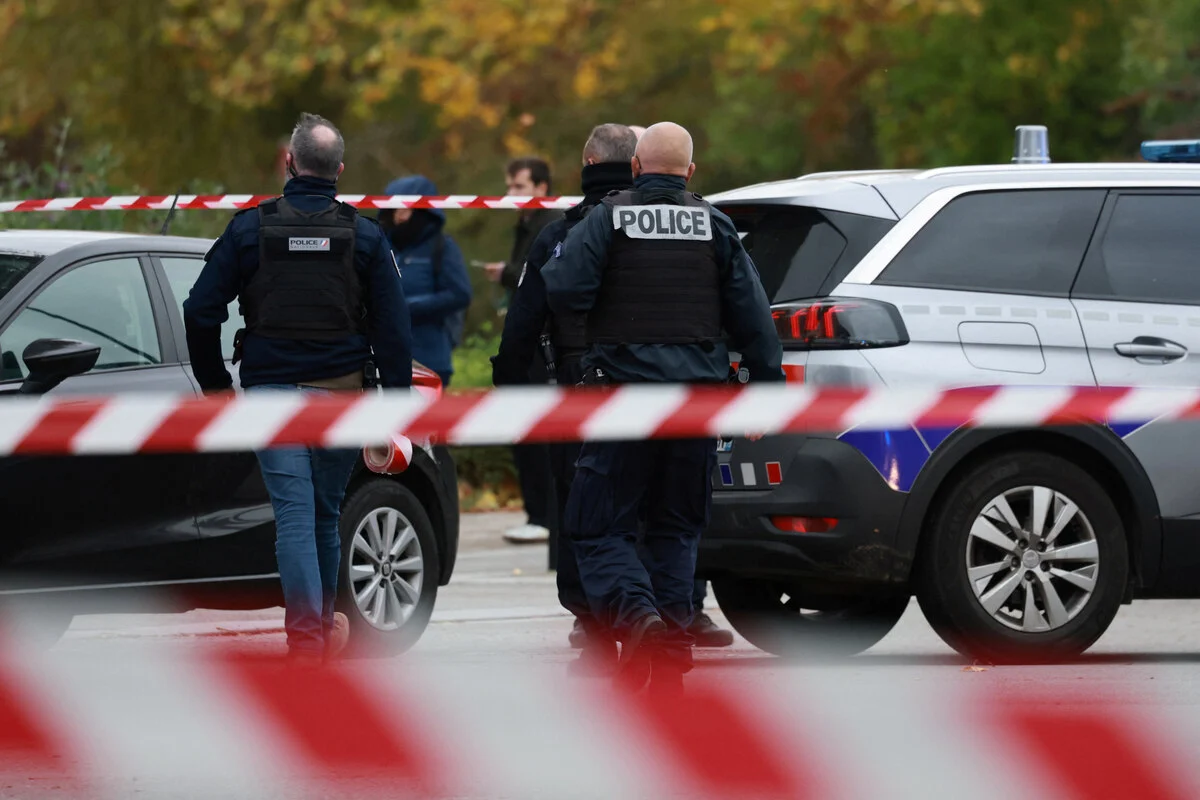
As the injured were stabilized and transported to hospitals, police cordoned off the area to document the positioning of the vehicles. This phase is critical for the subsequent investigation into driver negligence, mechanical failure, or external environmental factors. By mid-morning, towing services arrived to remove the vehicles, which had been rendered non-operational by the high-impact collisions.
Supporting Data and Contextual Analysis
To understand the gravity of this event, one must look at the broader context of traffic safety in Hesse. While the state boasts a well-maintained network of federal and state roads, the density of traffic in the Rhine-Main area creates a unique environment where minor lapses in attention can result in major multi-vehicle pile-ups.
Traffic Density and Human Error
Data from regional transport authorities indicate that the Langen area experiences high volumes of commuter traffic, particularly between 06:30 and 08:30. The "human factor"—including distraction, fatigue, and tailgating—remains the leading cause of such accidents. In this specific incident, investigators are examining whether the morning glare of the sun or a sudden congestion bottleneck played a role in the drivers’ inability to stop in time.
The Physics of the Pile-Up
A five-car pile-up involves complex force distribution. When five vehicles, potentially traveling at speeds of 50–80 km/h, collide in quick succession, the kinetic energy is immense. Even with modern safety features such as airbags and crumple zones, the rapid deceleration of the human body inside these vehicles often leads to soft-tissue injuries, which account for the majority of the eight reported cases in this incident.
Official Responses and Public Safety Directives
The police department in Langen has issued a formal statement urging motorists to exercise heightened vigilance, especially during the darker, colder months of the year when road surfaces may be damp or icy.
Police Statements
"We are currently in the process of interviewing all drivers involved and analyzing the witness accounts from the scene," stated a spokesperson for the local police. "Our primary focus is to determine the exact sequence of the collision and whether any traffic violations, such as excessive speed or following too closely, contributed to the severity of the pile-up."

The police have also emphasized the importance of the "emergency corridor" (Rettungsgasse). During the response to the Langen accident, officers noted that while most drivers cooperated, the congestion made it difficult for larger emergency vehicles to reach the front of the line quickly. They reminded the public that forming a clear lane for rescue vehicles is not just a courtesy, but a legal requirement that saves lives.
Hospital Updates
While specific identities have been protected due to privacy laws, hospital representatives confirmed that the victims are receiving comprehensive care. The medical teams have focused on monitoring for delayed-onset injuries, such as internal bruising or concussion symptoms, which are common in rear-end collisions but may not be immediately apparent at the scene.
Implications for Regional Traffic Policy
The incident in Langen is more than just a local news story; it serves as a catalyst for ongoing discussions regarding road safety infrastructure in Hesse.
Infrastructure and Technology
Experts in urban planning are increasingly pointing toward "Smart Traffic Management" as a solution. This includes the installation of dynamic speed limit signs that automatically adjust based on real-time traffic density, potentially preventing the sudden braking maneuvers that often lead to pile-ups. Furthermore, the integration of collision-avoidance systems in modern vehicles is being cited as a necessary evolution for all commuter fleets.
Public Awareness and Education
Following the accident, local advocacy groups have called for renewed public awareness campaigns. These campaigns would focus on the "3-second rule"—maintaining a three-second gap between one’s vehicle and the one ahead. While this seems basic, the prevalence of five-car collisions suggests that drivers frequently disregard safe following distances in favor of maintaining flow in heavy traffic.
The Economic Cost of Gridlock
Beyond the human toll, accidents of this scale carry a significant economic burden. The loss of productivity for hundreds of commuters stuck in the resulting traffic jam, the costs associated with emergency response and hospitalization, and the long-term impact on insurance premiums represent a systemic cost to the region. The Langen authorities are likely to conduct a post-incident review to see if temporary lane closures or improved signage could mitigate future risks at this specific intersection.

Conclusion: Lessons from the Road
As the residents of Langen return to their routines, the events of this Thursday serve as a sobering reminder of the fragility of the transit ecosystem. Eight lives were altered in a matter of seconds, and a community was forced to grapple with the consequences of a momentary lapse in traffic safety.
The investigation into the five-car collision will continue for several weeks. In the meantime, the authorities are calling for a collective effort to improve driving habits. Whether it is through the adoption of new safety technologies or a simple commitment to maintaining a safer following distance, the goal remains the same: ensuring that the morning commute is not a gamble with one’s safety.
For the victims, the road to recovery has begun. For the rest of the region, the accident stands as a firm call to action to prioritize safety over speed, and awareness over the distractions that continue to plague modern roads. As the inquiry proceeds, the focus will remain on transparency, ensuring that the lessons learned from this incident are translated into tangible safety improvements for every motorist in Hesse.