On September 8, 1966, the world was introduced to the USS Enterprise and a vision of the future that transcended the boundaries of its time. Six decades later, Star Trek remains not just a pillar of science fiction, but a cultural mirror reflecting our deepest social aspirations and anxieties.
The Genesis of an Icon: Main Facts
When Star Trek first graced American television screens, it was a modest production with an ambitious mission. Created by Gene Roddenberry, the series was designed as a "Wagon Train to the stars"—an episodic exploration of the unknown. However, it quickly became something much more profound.
At its core, Star Trek offered a utopian promise: that humanity could overcome its petty divisions, poverty, and prejudice to achieve a harmonious, interstellar future. By placing a diverse crew on the bridge of the Enterprise, Roddenberry challenged the status quo of 1960s television, presenting a vision of meritocracy where skill and character defined one’s worth, not race, nationality, or origin.
A Chronological Journey: From Cancellation to Cultural Hegemony
The history of Star Trek is one of resilience and reinvention.
- 1966–1969: The Original Series (TOS) airs on NBC. Despite its cultural impact, it struggles with ratings and is canceled after 79 episodes.
- 1972: Star Trek debuts in Germany as Raumschiff Enterprise. The initial reception is shaped by a "flapsy" (flippant) dubbing style that obscures the show’s more serious political undertones.
- 1979: The success of Star Wars and persistent fan pressure force Paramount to launch Star Trek: The Motion Picture, cementing the franchise’s cinematic potential.
- 1987: The Next Generation premieres, ushering in a "Golden Age" of Trek television that lasts through the 90s.
- 1990s–Present: The franchise expands into a sprawling multiverse, including Deep Space Nine, Voyager, Enterprise, and modern iterations like Discovery, Picard, and Strange New Worlds.
The Mirror of Society: Supporting Data and Cultural Analysis
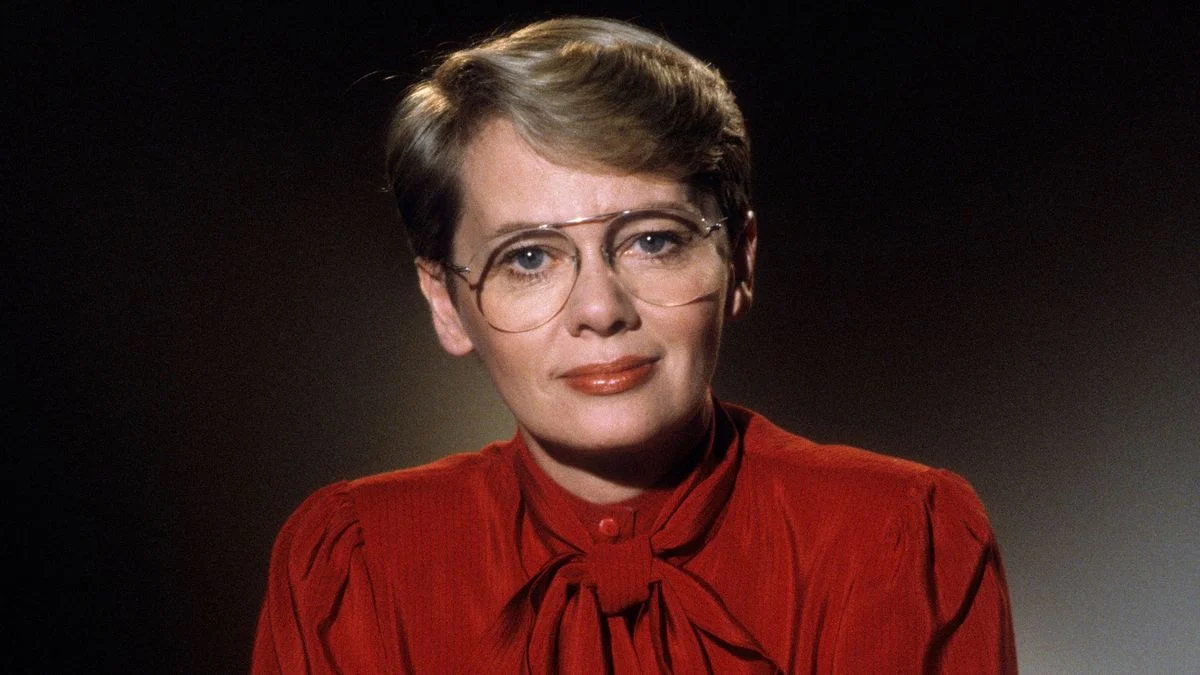
Cultural scientist Rebecca Haar, who has extensively studied the representation of Artificial Intelligence and Androids within the franchise, argues that Star Trek has consistently positioned itself on the "progressive side of history."
Diversity as a Foundation
The composition of the Enterprise bridge was a radical political act in 1966. Featuring a Japanese-American helmsman (George Takei as Hikaru Sulu), a Russian navigator (Walter Koenig as Pavel Chekov), and a Black communications officer (Nichelle Nichols as Lieutenant Uhura) was an overt statement against the xenophobia of the Cold War.
The inclusion of Mr. Spock, an alien logic-driven Vulcan, provided the series with an outsider’s perspective, allowing the writers to interrogate human irrationality and bigotry through a detached, analytical lens. As Haar notes, the Vulcan philosophy of "Infinite Diversity in Infinite Combinations" (IDIC) remains the franchise’s philosophical cornerstone—a call to embrace difference as a source of strength rather than fear.
The Power of Visibility
Perhaps the most iconic moment in the series’ history is the 1968 kiss between Captain James T. Kirk and Lieutenant Uhura. It was the first interracial kiss on American scripted television. Despite intense pressure from network executives to cut the scene, it aired, marking a pivotal milestone in the Civil Rights movement.
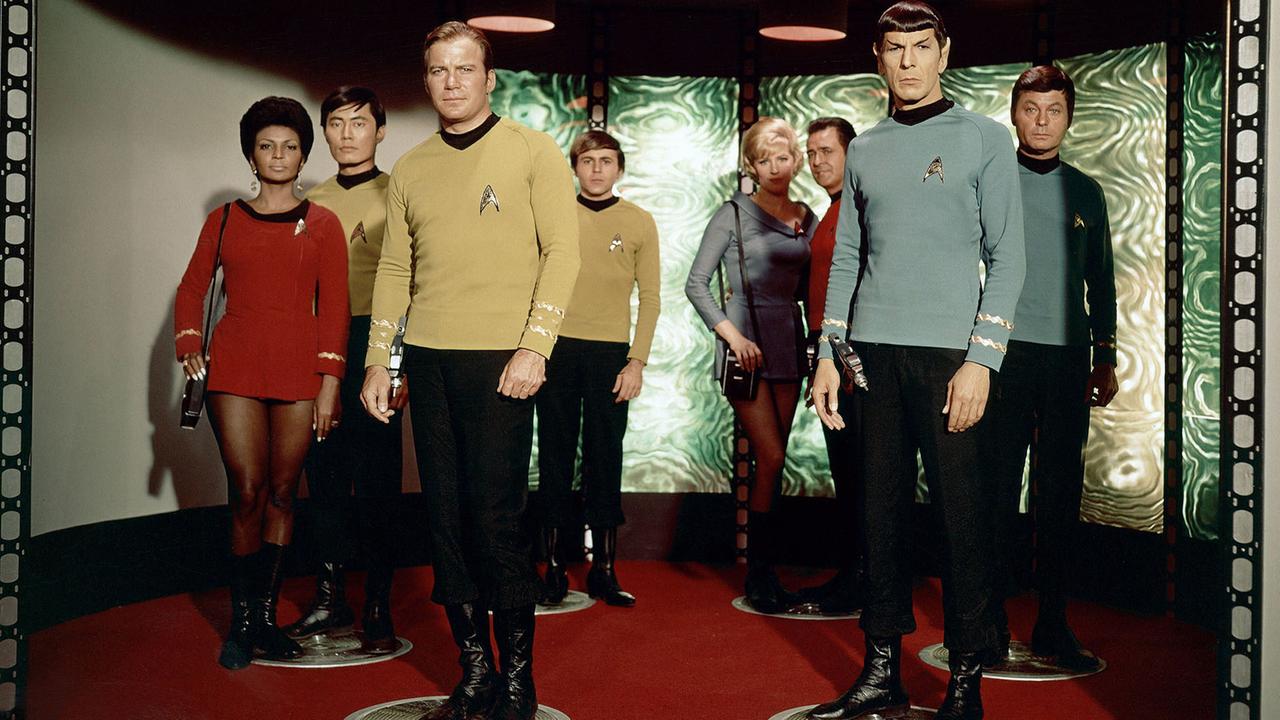
The story of how this legacy was preserved is equally legendary. Nichelle Nichols, facing the frustrations of being one of the few Black women on television, contemplated leaving the show. She was persuaded to stay by none other than Dr. Martin Luther King Jr. "For the first time," King told her, "the world sees us as we should be: as equals, as intelligent people."
The Cold War and the Geopolitical Subtext
Star Trek was never merely about space travel; it was an allegory for contemporary geopolitical tensions. The Klingons, long-standing antagonists, served as a proxy for the Soviet Union. The "Iron Curtain" of the era was mirrored in the Neutral Zone—a space where neither Federation nor Klingon ships could cross without risking total war.
It was only as the real-world Cold War thawed in the early 1990s that the Star Trek narrative shifted. In The Undiscovered Country (1991), the Federation and the Klingons finally moved toward a lasting peace, reflecting the seismic shifts in global politics following the fall of the Berlin Wall. This ability to adapt its narratives to mirror the changing world is what has kept the franchise relevant for 60 years.
The "Trekkie" Phenomenon: Fans as Architects
Star Trek is arguably the first franchise to be saved by its fans. After its 1969 cancellation, a massive grassroots letter-writing campaign by fans—the first of its kind—convinced NBC to renew the show for a third season.
This birthed the "Fandom" culture we recognize today. From the first conventions in the early 1970s to the modern digital era of Comic-Cons and global fan-fiction archives, Star Trek created a community. This community did not just consume the content; they engaged with it, analyzed it, and demanded more, effectively becoming the curators of the franchise’s longevity.
Implications: A Vision for the Future
What does Star Trek mean for us in 2026? As we face modern challenges—AI ethics, climate change, and global polarization—the franchise continues to provide a framework for ethical discourse.
The show teaches that technology should serve the betterment of all, not the greed of the few. It posits that a "post-scarcity" society is possible if we can evolve past our base tribalism. By "translating the society of today into the world of the day after tomorrow," Star Trek remains a beacon of hope.
In the words of the iconic Vulcan salute, "Live long and prosper" is not just a catchphrase; it is a commitment to a future where, as Rebecca Haar concludes, "everyone can find their place." Sixty years later, the mission of the Enterprise is far from complete; it is, perhaps, only just beginning.