In a high-stakes clash at the Veszprém Arena, the Füchse Berlin handball team suffered a significant blow to their European campaign. The Bundesliga giants fell 35:39 to the Hungarian powerhouse Veszprém HC, a result that effectively concedes the group lead and adds complexity to their path toward the knockout stages of the EHF Champions League.
The Wednesday evening encounter served as a stark reminder of the unforgiving nature of top-tier continental handball. Despite both teams having already secured their passage to the next round, the tactical implications of the defeat are severe. By succumbing to a second loss against the Hungarians, the Berliners now carry four crucial "minus points" into the next phase of the tournament, a handicap that will test their mettle as they look to reach the latter stages of the competition.
The Chronology of a Difficult Evening
The atmosphere in Veszprém is notoriously hostile for visiting teams, and the Füchse Berlin found themselves under immediate pressure. The match began as a defensive grind, with both sides struggling to find their rhythm in the opening minutes. The offensive inefficiency was palpable; the first goal of the game did not arrive until four and a half minutes had passed, and it took a full seven minutes for Berlin to record a goal from open play.
By the 11th minute, the scoreboard reflected the visitors’ struggles: a 2:6 deficit. The absence of playmaker Nils Lichtlein, sidelined by lingering shoulder issues, left a noticeable void in Berlin’s tactical distribution. Without Lichtlein’s vision, the team’s transition game appeared sluggish, allowing the Veszprém defense to collapse on the shooters with relative ease.
The First Half Collapse
As the first half progressed, the situation deteriorated for the visitors. While goalkeeper Andreas Palicka provided a series of heroic interventions early on to prevent the lead from ballooning, he eventually found himself unsupported as the Hungarian offense picked apart the Berlin defensive line.
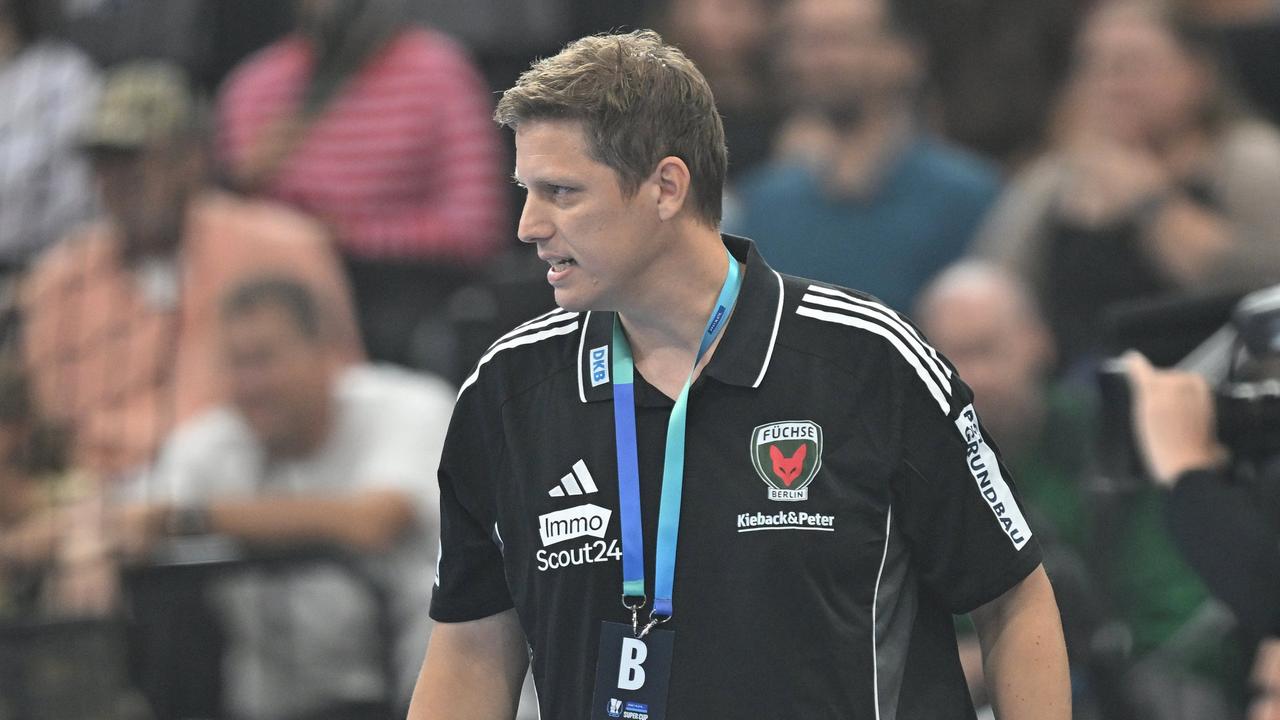
The task became Herculean in the 15th minute when German international Matthes Langhoff was issued a red card. The resulting disqualification disrupted the rotation, forcing coach Nicolej Krickau to shuffle his personnel under intense pressure. Veszprém, led by the formidable Emil Nielsen between the posts, capitalized on the disarray. By the time the halftime whistle blew, the Füchse found themselves trailing 13:20, staring down a nine-goal deficit just minutes prior.
A Second Half Renaissance
The second half saw a complete tactical recalibration from the Berlin bench. Emerging from the dressing room with renewed intensity, the Füchse looked like a transformed side. The ball circulation improved significantly, and the efficiency of the backcourt shooters rose sharply.
Lasse Ludwig, replacing Palicka in the second half, provided a spark with a series of crucial saves. This defensive stability allowed Berlin to chip away at the lead. By the midway point of the second half, the deficit had been slashed to just three goals (27:30). For a brief moment, the momentum shifted entirely to the visitors. However, the missed opportunity to close the gap to two goals proved to be the turning point; Veszprém showed their championship pedigree, weathering the storm and executing their late-game transitions with clinical precision to seal the 39:35 victory.
Statistical Breakdown and Individual Performances
The match was defined by a mix of individual brilliance and collective lapses. Mathias Gidsel once again stood out as the primary engine for Berlin, netting nine goals and proving why he is considered one of the elite players in the global game. His ability to create space for teammates, despite the heavy defensive focus on him, remains the cornerstone of the Füchse offense.
Joining Gidsel on the scoresheet were Mijajlo Marsenic and Tim Freihöfer, both of whom contributed five goals apiece. Their efforts, however, were ultimately negated by the volume of goals conceded.
Key Match Statistics:
- Final Score: Veszprém HC 39, Füchse Berlin 35
- Half-time: 20:13
- Leading Scorer (Berlin): Mathias Gidsel (9)
- Secondary Scorers (Berlin): Mijajlo Marsenic (5), Tim Freihöfer (5)
- Key Disciplinary Action: Red card for Matthes Langhoff (15’)
The disparity in goal-scoring efficiency between the two halves tells the story of the match. In the first half, Berlin’s shooting percentage hovered near an unsustainable low, while Veszprém consistently exploited the gaps left by the aggressive, yet often disjointed, Berlin defense.
Tactical Analysis: The "Lichtlein" Effect and Personnel Constraints
The absence of Nils Lichtlein cannot be overstated. As a primary architect of Berlin’s offense, his inability to play due to shoulder problems forced coach Krickau to rely on a heavier rotation of players who are typically tasked with different roles.
The defensive instability, particularly the early red card to Langhoff, forced the team into a more conservative defensive shell, which ultimately allowed Veszprém’s high-octane attack more time and space to set up their plays. Furthermore, the reliance on two different goalkeepers—Palicka and Ludwig—demonstrated a lack of consistency that is often the hallmark of a team struggling to find its identity under sustained pressure.
Implications for the Champions League Campaign
The loss in Hungary has profound consequences for the remainder of the Champions League season. Because the EHF format carries over results from the group stage, the two losses to Veszprém act as a significant "point tax."
The Path Forward
- Group Standing: The Füchse have effectively ceded the top spot in the group, forcing them into a more difficult bracket for the upcoming elimination rounds.
- Mental Fatigue: The emotional toll of a comeback that fell short, combined with the physical exertion of a high-tempo match, will test the squad’s depth in the coming weeks.
- Injury Management: The status of Nils Lichtlein remains the primary concern for the coaching staff. Without him, the team lacks a versatile offensive threat capable of breaking down top-tier European defenses.
- Tactical Adjustments: Coach Krickau must find a way to maintain the high-intensity defensive pressure shown in the second half without incurring the disciplinary costs that saw Langhoff dismissed.
Official Commentary and Looking Ahead
While the coaching staff has not yet issued a formal statement on the defeat, the body language on the sidelines suggested a mix of frustration and pragmatic acceptance. The consensus within the camp is that the team showed character in the second half, but that the initial seven-minute drought and the subsequent defensive collapse in the first half were the definitive factors in the defeat.
The Füchse Berlin now return to domestic duties, where the focus will shift back to the Bundesliga. However, the lessons learned in Veszprém will be analyzed in detail. The management understands that if they are to compete for the European title, they must find a way to handle the pressure of elite away fixtures without relying on late-game heroics.
As the tournament moves into its more critical phases, Berlin will need to lean on their veterans to stabilize the team during these turbulent stretches. The race for the final four is far from over, but the margin for error has narrowed significantly. The team’s ability to bounce back from this setback will be the true test of their championship credentials in the 2026/27 campaign.