As the crisp October air descends upon the plains of Saxony, the familiar landscape of the Belantis theme park—typically a hub of family-friendly adventure and sunny excursions—undergoes a chilling metamorphosis. The park, located near Leipzig, has once again embraced the spirit of the Halloween season, shifting its operational focus from lighthearted recreation to a theater of shadows, psychological thrills, and immersive horror. This annual transition, which sees the park rebrand its attractions into "mazes" and "haunted rides," represents a significant logistical and creative undertaking for the management, reflecting a broader trend in the European leisure industry toward seasonal, high-intensity immersive experiences.
Main Facts: The Anatomy of the Transformation
Belantis has long positioned itself as one of Germany’s most significant recreational landmarks. However, during the month of October, the park pivots toward a darker aesthetic to cater to a growing demographic of thrill-seekers. The "Halloween transformation" is not merely a superficial application of fake cobwebs and jack-o’-lanterns; it is a fundamental shift in the park’s operational philosophy.
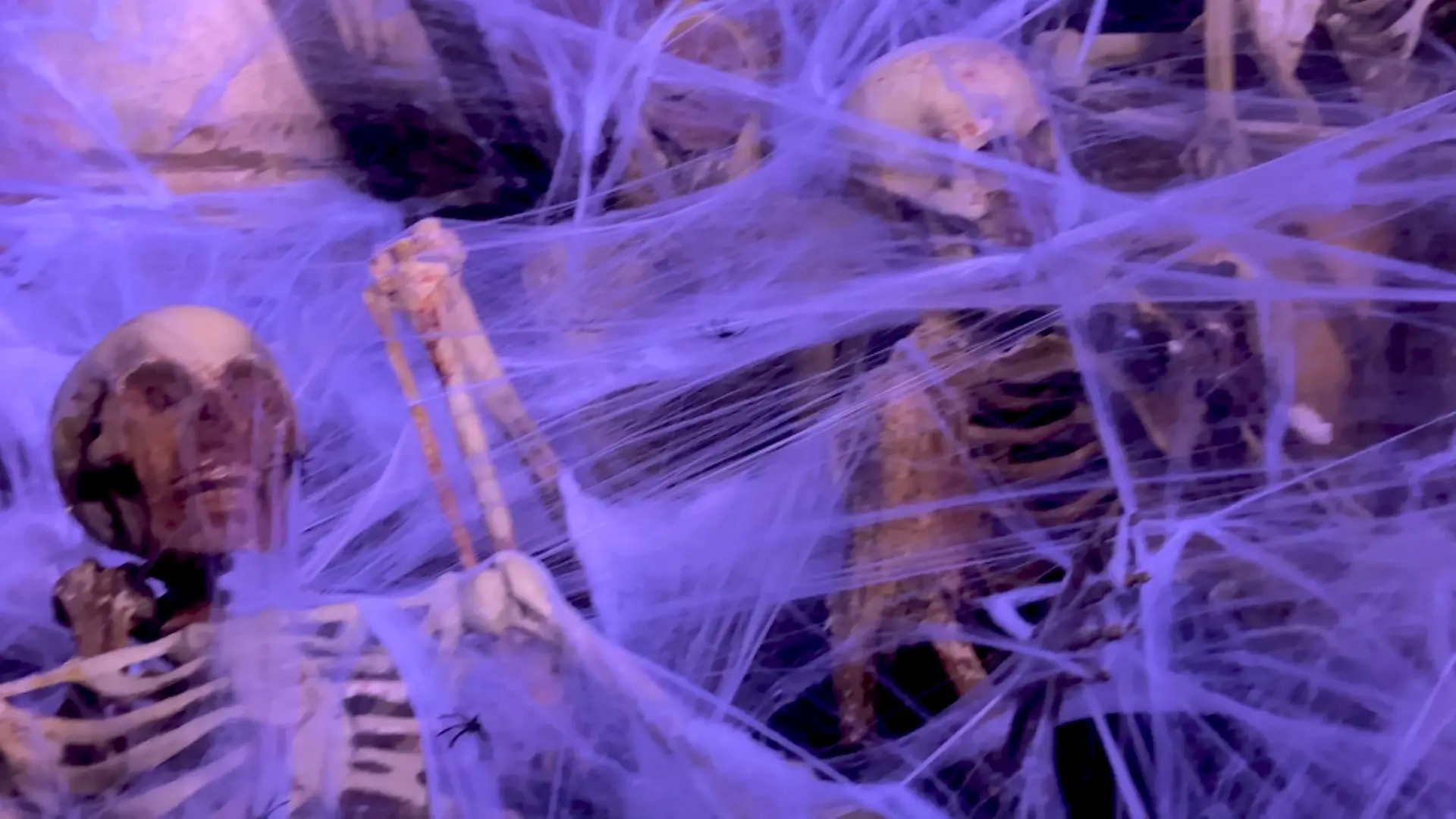
The core of this year’s experience revolves around the introduction of specialized scare zones and high-production-value haunted attractions. The park’s architecture—comprising various themed zones—serves as a natural stage for these activities. By leveraging existing structures, the production team creates "labyrinths" where the boundaries between the guest and the performer are deliberately blurred. The goal is to provide a controlled environment for fear, where adrenaline serves as the primary currency for visitor engagement. This year, the park has placed a particular emphasis on the "haunted coaster" experience, where traditional ride mechanics are augmented by low-visibility lighting, soundscapes, and live actors to enhance the perceived risk and excitement.
Chronology: From Summer Fun to October Fright
The transition to the Halloween format follows a strict, highly coordinated schedule that begins long before the first leaves turn brown.
- Mid-September: Initial planning and casting for the "scare actors." Unlike traditional theme park staff, these performers undergo specialized training in body language, timing, and psychological engagement to ensure that interactions remain within the bounds of "fun fear."
- Early October: The "Soft Opening" phase. During the first week of the month, technical teams conduct stress tests on lighting rigs, fog machines, and audio systems. Safety protocols are reviewed to ensure that even in near-total darkness, the flow of thousands of visitors remains orderly and safe.
- Mid-October: Full immersion. By the second and third weeks of the month, the park reaches its peak performance level. Special events are scheduled to coincide with weekend crowds, including late-night openings that allow the atmospheric lighting to have the maximum possible effect.
- The Final Week: The crescendo. As Halloween approaches, the intensity of the "haunted" programming reaches its zenith, with specialized, limited-run attractions that are often only accessible to older demographics or those with specific "fear-level" clearance.
Supporting Data: The Economics of Fear
The decision to lean into the "spooky season" is a calculated business move supported by industry-wide data. Theme parks across Europe have seen a consistent year-over-year increase in attendance during October, often referred to in the industry as the "Halloween effect."
For Belantis, the data indicates that this transformation successfully extends the park’s operational season into a period that would otherwise be subject to a natural decline in ticket sales due to cooling weather. By providing an "event-based" experience, the park can justify higher price points for special evening tickets. Furthermore, the diversification of the visitor base is notable: while the park remains family-oriented during the daylight hours, the evening hours capture the lucrative "young adult" demographic, which is less likely to visit during the summer months when the park is dominated by younger families.
The logistical cost is significant. Estimates suggest that investment in lighting, sound equipment, and additional staffing for the October period represents roughly 15-20% of the park’s total annual maintenance and marketing budget. However, the return on investment is validated by high repeat-visitor rates, as fans of the "haunted" genre often visit multiple times to experience different mazes.
Official Responses: The Philosophy of Immersive Terror
Management representatives at Belantis have expressed that the shift is rooted in the desire to keep the park’s offering "dynamic and evolving." According to official statements from the park’s administrative team, the challenge lies in balancing the traditional, lighthearted nature of the park with the more intense demands of the Halloween season.
"Our goal is not to traumatize, but to thrill," notes a lead creative consultant for the park’s seasonal events. "We utilize psychological staging—the anticipation of a scare is often more effective than the scare itself. We have worked closely with safety auditors to ensure that the jump-scares, the fog-dense pathways, and the narrow corridors meet all stringent German safety regulations for public spaces."
Furthermore, the park emphasizes that the "scare levels" are clearly marked. Families with younger children are provided with maps indicating "safe zones" where the horror elements are absent, allowing the park to maintain its inclusivity while still providing an edgy, mature experience for those who seek it. This dual-track approach is seen by the management as essential for the long-term sustainability of the event.
Implications: The Future of Seasonal Entertainment
The success of the Belantis Halloween transformation holds broader implications for the regional tourism sector in Saxony. As the park continues to refine its "haunted" offerings, it is effectively turning the region into a destination for autumn tourism. The ripple effects are felt in local hospitality, transport, and ancillary businesses that benefit from the influx of visitors drawn by the buzz of the event.
However, the trend also poses challenges. The "arms race" of horror attractions means that each year, guests expect higher production values, more complex animatronics, and more sophisticated storytelling. The park must constantly innovate to avoid "fear fatigue" among its regular patrons. This necessitates a continuous cycle of investment in new technologies, such as haptic feedback in rides, improved augmented reality (AR) integrations, and higher-fidelity sound engineering.
Moreover, the shift toward a "horror-centric" October model forces a discussion about the identity of the theme park. Can a brand that is built on the foundation of fun and wonder successfully navigate the darker side of human psychology without alienating its core base? Thus far, the evidence suggests that the answer is a resounding yes, provided that the park maintains its commitment to clear communication and safety.
By segmenting the day—offering family-friendly, "spooky-lite" experiences before dusk and shifting to high-intensity, "fear-focused" attractions after dark—Belantis has created a blueprint for sustainable, seasonal revenue growth.
Conclusion: A Living, Breathing Stage
As the October nights grow longer, Belantis ceases to be a mere collection of rides and becomes a living, breathing stage. The transformation is a testament to the power of narrative-driven design in the leisure industry. Visitors are no longer just riders in a seat; they are participants in a story where the shadows are active characters.
Whether one is a dedicated horror aficionado looking for the next rush of adrenaline, or a parent seeking a unique way to celebrate the season with older children, the park offers a carefully curated experience that sits at the intersection of theater, engineering, and psychological play. As the gates open each evening, the fog rolls in, the lights dim, and the familiar pathways of Belantis vanish, replaced by the unknown—a reminder that in the world of modern entertainment, the most successful experiences are those that challenge our perceptions and, for a few hours at least, allow us to embrace the thrill of the dark.

The commitment shown by the organizers to safety, variety, and narrative depth ensures that Belantis remains a cornerstone of the regional economy, proving that even in the world of ghosts and goblins, business remains very much grounded in the reality of providing an unforgettable customer experience. As the season concludes and the park prepares for its winter hibernation, the memories created in the fog-filled mazes will likely persist, ensuring that come next October, the demand for this unique brand of seasonal terror will be higher than ever.