Brussels, Belgium – October 15, 2026 – The European Union’s summit in Brussels concluded today with a stark display of entrenched positions and unresolved tensions surrounding the bloc’s multi-annual financial framework. Leaders, including German Chancellor Friedrich Merz, have made it unequivocally clear that the proposed budget increase by the European Commission is unsustainable, setting the stage for what promises to be a protracted and contentious negotiation process. While no dramatic breakthroughs occurred, the summit served to solidify the opposing camps, highlighting the deep divisions on spending priorities and fiscal discipline.
The core of the dispute lies in the European Commission’s ambitious proposal for a budget that, when adjusted for inflation, amounts to approximately two trillion euros over the next seven years. This figure has drawn sharp criticism from a coalition of member states, often referred to as the "frugals," who argue that such an outlay is fiscally irresponsible and beyond what their national economies can bear. Conversely, proponents of the larger budget contend that it represents a mere 1.26% of the EU’s combined Gross National Product, a figure they deem necessary to fund crucial initiatives and address emerging challenges.
The German Stance: A Familiar Tune of Fiscal Prudence
Chancellor Friedrich Merz, representing Germany’s long-standing position as a net contributor to the EU budget, opened the discussions with a firm declaration: "The proposed increase in the budget is not justifiable to anyone." This sentiment echoes a recurring theme in German EU policy, often summarized by the Swabian proverb, "Mir gönnet nix" – "We give nothing." Regardless of the Chancellor in power, Germany has historically advocated for a reduction in overall spending, with the current German delegation aiming for a cut of "several hundred billion euros" from the Commission’s proposal.
While Germany has successfully articulated its position, the Chancellor did not secure a concrete commitment for a reduction in the EU budget. This underscores the challenge of translating national fiscal priorities into collective EU decisions, particularly when faced with diverse economic realities and political pressures across the member states.
The "Frugals" Under Pressure: Domestic Politics Dictate Austerity
Germany is not alone in its call for fiscal restraint. The "frugal" bloc, comprising countries like the Netherlands, Austria, Sweden, Denmark, and Finland, shares this commitment to budgetary discipline. These nations, which typically contribute more to the EU coffers than they receive, are currently facing significant domestic political pressure, particularly from the right-wing populist movements.
In this environment, the prospect of "buying" compromises with increased EU spending – essentially concessions to the recipient countries – becomes politically untenable. For Chancellor Merz, accepting a budget aligned with the Commission’s proposal would immediately invite accusations of squandering German taxpayer money, a charge that would be particularly damaging given the precarious position of his party within the domestic political landscape. Similar pressures are evident in Sweden and Finland, where public sentiment leans towards tighter fiscal management.
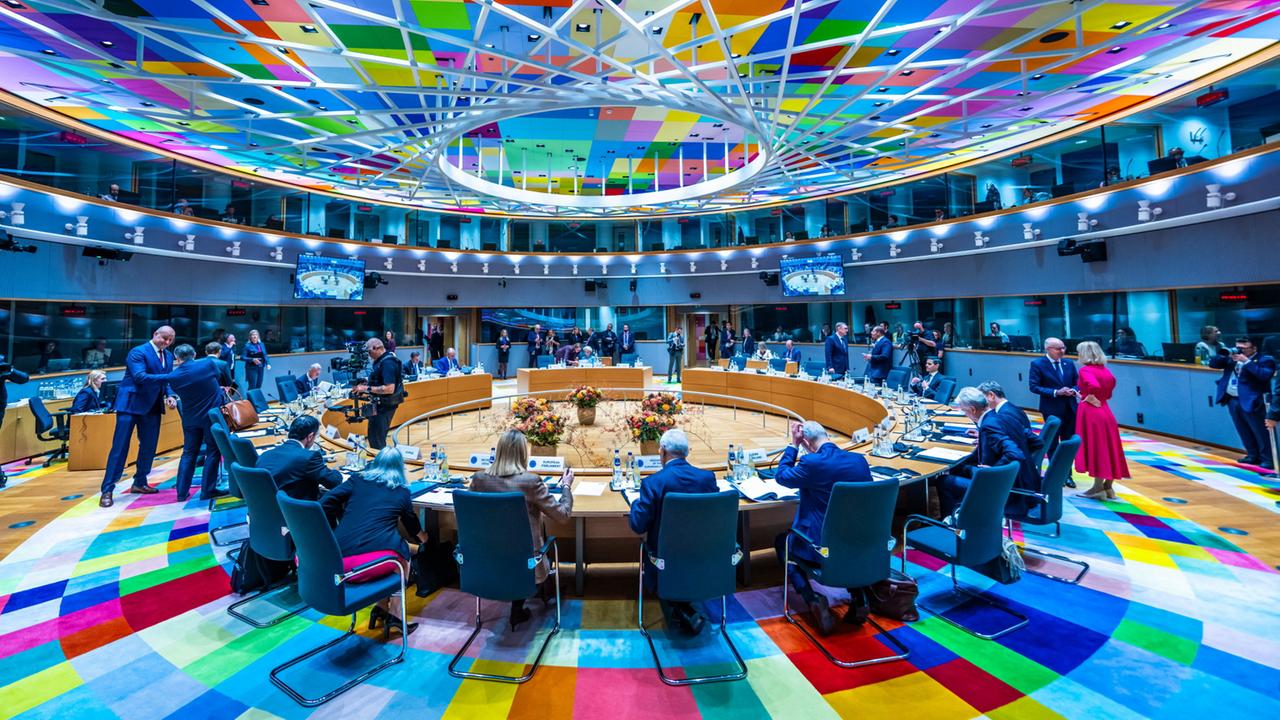
The Danish delegation has explicitly stated that the "check" – referring to the financial contributions that have historically facilitated compromise – will not be forthcoming this time. They urge recipient nations to recognize this shift in stance. This firm position, coupled with a reluctance to soften rhetoric, suggests a strategic intent by the frugal states to achieve a pedagogical effect: to demonstrate that significant concessions are not possible under the current circumstances, thereby precluding any conciliatory tone in the negotiations.
The Recipient Nations: Facing Cuts to Agriculture and Infrastructure
On the other side of the negotiating table are the member states that traditionally benefit significantly from EU funds. Their opposition to the Commission’s proposal stems from entirely different concerns. European Commission President Ursula von der Leyen’s plan involves a strategic reallocation of funds within the EU budget. Specifically, it proposes reduced funding for agriculture, infrastructure, and aid to less developed regions, while increasing allocations for education, digitalization, defense, and security.
This proposed shift translates directly into potential cuts for the agricultural sector, a prospect that poses considerable challenges for countries with powerful agricultural lobbies, such as France, Spain, Italy, and Poland. Given that elections are anticipated in many of these nations within the next twelve months, their governments are likely to perceive limited room for maneuver in negotiations that could impact their influential farming communities. As a result, these nations, too, have achieved little beyond reinforcing their positions by the end of Thursday’s discussions.
The Presidency of the Council had previously presented a proposal that would have largely preserved agricultural budgets. However, it is becoming increasingly clear that this proposal is accepted as a stable basis for discussion by only a handful of member states.
A Stalemate in Slow Motion: No Movement, No Breakthrough
The summit concluded with clear ideological divides and fundamentally conflicting positions, but without the dramatic rupture that some member states had anticipated, or perhaps even desired, at the outset of the meeting. The prevailing outcome is an agreement to disagree.
This scenario, a familiar opening act in the perennial drama of EU budget negotiations, is being shaped by the urgency expressed by many member states, including Germany, to finalize the EU budget before the critical phase of the French election campaign begins. The stated objective is to conclude negotiations by the end of the year.
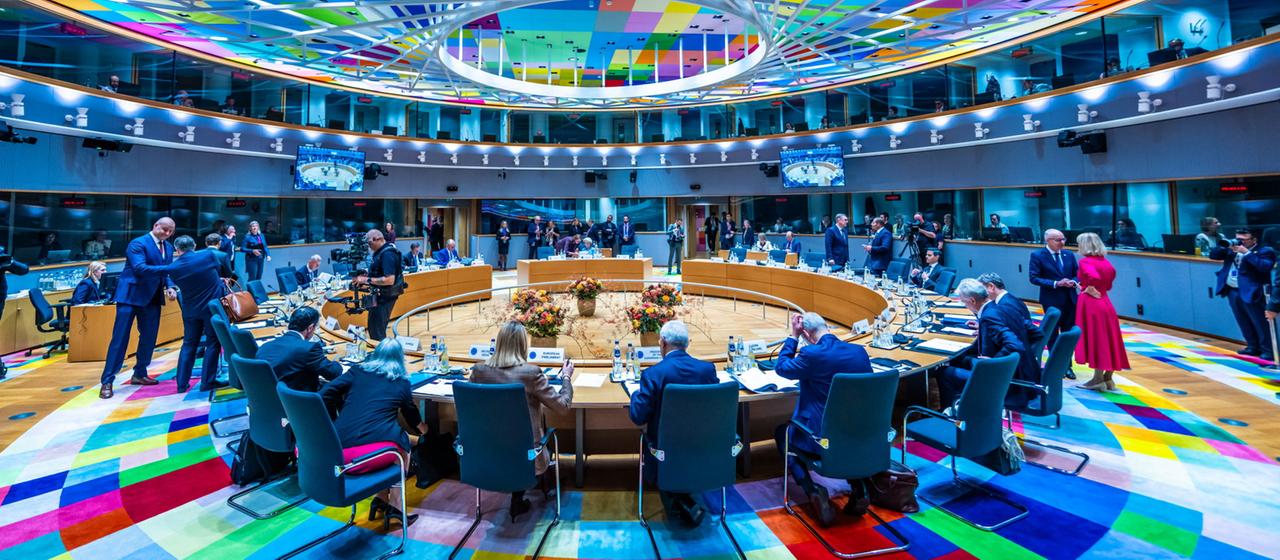
Consequently, it is highly probable that another round of negotiations will be scheduled for November. If those discussions prove fruitful, the infamous "night of the long knives" – a prolonged and intense negotiation session – is anticipated in December. At present, predicting the final size of the EU budget and its specific allocations remains an open question. The intense deliberations in Brussels between the fiscally conservative nations and those advocating for substantial funding for agriculture and infrastructure are expected to continue for several more weeks.
As of now, neither side has shown any inclination to budge. The dispute over substantial financial commitments is unfolding as a slow-motion showdown, with each party holding firm to its convictions. The coming weeks will be crucial in determining whether a compromise can be forged to navigate these deeply entrenched positions and shape the financial future of the European Union.
Implications and Future Outlook
The current impasse carries significant implications for the EU’s ability to fund its strategic priorities. The proposed increases in spending are intended to bolster areas critical for the bloc’s future competitiveness and security, including digital transformation and defense cooperation. Without adequate funding, progress in these domains could be significantly hampered.
Conversely, the "frugal" states’ insistence on austerity reflects a broader concern about the EU’s fiscal sustainability and the equitable distribution of financial burdens. The rising influence of nationalist and populist parties in several member states amplifies this concern, making concessions on budget increases politically perilous for their respective governments.
The deadlock also highlights the inherent challenge of reconciling the diverse economic interests and political realities of 27 member states. The EU’s budget is not merely a financial document; it is a reflection of the bloc’s shared values, priorities, and ambitions. The current negotiations underscore the difficulty of finding common ground when these fundamental aspects diverge so sharply.
The coming months will undoubtedly witness intense diplomatic efforts to bridge these divides. The success of these efforts will depend on the willingness of all parties to engage in genuine compromise, to understand the domestic political constraints faced by their counterparts, and to ultimately recognize the collective interest in a stable and functional European Union. The "showdown in slow motion" is far from over, and its resolution will have lasting consequences for the EU’s capacity to address the challenges and opportunities of the 21st century.