Executive Summary: A Landmark Shift in European Finance
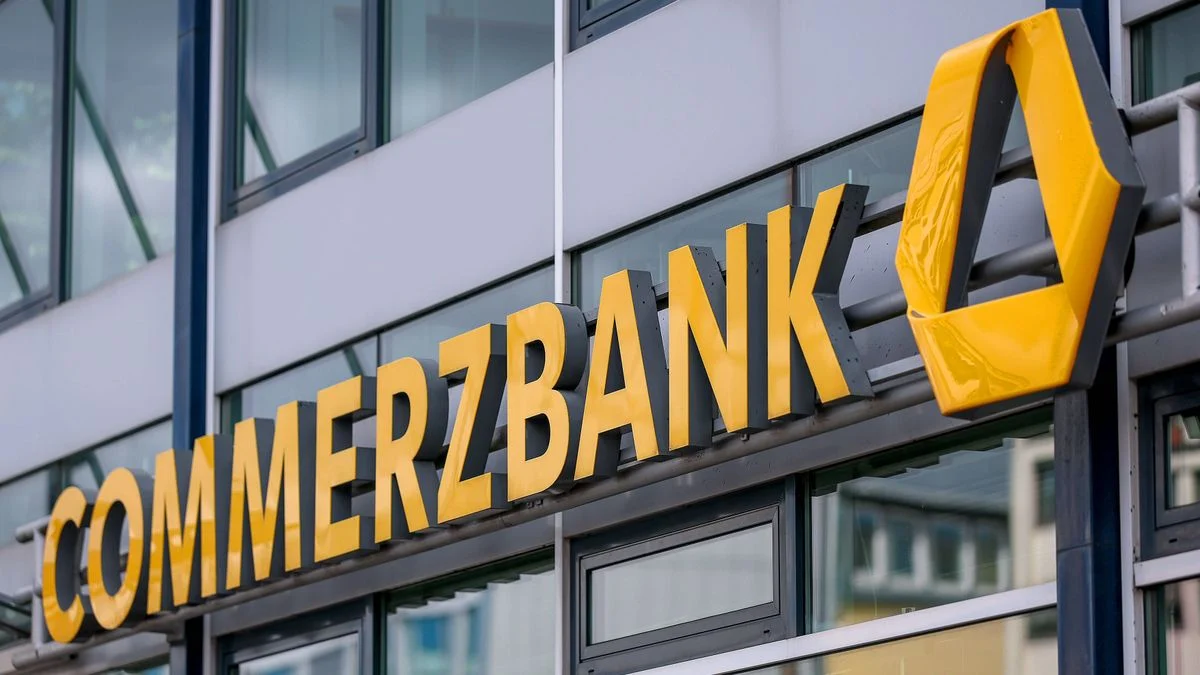
In a development that signals a tectonic shift in the European banking landscape, the Italian banking giant UniCredit has officially received approval from the European Central Bank’s (ECB) supervisory board to proceed with its pursuit of the German Commerzbank. This regulatory milestone marks a pivotal moment in the ongoing, often contentious, saga of cross-border banking consolidation within the Eurozone.
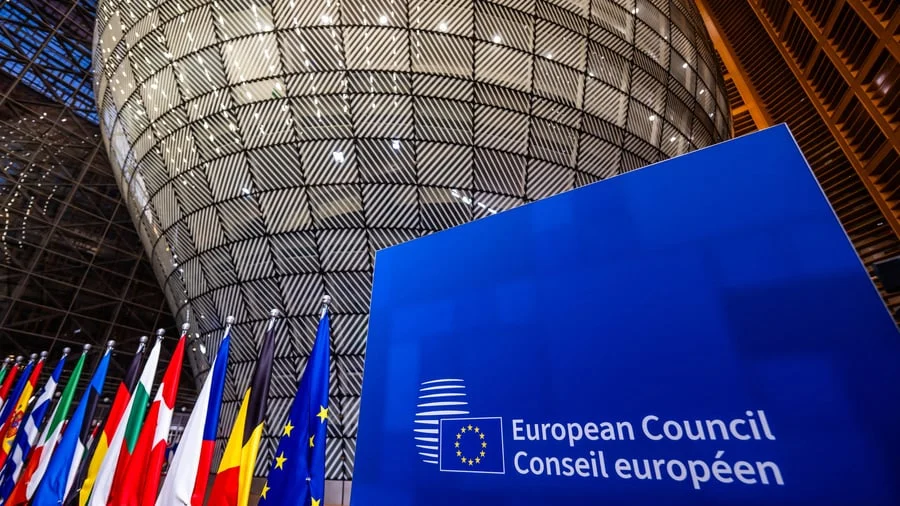
With the ECB’s authorization, UniCredit is now permitted to cross the critical 30-percent ownership threshold in Commerzbank, effectively granting the Milan-based institution the mandate to transition from a significant minority shareholder to a controlling entity. The decision is not merely a bureaucratic checkbox; it serves as a robust endorsement of UniCredit’s strategic vision and a clear signal from Frankfurt that the European regulatory apparatus is increasingly favoring the creation of "pan-European champions" to compete on a global scale.
Chronology of the Pursuit: From Stealth Accumulation to Overt Bid
The path to this moment has been paved with strategic maneuvering, tactical stock accumulation, and significant political friction.
The Initial Foothold
The roots of this takeover attempt trace back roughly two years, during which UniCredit, led by CEO Andrea Orcel, began identifying the Commerzbank as a primary target for geographic diversification and efficiency gains. While the initial overtures were subtle, the strategy became clear in the summer of 2024. Through a series of sophisticated financial instruments and direct market purchases, UniCredit quietly built a substantial stake in the Frankfurt-based lender.
The "Summer Surprise"
The market was caught off guard in mid-2024 when UniCredit disclosed it had secured a significant portion of the German government’s stake in Commerzbank. By utilizing a share-exchange offer, the Italian bank bypassed the traditional, often protracted, friendly takeover negotiation process, effectively forcing a seat at the table. This move drew immediate ire from the German political establishment, which viewed the potential loss of an iconic German financial institution to foreign ownership as a threat to national economic stability.
The Regulatory Hurdle
Following the stake acquisition, the focus shifted to the ECB. Under European banking regulations, any acquisition exceeding 10 percent of a bank’s capital requires comprehensive regulatory review. UniCredit’s subsequent request to exceed the 30-percent threshold triggered a rigorous "fit and proper" assessment, evaluating both the financial stability of the bidder and the systemic implications for the German and European banking sectors.
Supporting Data: Financial Synergies and Market Realities
The rationale behind UniCredit’s persistence is rooted in cold, hard financial logic. Analysts suggest that a combined entity would create a powerhouse capable of significant cost-cutting and market dominance.
The Efficiency Argument
UniCredit currently operates in Germany through its subsidiary, the HypoVereinsbank (HVB). By integrating Commerzbank, UniCredit aims to achieve substantial "synergies"—a polite industry term for streamlining operations, consolidating IT infrastructure, and eliminating redundant administrative functions. Internal estimates from analysts suggest that a successful merger could yield annual savings in the billions of euros.
The Cost of Expansion
While the ECB approval allows for further accumulation, the financial burden is not insignificant. UniCredit has the option to purchase additional shares freely on the open market, but doing so carries the risk of triggering an mandatory takeover bid. Under standard European takeover law, if a company acquires a controlling stake, it is often required to extend an offer to all remaining shareholders at a premium. This "takeover premium" could make the final stages of the acquisition significantly more expensive than the initial opportunistic purchases.
Official Responses and Strategic Positioning
The ECB’s Stance
The European Central Bank’s approval is consistent with its long-standing, if often restrained, advocacy for banking union. ECB officials have frequently lamented the fragmentation of the European financial market, where banks remain largely siloed within national borders, hindering capital flow and limiting the sector’s ability to finance the green and digital transitions. By approving the UniCredit bid, the ECB is signaling that it prioritizes the stability and competitiveness of the banking union over the protectionist impulses of individual member states.
The German Perspective: A Tug-of-War
The German government, which still retains a residual stake in Commerzbank, has been a vocal opponent of the takeover. Chancellor Olaf Scholz’s administration has publicly criticized the "unfriendly" nature of the acquisition. The primary concern in Berlin is not just the loss of a national financial institution, but the potential for widespread job losses.
In response to the mounting pressure, the German government has been adamant about the necessity of protecting domestic workers. Reports indicate that the government is seeking ironclad guarantees to prevent forced redundancies, aiming to preserve the integrity of the German corporate banking landscape.
UniCredit’s Strategic Narrative
UniCredit has countered the skepticism with a narrative of "European unity." In their official statement, the bank highlighted the decision as a "milestone," emphasizing that the ECB’s approval validates their internal financial health and their ability to successfully integrate complex institutions. CEO Andrea Orcel has consistently framed the move as a way to unlock value for shareholders and create a more resilient banking system that can withstand future economic shocks.
Implications: A New Era for European Finance?
The Consolidation Wave
If UniCredit succeeds in gaining control by the end of the year—as current projections suggest—it could trigger a domino effect. Other European banks, long hesitant to cross national borders due to regulatory and political hurdles, may now feel empowered to explore their own cross-border mergers. This could lead to a rapid consolidation of the European banking sector, moving away from the current model of small, nationally-focused banks toward a few dominant pan-European players.
Structural Risks and Systemic Stability
While the benefits of scale are clear, critics argue that such mergers create "too big to fail" institutions that pose systemic risks. The integration of two major banks with distinct corporate cultures, legacy IT systems, and different regulatory reporting requirements is a monumental task. The risk of execution failure is high, and should such a large entity face a liquidity crisis, the burden of intervention would fall on the European Stability Mechanism and the taxpayers of the eurozone.
The Future of Corporate Banking in Germany
For the German economy, the implications are profound. Commerzbank is a cornerstone of the Mittelstand—the small and medium-sized enterprises that form the backbone of the German economy. If the new leadership prioritizes cost-cutting over lending to these firms, the ripple effects could be felt throughout the entire industrial sector. The ongoing dialogue between UniCredit and Commerzbank leadership regarding the future structure of the bank will be the next critical phase in this saga.
Conclusion: The Road Ahead
As the year draws to a close, all eyes will be on the final regulatory procedures. With the ECB’s blessing in hand, UniCredit has cleared the most significant hurdle in its path to becoming a dominant force in the German and European financial markets. However, the battle is far from won.
The successful completion of this deal will require navigating the complex, often emotional, politics of German labor unions, the scrutiny of national regulators, and the daunting challenge of merging two distinct corporate identities. Whether this deal becomes the catalyst for a stronger, more integrated European banking sector or a cautionary tale of overreach remains to be seen. What is certain, however, is that the landscape of European finance has been irrevocably altered. The era of the "national champion" is fading, and in its place, the era of the "European giant" is beginning to take shape.