By Heike Anger
Published: October 15, 2026
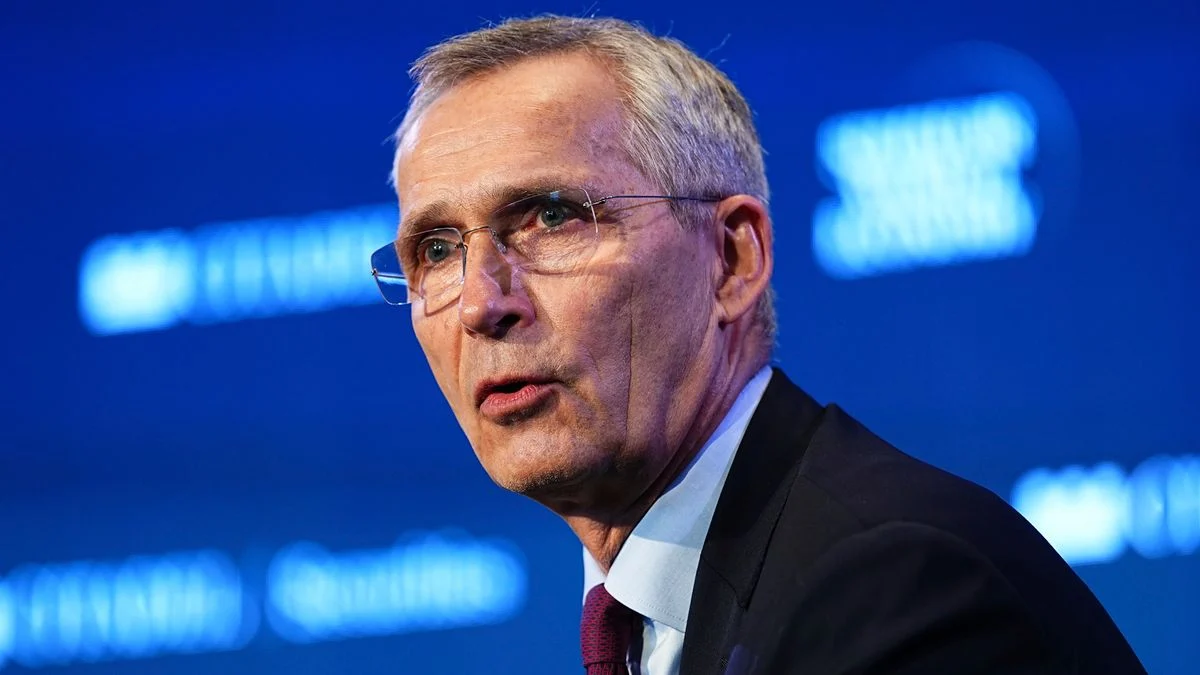
The German education system, long considered the bedrock of the nation’s economic stability and social mobility, is currently facing a profound existential crisis. While public discourse is frequently dominated by heated debates over the impact of migration, the integration of social media in classrooms, or the perennial shortage of teaching staff, one of Germany’s most prominent educational researchers, Olaf Köller, has directed the spotlight toward a more fundamental, structural failure: the obsolescence of the learning content itself.
Köller, a leading voice in the expert commission for children and youth, argues that the rot in the system does not stem from external pressures, but from an internal refusal to modernize. According to Köller, the primary issue is that the curriculum and pedagogical approaches currently employed in German schools are fundamentally detached from the realities of the 21st century.
The Core Problem: A Curriculum Frozen in Time
At the heart of the current debate is the stark realization that modern students are being taught through a lens that has not been adjusted in decades. Olaf Köller, one of the chairmen of the expert commission, offers a stinging critique of the status quo: "Tasks and curricula that were developed 20 years ago, or even earlier, simply fail to motivate students today."
This is not merely a complaint about "boredom" in the classroom. It is a fundamental critique of the disconnect between the academic requirements of the German school system and the competencies required to navigate the modern, digital, and globalized world. For many students, the classroom feels like a museum—a place where they are asked to memorize static facts rather than develop critical thinking, problem-solving, or digital literacy skills.
The Shift in Student Engagement
The pedagogical model of the late 20th century relied on a top-down, lecture-heavy approach that prioritized passive reception. However, in an era where information is ubiquitously available, this model has lost its efficacy. Köller suggests that the lack of engagement among students is a rational response to an irrational system. When a student feels that the material is irrelevant to their future, their motivation naturally wanes, leading to the systemic underperformance that has been noted in recent PISA studies and domestic educational assessments.

A Chronology of Declining Standards
The current malaise did not appear overnight. It is the result of a long-term trend characterized by policy inertia and a lack of systemic courage.
- The Early 2000s (The "PISA Shock"): Germany’s education system was famously shaken by the first PISA results in the early 2000s, which revealed that German students were performing significantly worse than their international peers in reading and mathematics. This led to a brief, frantic push for national standards.
- The 2010s (Bureaucratic Stagnation): Despite the initial push, reforms in the 2010s were largely superficial. They focused on restructuring the duration of schooling (such as the "G8" transition) rather than updating the substance of what was being taught. The focus remained on standardized testing rather than the quality of the learning experience.
- The COVID-19 Pandemic (The Digital Exposure): The pandemic served as a massive stress test that exposed the digital backwardness of German schools. While other nations successfully transitioned to hybrid models, the German system struggled with basic infrastructure, forcing a conversation about "modernization" that has yet to yield concrete results.
- 2024–2026 (The Current Reckoning): We are currently in a phase of acute realization. Following years of declining scores and a deepening teacher shortage, figures like Olaf Köller have begun to challenge the long-held assumption that simply "more money" or "more teachers" will solve the issue. Instead, they argue that the system needs a complete overhaul of its content.
Supporting Data: The Reality of the Gap
The data supporting the call for reform is sobering. Recent performance metrics from national and international educational assessments indicate that:
- Declining Literacy and Numeracy: Basic skills in reading and arithmetic have dropped below the levels recorded fifteen years ago. The gap between high-performing and low-performing students is widening, indicating that the system is failing to support those who need help the most.
- Teacher Shortage vs. Structural Inefficiency: While the shortage of teachers is often cited as the "main problem," the student-to-teacher ratio in Germany is not as high as in many countries that perform better. This suggests that the issue is not just the number of teachers, but how they are deployed and what they are tasked with teaching.
- Student Wellbeing: There is a growing trend of mental health issues among adolescents. The pressure of an antiquated, high-stakes testing environment, combined with a lack of meaningful school-life balance, has contributed to a rise in anxiety and disengagement.
Köller notes that "it cannot be the goal that all students just feel comfortable." This controversial but necessary statement addresses the balance between academic rigor and student welfare. He argues that schools should be places of intellectual challenge, but that the challenges must be relevant and achievable, rather than outdated and burdensome.
Official Responses and Political Stagnation
The political response to the warnings provided by researchers like Köller has been predictably fragmented. Because education in Germany is governed by the individual federal states (Länder), there is a persistent lack of a unified, national strategy.
- The Federal Level: The Federal Ministry of Education has repeatedly offered funding for digitalization projects, but these funds are often caught in bureaucratic red tape or used to buy hardware (like tablets) without the accompanying pedagogical training to ensure they are used effectively.
- The State Level: Many state ministries remain defensive, arguing that their specific curricula are tailored to regional needs. However, critics point out that this "regional identity" often acts as a shield to protect traditional structures from necessary, standardized reform.
- Teacher Unions: Unions have largely focused on the workload crisis and the need for smaller classes. While these are legitimate concerns, the focus on personnel often overshadows the critical need to revise the syllabus.
The consensus among experts is that unless the political leadership at both the state and federal levels decides to prioritize content reform over structural administration, the downward trend will likely continue.
The Path Forward: A Call for Radical Modernization
If the German education system is to reclaim its status as a world leader, it must move beyond the cosmetic changes that have defined the last two decades. The following steps are being proposed by leading voices in the field:

1. Curriculum Decentralization of Content, Centralization of Competencies
While the states should maintain control over pedagogical delivery, there should be a national consensus on the core competencies required for the 21st century. This includes advanced digital literacy, complex problem-solving, and socio-emotional learning, rather than the rote memorization of historical dates or outdated scientific models.
2. Investing in Teacher Professional Development
Teachers are currently tasked with implementing a curriculum that is outdated. The system needs to pivot toward "Lifelong Learning" for educators. They must be given the time and resources to learn new, project-based teaching methodologies that are proven to increase student motivation.
3. Redefining Success
Germany must move away from the binary system of academic versus vocational education that often labels students at an early age. A more fluid system that allows for continuous personal growth and career pivoting is necessary in an economy that is undergoing a massive transformation toward automation and green technology.

4. Embracing Discomfort
As Olaf Köller correctly notes, the goal of education is not simply for students to "feel good." It is to challenge them. The system needs to introduce high-stakes, real-world projects that require students to collaborate, fail, iterate, and succeed. This is the only way to prepare them for the volatility of the modern job market.
Implications for Germany’s Future
The implications of failing to act are significant. Germany’s economy is built on a foundation of high-quality engineering, manufacturing, and technical innovation. If the next generation of workers lacks the critical thinking and adaptive skills to navigate a world dominated by artificial intelligence and rapid technological change, the "German model" could be at risk of permanent stagnation.
The warning from researchers like Olaf Köller should be treated as a wake-up call. We are at a juncture where we must choose between the comfort of the status quo—which is comfortable only in its familiarity—and the necessity of a radical, challenging, and modernized approach to learning.

Germany has historically shown that it can reform itself in times of crisis. However, this time, the crisis is not external; it is inside the classroom. The students are waiting, the data is clear, and the path forward is illuminated. All that remains is the political and institutional will to begin the work of building a school system that is, for the first time in many years, truly fit for the future.