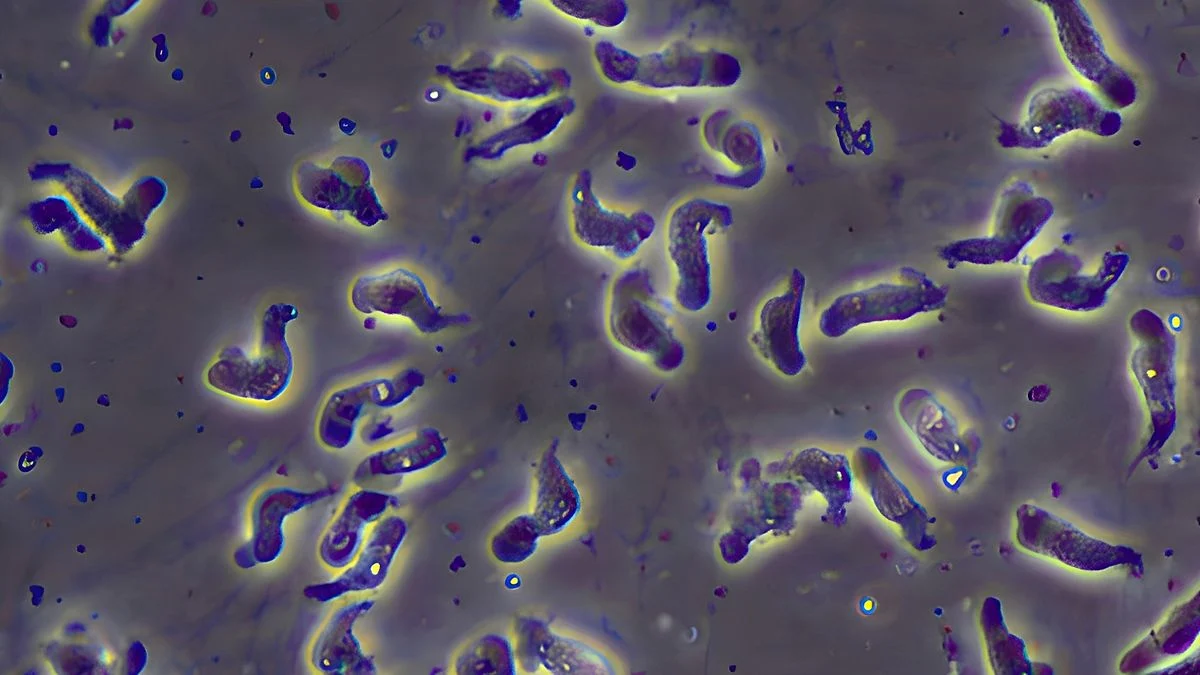
The Mexican state of Yucatan, world-renowned for its pristine Caribbean coastline, ancient Maya archaeological sites, and mystical freshwater cenotes, is grappling with a rare and terrifying public health emergency. Following the tragic death of a local water sports instructor, health authorities have ordered the immediate closure of six artificial lakes. The culprit is Naegleria fowleri, a microscopic, single-celled organism commonly known as the "brain-eating amoeba."
This development has sent shockwaves through the region’s tourism-dependent economy and prompted a massive review of water safety protocols in recreational facilities across the peninsula. While the infection remains statistically rare, the near-universal fatality rate associated with the pathogen has turned these leisure spots into zones of caution.
The Facts: A Microscopic Predator
Naegleria fowleri is a thermophilic (heat-loving) amoeba typically found in warm freshwater environments such as lakes, rivers, hot springs, and poorly maintained swimming pools. Unlike bacteria or viruses that spread through ingestion or person-to-person contact, Naegleria fowleri is strictly opportunistic. It enters the human body exclusively through the nasal cavity.
When water containing the amoeba is forced up the nose—typically during activities like diving, waterskiing, or vigorous swimming—the organism can migrate along the olfactory nerve directly into the brain. Once inside the central nervous system, it causes Primary Amebic Meningoencephalitis (PAM), a devastating infection that destroys brain tissue.
The infection is not contagious; you cannot contract it from drinking contaminated water, nor can it be transmitted from one person to another. The danger lies entirely in the mechanical force of water entering the sinuses.
Chronology of a Crisis
The alarm was raised in September when a local waterskiing instructor succumbed to the infection. Following this unprecedented fatality—the first of its kind recorded in Yucatan—the State Ministry of Health launched an aggressive investigation into the water quality of the region’s recreational lakes.
Out of nine major artificial lakes surveyed, six tested positive for the presence of the amoeba. These bodies of water are not naturally occurring but were engineered specifically to provide luxury recreational experiences, including wakeboarding, kayaking, and stand-up paddleboarding, within upscale residential developments and commercial shopping centers.
Following the laboratory confirmation, the authorities moved swiftly to cordon off these areas. The closures are intended to prevent further exposure while experts evaluate whether decontamination is possible or if these facilities must remain shuttered indefinitely.
Supporting Data and Global Context
While the Yucatan incident is a localized tragedy, it highlights a broader, concerning trend regarding the prevalence of Naegleria fowleri in warming climates.
The North American Connection
The danger is not unique to Mexico. In August, a tragic case in the United States served as a grim reminder of the amoeba’s reach. An eight-year-old girl in Louisiana passed away after contracting the parasite while swimming in Lake Claiborne. The Louisiana Department of Health confirmed that the child had been exposed to the organism while recreating in the lake, located approximately 48 kilometers from her home in Ruston.
According to the U.S. Centers for Disease Control and Prevention (CDC), while the number of cases remains low—usually ranging from zero to five annually in the U.S.—the fatality rate is catastrophic. Over 97% of diagnosed individuals do not survive. Data spanning several decades indicates that between 1962 and 2022, only a handful of people in the United States have survived an infection out of hundreds of documented cases.
The Clinical Progression: Symptoms and Warning Signs
The progression of PAM is rapid and merciless. Once the amoeba reaches the brain, it triggers an aggressive inflammatory response.
- Incubation: Symptoms typically appear five days after exposure, though the window ranges from one to twelve days.
- Early Stage: Patients often report sudden, severe headaches, fever, nausea, and vomiting. These symptoms are frequently misdiagnosed as common viral meningitis or the flu.
- Advanced Stage: As the brain tissue is destroyed, patients develop a stiff neck, confusion, lack of focus, and loss of balance.
- Terminal Stage: The infection leads to seizures, hallucinations, and eventually a coma, which almost invariably precedes death.
Because the disease progresses so quickly, by the time symptoms become severe, the window for effective medical intervention has often already closed. Current treatments, including experimental antifungal medications, have had limited success due to the speed at which the amoeba ravages brain matter.
Official Responses and Regulatory Shifts
The response from the Yucatan government has been one of strictly enforced caution. Health officials have announced a sweeping initiative to overhaul how the state monitors the water quality of its numerous natural and man-made aquatic attractions.
Beyond the Artificial Lakes
While the recent closures were restricted to artificial lakes, the government has turned its attention to the region’s iconic cenotes. These natural sinkholes, formed by the collapse of limestone bedrock, are the lifeblood of Yucatan’s eco-tourism. While they are generally considered safer due to the natural flow of fresh water, officials are now mandating stricter monitoring.
"We are committed to the safety of both our citizens and our visitors," a spokesperson for the Ministry of Health stated. "We are establishing new, rigorous testing protocols for all commercial water sites. The goal is to ensure that the unique beauty of Yucatan does not become a site of tragedy."
Local authorities are also educating the public on how to minimize risk. Recommendations include:
- Avoiding head submersion: Keep your head above water when swimming in warm, stagnant freshwater.
- Using nose clips: If you must engage in water sports, use a nose clip to prevent water from entering the nasal cavity.
- Avoiding sediment disturbance: The amoeba is often found in the soil at the bottom of lakes; stirring up mud or sediment increases the likelihood of contact.
Implications for Tourism and Future Policy
The closure of these six lakes presents a significant challenge to the local tourism industry. Yucatan relies heavily on its reputation as a safe, adventurous destination. The presence of a "brain-eating" pathogen threatens to cast a shadow over outdoor activities, which have surged in popularity in the post-pandemic era.
However, industry experts argue that transparency is the best policy. By acknowledging the risks and enforcing safety standards, Yucatan is attempting to mitigate panic while ensuring that the sector can continue to operate safely.
The incident also raises broader questions about climate change. Naegleria fowleri thrives in water temperatures exceeding 30°C (86°F). As global temperatures rise, habitats that were previously too cold for the amoeba to survive are becoming increasingly hospitable. This suggests that the "brain-eating amoeba" may be expanding its geographical footprint, forcing public health officials worldwide to treat once-innocuous recreational lakes with the same level of scrutiny applied to urban water systems.
For now, the people of Yucatan are waiting. The lakes remain quiet, and the authorities remain on high alert. The tragic death of the local instructor serves as a somber reminder that nature, no matter how inviting it may appear, holds dangers that require our respect and our vigilance. As the region moves forward, the focus remains clear: preventing another case through education, stricter oversight, and a commitment to public safety that prioritizes human life over recreational convenience.