In a significant shift for public health policy in Germany, the Gemeinsame Bundesausschuss (GBA)—the highest decision-making body in the German healthcare system—has officially announced a lowering of the age threshold for state-funded breast cancer screenings. While the program previously focused on women aged 50 to 75, the new directive extends this vital preventative measure to include women as young as 45.
This policy evolution marks a major milestone in the ongoing effort to combat breast cancer, the most common malignancy among women. By facilitating earlier detection, health authorities aim to significantly reduce mortality rates and improve the long-term prognosis for thousands of patients across the country.
The Core Mandate: What the GBA Decision Means
The Gemeinsame Bundesausschuss (GBA) acts as the architect of the German statutory health insurance (GKV) benefits catalog. Composed of representatives from physicians, hospitals, and health insurance funds, the GBA determines which medical treatments, diagnostics, and medications are covered for the more than 70 million individuals under the statutory system.
The latest resolution mandates that the "Mammography Screening Program" be expanded to include women starting at age 45. Previously, the system operated on the principle that the risk-benefit ratio was most favorable for women starting at age 50. However, evolving clinical data and a broader understanding of tumor progression have prompted a reassessment of these guidelines. Under the new rules, the screening will be offered to women in the 45–49 age bracket, mirroring the existing protocol for those 50 and older.
Chronology of Implementation
The transition to this new standard is not instantaneous, as it requires complex logistical adjustments across medical facilities and administrative bodies.
- October 2026: The GBA officially passes the resolution to lower the screening age.
- Late 2026 – Early 2027: The resolution undergoes a mandatory legal review by the Federal Ministry of Health to ensure compliance with existing healthcare statutes.
- August 1, 2027: The anticipated date for the official implementation of the new regulation.
- Summer 2027: Starting in the summer, women aged 45 and older will be able to proactively contact their regional "Zentrale Stelle" (Central Screening Office) to schedule appointments, bypassing the need to wait for a formal invitation letter initially.
- January 2028: The full integration into the automated system is expected to be complete, with women in the new age bracket beginning to receive personal, systematic invitations to participate in the screening program.
The staggered timeline is necessary to allow the specialized screening centers—which adhere to strict quality-control standards—to adjust their capacity and resources to accommodate the influx of new participants.
Supporting Data: Why the Change Matters
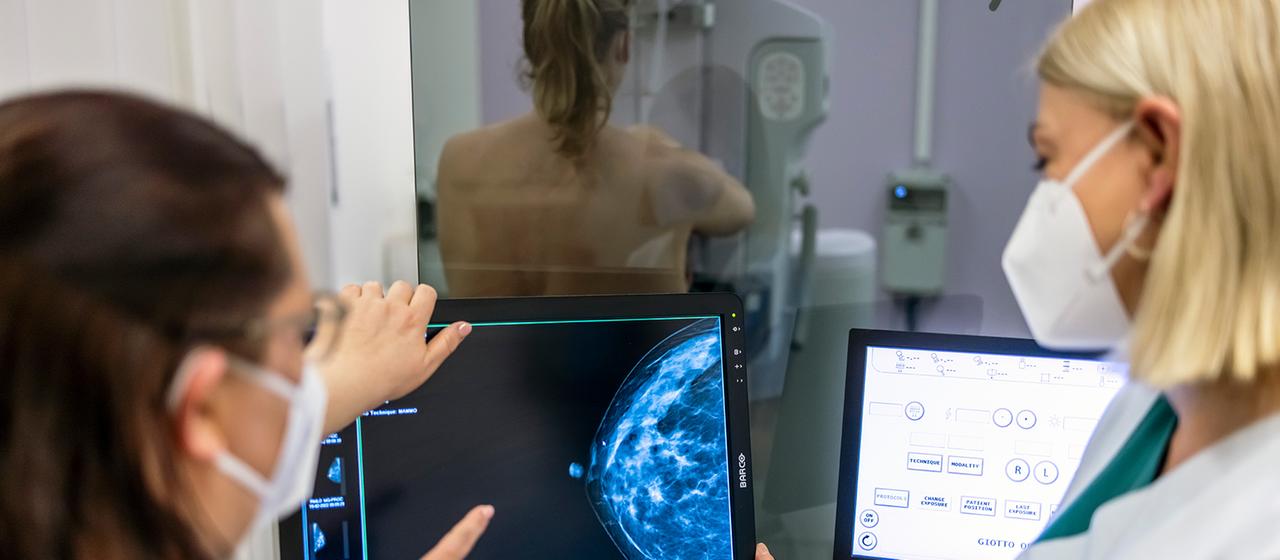
The decision to expand the program is rooted in compelling epidemiological evidence. Mammography, a specialized X-ray examination of the breast, is designed to identify tumors at an early, often pre-clinical stage—ideally before they are palpable or have spread to the lymph nodes.
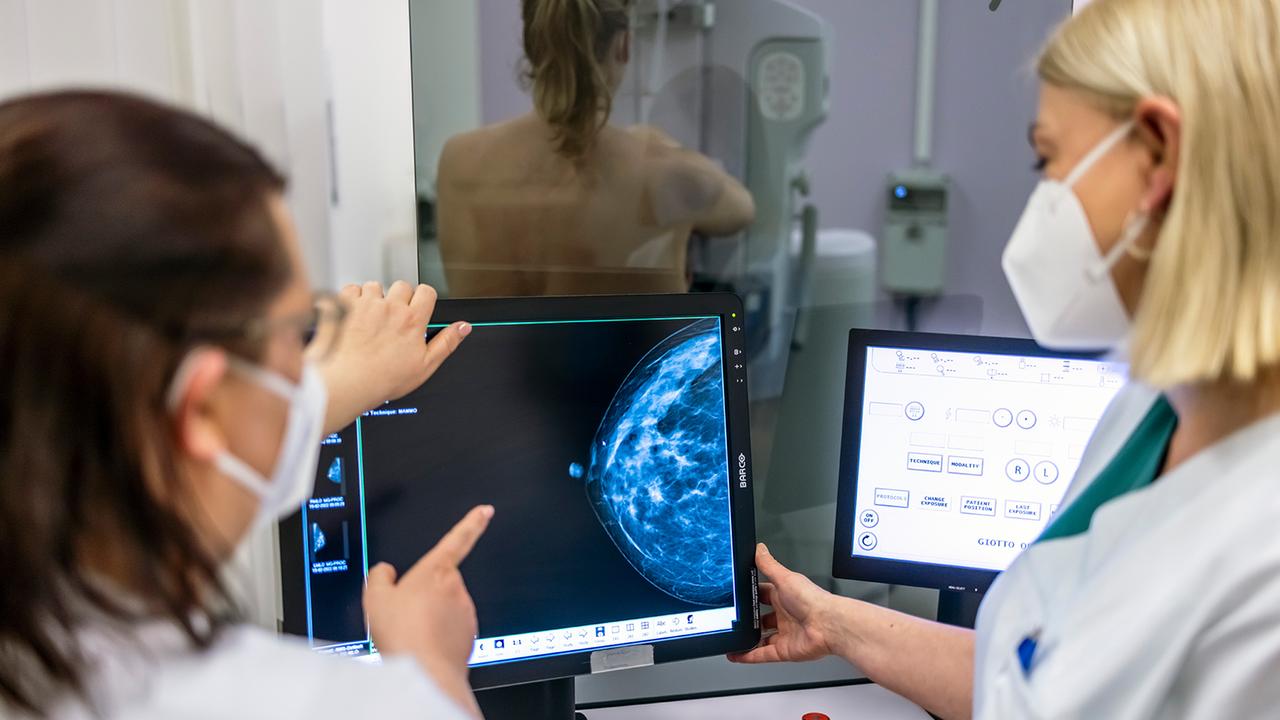
According to long-term studies, including extensive research conducted by the Federal Office for Radiation Protection (BfS), participating in the screening program reduces the mortality risk from breast cancer by 20 to 30 percent. While critics have historically raised concerns regarding the radiation exposure inherent in X-ray diagnostics, medical consensus has shifted firmly toward the view that the survival benefit of early detection far outweighs the minimal risks associated with the procedure.
The inclusion of the 45-to-49-year-old demographic is based on the recognition that breast tissue in this age group can be effectively imaged, and that catching cancers in this window offers a critical opportunity to intervene before tumors become aggressive.
The Mechanics of the Screening Program
The German breast cancer screening model is highly centralized to ensure uniform quality standards. Participation is entirely voluntary and is offered every two years.
How the Process Works
- Invitation: Participants receive a personalized invitation from the Central Screening Office. This ensures that no woman is "lost" in the system and that the two-year interval is maintained.
- Specialized Centers: The examinations are conducted in specialized screening units. These units must meet rigorous quality requirements, including high-tech digital imaging equipment and dual-reading protocols.
- The "Dual-Reading" Protocol: To minimize the risk of human error, every mammogram is independently evaluated by at least two highly qualified radiologists. If there is a discrepancy in their findings, a third expert is consulted to reach a consensus.
- Follow-up: If an abnormality is detected, the participant is promptly invited for further diagnostic procedures, such as ultrasound or biopsies, to clarify the finding.
By maintaining this standardized, high-quality structure, the program aims to minimize "false positives" while maximizing the sensitivity required to detect early-stage cancers.
Official Perspectives and Implications
The expansion of the program is being met with broad approval from medical associations, though it also brings significant organizational challenges.
Implications for the Healthcare System
The integration of a new age group means that the German healthcare system must prepare for a substantial increase in patient volume. With roughly five years of additional cohorts entering the system, the infrastructure must be scaled appropriately. This includes not only the procurement of additional imaging hardware but also the recruitment and training of specialized radiographers and radiologists.
"The goal is to ensure that the quality of the screening does not drop as the quantity of exams increases," says a representative from the GBA. "We are committed to maintaining the high standards that have made this program a success since its inception."
Public Health Impact
For the public, this change represents a significant empowerment of women’s health. By providing coverage for those in the 45–49 bracket, the state is removing a financial barrier that previously discouraged many women from seeking preventive care. Financial accessibility is a key pillar of public health; when cost is no longer a deterrent, participation rates typically rise, leading to a higher rate of "early discovery," which is the single most important factor in improving survival rates.
Future Outlook: Beyond Age 45
While the lowering of the age limit to 45 is a major victory for public health advocates, the medical community continues to research further advancements. Discussions regarding the use of AI in image analysis, for instance, are currently gaining traction. Artificial Intelligence could potentially act as a "third reader," assisting radiologists in flagging suspicious patterns that might be missed by the human eye, thereby increasing the program’s efficiency even further.
Furthermore, the focus is increasingly turning toward personalized risk stratification. Future iterations of the screening program may move away from a "one-size-fits-all" age-based approach toward a model that considers individual genetic risk, breast density, and family history.
Conclusion
The decision to lower the mammography screening age to 45 is a progressive step that reflects a commitment to evidence-based medicine. As the country prepares for the 2027 rollout, the emphasis remains on clear communication, logistical readiness, and ensuring that every woman eligible for the program is aware of the importance of early detection.
By catching potential threats at their earliest possible stage, the healthcare system is not only saving lives but also reducing the necessity for more invasive and debilitating treatments, such as aggressive chemotherapy or radical surgeries. As we look toward 2027 and beyond, this policy adjustment serves as a reminder that preventative healthcare remains the most effective tool in the modern medical arsenal.
For those currently approaching the age of 45, the message from health authorities is clear: Stay informed, monitor your health, and prepare to utilize this expanded resource as soon as it becomes available in the summer of 2027.