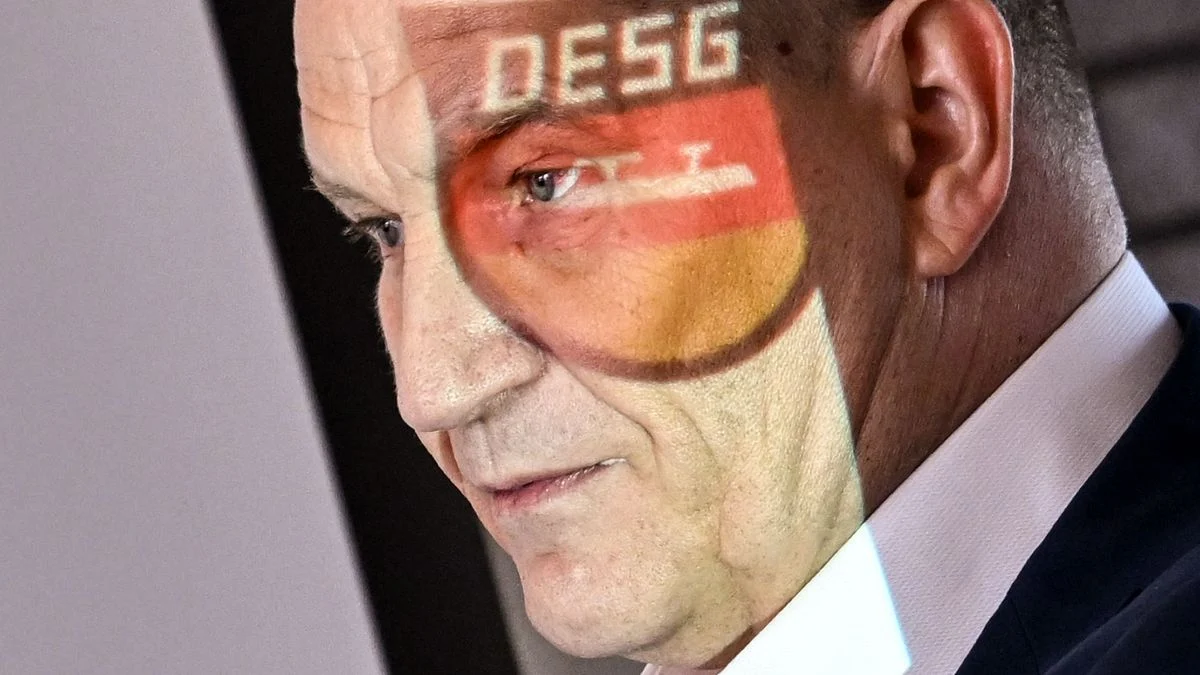
The German Speed Skating Federation (DESG) is currently grappling with what observers describe as the most profound institutional crisis in its history. Once a powerhouse of winter sports, the organization is now defined by internal discord, allegations of mismanagement, and a precarious loss of credibility that threatens the future of the sport in Germany. This report examines the layers of dysfunction currently paralyzing the federation.
I. Main Facts: A Federation in Freefall
The German Eisschnelllauf-Gemeinschaft (DESG) is currently effectively leaderless in spirit, if not in name. The root cause of the current volatility stems from a toxic cocktail of dwindling financial support, deep-seated personal animosities within the board, and a failure to modernize the federation’s governance structures.
Recent internal audits and leaks from the executive board suggest that the organization has failed to implement basic transparency protocols requested by both the Federal Ministry of the Interior (BMI) and the German Olympic Sports Confederation (DOSB). With funding streams increasingly tied to measurable improvements in governance and athletic performance—neither of which is currently being met—the DESG faces a potential "funding cliff" that could result in the total cessation of support for elite programs.
The internal strife is not merely bureaucratic; it is cultural. Reports indicate that multiple top-tier coaches and administrative staff have resigned or been pushed out in recent months, citing a "culture of intimidation" and a lack of clear strategic direction.
II. Chronology: The Road to the Brink
To understand the current collapse, one must view the timeline of the last 24 months, which transformed a struggling federation into a dysfunctional one.
- January 2022: Following lackluster performances at the Beijing Winter Olympics, the first public calls for a "total reset" of the DESG leadership emerged.
- September 2022: An emergency general meeting is called to address a massive deficit in the annual budget. The board narrowly survives a vote of no confidence.
- March 2023: A leaked document reveals that the DESG failed to meet internal compliance standards regarding athlete safety and financial reporting, leading to a temporary freezing of certain subsidies from the federal government.
- November 2023: Two key board members resign in protest, stating that the federation’s president is acting with "total disregard for constitutional bylaws."
- February 2024: A whistleblowing report is submitted to the DOSB, detailing systematic failures in how public funds were allocated toward training camps that failed to produce any measurable athletic improvement.
- Present Day: The federation remains under scrutiny, with external auditors currently reviewing the last three fiscal years to determine if any legal statutes were violated.
III. Supporting Data: The Decline of Performance and Finance
The collapse is not merely emotional; it is quantifiable.
The Performance Gap
The DESG’s performance in international competition has been in a steady decline since the retirement of the "golden generation" of German speed skaters.
- Medal Count: In the 2010 Vancouver Games, Germany was a global contender. By 2022, the medal count in speed skating had dropped to near zero, with many athletes failing to qualify for final heats.
- Participation Numbers: Youth enrollment in regional clubs has plummeted by 35% over the last decade. Without a robust pipeline of young talent, the federation has no future-proofing mechanism.
The Financial Deficit
The DESG’s reliance on government funding is nearly total. According to the most recent financial statement:
- 80% of revenue is derived from taxpayer-funded grants.
- Operating costs have risen by 12% annually, largely due to legal fees and external consulting costs required to navigate the ongoing internal disputes.
- Sponsorship retention is at an all-time low, with several major corporate partners citing "reputational risk" as the reason for ending their support.
IV. Official Responses and the Standoff
The current administration, led by the embattled president, has maintained a posture of defiance. In recent official press releases, the board has dismissed reports of "chaos" as "exaggerated media narratives" driven by disgruntled former employees.
"The federation is in a transitional phase," a spokesperson stated in a recent briefing. "We are committed to restructuring, and we believe that the current leadership is the only body capable of seeing these reforms through to completion."
However, the opposition within the federation—a coalition of regional club leaders and former Olympic medalists—strongly disagrees. In a joint statement, they noted: "The current board is the architect of this chaos, not the solution. We are calling for an immediate, independent oversight committee to take control of the federation’s finances until a new election can be held."
The DOSB has remained conspicuously quiet, though insiders suggest they are preparing a "takeover" scenario where they would install a provisional administrator if the DESG fails to show measurable reform by the end of the current quarter.
V. Implications: What Lies Ahead?
The implications of this crisis are far-reaching, touching not only on the careers of current athletes but on the survival of a traditional German sport.
The Impact on Athletes
The true victims of this internal war are the athletes. With funding uncertain, training camps are being canceled, and support staff, such as physiotherapists and specialized coaches, are not being paid on time. Many of Germany’s most promising young skaters are considering moving to neighboring countries or switching disciplines entirely to ensure their careers have a future.
Structural Reform or Total Dissolution?
There is a growing consensus among sports policy experts that the current structure of the DESG is outdated. The federation is built on a legacy system of regional power bases that rarely coordinate for the benefit of the national team. If the organization cannot reform its bylaws to centralize authority and ensure transparency, the most likely outcome is a forced restructuring by the federal government, potentially leading to the revocation of the federation’s official status as the governing body for speed skating in Germany.
The Wider Lesson for German Sports
The DESG crisis serves as a case study for the risks inherent in state-dependent sports federations. When the oversight mechanisms for public funds are weak, and the leadership is insulated from accountability by complex internal bylaws, institutional decay is almost inevitable.
As the skating season approaches, the world of winter sports watches with concern. If the DESG cannot resolve its internal disputes, it may well become the first major German sports federation to collapse under the weight of its own administrative negligence in the modern era. The path forward requires more than just new faces; it requires a fundamental shift in how the sport is governed, financed, and prioritized. For now, however, the federation remains trapped in a cycle of blame, legal maneuvering, and inaction, leaving the future of German speed skating hanging in the balance.